Even more knowledge

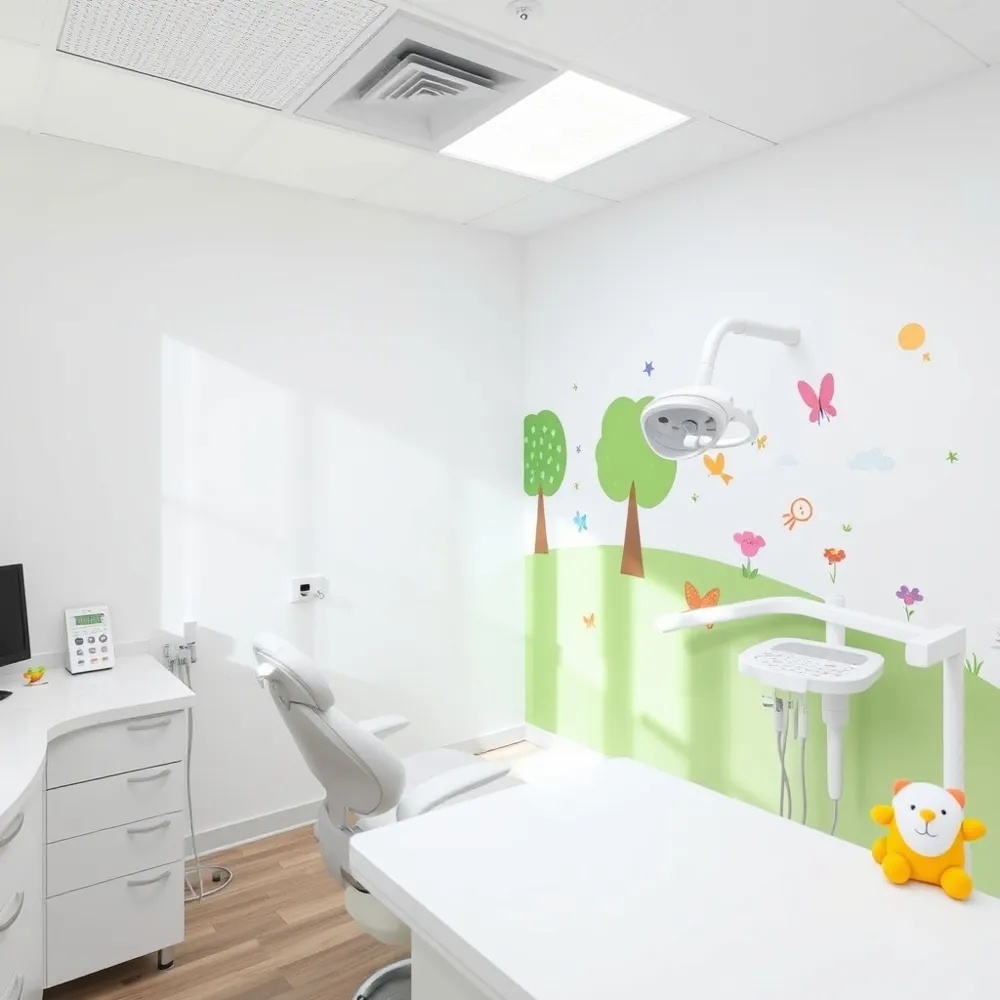
Dental anxiety is a common challenge among young children, affecting an estimated 20% of kids according to the American Academy of Pediatric Dentistry. When left unaddressed, this fear can lead to avoidance of regular checkups, allowing small issues to grow into serious oral health problems.
The foundation for a lifetime of positive dental experiences begins with early, gentle first visits. Research from the Journal of Pediatric Psychology shows that children who receive consistent behavioral support during those early appointments are far less likely to develop severe dental phobia as adults.
Parents play the most influential role in shaping how a child perceives the dentist. A parent's own calm confidence and careful choice of words can mean the difference between a child who approaches the visit with curiosity rather than dread.
Video: Tips for helping children feel comfortable at the dentist.
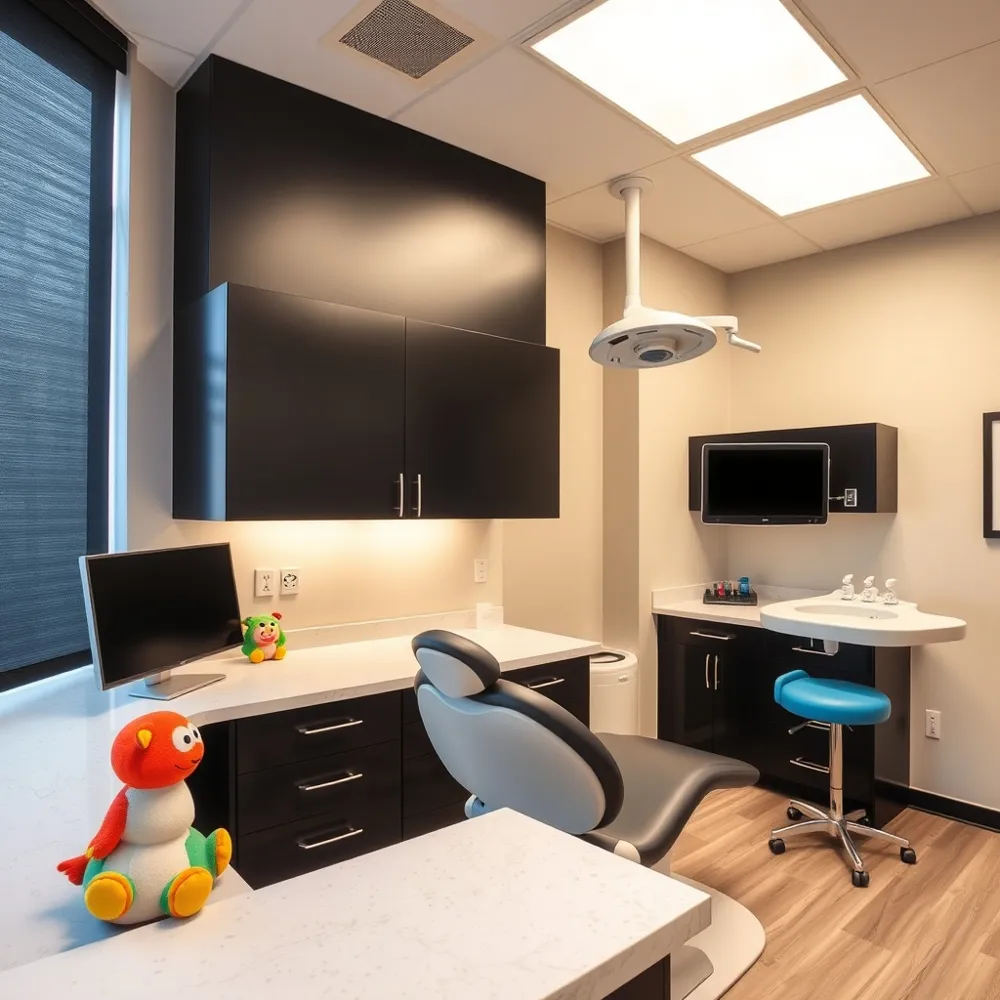
The American Academy of Pediatric Dentistry (AAPD) recommends that a child's first dental visit occur by their first birthday or within six months after their first tooth appears. This early visit, often lasting only 30 to 45 minutes, is designed more for education and prevention than treatment.
At the first visit, the dentist will examine your child's teeth, gums, jaw, and bite for any early signs of decay or developmental issues. Depending on your child's age and needs, the visit may also include a gentle cleaning and advice on fluoride needs. A key focus is providing parents with guidance on topics such as baby bottle tooth decay, teething, infant feeding practices, thumb-sucking habits, and proper home care.
Preparing children for their first dental visit through truthful, positive language can significantly lower their stress and pain perception while increasing cooperation during the exam. The primary goal of these initial visits is to build comfort and trust between your child and the dental team rather than to perform invasive procedures.
Research shows that children who have a negative first dental experience are at higher risk of developing long-term dental anxiety. In contrast, early exposure under calm conditions helps normalize the sights, sounds, and smells of a dental office.
Scheduling morning appointments when children are typically well-rested and cooperative can prevent fatigue-related meltdowns. A light meal before the visit keeps hunger at bay. At Gentle Dentistry of Staten Island, we recommend arriving 15-20 minutes early so your child can adjust to the office atmosphere without feeling rushed.
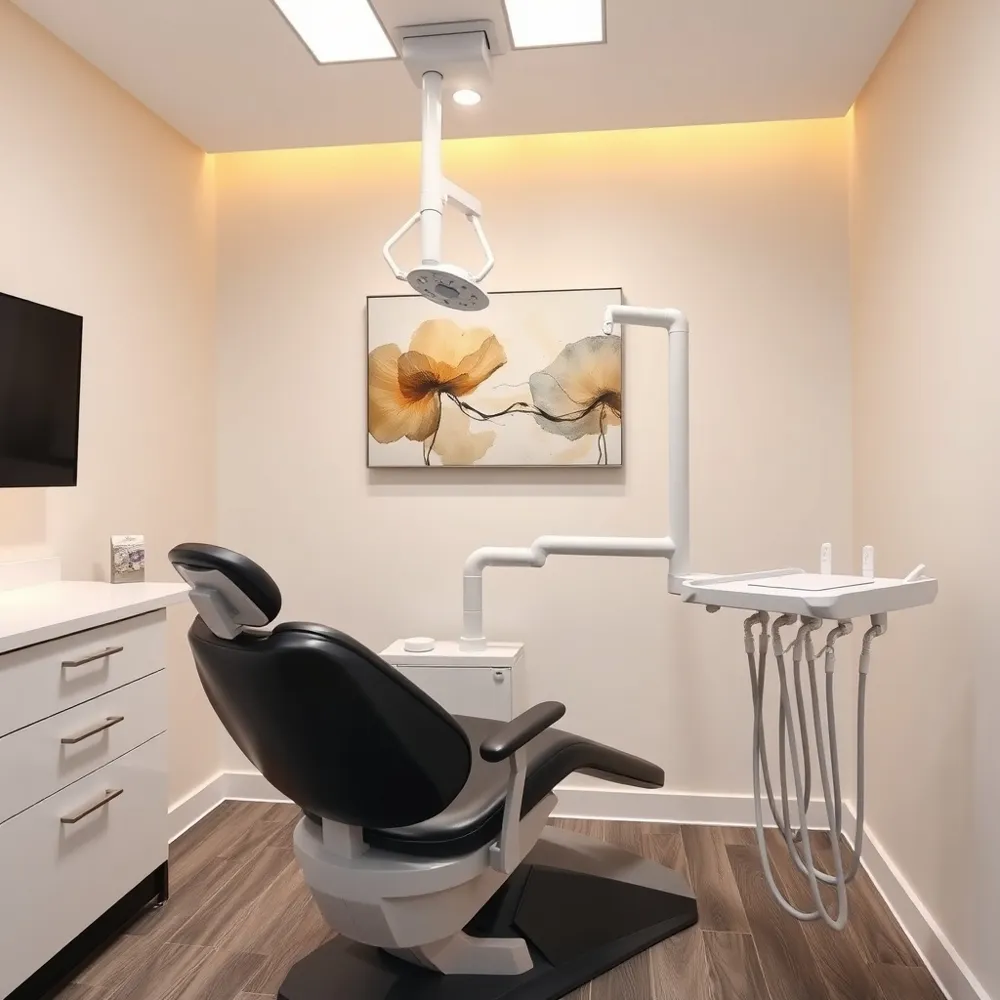
Preparation that begins 7–10 days before the appointment gives children enough time to absorb what to expect without becoming overwhelmed. Research from the Journal of Dental Research (2024) found that children who practice relaxation techniques before appointments score 35% lower on dental fear scales than unprepared peers.
The language parents use matters. Replace words like "pain," "hurt," or "shot" with positive, concrete descriptions such as "The dentist will count your teeth with a tiny mirror" or "They'll clean your smile with a tickly brush." One study showed that children whose parents used a simple information booklet reported significantly less pain during their first visit and were rated by dentists as more cooperative on the Frankl Behavior Rating Scale.
Role-playing at home helps demystify the process. Let your child act as dentist while you sit in a chair, using a toothbrush to count teeth on a stuffed animal. Reading books about dental visits or watching child-friendly videos further normalizes the experience.
Bring a comfort item such as a stuffed animal or blanket.
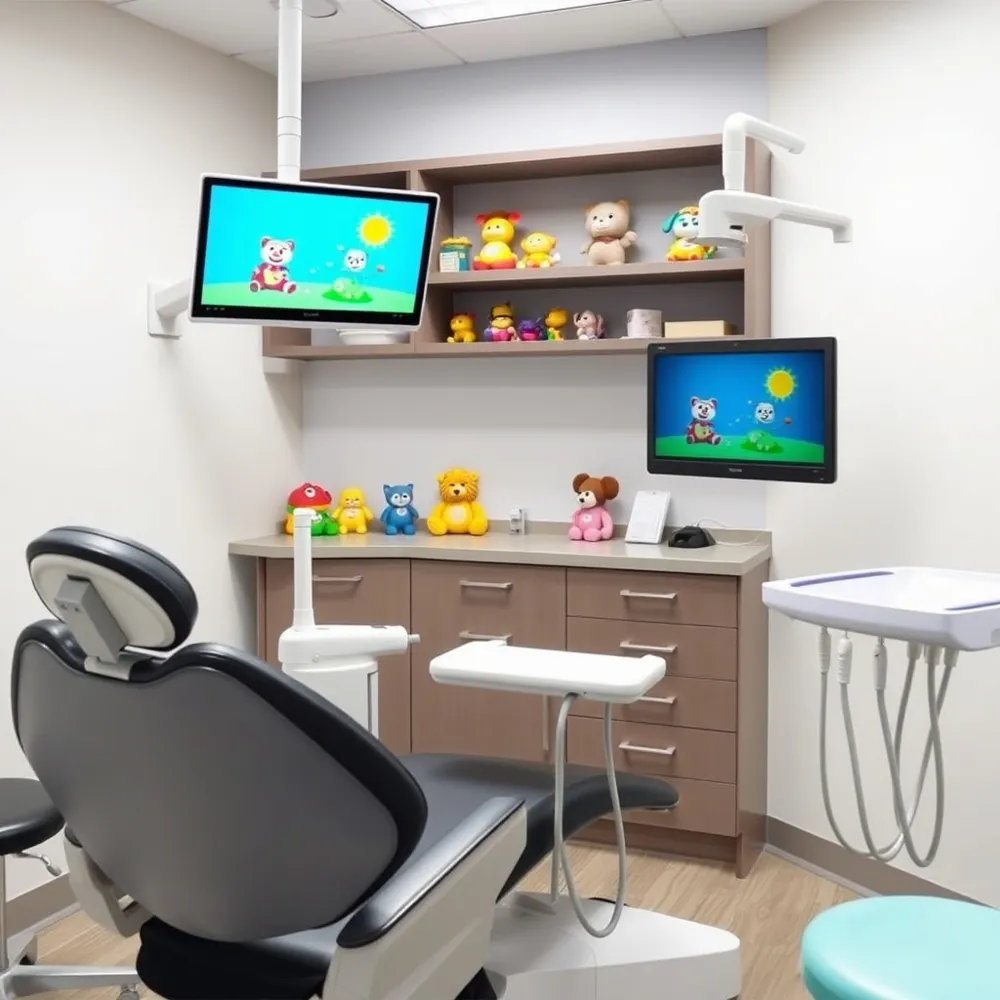
Pediatric dentists are trained to recognize anxious patients through body language, conversation, and behavioral cues. Rather than proceeding immediately with treatment, they build trust using a combination of communication methods and gentle pacing. At Gentle Dentistry of Staten Island, the approach is tailored to the individual child's age and anxiety level, ensuring that the first visit — and every visit — feels safe.
The gold standard in pediatric behavior guidance is the tell-show-do technique. The dentist tells the child what will happen in simple terms ("I'm going to use this little mirror to count your teeth"), shows the instrument on a finger or model so the child can see and touch it, and then performs the procedure. Research confirms that this stepwise removal of mystery significantly reduces anxiety, as the child knows exactly what to expect next.
Distraction redirects the child's attention away from the dental work. Common methods include ceiling-mounted TVs playing cartoons, headphones with music or audiobooks, and fidget toys or stress balls to keep the hands busy. Some dentists invite the child to hold a small dental mirror and "help" — a tactic that transforms a passive patient into an active participant.
Giving the child a sense of control is a powerful anxiety reducer. Many pediatric dentists establish a stop signal — usually a raised hand — that the child can use to indicate they need a short break. The dentist honors the signal immediately, fostering trust. For children with a history of negative dental experiences, a series of "happy visits" (5–10 minutes each where the child sits in the chair, receives praise, and leaves without treatment) helps desensitize them to the environment.
Most pediatric dentists encourage parents to stay in the treatment room for younger children, as a calm parent provides comfort. However, behavioral research from the American Academy of Pediatric Dentistry warns that excessive parental intervention can increase child apprehension by 25%. The recommended position is where the child can see the parent but the parent is not directly in the dentist's line of sight — offering quiet reassurance without interrupting the dental team's communication. Trusting the dentist's tell-show-do approach allows the professional to lead the interaction effectively.
Positive reinforcement is a powerful tool for managing dental anxiety in children. Immediate praise and tangible rewards like stickers or small toys help create a positive association with the dental visit. Research shows that offering a small non‑food reward after cooperation reinforces good behavior and builds confidence for future appointments.
For long‑term success, maintain the reward system consistently across follow‑up visits. Schedule the next appointment before leaving the office and continue using the sticker chart to reinforce positive behavior. At Gentle Dentistry of Staten Island, the team integrates these reward strategies to help children feel proud of their dental health and look forward to each visit.
Stay calm and avoid using the dentist as a threat—this only reinforces fear. Instead, use role-play at home with stuffed animals or watch videos of favorite characters visiting the dentist to build familiarity.
For young children, minimally invasive treatments such as Silver Diamine Fluoride (SDF) can arrest decay without drilling. Gradual desensitization through short, positive "happy visits" helps build trust over time. Research shows that children who have negative first dental experiences are at greater risk for long-term dental anxiety, making a gentle start essential.
For cooperative but still anxious children, nitrous oxide (laughing gas) provides safe, effective relaxation during procedures. At Gentle Dentistry of Staten Island, the team tailors each visit to the child's comfort level, offering behavior guidance and sedation options to ensure a positive experience.
For children with moderate to severe dental anxiety, pharmacological options provide a safe way to reduce fear and enable necessary treatment. Nitrous oxide, commonly known as laughing gas, is often the first choice — it keeps the child conscious and responsive, wears off quickly, and has few side effects. Studies have shown it is effective for managing anxiety during pediatric dental procedures.
In more severe cases or for complex procedures, oral sedation or general anesthesia may be recommended. These options allow the child to remain calm or sleep through the appointment, minimizing distress. Long-term pharmacological approaches, such as selective serotonin reuptake inhibitors (SSRIs) or benzodiazepines, are sometimes used for persistent anxiety and are typically combined with behavioral strategies like cognitive-behavioral therapy.
Discuss these options with a pediatric dentist who can tailor the plan to your child's needs. At Gentle Dentistry of Staten Island, the team integrates pharmacological care with behavioral techniques to help anxious children receive essential dental treatment in a comfortable and supportive environment.
Starting early with gentle preparation, positive reinforcement, and a pediatric dentist sets the stage for a lifetime of healthy smiles. According to longitudinal research, children who receive consistent behavioral support during early visits show 70% lower rates of adult dental phobia. Each positive experience builds trust, making future visits easier. Partner with a skilled pediatric team like Gentle Dentistry of Staten Island to give your child the best start.