Even more knowledge


Dental implants are a permanent, natural-looking solution for replacing missing teeth. They consist of a titanium or ceramic post surgically placed into the jawbone, which fuses with the bone through osseointegration, providing a stable foundation. This structure replaces both the tooth root and the visible crown, restoring full chewing ability, speech, and smile aesthetics.
The restoration — the visible crown, bridge, or denture attached to the implant — is critical for function and appearance. It determines how naturally the replacement blends with existing teeth and how comfortably you can eat and speak. Choosing the right restoration material and design also impacts long-term durability, maintenance, and jawbone health, making it a key decision in the implant process.
At Gentle Dentistry of Staten Island, led by Dr. Louis Sterling and Dr. Sara Skurnick, personalized care guides every step. For implant restorations, this means thorough evaluation of your oral health, bone density, and aesthetic goals, followed by clear communication about material options — from zirconia to titanium — and retention methods. The team uses advanced technology like digital impressions and 3D imaging to ensure precise fit and comfort, always prioritizing your long-term satisfaction and confidence.
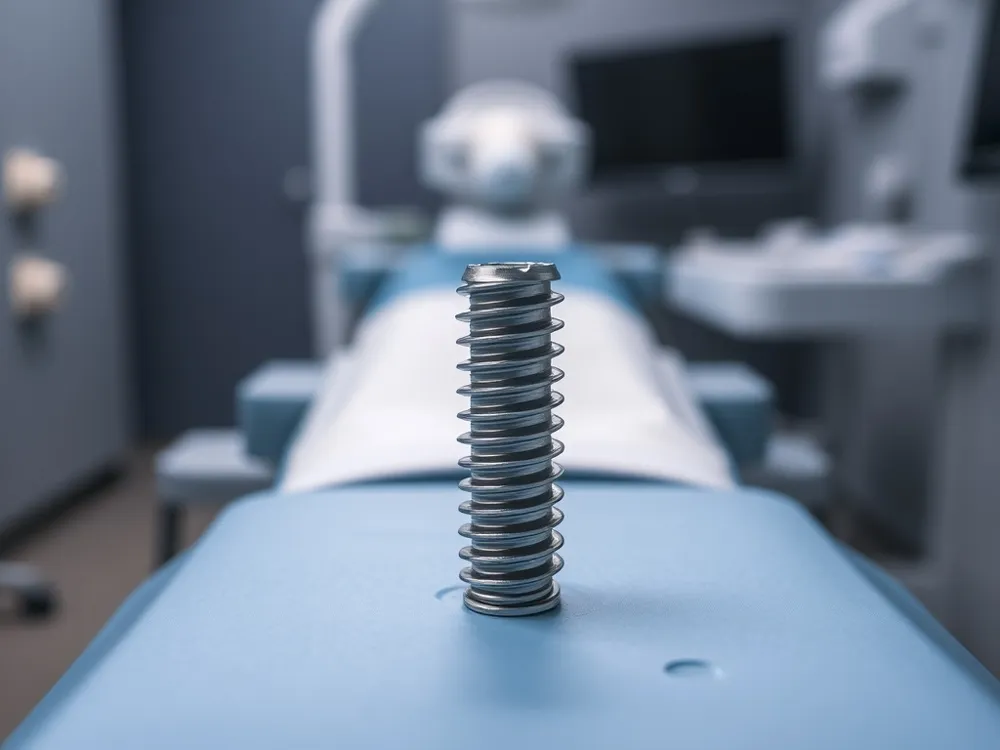
Osseointegration is the biological process where a dental implant, typically made from titanium, bonds directly with the jawbone. After the implant is surgically placed, the body’s natural healing response causes bone cells to grow and attach to the implant’s microscopic surface, creating a strong, permanent fusion. Over several months, the bone tissue integrates with the implant much like tree roots growing around an obstacle, securing it firmly in place. This stable foundation allows the implant to function like a natural tooth root, supporting a crown, bridge, or denture for chewing and smiling. The fusion not only ensures durability but also helps maintain jawbone density, preserving oral health for years.
A dental implant system is composed of three main parts that work together to restore function and appearance.
| Component | Function | Material & Notes |
|---|---|---|
| Implant Fixture | Acts as an artificial tooth root, surgically placed into the jawbone. | Typically made of titanium or zirconia. Its surface is often treated to speed up osseointegration. |
| Abutment | A connector piece that attaches to the implant fixture and supports the final restoration. | Made from titanium, zirconia, or a hybrid material. It can be placed during the same surgery or in a separate procedure after healing. |
| Restoration | The visible part that looks and functions like a natural tooth (crown, bridge, or denture). | Custom-made from materials like porcelain, zirconia, or composite resin to match nearby teeth in color and shape. |
The process of osseointegration does not happen overnight. A standard healing timeline outlines what patients can expect.
This structured timeline ensures that the implant achieves the high success rates—often exceeding 95%—associated with modern implant dentistry.
Selecting the right restoration depends on how many teeth are missing, your oral health, and your goals. Each option—crown, bridge, denture, or All‑on‑4—offers specific benefits. Understanding these choices helps you make an informed decision with your dentist.
Before proceeding, know that the full process, from consultation to final crown, can take many months because the implant must fuse with your jawbone (osseointegration). Sufficient bone density is essential; if bone is lacking, a graft may be needed first. The surgery itself is usually painless under local anesthesia, and post‑surgery discomfort is manageable. For post‑care, treat your implants like natural teeth: brush twice daily with a soft brush, floss, and see your dentist every six months. Avoid hard or sticky foods that could damage the restoration, and consider a nightguard if you grind your teeth.
The 50‑40‑30 rule appears in two contexts. In cosmetic dentistry, it helps create balanced smiles by guiding ideal tooth proportions: central incisors appear 50% as wide as long, lateral incisors 40%, and canines 30%. In restorative dentistry, it helps decide between a filling and a crown: if decay or damage exceeds 50% of a tooth's width, 40% of its front‑to‑back length, or 30% of its total structure, a crown is recommended for better strength. Both versions are guidelines, and your dentist will tailor the treatment.
| Restoration Type | Best For | Typical Number of Implants | Approximate Lifespan | Aesthetic Strength |
|---|---|---|---|---|
| Single crown | One missing tooth | 1 | 10-25 years | High (custom‑shaded) |
| Implant‑supported bridge | 2-4 missing teeth in a row | 2 | 10-15 years | High (custom‑shaded) |
| Implant‑supported denture | Several or all teeth, full arch | 4-6 | 7-15 years | Moderate to high |
| All‑on‑4 fixed bridge | Full arch of missing teeth | 4 | 15+ years | High (zirconia option) |
Factors influencing the choice include the number and location of missing teeth, jawbone density, health of remaining teeth, aesthetic priorities, and budget. The material of the restoration also matters: all‑ceramic offers the most natural look for front teeth, while zirconia provides superior strength for molars.
Before implant surgery, a thorough exam—including 3D imaging—assesses bone quality and quantity. If bone is insufficient, a graft or sinus lift may be needed. Systemic health conditions like uncontrolled diabetes or smoking habits can affect healing and success rates, requiring management before treatment. Your dentist will discuss the full timeline and costs, helping you plan accordingly.
Implant fixtures are most commonly made of titanium or zirconia. Titanium, the gold‑standard material, offers a high strength‑to‑weight ratio, excellent osseointegration, and a 95 %+ ten‑year success rate (Mayo Clinic). Zirconia provides a metal‑free, tooth‑colored alternative that is biocompatible, less prone to plaque accumulation, and ideal for patients with metal sensitivities (ClearChoice, ResearchGate).
The visible crown can be fabricated from porcelain, all‑ceramic (zirconia or lithium disilicate), porcelain‑fused‑to‑metal (PFM), or metal alloys. Porcelain and lithium disilicate deliver superior translucency for front teeth, while zirconia crowns combine strength with a natural hue, making them suitable for posterior loads (ADA, ClearChoice). PFM crowns give a durable metal core with an aesthetic porcelain overlay, though the metal may show at the gum line over time (ClearChoice.
Biocompatibility and aesthetics are key: zirconia and all‑ceramic restorations are hypo‑allergenic and blend seamlessly with gum tissue, whereas metal‑based options may cause discoloration in patients with thin gums (ClearChoice.
What are the different types of materials used for dental implants? Dental implants use titanium or zirconia for the fixture; crowns may be porcelain, PFM, zirconia, lithium disilicate, gold, or composite (sources above).
What is the best material for dental implants? The "best" choice depends on the patient: titanium delivers unmatched durability and integration; zirconia offers aesthetic, metal‑free benefits for those with sensitivities (American Dental Association, ClearChoice.
What are dental implant crowns made of? Common crown materials include porcelain, zirconia, lithium disilicate, PFM, and gold alloys, each balancing strength, look, and cost (ADA, ClearChoice.
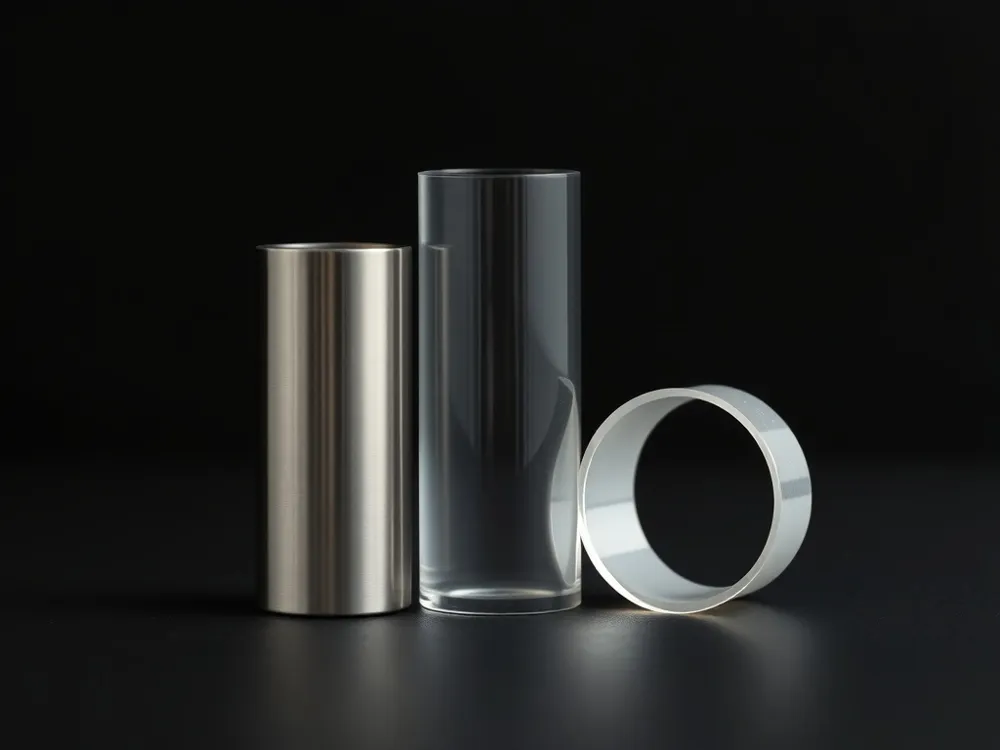
The cost of titanium implants being the most common. Zirconia implants, a metal‑free ceramic option, typically cost a few hundred dollars more due to material and manufacturing. A single implant—post, abutment, and crown—generally ranges from $3,000 to $7,000. The material choice directly influences the final cost. For full‑arch restorations, acrylic‑on‑metal options are budget‑friendly, while solid zirconia is a premium material with a higher upfront cost.
| Restoration | Average Lifespan | Notes |
|---|---|---|
| Implant‑supported crown | 10–15 years | Can last 20+ years with excellent care |
| Implant‑supported bridge | 5–15 years | Longevity depends on oral hygiene and bite forces |
| Implant‑retained denture | 7–10 years | Acrylic bases may need earlier replacement; metal frameworks last longer |
| All‑on‑4 (acrylic) | 5–8 years | Considered a transitional solution |
| All‑on‑4 (zirconia) | 10+ years | High fracture resistance and stain‑resistant |
Zirconia is widely regarded as the newest and best material for permanent All‑on‑4 prosthetics. Its exceptional strength, natural aesthetics, and resistance to staining and bacterial buildup make it a top choice. Monolithic zirconia is nearly impossible to break, offering long‑term reliability. Newer nano‑ceramics provide a slightly softer feel but are not as durable. While zirconia has a higher upfront cost, its longevity and minimal maintenance often make it the most cost‑effective option for patients seeking a worry‑free, lifelike solution.
Brush twice daily with a soft‑bristled toothbrush, floss around the implant abutment, and use an antimicrobial rinse to keep plaque at bay. Avoid chewing hard foods that could stress the restoration. Using a water flosser can also help clean hard‑to‑reach areas around the implant.
Schedule professional cleanings and examinations every six months; the dentist will check implant stability, gum health, and the fit of the crown or bridge, catching issues early. Early detection prevents costly repairs.
Gentle Dentistry uses cone‑beam CT scans and CAD/CAM planning to place implants with precision, reducing surgery time and improving long‑term success.
The team explains each step, offers sedation options, and tailors treatment to your comfort, ensuring a supportive experience from consultation to final restoration.
Choosing the right dental implant restoration depends on the number of missing teeth, your aesthetic goals, and your budget. A crown is ideal for a single tooth, a bridge for several adjacent teeth, and implant-supported dentures or All-on-4 for full arches. Materials like zirconia offer superior aesthetics, while titanium provides proven strength.
Your first step is a consultation with a qualified specialist. They will assess your bone density and oral health, discuss options, and create a personalized treatment plan. With proper care and regular check-ups, your implant restoration can provide decades of reliable function and a confident smile.