Even more knowledge

A healthy bite—clinically referred to as proper occlusion—is the precise way upper and lower teeth come together during chewing, speaking, and rest. When occlusion is balanced, the forces generated by jaw muscles are distributed evenly across all teeth, protecting enamel, supporting the temporomandibular joints (TMJs), and allowing efficient mastication. By contrast, malocclusion—whether from missing teeth, worn enamel, uneven restorations, or congenital factors—can lead to uneven wear, jaw pain, headaches, and even TMJ disorders. Restoring a stable bite is therefore a central goal of restorative dentistry.
Dental restorations such as fillings, crowns, bridges, and implants are not merely cosmetic repairs; they are engineered to re‑establish correct occlusal relationships. Fillings that bond directly to tooth structure preserve the natural contact points and prevent height discrepancies that would otherwise throw the bite out of harmony. Crowns, which cover the entire visible portion of a tooth, restore its original shape, strength, and vertical dimension, ensuring it meets the opposing tooth evenly. Bridges fill gaps left by missing teeth, preventing neighboring teeth from shifting into malocclusion. Implants, which are surgically integrated into the jawbone, provide a stable foundation for a crown, bridge, or denture, mimicking the natural tooth root and preserving bone density that supports long-term bite stability.
The choice of material directly influences both the longevity of a restoration and its ability to withstand daily biting forces. Tooth‑colored composites, porcelain veneers, and ceramic crowns offer superior aesthetics and bond intimately to tooth structure, helping preserve remaining enamel. Metal alloys—such as gold or non‑precious metals—remain the gold standard for posterior teeth that endure the highest chewing pressures (up to 800 N in the molar region). Modern lithium disilicate ceramics (e.g., IPS e.max) combine strength with excellent translucency, making them suitable for both anterior and posterior restorations. Zirconia provides even higher fracture resistance but may require special bonding protocols.
| Material | Typical Use | Strength & Durability | Aesthetic Quality |
|---|---|---|---|
| Composite resin | Small to moderate cavities | Moderate (5–10 years); prone to wear under heavy force | Good; tooth‑colored, blendable |
| Porcelain/ceramic | Crowns, veneers, onlays | Excellent (97% success at 5 years, 93% at 10 years) | Very high; mimics natural enamel |
| Metal alloys (gold, non‑precious) | Posterior crowns, bridges | Very high (10–20 years); withstands heavy chewing | Poor (silver/gold color) |
| Zirconia | Full‑coverage crowns, bridges | Superior (flexural strength >900 MPa) | Good; opaque, layered with ceramic |
Technological advances—digital intraoral scanners, CAD/CAM design, and 3D modeling—allow clinicians to plan restorations with micron‑level precision. Articulating paper, shimstock, and electronic sensors (e.g., T‑Scan) help identify premature contacts or high spots that could disrupt occlusion. Bite registration records the exact relationship between the jaws, enabling the laboratory to fabricate restorations that fit seamlessly into the patient’s existing bite pattern.
A properly placed restoration does not adapt to the bite; rather, the dentist adjusts the restoration to conform to the patient’s occlusion. This often involves incremental polishing of high points until the patient feels even contact on both sides. After final placement, follow‑up visits are essential to monitor any changes in bite dynamics. Patients should also maintain regular check‑ups and practice good oral hygiene. For those who grind or clench (bruxism), a custom nightguard can protect both natural teeth and restorations from excessive forces, preserving occlusal stability over time. Ultimately, a well‑aligned bite not only enhances comfort and chewing efficiency but also protects the investments made in restorative care.
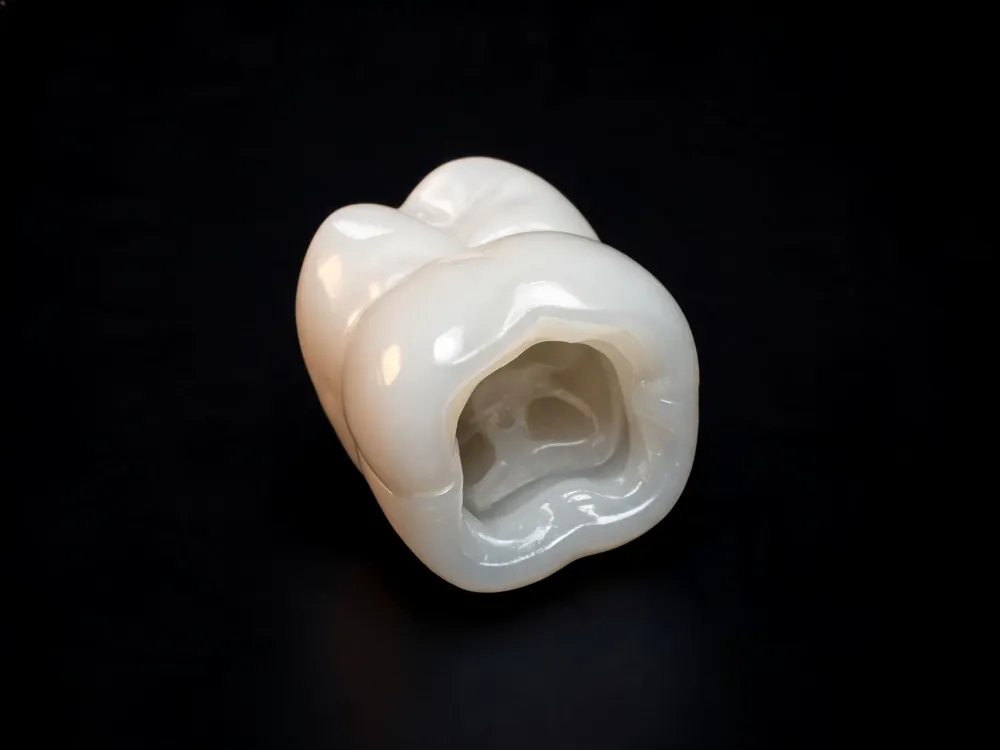
Occlusion refers to how the upper and lower teeth come together when the jaw closes. Proper alignment evenly distributes bite forces, enabling efficient chewing, clear speech, and overall oral comfort. When occlusion is disrupted—through tooth decay, loss, or poorly executed restorations—it can lead to jaw pain, uneven tooth wear, and temporomandibular joint (TMJ) disorders.
Restorations like fillings, crowns, and bridges are crafted to replicate the natural shape and function of teeth. A precisely placed filling or crown rebuilds the tooth’s original contours, re‑establishing correct contact with opposing teeth. Bridges and implants fill gaps, preventing neighboring teeth from shifting and preserving stable occlusion. The goal is a seamless fit that restores comfortable, balanced biting.
Even a slight error in restoration height—too high or too low—can create painful pressure points or disrupt harmony. Material selection also matters: restorations must match the natural hardness of teeth to avoid excessive wear or imbalance. Dentists carefully evaluate each tooth’s unique anatomy to ensure correct size, shape, and occlusal contacts.
Advances such as digital imaging, 3D modeling, and CAD/CAM technology significantly improve restorative precision. These tools allow clinicians to capture exact tooth contours and plan alignment digitally, reducing guesswork and enhancing fit. As a result, restorations integrate more naturally, supporting long‑term bite health and patient comfort.
According to the provided sources, bite misalignment (malocclusion) has both hereditary and environmental causes. Environmental factors include thumb sucking, mouth breathing, teeth grinding, and tooth loss – all of which can alter how the jaw develops over time. The sources note that malocclusion is common, affecting up to 93% of children and adolescents, and that ill‑fitting dental restorations can also contribute. Oral habits like thumb sucking and mouth breathing are listed as direct causes of malocclusion, emphasizing that function and posture matter for proper jaw shaping.
When jaw development is disrupted, the result can be one of several malocclusion classes: Class I (mild overlap), Class II (upper teeth protrude significantly), or Class III (lower teeth beyond upper). Left untreated, malocclusion leads to complications such as tooth erosion, gum disease, jaw pain, difficulty chewing or speaking, and even sleep apnea. The sources specifically mention that mouth breathing and thumb sucking can cause these developmental problems, highlighting the importance of addressing dysfunction early.
The sources describe several intervention strategies for bite problems caused by these factors. Orthodontic treatments (braces or clear aligners), bite therapy (including splints and adjustments), and restorative dentistry (crowns, implants, bridges) can correct alignment. For children, early orthodontic evaluation is recommended to guide jaw growth and reduce the need for more invasive treatment later. The sources also note that replacing missing teeth promptly helps maintain proper jaw development and prevents neighboring teeth from shifting.
A sudden change in bite alignment can result from new or intensified teeth grinding, often triggered by stress, which gradually shifts tooth positions. Accidental trauma to the jaw or teeth can immediately disrupt how upper and lower teeth come together. Losing a tooth, even a back one, allows neighboring teeth to drift and alters bite alignment quickly. An emerging temporomandibular joint (TMJ disorder) can also cause discomfort and a false sense of misalignment due to joint inflammation. New or poorly fitted restorations—like a crown or filling that is slightly too high—create a "high spot" that forces the jaw into an unnatural compensating position. Conversely, a restoration that is too low fails to make proper contact, throwing the bite out of harmony.
Key signs include jaw pain, frequent headaches, tooth sensitivity when biting, clicking or popping sounds in the jaw joint, and a sensation that one tooth hits harder than others. These symptoms indicate your bite is unbalanced and require professional evaluation.
Ignoring a sudden bite change can lead to uneven tooth wear, cracked restorations, TMJ disorders, and chronic pain. Early dental evaluation allows for simple corrective measures such as occlusal adjustment (reshaping biting surfaces) or replacement of an ill‑fitting restoration. Prompt care prevents long‑term complications and helps restore comfortable, stable function.
A bite adjustment is a critical step after any restorative procedure, ensuring the new filling, crown, or bridge integrates properly with your natural bite. Minor adjustments after a filling are typically included at no extra cost if addressed soon after treatment, as this is considered part of achieving correct occlusion. Policies vary by practice, so always confirm with your dentist. An ill-fitting restoration that is too high or too low can lead to discomfort, jaw strain, and long-term bite problems, making this step essential for oral health.
The 3‑3‑3 dental rule is a common guideline for managing post‑procedure inflammation. It involves taking 3 tablets of ibuprofen (200 mg each) every 3 hours for up to 3 days. This regimen helps control swelling, the primary driver of dental pain, and supports healing after restorative work such as fillings or crown placement.
The rule of 7 recommends that children receive their first orthodontic evaluation by age 7. At this stage, the first permanent molars and incisors have erupted, allowing early detection of developing bite issues. Prompt intervention can guide jaw growth and alignment, potentially reducing the need for more complex restorative treatments later in life.
Proper maintenance and regular dental check‑ups are crucial for preserving the results of restorative dentistry. Following post‑procedure care instructions and attending follow‑up visits allows your dentist to monitor bite function, detect early changes, and make timely adjustments. This sustained care helps protect both natural teeth and restorations, maintaining a stable, functional bite for long‑term oral well‑being.
Drinking water is a simple yet powerful habit for maintaining a clean mouth. Water flushes away food particles and dilutes acids that can harm teeth and restorations. What drink cleans your teeth? The act of drinking water itself helps remove remnants of sugary or acidic drinks, supporting oral hygiene until your next brushing.
Gentle brushing with a soft-bristled toothbrush and avoiding hard foods (like ice or hard candy) protect restorations from damage. Regular dental check-ups allow early detection of any bite imbalances, ensuring fillings, crowns, or implants stay properly aligned and functional.
Digital imaging and 3D modeling enable precise restoration design and placement. These technologies help dentists analyze occlusal contacts and adjust restorations so they integrate seamlessly, reducing the risk of future misalignment and extending the life of dental work.
A well-aligned bite reduces strain on jaw muscles, lowering the likelihood of headaches and TMJ discomfort. Improved chewing efficiency supports better digestion and nutrition. Studies show that restoring bite function also enhances psychological well-being, linking oral health to overall quality of life.