Even more knowledge

Good oral health begins even before a child's first tooth appears. Early care prevents cavities, the most common chronic childhood disease, and supports overall well-being. Establishing habits in infancy helps avoid pain, infections, and developmental issues.
Before teeth erupt, gently clean a baby's gums twice daily with a damp soft cloth or gauze to remove harmful bacteria and sugars. Once teeth start to appear around 6 months, use a small, soft toothbrush with plain water to clean the teeth. As teeth emerge, parents should brush twice daily using a rice-sized smear of fluoride toothpaste for children under 3.
The American Dental Association and pediatric health experts recommend that children have their first dental appointment within 6 months of the first tooth’s appearance, or by their first birthday at the latest. This visit establishes a dental home for ongoing care and early problem detection.
Parents play a crucial role by supervising brushing until children develop proper motor skills, typically around age 7 or 8. They should limit sugary snacks and drinks, avoid putting babies to bed with bottles of milk or juice, and encourage use of fluoridated tap water. These steps help ensure healthy teeth and develop lifelong oral hygiene habits.

To promote strong, healthy teeth in children, it's vital to brush their teeth twice a day with fluoride toothpaste. Use a pea-sized amount for children aged 3 and older and a smear of toothpaste for those younger than 3. Safe pacifier use should be limited to the first year of life, avoiding sugary substances. Offering only water at bedtime helps prevent decay associated with sugary drinks. Children should drink fluoridated water whenever possible and enjoy a balanced diet rich in fruits and vegetables to support oral health.
Children’s teeth should be brushed twice daily for two minutes each time. Younger children under 3 need help brushing with a small rice-grain-sized amount of fluoride toothpaste. From age 3 onwards, a pea-sized amount is recommended. Parents should supervise and assist brushing until children develop manual dexterity, typically around 7 or 8 years old, to ensure effective plaque removal and fluoride application.
Fluoride strengthens enamel and helps prevent cavities. Applying the correct amount of fluoride toothpaste is important to balance cavity prevention with safety, especially in young children who might swallow toothpaste. Fluoride varnish treatments at dental visits offer additional protection.
Flossing should begin once children's teeth start touching, usually around age 3. Parents should assist with flossing until children can perform it correctly themselves, often by age 10, as flossing removes plaque between teeth where brushes can't reach (see guidelines).
Active supervision is crucial, especially for children under 6, to ensure they use proper brushing techniques and do not swallow toothpaste. Encouraging a routine and positive dental habits sets a foundation for lifelong oral care.
Limiting sugary snacks and drinks is critical for cavity prevention. Avoid putting babies to bed with bottles containing milk or juice to prevent baby bottle tooth decay. Encouraging healthy diets including fruits, vegetables, milk, and fluoridated water supports strong teeth and overall health.

Fluoride plays a critical role in strengthening tooth enamel and protecting children against cavities. Fluoride varnish benefits applied professionally can prevent about one-third of cavities in primary teeth. Additionally, children who brush daily with fluoride toothpaste experience fewer cavities. For children under 3, a smear of fluoride toothpaste is recommended, while a pea-sized amount is appropriate for those aged 3 and older. Supervised Brushing until about age 6 ensures effective use.
Children living in communities with Community fluoridated water and cavities tend to have fewer cavities compared to those in non-fluoridated areas. Community water fluoridation is a proven public health measure that supplements fluoride intake, especially benefiting those who may have limited access to other fluoride sources.
Dental sealants for cavity prevention are thin, protective coatings applied to the chewing surfaces of the back teeth, where cavities most commonly occur. Sealants can prevent up to 80% of cavities in these areas for many years after application. They are painless, cost-effective, and widely recommended by pediatric dental organizations. Typically, sealants are applied around ages 6 to 12 when permanent molars and premolars erupt.
The First dental visit timing should occur within 6 months of the first tooth eruption or by age one. Fluoride varnish application may begin shortly after teeth appear and continue every 3 to 6 months in high-risk children. Preventative dental sealants are advised as soon as permanent molars emerge, generally around age 6, to provide long-term cavity protection. Regular dental visits enable dentists to tailor preventive approaches according to individual risk.
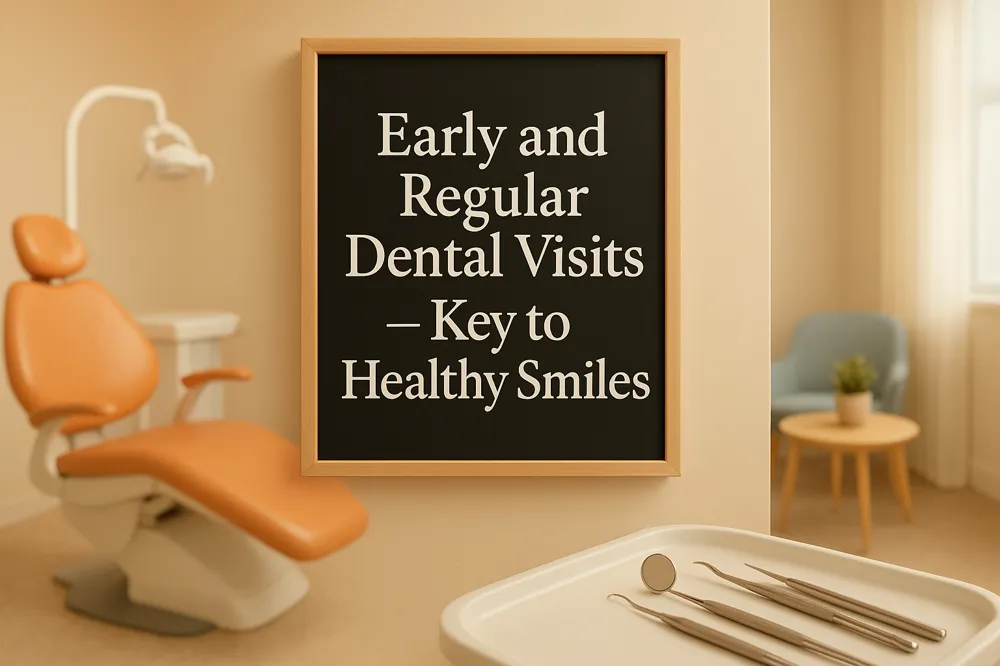
Oral care for babies starts before teeth appear, with gentle wiping babies' gums twice daily using a damp cloth to reduce bacteria. Once the first tooth erupts—typically around 6 months—care shifts to brushing twice a day for kids with a small, soft-bristled toothbrush and a smear of fluoride toothpaste . This early hygiene routine is foundational for preventing cavities in children and establishing lifelong healthy habits.
Experts recommend that a child's first dental visit timing occur by their first birthday or within six months after the first tooth erupts. This early dental appointment focuses on evaluating oral development, educating parents on proper care, and initiating preventive measures to avoid early childhood caries.
Regular dental check-ups, generally scheduled every six months, are crucial for monitoring tooth growth, detecting early signs of decay, and reinforcing oral hygiene practices. These visits help maintain oral health and prevent complications like pain and infections that can interfere with eating, speaking, and learning. For more, see Regular Dental Visits for Kids.
During dental visits, professional cleanings remove plaque and tartar buildup inaccessible by home brushing. Preventive treatments such as fluoride varnish benefits applications strengthen tooth enamel and significantly reduce cavity risk. Dental sealants for cavity prevention, especially on back molars, protect vulnerable chewing surfaces from decay for many years.
Around ages 7 to 9, early orthodontic evaluations help identify potential alignment or bite issues. Timely assessments facilitate interventions that can guide proper jaw development and reduce the need for more extensive treatment later. Read more about Early Orthodontic Assessment.
In case of dental trauma, such as knocked-out teeth, quick action including preservation of the tooth and prompt dental consultation are vital to improve outcomes and protect oral health. See recommendations for Dental Emergencies.
Maintaining a consistent schedule of dental visits beginning in infancy is essential for a child's comprehensive oral care. Early assessments and preventive treatments form the cornerstone for a lifetime of healthy smiles.
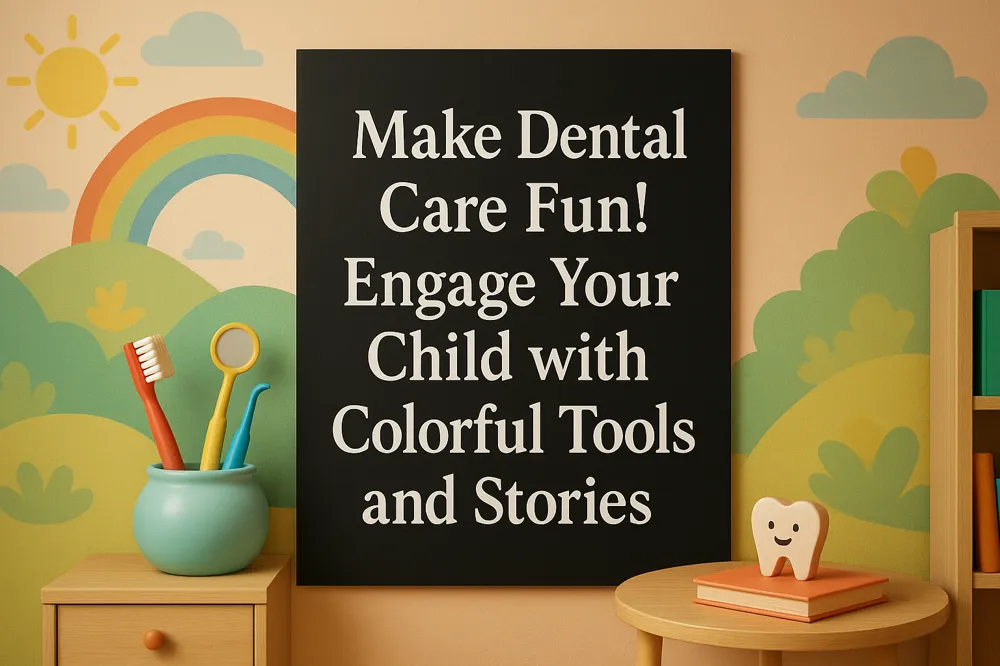
To help children enjoy their oral hygiene routine, parents can use colorful toothbrushes and turn brushing into a fun activity with games or storytelling about how to keep teeth strong and healthy. Encouraging them to brushing twice a day for kids for two minutes with fluoride toothpaste guidelines and to floss daily makes cleaning effective.
Colorful, child-friendly toothbrushes and interactive stories about fighting tooth decay in childhood can make brushing exciting. Playing music or using timers adds a playful element that keeps children engaged.
Choosing nutritious snacks like fruits and vegetables instead of sugary treats lowers Limiting sugary beverages risk like juice and soda intake further protects teeth from decay.
Drinking community fluoridated water and cavities helps strengthen teeth naturally. Using fluoride toothpaste guidelines and asking dentists about fluoride varnish benefits adds protection against cavities.
Parents should supervise and assist with brushing until children develop good skills, typically around ages 7 or 8. Establishing a consistent routine that includes brushing twice a day with fluoride toothpaste, daily flossing, and regular dental visits for kids creates healthy habits that last.
Together, these engaging activities and habits build strong oral health tips for children while making dental care an enjoyable part of their day.

Oral health is essential to children's overall well-being. Healthy teeth and gums affect a child's ability to eat nutritious food, speak clearly, and even get a good night's sleep. When children maintain good oral health early—such as brushing twice daily with fluoride toothpaste and limiting sugary foods—they are less likely to suffer from tooth decay in children.
Untreated tooth decay effects can cause significant pain and infections. These issues may lead to difficulties with eating, speaking, playing, and learning. Poor oral health can also affect a child’s self-esteem and social interactions, impacting their growth and development overall.
Oral health is closely linked to overall health. Infections in the mouth can contribute to other health problems, and poor dental care can negatively affect nutrition and communication skills, which are key to a child’s mental and physical development.
Early preventive care, such as first dental visit by first birthday, fluoride treatments, and dental sealants for cavity prevention, plays a crucial role in protecting children from cavities. Establishing a dental home early helps families receive guidance on healthy habits and timely treatment, reducing future dental problems.
Parents, pediatricians, dentists, and community programs working together ensure access to education, preventive services, and timely care. Community water fluoridation, school dental programs, and family support all contribute to healthier smiles and better overall wellness for children.
Understanding and prioritizing pediatric oral health sets the foundation for a lifetime of confident smiles, improved health, and enhanced quality of life.
Maintaining children's oral health begins with early and consistent care. Start by cleaning the baby's gums with a soft cloth even before the first tooth appears, and transition to brushing twice daily using fluoride toothpaste — a rice-sized amount for children under 3 and a pea-sized amount for older kids.
Regular dental visits should begin no later than the child’s first birthday or within 6 months of the first tooth erupting. These checkups allow professional cleanings, fluoride varnish applications, and sealant treatments that protect children's teeth from decay.
Encourage balanced diets rich in calcium and vitamins while limiting sugary snacks and beverages to reduce cavity risk. Avoid putting babies to bed with bottles containing milk or juice and avoid frequent snacking.
Parents play a pivotal role in supervising and guiding brushing and flossing habits until children develop the skills to perform them independently around ages 7 or 8. Partner regularly with your child's dental professionals to monitor growth, apply preventive treatments, and receive personalized advice.
By instilling these dental habits early and ensuring professional care, parents help pave the way for a lifetime of healthy smiles, free from pain, infections, and associated problems that untreated dental issues can cause.