Even more knowledge

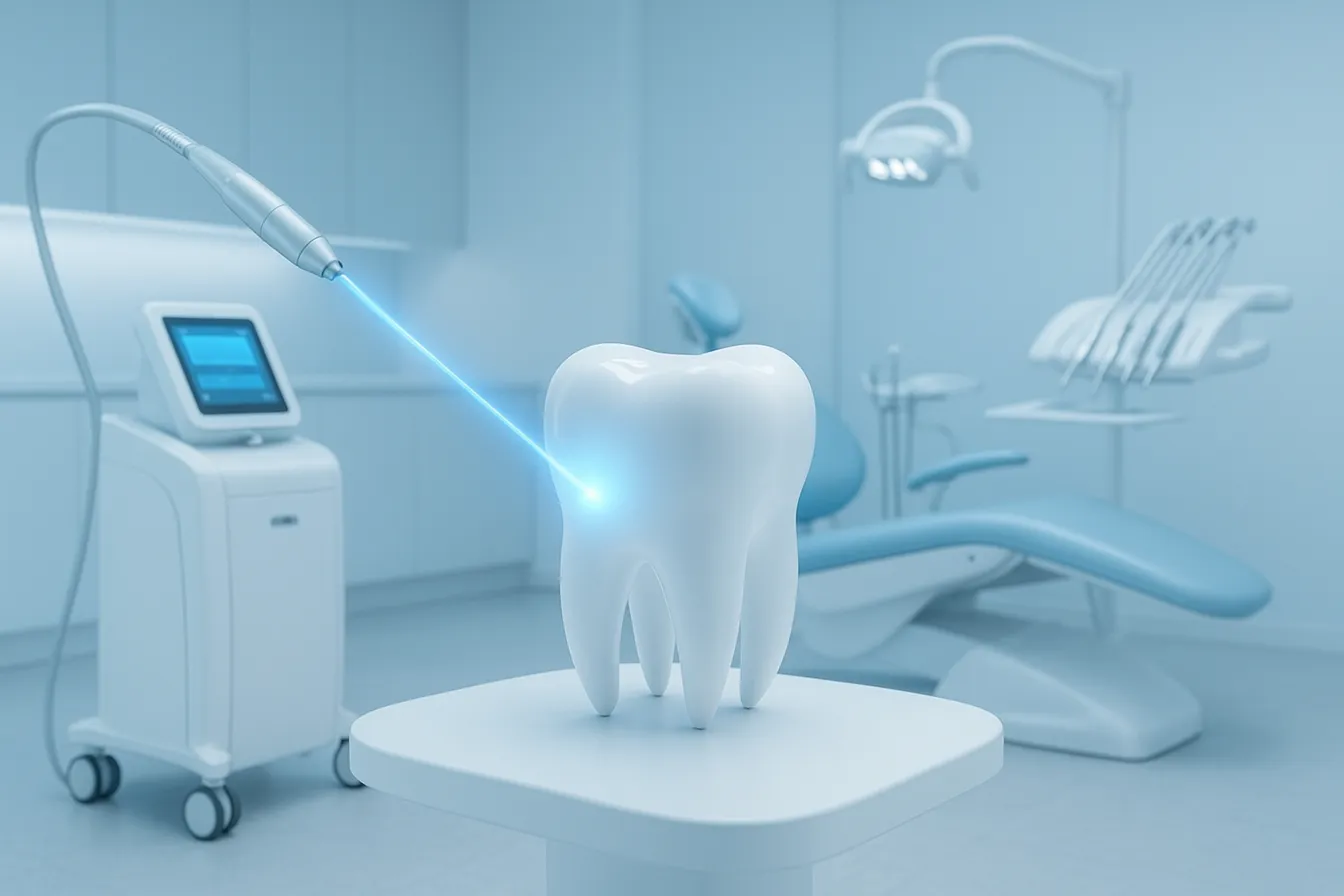
Laser dentistry involves using focused light energy to perform a variety of dental procedures with high precision. This modern technique applies concentrated laser beams to targeted areas in the mouth, helping to treat conditions ranging from cavities and gum disease to teeth whitening and soft tissue reshaping. By utilizing advanced laser technology, dentists can perform less invasive procedures that reduce discomfort and improve healing.
The foundation of laser technology dates back to the 1960s, with its initial medical applications expanding into dentistry by the 1990s. Since then, dental lasers have evolved significantly, incorporating types such as erbium, diode, and CO2 lasers. These developments have allowed practitioners to use lasers effectively for both hard tissue (teeth and bone) and soft tissue (gums and oral mucosa) treatments, transforming dental care into a more precise and patient-friendly experience.
Compared to traditional dental techniques, laser dentistry offers numerous benefits. It minimizes the need for anesthesia, reduces bleeding and swelling by sealing blood vessels during procedures, and preserves surrounding healthy tissue. Patients often experience less pain and anxiety, with faster recovery times and fewer complications. Additionally, laser treatments typically shorten procedure durations and encourage better long-term outcomes, making laser dentistry an increasingly popular choice for both preventive and therapeutic dental care.
Laser dentistry overview uses specialized lasers tailored to either soft tissues (gums and oral mucosa) or hard tissues (teeth and bone).
| Laser Type | Application | Specific Use |
|---|---|---|
| Erbium (Er:YAG, Er,Cr:YSGG) | Hard tissue | Cavity removal, bone surgery, root canal sterilization |
| Diode | Soft tissue | Gum contouring, periodontal treatments, frenectomy |
| Nd:YAG | Soft tissue | Treating gum disease, sterilization, coagulation |
| CO2 | Soft tissue | Lesion removal, gingival surgeries, reshaping |
Lasers are not limited to tissue cutting; newer applications use low-level laser therapy (Photobiomodulation (PBM) in dentistry) to promote healing, reduce inflammation, and alleviate pain after procedures. Specific laser-assisted protocols include:
These advances have expanded the scope of Laser Dentistry in Veneta and Eugene, OR, improving Laser Assisted Dentistry, comfort, and clinical results across a broad range of dental treatments.
Laser dentistry overview stands out for its enhanced Precision in Dental Procedures allowing dentists to target only affected areas while preserving healthy tissue. This leads to more effective and accurate treatments with minimal collateral damage. The technology also promotes faster healing by reducing tissue trauma and improving blood clotting during procedures. Another significant advantage is the sterilization of the treatment area by the laser, which lowers the risk of post-procedure infection.
Beyond clinical benefits, Reducing anesthesia with lasers through less invasive techniques that typically require less or no anesthesia. Fewer complications like bleeding and swelling help speed recovery and minimize aftercare needs. This approach covers a broad range of treatments, including Laser removal of dental decay, Laser gum reshaping benefits, and Periodontal therapy with laser technology, often allowing completion in fewer visits.
Laser-assisted cavity removal is generally much less painful than traditional drilling methods. The laser precisely removes decayed material without the vibrations, noise, or pressure associated with drills. Many patients report little to no pain during laser procedures, which often eliminates the need for injection-based anesthetics and reduces dental anxiety. Post-treatment, patients usually experience minimal swelling or bleeding, resulting in a more comfortable recovery.
Compared to traditional dental drills, Minimally invasive dental treatments that preserve more healthy tooth and gum tissue. Laser treatments cause significantly less bleeding and swelling, and they often require shortened healing periods. The ability to disinfect and sterilize tissues during procedures also prevents infections and promotes better long-term oral health outcomes.
While traditional drills may still be necessary for certain complex cases, laser technology excels in procedures such as Early cavity detection with lasers, gum therapy, and cosmetic reshaping. Its patient-centered advantages include less pain, reduced anesthesia use, and faster return to everyday activities. However, laser dentistry may involve higher initial costs due to advanced equipment and specialized training.
Laser dentistry benefits is often favored by patients with dental anxiety because treatments are quieter, gentler, and less intimidating than drills or scalpels. The decreased pain and shorter recovery times reduce overall treatment stress, making dental visits more positive experiences. This technology supports a kinder approach to oral care, improving patients’ willingness to seek timely dental treatments.
Laser dentistry is versatile and suitable for multiple treatments, including:
Many dental practices now incorporate Advanced laser technology in dentistry to enhance treatment outcomes and patient satisfaction, reflecting its growing role in Laser dentistry overview across the United States.
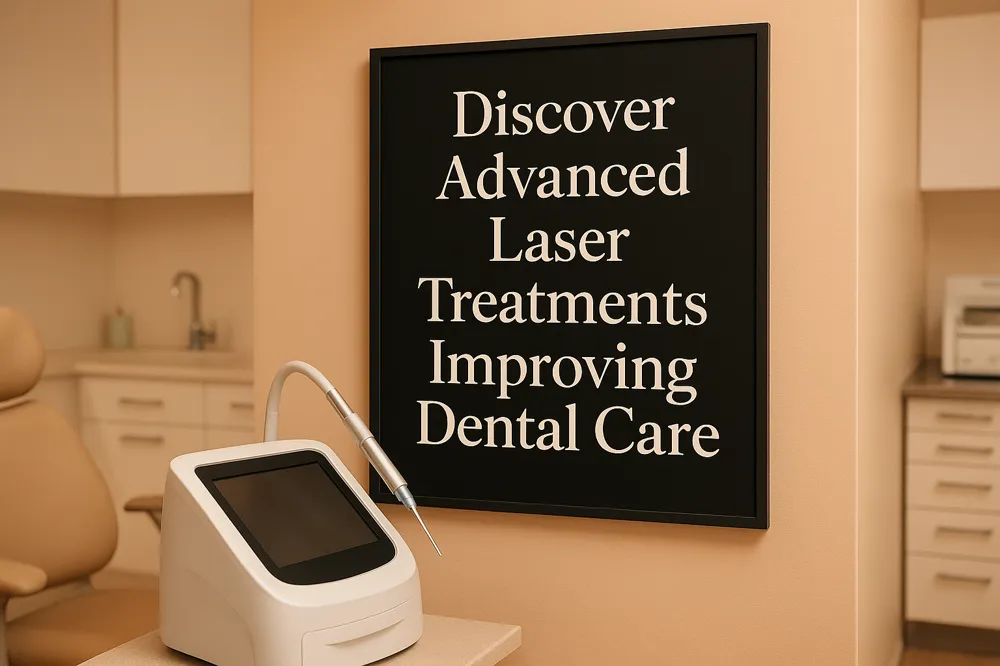
Laser technology in dentistry enhances a wide range of treatments. It is used for Laser cavity detection and treatment, periodontal therapy with laser technology, Laser Assisted Dentistry, root canal disinfection by laser, and Laser Teeth Whitening. Lasers enable dentists to target affected areas with high precision, reducing damage to healthy tissue and promoting faster healing.
Advanced periodontal treatments like LANAP for Periodontal Disease and LAPIP for Dental Implant Infections rely on Laser Dentistry in Veneta and Eugene, OR. LANAP removes diseased tissue and bacteria from deep periodontal pockets, promoting healing with minimal invasiveness. LAPIP treats infections around dental implants, sterilizing and removing infected tissue to support improved recovery.
Laser Gum Reshaping using lasers reshapes gum tissue to enhance aesthetics and oral function. This Minimally invasive laser dental procedures precisely removes excess or uneven gums, resulting in less bleeding, swelling, and infection risk compared to traditional methods. Patients often see immediate cosmetic benefits with a quicker recovery timeline.
Laser Gum Reshaping using lasers generally produces permanent results. The laser precisely removes undesired tissue, minimizing trauma and allowing healthy gums to remain stable. Full healing usually occurs within a week, and the treated gum tissue does not typically grow back, offering lasting improvements to the smile.
Lasers accelerate Teeth whitening with laser technology treatments by activating bleaching agents more effectively and evenly. They also play a critical role in Bacterial reduction by lasers by sterilizing treatment areas such as periodontal pockets or root canals, lowering infection risk and promoting faster healing.
Laser Assisted Dentistry reduce bleeding, swelling, and damage to healthy soft and hard tissues by precisely targeting only affected areas. They also stimulate natural repair processes, promoting tissue regeneration through Photobiomodulation Therapy. This Minimally invasive dental care leads to less postoperative discomfort and quicker patient recovery.
| Treatment Area | Laser Application | Benefits |
|---|---|---|
| Periodontal Therapy | LANAP, LAPIP for diseased tissue removal | Minimal invasiveness, faster healing |
| Gum Contouring | Precise tissue reshaping | Less bleeding, quicker recovery |
| Teeth Whitening | Activation of bleaching agents | Faster, more effective whitening |
| Bacterial Reduction | Sterilization of pockets and root canals | Reduced infection risk |
| Tissue Regeneration | Photobiomodulation promoting healing | Enhanced recovery and less discomfort |
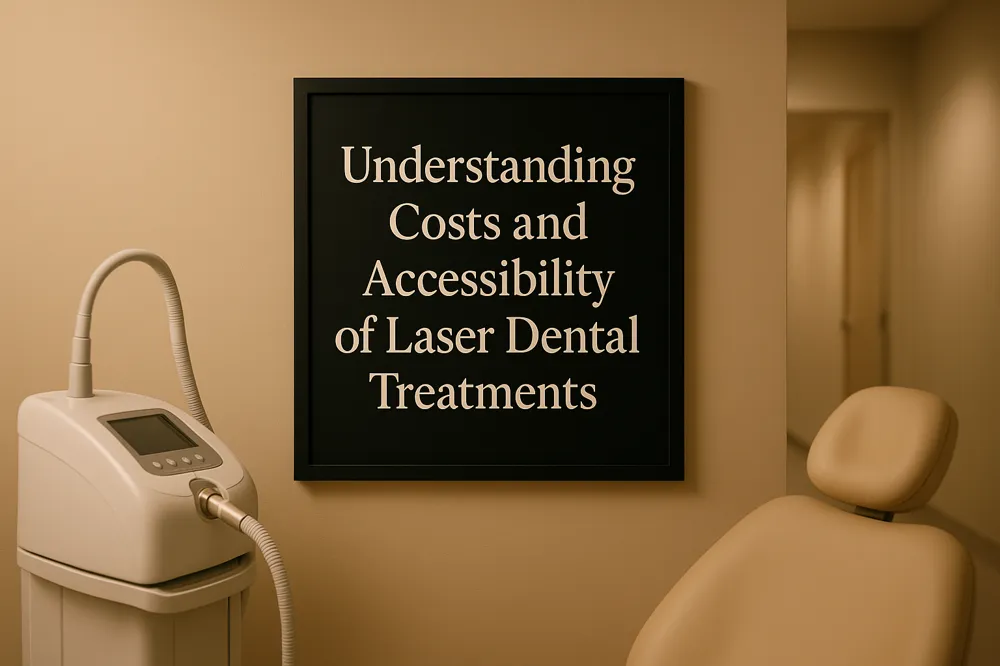
Laser Dental Procedures, especially Laser Treatments for Cavities and Gum Disease, offer significant benefits like precise targeting of diseased tissue, Reduced Bleeding and Swelling, and Faster healing with laser treatments. These features make treatments less invasive and more Comfort in Dentistry compared to traditional options. Patients often report Minimized Discomfort and quicker recovery times. Despite these advantages, laser dentistry might not suit all cases, particularly severe gum disease that requires more extensive intervention. While the upfront cost may be high, the improved clinical outcomes and patient comfort often justify the investment.
Laser dentistry generally comes with a higher price tag due to advanced equipment and the need for specialized training. Soft tissue laser treatments can range from $200 to $400 per session, while intensive procedures like LANAP for periodontal therapy can cost up to $4,000 per quadrant. Although these costs seem steep, many patients find laser treatments more Cost-effectiveness of laser treatments over time as they typically require fewer follow-up visits and facilitate faster healing. Most dental insurance plans in the U.S. have begun to cover laser treatments, helping to offset these expenses.
Insurance coverage for laser teeth cleaning varies widely depending on the plan. Traditional cleaning procedures are usually covered, whether done conventionally or with laser technology. However, specific laser-assisted components like laser bacterial reduction may not always be included. Coverage depends on factors such as plan type (PPO vs. HMO) and network status of the dental provider. It’s essential for patients to consult their dental insurance to confirm coverage and understand any potential out-of-pocket expenses. For Insurance and laser dentistry in the U.S., always verify with your provider beforehand.
The high cost of laser equipment—ranging from $10,000 up to $80,000—and the need for specialized training can limit the availability of laser dentistry in some practices. This may affect accessibility, especially in smaller or rural clinics. The Cost and training challenges for dental lasers are key factors for consideration.
Patients interested in laser dentistry should discuss treatment plans, costs, and insurance coverage with their dental providers. They are advised to verify coverage details with their insurance companies beforehand to avoid unexpected expenses. Choosing a dentist with proper training and experience in laser dentistry ensures safe and effective treatments, reflecting best US Clinical Standards in Dentistry.
| Aspect | Details | Impact on Patient |
|---|---|---|
| Cost Range | $200-$400 per soft tissue treatment; up to $4,000 per quadrant for periodontal therapy | Higher upfront cost, potential savings over time |
| Insurance Coverage | Varies by plan; conventional cleaning covered, laser-specific added costs sometimes not | Patients need to verify before treatment |
| Equipment & Training | Expensive machines and specialized skills are required | May limit availability in some locations |
| Benefits | Less pain, Faster healing with laser treatments, fewer visits | Justifies investment for many patients |
Laser dentistry is rapidly becoming a central feature in dental practices across the United States, thanks to its precision and patient comfort advantages. This field not only offers minimally invasive treatments but also aligns with advancing trends toward more gentle and patient-friendly care.
Successful laser dental treatments depend heavily on the expertise of trained practitioners. Patients are encouraged to seek dentists who have specialized training in laser dentistry to maximize benefits and outcomes. Education and consultation play vital roles in helping patients feel comfortable and informed about these advanced procedures.
Continuous innovations in laser technology promise even greater precision, reduced procedure times, and enhanced healing experiences. As devices improve and become more affordable, laser dentistry is expected to become accessible to a broader population, fostering improved oral health outcomes.
The patient-centered care model championed by Gentle Dentistry of Staten Island perfectly complements the benefits offered by laser technology. Their focus on comfort, minimizing pain, and reducing anxiety in patients harmonizes with the gentle, minimally invasive approach laser treatments provide, ensuring a positive dental experience for all ages.