Even more knowledge

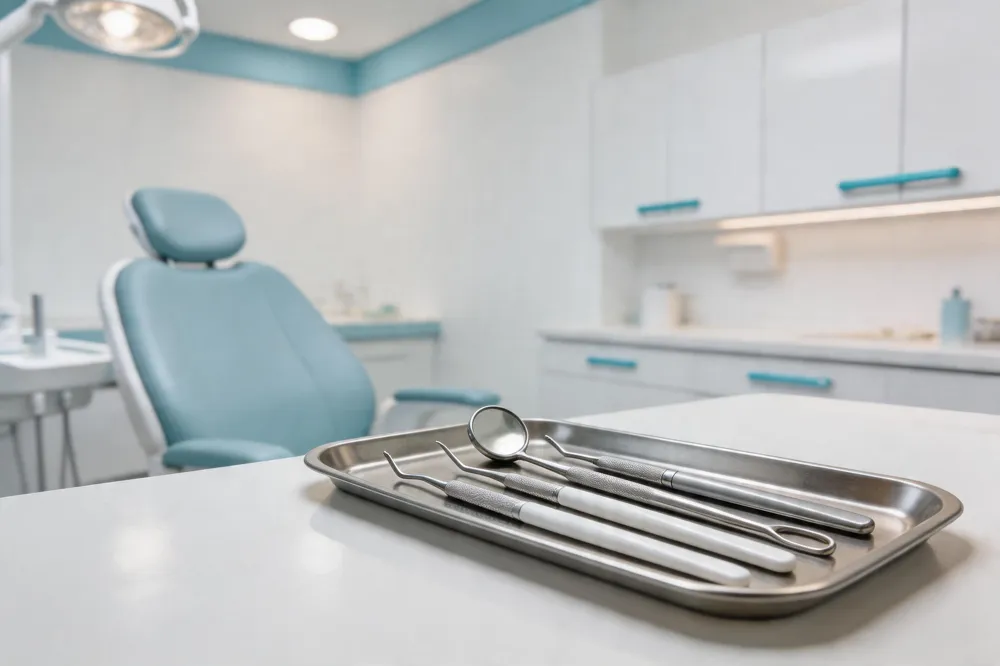
Daily oral‑care habits are the cornerstone of long‑lasting dental restorations. Brushing twice a day with a soft‑bristled brush and fluoride toothpaste removes plaque that would otherwise attack the margins of crowns, bridges, fillings and implants, while daily flossing or interdental cleaning reaches areas a brush cannot. These simple steps dramatically lower the risk of secondary decay, gum inflammation and peri‑implantitis, conditions that often lead to costly repairs or replacement. At Gentle Dentistry, the patient‑centered philosophy translates this evidence into personalized routines: clinicians assess each restoration, recommend non‑abrasive products, and teach gentle techniques that protect delicate materials. By integrating these modest habits, patients safeguard their investments and avoid expensive interventions. Through regular check‑ups and professional guidance for optimal results and peace of mind.

Maintaining restorative dental work depends on a disciplined oral‑hygiene routine. A soft‑bristled toothbrush with fluoride toothpaste should be used twice daily for at least two minutes, employing gentle circular motions that clean all surfaces and the tongue. This removes plaque that can cause secondary caries around crowns, bridges, fillings, and implants.
Importance of oral hygiene in daily life
Consistent brushing and daily flossing eliminate plaque—the primary trigger of cavities, gum disease, and infection. Healthy gums preserve the bone support for restorations, preventing loosening or failure, and reduce systemic inflammation linked to heart disease, diabetes, and other serious conditions.
Oral hygiene routine order
5 ways to take care of your teeth
Dental health tips for adults
Use a fluoride mouthwash, stay hydrated, chew sugar‑free gum after meals, quit tobacco, and wear a mouthguard during sports. Promptly report any pain, looseness, or sensitivity to your dentist.
Oral health is a mirror to general health
The mouth reflects systemic health; inflammation can seed bacteria into the bloodstream, increasing risks of cardiovascular disease and other illnesses. Good oral care thus safeguards both your smile and overall well‑being.

Routine dental examinations and periodic X‑rays let the dentist assess the fit of crowns, bridges and implants and spot hidden decay before it compromises the restoration. Between visits, brush twice daily with a soft‑bristled toothbrush and fluoride toothpaste, Daily flossing (or using interdental brushes) to keep plaque away from marginal areas, and rinse with an alcohol‑free antibacterial mouthwash. Avoid extremely hard foods such as ice, hard candy, nuts in shells, and popcorn, and steer clear of sticky foods like caramel, taffy, and chewing gum. For patients with bruxism, a custom nightguard absorbs grinding forces and protects the work from chips, fractures or loosening. Early detection of wear, chips, rough edges, or gum irritation via regular check‑ups enables prompt repair and extends the lifespan of the restoration.
How to make crowns last a lifetime?
Dental health and wellness Good oral health supports overall systemic health. Regular professional cleanings, personalized preventive plans, and daily home care reduce plaque, prevent gum disease and protect restorations, contributing to a healthier body and a confident smile.

The 3‑3‑3 brushing rule is a simple, robust guideline for oral hygiene. It advises brushing three times a day, spending about three minutes per session, and then waiting at least three hours before consuming acidic foods or drinks—especially before bedtime. This routine maximizes plaque removal, protects enamel, and reduces the risk of cavities and gum disease.
Three core habits for dental care that support the rule are:
Additional ten‑point checklist for healthy teeth includes:

Keeping the extraction site clean while protecting the blood clot is essential to prevent dry socket. Begin gentle warm salt‑water rinses (½ tsp salt in 8 oz water) 24 hours after surgery, repeating 2–3 times daily to reduce bacterial load without dislodging the clot. Avoid suction, vigorous swishing, spitting, or using a straw for the first few days, as the negative pressure can pull the clot away. Brush your remaining teeth and tongue as usual, but steer clear of the socket area and use a soft‑bristled brush with gentle motions. Refrain from smoking and alcohol consumption, both of which impair healing and increase the risk of clot loss. If your dentist permits, an alcohol‑free antibacterial mouthwash may be introduced after the initial 24‑hour period for added protection. Follow any additional post‑operative instructions to ensure optimal healing and avoid dry socket formation.

Dental hygienists play a vital supporting role in restorative dentistry. In many states they may place fluoride varnish, sealants, and interim therapeutic restorations (ITRs) after completing a state‑approved certificate and working under a dentist’s supervision. Some jurisdictions also allow certified hygienists to place, carve, and finish small composite or amalgam fillings and temporary crowns, but permanent crowns, bridges and complex fillings remain the exclusive domain of licensed dentists.
Trusted oral‑health information comes from the American Dental Association (ADA) and the CDC’s Oral Health portal, both of which offer evidence‑based guidelines, printable fact sheets, and multilingual resources. Additional reliable sources include the National Institute on Aging, dental‑school outreach sites, and professional societies such as the American Association of Dental Hygienists.
Oral‑health practices have ancient roots: chew‑sticks and herbal powders were used around 7000 B.C., early toothbrushes appeared in Tang‑Dynasty China, and modern advances—anesthesia, X‑rays, nylon bristles, and electric brushes—have transformed preventive care into today’s evidence‑based, patient‑centered approach.
Maintain restorations by brushing twice daily with a soft‑bristled brush and fluoride paste, flossing every day (or using interdental brushes or a water flosser) to clear plaque from margins, and rinsing with an alcohol‑free antibacterial mouthwash. Avoid hard, sticky, or acidic foods that can chip, loosen, or erode crowns, bridges, fillings, and implants, and wear a nightguard if you grind. Schedule cleanings and examinations every six months at Gentle Dentistry of Staten Island, where Dr. Sterling and Dr. Skurnick use technology to detect wear and reinforce gum health. By adopting these habits you protect your smile and extend the life of every restoration.