Even more knowledge

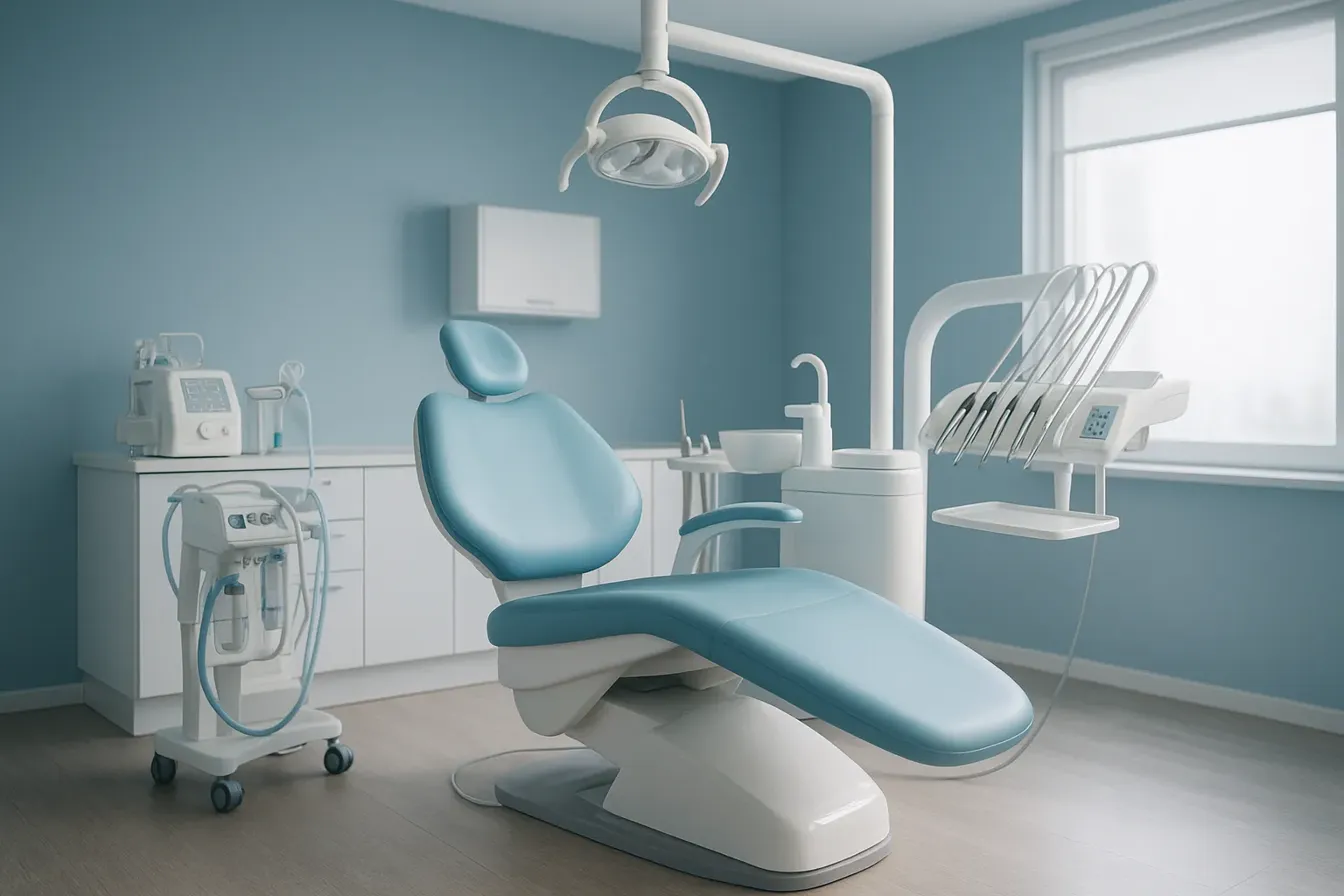
Patient comfort is a crucial aspect of dental care, significantly influencing treatment success and recovery experiences. Comfortable patients are more cooperative, experience less stress, and typically have smoother procedures and quicker recoveries. In dentistry, reducing discomfort not only improves patient satisfaction but also encourages regular visits and adherence to oral health routines.
Anxiety related to dental procedures can cause physical and psychological distress, potentially leading to avoidance of essential care. Pain, both anticipated and experienced, intensifies this fear and can complicate treatment. High anxiety can impact vital signs and make patients less cooperative, which may increase complication risks and prolong treatment times.
Anesthesia is vital in managing pain and anxiety during dental procedures. Local anesthesia techniques, such as infiltration and nerve blocks, effectively numb specific areas, preventing pain. For anxious or complex cases, sedation methods like nitrous oxide, oral sedation, IV sedation, and general anesthesia are employed to ensure patient relaxation and pain control. Advances in anesthesia delivery—including computer-assisted systems and needle-free options—enhance patient comfort further by minimizing discomfort and fear. These approaches support safer, more tolerable treatments and better overall dental experiences in the United States.
Dental anesthesia ensures pain-free and comfortable dental treatments by numbing or sedating patients according to procedure needs. For more information, see dental anesthesia techniques.
Local anesthesia is the most widely used method, involving the injection of anesthetic agents near specific nerves supplying the oral cavity. Common agents include lidocaine and articaine, often combined with adrenaline to prolong effects. Techniques vary by area: infiltration anesthesia is typically used for the maxilla because of its porous bone, while block anesthesia is preferred for the mandible, such as the inferior alveolar nerve block (IANB). Supplemental injections like intraligamentary and intraosseous can improve success in difficult cases. Detailed discussion on these methods is available in Local anesthesia in dentistry.
Sedation ranges from minimal to deep sedation based on procedure complexity. Nitrous oxide (laughing gas) provides mild sedation and quick recovery. Oral sedation involves pre-procedure medication to ease anxiety, while intravenous (IV) sedation offers moderate to deep sedation with precise control, ensuring patients remain relaxed or semi-conscious. These methods improve patient comfort, reduce anxiety, and facilitate longer or more complex procedures. Learn more about these advances in Modern sedation techniques in dentistry.
General anesthesia induces complete unconsciousness and is reserved for extensive dental surgeries, such as major oral and maxillofacial operations. It requires advanced monitoring and airway management and is performed only by trained professionals in controlled settings to ensure safety. Guidelines and practices can be reviewed in Anesthesia used in dentistry.
Dentists customize anesthesia choice by assessing patient anxiety levels, medical history, and procedure invasiveness. For routine work, local anesthesia suffices. Sedation options aid anxious or special-needs patients, while general anesthesia is for complex surgeries. Innovations like computer-controlled delivery and needle-free injection are emerging to enhance precision and comfort further. For a summary of anesthesia personalization and recent innovations, see Advances in anesthesia techniques and So many dental anaesthesia techniques - what to choose?.
| Anesthesia Type | Method | Typical Use Case |
|---|---|---|
| Local Anesthesia | Nerve blocks, infiltration | Routine dental procedures, minor surgeries |
| Nitrous Oxide | Inhaled sedation | Mild sedation, anxiety management |
| Oral Sedation | Oral medication | Moderate anxiety, longer treatments |
| IV Sedation | Intravenous drug administration | Complex procedures, patient comfort |
| General Anesthesia | Induced unconsciousness | Extensive oral/maxillofacial surgeries |
Dental anesthesia has seen remarkable technological innovations aimed at improving patient comfort under anesthesia and procedural safety. One of the significant advancements is the introduction of computer-assisted sedation technology. Devices like The Wand and Single Tooth Anesthesia (STA) enable dentists to administer local anesthetics with precise control over flow rate and pressure. This controlled delivery reduces discomfort and improves the accuracy of numbing, especially in sensitive areas.
Needle-free injection systems have also emerged to address patient fear and pain associated with traditional needles. Jet-Injectors use a high-pressure stream to deliver anesthetic medication transdermally, eliminating the need for needles altogether, which helps reduce anxiety and enhance patient acceptance.
Laser dentistry represents another transformative approach by minimizing the need for anesthesia during soft-tissue treatments. Lasers can perform procedures with less bleeding and swelling, often allowing patients to avoid traditional injections. This less invasive option contributes to quicker healing and increased comfort.
Additionally, the development of personalized anesthetic programs tailored to individual patient genetics and medical history has improved both safety and efficacy. Enhanced monitoring technologies track patient responses during sedation, allowing real-time adjustments and minimizing side effects. Sedation options like nitrous oxide sedation and oral sedation complement these advancements, especially for anxious patients, ensuring a calm and pain-free experience.
These combined innovations—computerized delivery, needle-free options, laser techniques, and personalized care—are revolutionizing sedation dentistry innovations in the US, making treatments more comfortable and accessible.
The trigeminal nerve, which splits into maxillary and mandibular branches, is responsible for sensory innervation of the oral cavity. The mandibular branch supplies sensation to the lower jaw, including teeth, gums, and associated soft tissues. Understanding the anatomical landmarks in this region is crucial for effective Local anesthesia in dentistry.
Local anesthesia in dentistry typically involves infiltration for maxillary teeth and nerve blocks for the mandible due to dense bone. The Inferior alveolar nerve block (IANB) is the most commonly used mandibular block but has variable success and a known failure rate.
The Fischer 1-2-3 technique is a precise method for mandibular anesthesia focusing on five key anatomical landmarks—external oblique ridge, coronoid notch, pterygomandibular raphe, apex of the buccal fat pad, and retro-molar pad. This technique guides clinicians to correctly position the needle near the mandibular foramen, improving the success rate of IANBs and reducing complications like nerve injury or incomplete anesthesia.
The IANB success rates generally range between 80-85%, but anatomical variations such as bifid mandibular canals or accessory nerve innervation can cause failure. Alternative approaches like the Gow-Gates or Vazirani-Akinosi techniques may be required in these cases to achieve profound anesthesia.
Complications from local anesthesia include allergic reactions, hematoma, nerve injury, and systemic toxicity. Proper patient assessment, knowledge of anatomy, and careful technique are essential to minimize risks. The use of vasoconstrictors like adrenaline prolongs anesthetic effect but requires caution in patients with cardiovascular issues.
| Aspect | Detail | Importance |
|---|---|---|
| Nerves targeted | Mandibular branch of trigeminal nerve | Provides lower jaw sensation |
| Common Technique | Inferior alveolar nerve block (IANB) | Widely used mandibular block |
| Fischer 1-2-3 Technique | Landmarks-based approach for accurate needle placement | Improves efficacy and reduces complications |
| Success Rates | IANB: ~80-85%; variants may need alternative techniques | Addresses anatomical variability |
| Complications | Allergies, nerve injury, hematoma, systemic toxicity | Patient safety and procedure success |
| Safety Measures | Patient assessment, cautious use of adrenaline | Minimizes adverse effects |

Dentistry in the U.S. mainly uses several local anesthesia in dentistry: lidocaine, articaine, mepivacaine, and bupivacaine. Lidocaine remains the most widely used, known as the gold standard for dental anesthesia techniques. Articaine is favored for its superior diffusion through dense bone, especially useful for mandibular infiltrations. Mepivacaine is an alternative without epinephrine and is often chosen for patients with cardiovascular concerns. Bupivacaine is reserved for longer-lasting anesthesia, such as extended procedures or cases requiring post-operative pain management.
Bupivacaine 0.5%, typically combined with epinephrine 1:200,000, is the strongest and longest-lasting anesthetic, providing numbness that can last 90 minutes or more. Lidocaine with epinephrine 1:100,000 offers effective anesthesia with a moderate duration, suitable for most dental treatments. Articaine enables better bone penetration and fast onset but should be used cautiously for nerve blocks to avoid nerve injury. Mepivacaine has a shorter duration and is useful in situations where vasoconstrictors are contraindicated.
All anesthetics have a strong safety profile when administered correctly. Lidocaine is preferred for its balanced efficacy and safety, while articaine’s risk of nerve injury has led to caution in its use for certain block techniques. Mepivacaine is ideal for patients with contraindications to epinephrine. Bupivacaine’s longer duration requires careful patient monitoring due to potential cardiotoxicity. Patient factors like cardiovascular disease, allergies, pregnancy, and bleeding disorders guide anesthetic choice.
Vasoconstrictors such as adrenaline (epinephrine) are commonly added to prolong anesthetic action and reduce systemic absorption. However, they are used cautiously in patients with cardiovascular issues, pregnant women, elderly patients, and those on bleeding treatment. Selecting the appropriate anesthetic and vasoconstrictor combination is vital to optimize patient safety and comfort.
The strongest commonly used anesthetic in dentistry is Bupivacaine 0.5% with a 1:200,000 epinephrine concentration. It provides extended anesthesia suitable for longer dental procedures and post-operative pain control. Despite its potency, lidocaine with epinephrine remains the preferred agent in most U.S. dental practices due to its proven safety and versatility.
| Anesthetic Agent | Potency & Duration | Common Use Cases | Safety Considerations |
|---|---|---|---|
| Lidocaine | Moderate duration (~60-90 min) | General dental anesthesia | Widely safe, standard choice |
| Articaine | Fast onset, good bone penetration | Mandibular infiltrations, maxillary procedures | Caution in nerve blocks due to nerve injury risk |
| Mepivacaine | Shorter duration, no epinephrine | Patients sensitive to vasoconstrictors | Good alternative when epinephrine contraindicated |
| Bupivacaine | Long-lasting (90+ minutes) | Prolonged procedures, post-op pain management | Requires monitoring for cardiotoxic effects |

Promoting patient comfort under anesthesia during dental procedures goes beyond anesthesia to include a range of thoughtful approaches.
Ensuring the dental environment is clean and free of unpleasant odors helps patients feel more at ease. The treatment space can be made more calming by using soft, neutral colors and maintaining a quiet setting.
Clear, compassionate communication is crucial. Techniques like AIDET (Acknowledge, Introduce, Duration, Explanation, Thank you) build trust and alleviate anxiety by keeping patients informed about what to expect.
Introducing personalized comfort items, such as warming dental blankets or providing headphones for music, helps patients relax emotionally and physically. Using music to improve anesthesia experience itself is an effective tool to reduce stress and create a peaceful atmosphere.
Additionally, including family members or companions in the care process provides emotional reassurance. Their presence can reduce feelings of isolation and fear during procedures.
Together, these environmental and interpersonal strategies complement anesthesia by creating a holistic, patient-centered anesthesia approach that improves comfort and safety during dental care.
comfort care in oral and maxillofacial surgery is a personalized nursing method that addresses patients' physical, psychological, and social needs throughout the perioperative period. It incorporates strategies such as psychological support in comfort care, patient education and recovery outcomes, and environmental management for recovery to foster well-being beyond simply managing pain.
Implementing comfort care techniques has been shown to reduce recovery times and minimize complications after oral and maxillofacial surgeries under general anesthesia. Patients typically require lower doses of analgesics and spend less time in recovery rooms. Moreover, hemodynamic stability through comfort care and reducing extubation-related complications contribute to better outcomes.
Addressing patient anxiety is paramount and can be achieved through reassurance and communication before procedures, as well as soothing interventions such as using music to improve anesthesia experience. These measures enhance patient comfort under anesthesia, contributing to smoother surgical experiences and improved recovery.
Modern anesthesiology employs innovations in anesthesia monitoring to track patient vitals closely, allowing for immediate intervention if needed. Multimodal pain relief strategies combining non-opioid medications and regional anesthesia techniques (like nerve blocks), effectively control pain, reduce opioid consumption, and accelerate recovery in surgical patients.
Effective collaboration between anesthesiologists, surgeons, and nursing staff ensures that anesthesia plans are tailored to the individual patient’s health status and surgical needs. Open communication in anesthesia teams and personalized anesthetic programs facilitate the adoption of evidence-based practices and enhance patient safety by reducing delays and cancellations, ultimately improving outcomes.
Dental anesthesia continues to evolve with innovations such as computer-controlled delivery systems, needle-free options, and newer drug formulations. These advances aim to enhance precision, reduce discomfort, and improve safety during dental procedures.
Tailoring anesthesia based on individual patient genetics and specific needs is becoming increasingly important. Personalization helps optimize drug selection and dosage, reducing risks and improving patient outcomes.
Ongoing research and education are pivotal to maintaining high standards in anesthesia care. Efforts focus on integrating the latest technologies and evidence-based practices to enhance patient safety and comfort.
The future vision includes treatments that eliminate pain and anxiety, encouraging routine dental care and better oral health. Innovations supporting this goal make dental visits more accessible and less stressful for all patients.