Even more knowledge

Dental trauma refers to injuries affecting the teeth, gums, jawbone, or the soft tissues inside the mouth. These injuries can include chipped, cracked, loosened, displaced, or knocked-out teeth, as well as cuts and bruises to the lips, cheeks, and gums.
Dental trauma most commonly happens due to falls, sports injuries, vehicle accidents, or physical altercations. Children often sustain injuries from playground falls or contact sports, while adults may experience more complex injuries related to motor vehicle collisions or violence. The most frequent dental injuries include:
Prompt action and professional care following dental trauma are critical. Immediate treatment can save teeth that have been knocked out or injured, reduce pain, lower infection risk, and prevent long-term damage such as tooth loss or misalignment. For example, reimplanting a knocked-out tooth within 30 minutes greatly increases the chance of successful healing. Without urgent dental care, complications like nerve damage or infection can occur, underscoring the importance of quick intervention to maintain oral health and function.

When dental trauma happens, your first step should be to quickly assess how serious the injury is. If there is heavy bleeding, significant swelling, or a knocked-out adult tooth (avulsed tooth), you need to seek urgent professional care right away.
Begin by gently checking the mouth for bleeding and broken teeth without poking or moving the injured parts. If bleeding is severe or will not stop after applying light pressure with sterile gauze or a clean cloth for 10 to 15 minutes, call emergency services or go to the hospital (Applying Pressure to Control Dental Bleeding).
For bleeding, hold gentle pressure on the wound with clean gauze. To reduce swelling and pain, apply a cold compress or ice pack to the outside of the cheek in intervals of 10 to 15 minutes.
If a tooth is knocked out, handle it carefully by the crown (avoid touching the root). Rinse it gently with water without scrubbing. Try to reinsert the tooth in its socket if possible—only if you are comfortable doing so. If not, place the tooth in a container with milk, saliva, or saline solution to help keep it alive until you can get medical attention (What to do with knocked-out teeth, Using dental floss safely, How to Safely Rinse and Store a Knocked-Out Tooth.
The best preservation media include milk and saliva because they maintain moisture and promote cell survival better than water. Keeping the tooth moist is critical—dry storage dramatically reduces the chance of successful reimplantation. Ideally, see a dentist within 30 minutes for the best outcomes (Storing knocked-out teeth in milk or saliva, Preserving a knocked-out tooth).
For cuts or bruises to lips, gums, or cheeks, gently rinse the mouth with warm salt water to clean the area. Apply pressure to control bleeding and use cold compresses to ease swelling.
If a dental appliance like braces or wires is damaged, avoid sharp edges by covering them with dental wax temporarily and schedule an urgent orthodontic consultation.
Immediate, calm, and proper care at home can protect your teeth and minimize complications until professional help is available (Managing dental trauma).
A trauma dentist is a specialist trained to diagnose and treat dental injuries caused by accidents, sports, or other traumatic events. They manage injuries like chipped, cracked, dislodged, or knocked-out teeth. Their goal is to provide urgent care that preserves the affected tooth and oral function. Learn more about Dental trauma overview.
Trauma dentists and oral and maxillofacial surgeons work together to treat complex dental and facial injuries. Oral surgeons handle severe facial trauma, including jaw fractures and soft tissue injuries, often stabilizing broken bones with plates and screws. Trauma dentists focus on dental structures, performing procedures such as tooth reimplantation and root canal therapy. See details on Facial trauma treatment and Role of trauma dentists and oral surgeons.
Immediate professional care may include:
Quick dental assessment is vital to prevent complications like infection or tooth loss. Imaging techniques like digital X-rays, panoramic X-rays, or CT scans help evaluate the extent of injury to teeth and facial bones. Early diagnosis guides appropriate treatment plans and improves outcomes. Explore Advanced diagnostic technology and Imaging for dental trauma assessment.
Serious dental injuries accompanied by facial trauma or infections affecting breathing or swallowing require immediate hospital care. Specialists manage airway safety, control bleeding, repair lacerations, and prevent infection with antibiotics. Collaboration between emergency, surgical, and dental teams ensures comprehensive treatment. Reference Oral and maxillofacial surgeon referral and Facial trauma treatment.
These approaches in the US aim to provide advanced, compassionate, and timely dental trauma care to preserve oral health and function. For more information on Emergency Dentist in Staten Island, Prompt Dental Emergency Care, and Dental Emergencies in Staten Island, NY.

Dental trauma rarely heals on its own. Injuries involving fractures, dislocated teeth, or knocked-out teeth need professional dental care to avoid complications. Unlike bones, teeth don't regenerate after damage, so natural healing is limited. Even minor chips or cracks require a dental evaluation to decide the appropriate treatment. Prompt action within 30 to 60 minutes is critical, especially for knocked-out teeth, as timely replantation greatly increases the chances of saving the tooth. Without professional intervention, risks include infection, nerve damage, and eventual tooth loss.
Immediate professional dental care stabilizes the injury, controls pain, and reduces infection risks. Early treatment enables tooth preservation techniques such as reimplantation of avulsed teeth or splinting loose teeth. Long-term follow-up is vital to monitor healing and detect delayed complications like root resorption or pulp necrosis. Regular dental exams and imaging over months or years ensure the best outcomes and prevent further damage.
Treatment depends on injury severity. Options include:
Timely care drastically improves healing outcomes. The sooner appropriate dental treatment begins, the higher the likelihood of preserving natural teeth and preventing infections. Root canal treatments boast success rates above 95%, and rapid replantation of avulsed teeth maximizes survival. Delay increases the risk of tooth loss, costly procedures, and diminished oral function. Early professional attention thus safeguards oral health and a confident smile.
Dental trauma can lead to persistent anxiety about dental visits, stemming from painful or frightening past experiences. Addressing these fears openly is the first step toward overcoming anxiety. Learn more about Dental trauma types, Symptoms of dental trauma, Dental trauma treatment options, Causes of dental trauma, Emergency care for dental injuries, Handling knocked-out teeth, Dental trauma healing times, Preventing dental injuries, When to see a dentist for dental trauma, Dental trauma management.
Discussing your trauma history and fears with your dentist or oral care team is crucial. This dialogue helps the provider tailor the treatment approach, slowing down procedures and explaining each step to reduce surprises and build comfort. See guidelines on Clinical Practice Guidelines for Dental Trauma, Management of Primary vs Permanent Teeth Injuries, Observation and Extraction of Primary Teeth Injuries, Replantation of Avulsed Permanent Teeth, Urgent Management of Dental Avulsion, Impact of Primary Teeth Trauma on Permanent Teeth, Use of Mouthguards to Prevent Dental Trauma.
Many dental practices now offer sedation options—from mild nitrous oxide to stronger sedatives—that help patients stay calm during treatment. Using calming techniques like deep breathing or guided relaxation can also improve the experience. Explore services by Dentists in Staten Island, Advanced diagnostic technology, Digital X-Rays, Panoramic X-Rays, Intraoral cameras, 3D scanners, iTero scanner, CBCT scanner, Overjet AI technology, FDA cleared oral disease detection, Cavity detection, Calculus detection.
Developing a trusting relationship with your dental team creates a supportive environment. Consistent, compassionate care promotes safety and confidence, enabling patients to gradually overcome anxiety. Find out more about Emergency Dental Care for Kids, Immediate actions for knocked-out teeth, How to save a knocked-out tooth, Re-inserting a permanent tooth, Rinsing a tooth with milk or saliva, Seeking dental care quickly, Stabilizing loose teeth.
By combining honest communication, sedation, and trust-building, patients can take gradual steps to manage trauma-related dental anxiety effectively. This leads to better oral health by encouraging regular dental care and reducing avoidance caused by fear. Read more on Managing dental trauma, Dental trauma in children, Complex dental injuries in adults, Immediate dental trauma response, Airway safety in dental trauma, Oral and maxillofacial surgeon referral, Maxillofacial examination for dental injuries.
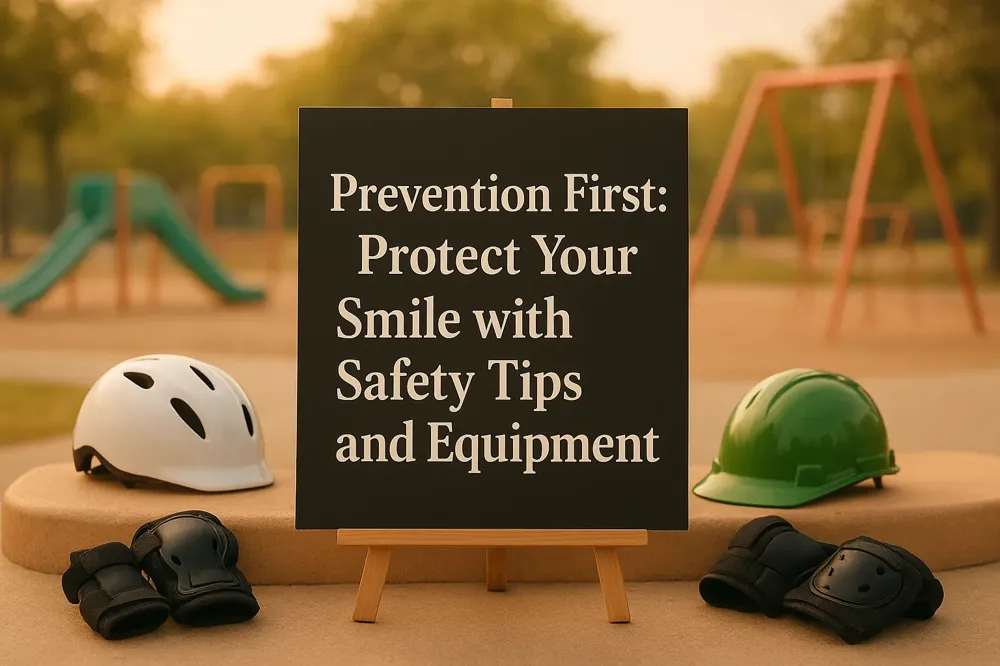
Mouthguards for sports are highly effective in protecting teeth during sports and physical activities. Recommended by the American Dental Association for 29 different sports or exercises, mouthguards help cushion blows, reducing the risk of chipped, fractured, or knocked-out teeth.
Children are particularly vulnerable to dental injuries as they explore and learn to walk. Childproofing homes for dental health by securing furniture edges, using safety gates, and removing small objects can minimize falls and other accidents that lead to dental trauma.
Routine dental visits help detect vulnerabilities such as weak teeth or poor alignment, which can increase injury risk. Maintaining good oral hygiene strengthens teeth and gums, reducing the likelihood of complications following trauma.
Family education raises awareness about trauma risks and encourages preventive actions, such as use of mouthguards, supervision during play, and quick response when injuries occur. Primary care providers can offer guidance during well-child visits to improve safety practices, as noted in Dental trauma management tips.
| Preventive Measure | Purpose | Key Benefit |
|---|---|---|
| Mouthguards | Protect teeth during sports | Reduce risk of fractures and avulsions |
| Childproofing Homes | Create safer spaces for children | Minimize falls and accidental injuries |
| Regular Checkups & Hygiene | Strengthen oral health and identify risks | Prevention of injury complications |
| Educating Families | Increase awareness and promote safety behaviors | Improved injury prevention and early response |
Dental trauma includes various injuries such as chipped, fractured, luxated (loosened or displaced), avulsed (knocked-out) teeth, and soft tissue damages. Management protocols depend on the specific type and severity of injury. Primary (baby) teeth injuries generally require observation or extraction, avoiding replantation to prevent damage to permanent teeth. Permanent teeth injuries often need urgent care, including replantation within 20-30 minutes for avulsed teeth, splinting for stabilization, and root canal therapy if the pulp is involved. More detailed protocols are available in Clinical Practice Guidelines for Dental Trauma.
Long-term follow-ups, typically extending up to five years, are essential to monitor healing and detect complications like pulp necrosis, root resorption, or ankylosis. Imaging techniques such as panoramic X-rays, maxillofacial CT scans, and sometimes chest X-rays help evaluate bone fractures, tooth displacement, or aspiration risks. These diagnostics ensure timely intervention and guide restorative treatment planning. See Advanced diagnostic technology and Management of dental trauma complications for in-depth information.
Antibiotics are recommended to prevent infection, especially in avulsed teeth. Amoxicillin is commonly used for children under 12, while doxycycline is preferred for older patients. Splinting—usually for 1-2 weeks—stabilizes replanted or luxated teeth, promoting healing and preventing further displacement. Proper splinting techniques support tooth retention and comfort during recovery. For detailed splinting procedures and antibiotic protocols, refer to Treatment of Traumatic Dental Injuries PDF.
Children are more prone to dental trauma during active play and often require interventions mindful of their developing permanent teeth. Replantation of primary teeth is avoided to protect permanent successors. Conversely, adults may experience more complex injuries often linked with facial trauma. While replantation success in adults is limited, immediate care and proper preservation of avulsed teeth remain critical for favorable outcomes. For specialized pediatric management, explore Emergency dental care for kids and for adult trauma treatment, visit Facial trauma treatment.
Technologies like intraoral cameras, 3D scanners, digital and panoramic X-rays enhance accurate diagnosis and treatment assessment in dental trauma cases. FDA-cleared AI tools enable precise detection of related dental conditions, aiding customized care. These technologies improve patient education, treatment planning, and ongoing monitoring of dental trauma recovery. Additional insights can be found at Dentists in Staten Island.
In dental trauma cases such as knocked-out or broken teeth, acting quickly is essential. Rinse a knocked-out tooth gently, store it in milk or saliva if immediate replantation isn't possible, and seek dental care within 30 minutes. Apply gentle pressure to control bleeding and use cold compresses to reduce swelling.
Prompt examination by dental professionals allows for treatments like reimplantation, bonding, root canals, or crowns, which prevent complications such as infection and tooth loss. Persistent pain, swelling, or difficulty breathing call for urgent care.
Wearing mouthguards during sports and practicing safety at home reduce trauma risk. Understanding emergency responses can ease anxiety and build trust in dental visits post-injury.
Being prepared and knowing when to act empowers patients to protect their oral health and face dental care with confidence.