Even more knowledge

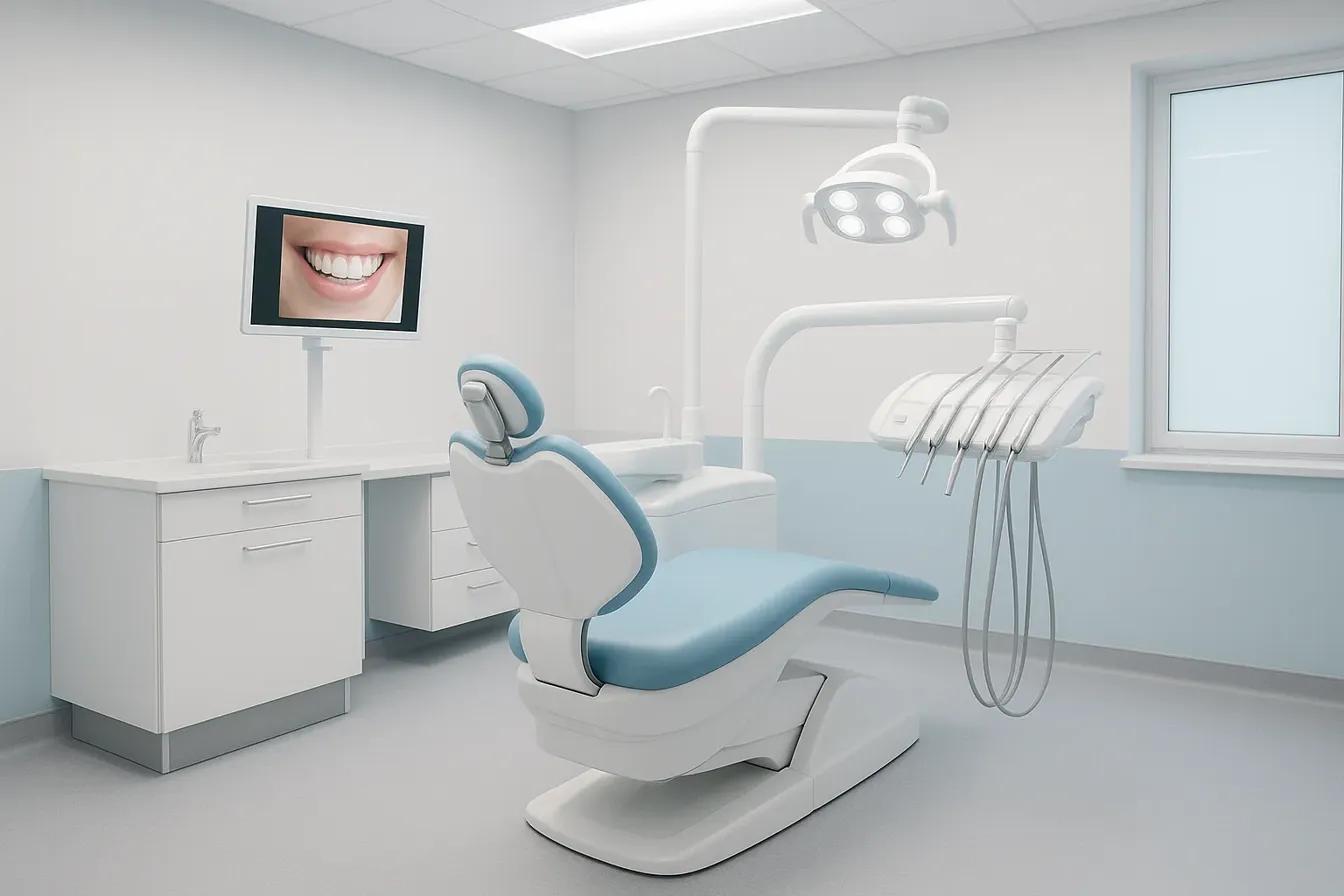
Modern dental care is rapidly evolving with sophisticated technologies enhancing diagnostic accuracy and treatment efficiency. Tools such as digital X-rays, 3D imaging, intraoral cameras, laser dentistry, and CAD/CAM systems allow dentists to detect issues earlier, deliver precise treatments, and improve patient comfort. Artificial intelligence (AI) further supports this progress, aiding in diagnostics and personalized treatment planning while making dental care more accessible.
Despite these impressive technological strides, the human touch remains essential in dentistry. Effective communication, empathy, and personalized care build trust and reduce patient anxiety. Dentists who tailor treatment plans to individual needs and engage patients in decision-making foster stronger relationships and better oral health outcomes. Combining advanced technology with compassionate care ensures that patients not only receive state-of-the-art treatment but also feel understood and supported throughout their dental journey.

Effective communication in dental care is fundamental in dentistry for establishing trust and fostering a transparent, empathetic relationship between patients and dental professionals. It ensures patients fully understand their diagnosis, treatment options, and care instructions. This clarity improves treatment outcomes and patient satisfaction while minimizing risks such as misunderstandings and complaints. Nonverbal cues, like tone of voice and facial expressions, also play a vital role, especially for patients with language barriers or special needs. Ultimately, strong communication skills create a positive and collaborative environment, contributing to more accurate diagnostics and better patient experiences.
Patient-centered care in dentistry emphasizes tailoring dental treatment plans to each individual's unique needs, preferences, and values. It involves active patient participation in oral health decisions through open dialogue and shared decision-making, making patients feel heard and respected. This approach prioritizes empathy and understanding while addressing psychosocial factors like dental anxiety. Dentists practicing this care style consider the patient’s overall well-being, leading to improved oral health outcomes, higher treatment adherence, and increased patient engagement.
Through clear explanations and compassionate dialogue, dentists can ease fears, clarify concerns, and empower patients. Demonstrating respect for a patient’s feelings and preferences helps build rapport and encourages honest feedback. Trust grows when patients feel their dentist listens carefully and responds thoughtfully, which increases comfort during visits and fosters long-term relationships. These positive connections reduce anxiety and motivate patients to maintain better oral hygiene and seek timely dental care, fostering trust and open communication with dentists.
Patient-centered care promotes a welcoming environment where patients feel involved and valued. By sharing information and offering choices, dentists enable patients to make informed decisions aligned with their lifestyle and health goals. This collaboration enhances compliance with treatment plans and preventive advice, ultimately improving oral health outcomes. Practices that adopt patient-centered strategies report higher rates of patient loyalty, reduced anxiety, and overall greater satisfaction with dental care, demonstrating the benefits of patient-centered care in dentistry.

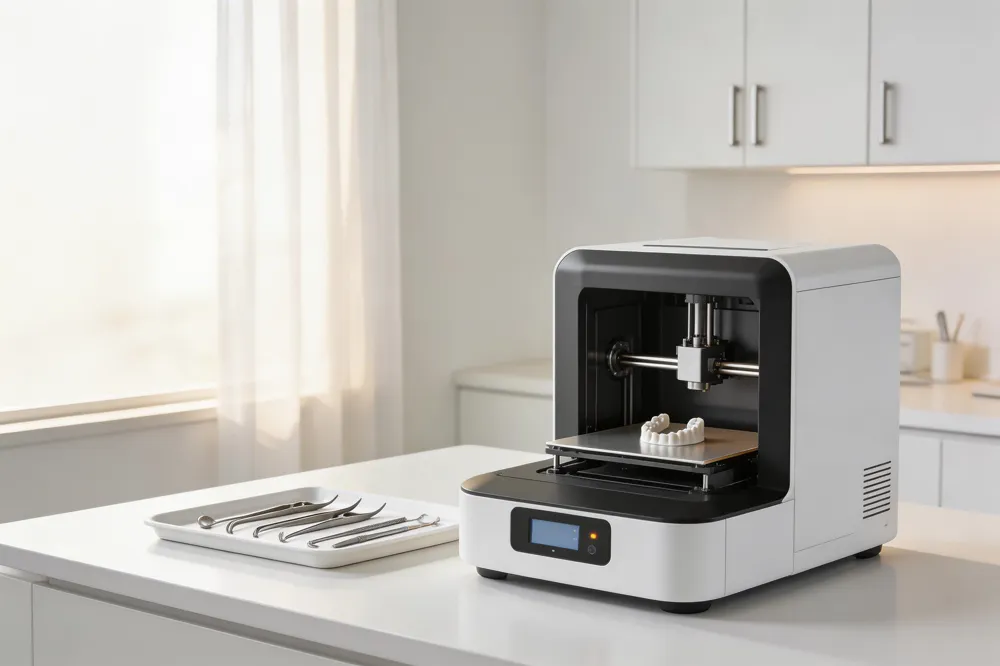
Technology has profoundly transformed dentistry by enhancing accuracy, efficiency, and accessibility of dental care. Innovations such as 3D printing enable precise in-house creation of crowns, bridges, and dentures, reducing turnaround times and improving fit. Digital X-rays in dental care, Cone Beam CT scanning, and intraoral scanners allow early detection of dental problems and more effective, personalized treatment planning.
Teledentistry and Remote Dental Consultations broadens access by enabling remote consultations and follow-up visits, which is especially beneficial for patients in rural or underserved areas. AI in dentistry supports diagnostics by analyzing images with high precision, helping dentists to identify issues like cavities or bone loss earlier and more accurately. Notably, AI tools enhance communication by making complex findings easier to understand for patients, fostering transparency and trust.
Together, these technological advances improve patient outcomes, shorten treatment times, reduce discomfort, and promote preventive care strategies that align with patient-centered care in dentistry.
Recent digital dentistry technologies have revolutionized patient care with improved accuracy and efficiency. Laser dentistry and CAD/CAM systems now allow dentists to design and fabricate restorations such as crowns and bridges in a single visit, enhancing convenience and patient satisfaction.
3D printing supports the rapid production of customized prosthetics and dental appliances, improving precision and aesthetics. Cone Beam Computed Tomography (CBCT) delivers detailed 3D images of dental and facial structures, critical for safe, accurate planning of complex procedures like implants.
Patient-Centered Dental Care provides visual previews of treatment outcomes, actively involving patients in their care decisions. Guided surgery uses computer-generated templates to achieve highly accurate implant placement, reducing risks and improving success.
AI in Dental Practices further elevates treatment by assisting in diagnostics, treatment planning, and predictive analytics tailored to individual patient profiles.
Technological advances such as Laser dentistry offer minimally invasive treatments with less bleeding, swelling, and pain than traditional methods, contributing to faster healing and improved comfort. Digital impressions and 3D scanning are more comfortable than conventional molds, reducing patient anxiety and the need for repeat visits.
Smart dental devices and AI-powered tools support oral hygiene beyond the clinic, giving patients real-time feedback to maintain dental health. Innovations like noise reduction systems and sedation dentistry improve the overall patient experience by managing anxiety and discomfort.
Together, these technologies create a more pleasant, efficient dental journey, fostering patient engagement and long-term oral health success.
Technology has transformed dental care with Digital imaging and diagnostics, AI-assisted dental X-ray analysis, and Laser dentistry and CAD/CAM systems. These tools allow earlier detection of cavities, more accurate treatment planning, and quicker turnaround on restorations. Despite these advances, technology complements rather than replaces the human touch.
Empathy and patient-centered care in dentistry remain central to effective dentistry. Dentists build trust by understanding individual patient needs, addressing anxieties, and tailoring care plans to lifestyle and medical history. This personal connection lessens dental anxiety and encourages patient adherence to recommended care. Technologies such as Intraoral cameras for patient communication also help by improving communication and making diagnoses clearer to patients, but human interaction is irreplaceable in fostering comfort.
While AI in dental radiography can analyze x-rays and suggest treatment options, it cannot provide emotional support, reassurance, or nuanced understanding of patient preferences. Trust and rapport, essential for long-term oral health outcomes, depend on clear communication and genuine compassion. Dental assistants and practitioners trained in Principles of patient-centred care (PCC) help bridge technology and human elements by ensuring patients feel heard and informed throughout their care.
A welcoming environment combined with empathetic communication reduces patient anxiety. Dentists who listen attentively, explain procedures thoroughly, and involve patients in decisions foster stronger relationships. This Human-centric approach improves motivation and treatment compliance, making technology an aid rather than a replacement in delivering quality care.
| Aspect | Role of Technology | Role of Human Touch |
|---|---|---|
| Diagnostic Accuracy | Enhances precision with Digital X-rays in dental care, AI analysis | Provides interpretation and patient explanation |
| Treatment Planning | Enables personalized plans using data analytics | Involves patient preferences and shared decisions |
| Patient Communication | Visual aids (Digital X-rays and intraoral cameras) and scheduling tools | Empathy, reassurance, trust building |
| Anxiety Reduction | Minimizes discomfort with Laser dentistry and sedation | Emotional support and understanding |
| Overall Care Outcome | Speeds and improves technical aspects | Motivates adherence and holistic wellbeing |
Artificial Intelligence (AI) is transforming dental diagnostics by analyzing X-rays and patient data with greater precision. AI tools like Overjet AI in dental diagnostics highlight concerns such as early cavities and bone loss, enabling earlier detection and Personalized Dental Treatment Plans. This technology reduces errors, accelerates diagnosis, and helps dentists tailor care based on lifestyle and medical history, improving overall outcomes.
While AI enhances diagnostic accuracy and streamlines processes, it does not replace the dentist's expertise. Dentists remain the final decision-makers, using AI as a supportive tool rather than a replacement. This balance ensures the essential human connection, empathy, and nuanced care that technology cannot replicate continue to be central to dental practice. For insights into the role of the human element in AI dentistry, see Human touch in AI dental care and AI in U.S. dental practices.
Technology like Intraoral cameras for patient communication and AI-powered tools improves communication by visually educating patients about their oral health. AI systems also aid in scheduling, reminders, and personalized coaching for oral hygiene through smart toothbrushes and apps. These tools increase patient understanding, motivation, and compliance with treatment recommendations, fostering better oral health maintenance. For more about enhancing patient communication and motivation, see Patient experience in dental care.
Combining Modern dental technology with a genuine human touch allows dental practices to operate efficiently while maintaining trust and empathy. Digital tools handle diagnostics and administrative tasks, freeing dentists to focus on building relationships, addressing concerns, and providing compassionate care. This integration leads to Patient-Centered Dental Care with higher satisfaction and improved outcomes.
AI promises to revolutionize dentistry by enhancing diagnostics and preventive care through data analysis and personalized plans. Its role is to augment dentists’ capabilities, not replace their empathy and patient interaction. Thoughtful AI integration, supported by appropriate training, will result in more precise, efficient dental care that remains rooted in strong human relationships. For further reading, see AI Applications in Dental Care, AI in U.S. dental practices, and patient-centered care in dentistry.

The future of dental technology promises exciting advances that will greatly enhance patient care. Emerging innovations include advanced dental materials designed to improve the durability, aesthetics, and function of restorations such as crowns, bridges, and implants. Nanotechnology is playing a growing role by boosting the strength and longevity of fillings and implant materials.
Digital dentistry continues to evolve with technologies like CAD/CAM technology for same-day restorations enabling same-day fabrication of dental crowns and prosthetics. These systems provide faster, more precise, and customized treatments, reducing multiple visits for patients.
Other groundbreaking areas include regenerative dentistry, which explores the use of stem cells to repair damaged tissues naturally, and 3D printing for customized dental prosthetics that allows for rapid creation of highly accurate dental appliances in-office.
Patient-centered care is increasingly intertwined with cutting-edge technology. Teledentistry and remote dental consultations enable remote consultations for greater accessibility, especially benefiting those in rural or busy environments.
Artificial intelligence assists dentists in making more accurate diagnoses and tailoring personalized dental treatment plans. Digital imaging tools like Digital X-rays and intraoral cameras improve patient understanding and involvement in their care.
Technology also supports behavioral aspects—AI-powered smart toothbrushes and apps motivate patients with real-time feedback, aiding in prevention and maintenance of oral health as described in Patient experience in dental care.
Despite technological advances, the human touch remains essential. Practices are focusing on building trusting, empathetic relationships to reduce anxiety and encourage adherence to treatment, reflecting principles of patient-centered care in dentistry.
Dental providers are working to reduce barriers by offering flexible scheduling, Onsite dental services and mobile units, and culturally sensitive communication.
Ultimately, future dentistry balances innovation with compassion, integrating the latest tools while maintaining personalized care that respects each patient's values, preferences, and needs as advocated by Patient-centered care in dentistry.
| Technology Area | Benefit to Patients | Impact on Care |
|---|---|---|
| CAD/CAM & 3D Printing | Faster restorations, precise fit | Reduced appointments, improved treatment comfort |
| Nanotechnology | Stronger, longer-lasting dental materials | Enhanced durability, fewer replacements |
| AI & Digital Imaging | Accurate diagnosis, personalized plans | Early detection, better patient engagement |
| Telehealth & Teledentistry | Increased access, convenience | Care for remote/busy patients, continuous support |
| Regenerative Dentistry | Tissue repair without prosthetics | Potential for natural healing, less invasive care |
| Empathy & Patient-Centered Care | Reduced anxiety, trusted relationships | Improved compliance, long-term oral health |
Modern dental care benefits greatly from advanced technologies like digital X-rays, AI diagnostics, laser dentistry, and 3D printing. These tools enhance precision, speed, and patient comfort.
Despite these innovations, fostering strong dentist-patient relationships remains essential. Personalized, respectful communication and shared decision-making improve treatment adherence and patient trust.
Dental practices should strive for a harmonious balance between embracing new technologies and maintaining empathy. This ensures care is both cutting-edge and compassionate, optimizing oral health outcomes for all patients.