Even more knowledge


Dental sealants dramatically cut cavities: children without them are almost three times more likely to develop molar decay, while sealants can prevent up to 80% of cavities in the first two years and about 50% for up to four years. The most effective window is soon after permanent molars erupt—around age 6 for first molars and age 12 for second molars—when pits and fissures are deepest and hardest to clean. By sealing these vulnerable grooves, sealants provide a long‑term oral‑health advantage, reducing the need for fillings, lowering treatment costs, and supporting healthier chewing function throughout childhood and adolescence. Regular check‑ups and good oral hygiene keep the protection intact for many years.

Brushing twice a day with a fluoride‑containing toothpaste removes plaque from the chewing surfaces and the margins of sealants, keeping the resin barrier clean and reducing the chance of decay under the sealant. Daily flossing reaches the pits and fissures that a toothbrush can’t, preventing food particles from lodging beneath the sealant and helping maintain the smooth protective surface. Limiting hard, sticky, and sugary foods (e.g., ice, hard candy, gummies, soda) protects sealants from chipping or premature wear and reduces the bacterial acid that can erode both enamel and the resin. For children who play sports or grind teeth, a custom‑fit mouthguard shields the sealed molars from impact and bruxism‑related wear.
Dental sealants for kids pros and cons: Sealants are quick, painless, and cost‑effective, cutting cavity risk by up to 80 % in the first few years and acting as a shield alongside brushing, flossing, and fluoride. They are BPA‑free or contain only trace, safe amounts, but they are not a substitute for good oral hygiene and must be inspected regularly for wear or chips.
Are dental sealants safe for my child? Yes. Both the ADA and FDA endorse sealants as safe); the resin contains only negligible BPA and rare allergies can be screened before placement.
Dental sealants for kids side effects: Serious side effects are rare. The most common concern—minimal BPA exposure—has not been linked to health problems. Occasionally, a mild allergic reaction (swelling or irritation) may occur, but it is uncommon and easily managed.

Keeping a sealant effective starts with regular visual checks. Look for any chips, cracks, or rough edges on the chewing surface of molars; a shiny, smooth sealant that feels even to the tongue is a good sign. If a sealant feels loose, gritty, or you notice a change in bite, schedule a dental visit promptly so the dentist can re‑apply or repair the material. After placement, avoid hard or sticky foods—such as ice, hard candy, popcorn kernels, or chewing gum for at least 24 hours (and continue to limit them long‑term) to prevent chipping. When brushing, use a soft‑bristled toothbrush and a gentle circular technique, focusing on the sealed grooves without scrubbing aggressively.
Q: What is the most common cause of dental sealant failure?
A: Moisture contamination during placement—saliva, blood, or crevicular fluid reaching the etched enamel before the sealant cures—compromises the bond and leads to loss of the sealant.
Q: Sealant for teeth for child side effects
A: Sealants are safe; the only occasional concern is a very low BPA exposure, which has not been linked to health problems. Rare allergic reactions may cause swelling or irritation and should be evaluated by a dentist.
Q: Sealant for teeth for child how long does it take
A: The procedure is quick, usually 10‑15 minutes per child, with the sealant hardening in seconds under a curing light, allowing immediate return to normal activities.

Six‑month dental check‑ups are essential for sealant maintenance. During each visit the dentist inspects the chewing surfaces of molars and premolars for cracks, chips, or wear and can re‑apply a thin layer of resin in a painless, light‑cured procedure that takes only a few minutes per tooth.
Re‑application timing varies: most sealants last 5–10 years, but visible wear may require repair sooner; regular monitoring ensures the protective barrier stays intact.
Cost and insurance: dental sealants for children typically cost $30‑$70 per tooth, with many insurance plans covering them fully or partially as a preventive service for patients under 18. School‑based sealant programs further lower costs, often providing free or low‑cost treatment to low‑income families.
Sealant for teeth for child cost – $30‑$70 per tooth; most insurance plans cover the expense, and community programs may offer free sealants.
Should my 7‑year‑old get sealants? – Yes. First permanent molars erupt between ages 5‑7; sealants protect deep pits, reduce cavity risk by up to 80%, and are quick, painless, and covered by most insurance.
Are dental sealants permanent? – No. They last 5‑10 years but can chip or wear; regular check‑ups allow timely re‑application.
How to make sealant last longer? – Maintain good oral hygiene, avoid hard/sticky foods, schedule six‑month visits, and store any unused material properly if you are a dentist.

Dental sealants are thin, protective resin coatings applied to the chewing surfaces of molars and premolars. For adults, sealants act as a painless barrier that blocks food particles and bacteria from deep pits and grooves, reducing cavity risk by up to 80 % in the first two years. They typically last five to ten years and can be inspected and re‑applied during routine six visits, offering a cost‑effective preventive option.
2019 BPA Controversy In 2019, concerns arose about bis‑phenol‑A (BPA) derivatives in some sealant materials and about the durability of glass‑ionomer versus resin sealants. The American Dental Association affirmed that BPA exposure from sealants is minimal and well below safety thresholds, while studies showed resin sealants retain better (≈80 % after two years) than glass‑ionomer (≈44 %). The debate highlighted the need for high‑quality materials and skilled application.
Potential Downsides and Safety Sealants are safe but not a substitute for brushing and flossing. Rare allergic reactions may occur, and a tiny amount of BPA can be released, though not at harmful levels. Wear or chipping over time requires regular check‑ups. Aesthetic concerns are minimal as most sealants are tooth‑colored or clear.
FAQ

Reward charts and stickers are powerful tools for building a habit of twice brushing and sealant care. Parents can give a star for each day the child brushes twice and flosses, and after a week of consistent performance, reward the child with a small prize or extra play time. Explaining sealants as an “invisible shield” or “raincoat” for the teeth helps children visualize protection; a simple story about a superhero tooth that wears a shield against cavity‑causing germs makes the concept memorable. In the dental office, clinicians can use gentle, story‑based explanations—perhaps a short cartoon showing a tooth’s shield being applied—so the child feels comfortable and understands the purpose of the sealant. Linking this care to broader pediatric dentistry timing reinforces the importance of regular visits. The 7‑4 rule, which tracks primary‑tooth eruption at roughly seven months for the first four teeth and then every four months thereafter, helps parents anticipate when permanent molars will appear and when sealants should be placed. The rule of 7 reminds families that by age seven a child’s first orthodontic evaluation should occur, integrating sealant maintenance into a comprehensive oral‑health plan.
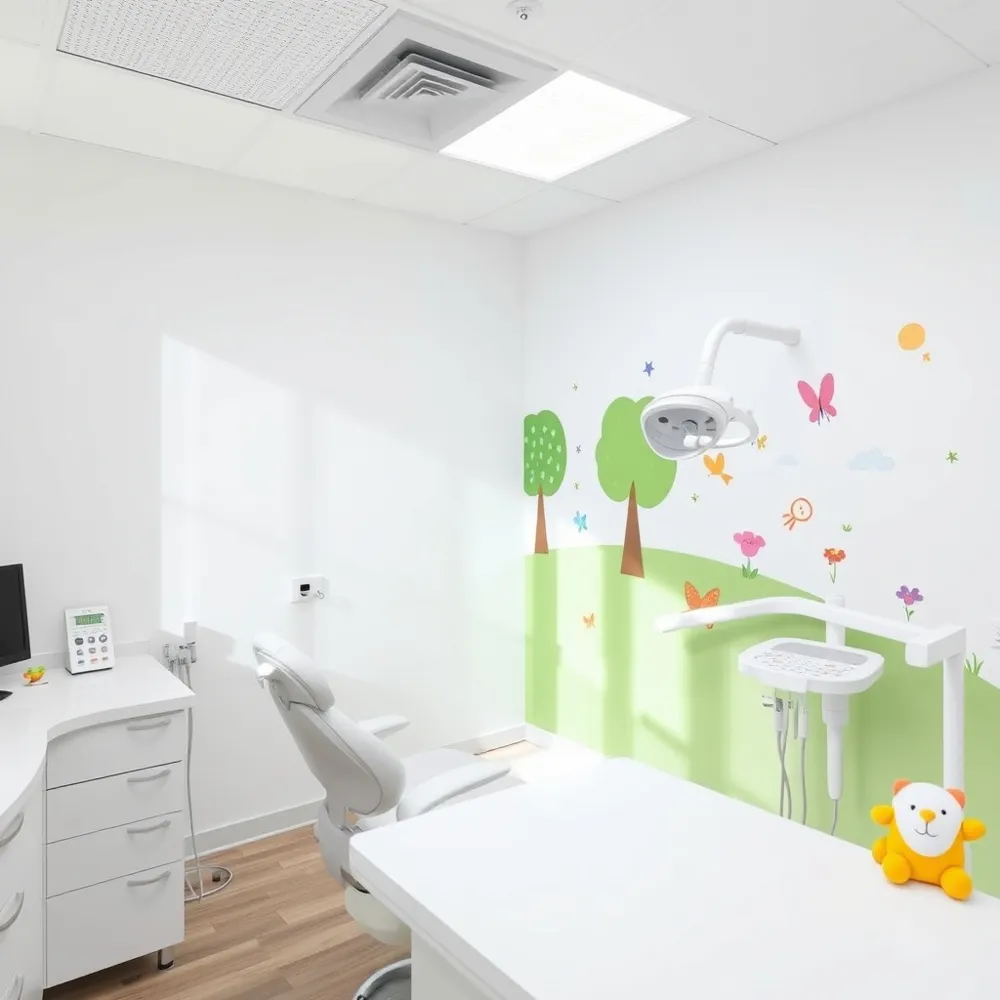
Keeping a child's teeth cavity‑free starts with daily habits and regular professional checks. Brush twice a day with fluoride toothpaste, floss each evening, and steer clear of hard, sticky or sugary foods that can chip or wear sealants. Use a soft‑bristled brush and gentle circular motions to protect the sealant surface, and consider a mouthguard for sports or grinding. Schedule a routine dental visit every six months so the dentist can inspect the sealant, polish rough edges, and re‑apply any lost material. At Gentle Dentistry of Staten Island we offer painless, quick sealant placement and timely repairs in a child‑friendly setting. Maintaining sealants long‑term reduces cavity risk by up to 80%, saves thousands in future dental costs, and keeps your child smiling confidently for years to come.