Even more knowledge

Dental anxiety arises from various factors including fear of pain, past traumatic dental experiences, and discomfort with medical settings. Common worries involve injections, the sensation of dental tools, and potential side effects from anesthetics.
Early dental visits can shape future attitudes towards dentistry. Negative or painful childhood experiences often lead to heightened anxiety in adulthood, making patients more fearful of dental care.
Research suggests that genetic predispositions and individual personality traits influence susceptibility to fear and anxiety. Some people are naturally more anxious or sensitive, which can exacerbate dental fear.
Cultural factors, stories from family or friends, and portrayals in media also play a part. Negative depictions of dentists in movies or anecdotes of unpleasant experiences contribute to dental apprehension.
Understanding these root causes helps dental professionals tailor approaches that provide comfort and reduce anxiety effectively during patient care.
Dental offices employ several protocols to reduce patient stress effectively. These include pre-treatment anxiety assessments like the Modified Dental Anxiety Scale (MDAS) to identify individuals prone to dental fear. Communication plays a crucial role, with dental teams building trust through empathetic listening and clear explanations about procedures.
Relaxation techniques such as calming music, aromatherapy, deep breathing exercises, and guided imagery are incorporated during visits to help patients remain tranquil. Moreover, behavioral strategies like scheduling shorter appointments and allowing breaks, combined with minimally invasive procedures and topical anesthetics, further promote comfort.
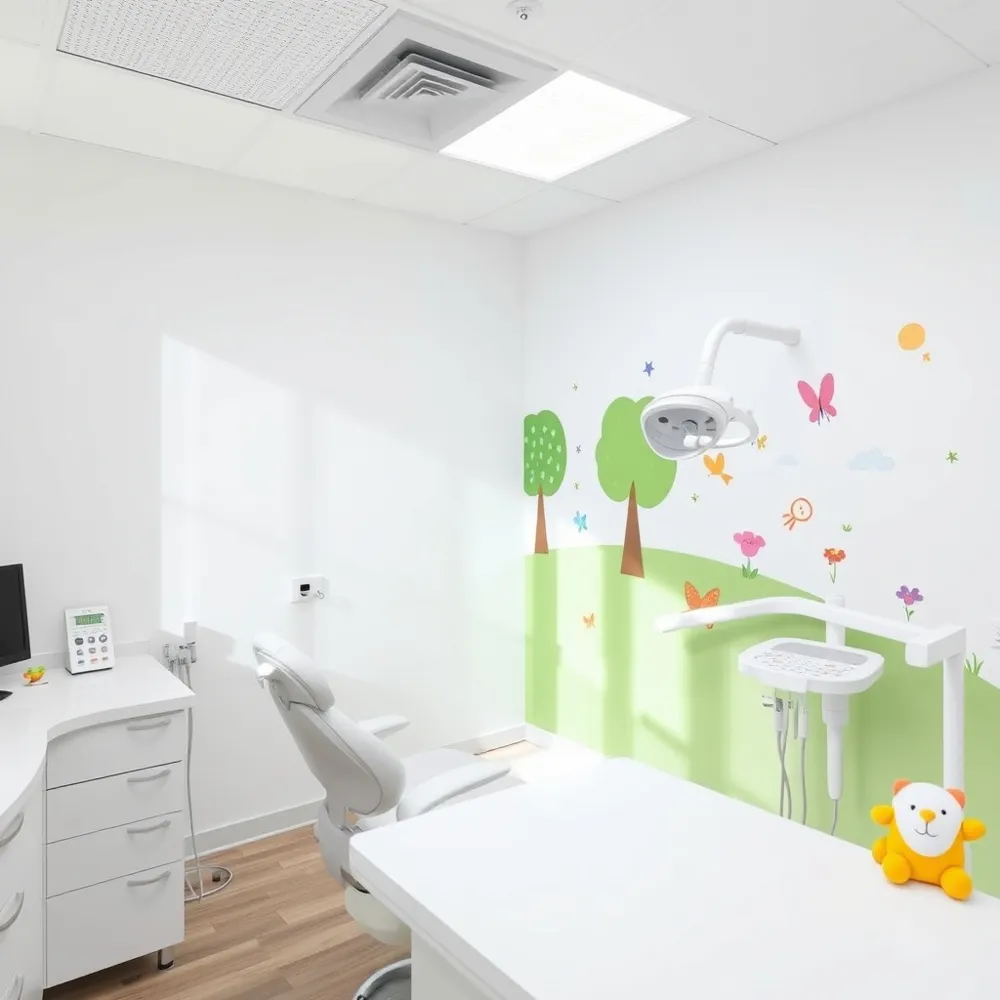
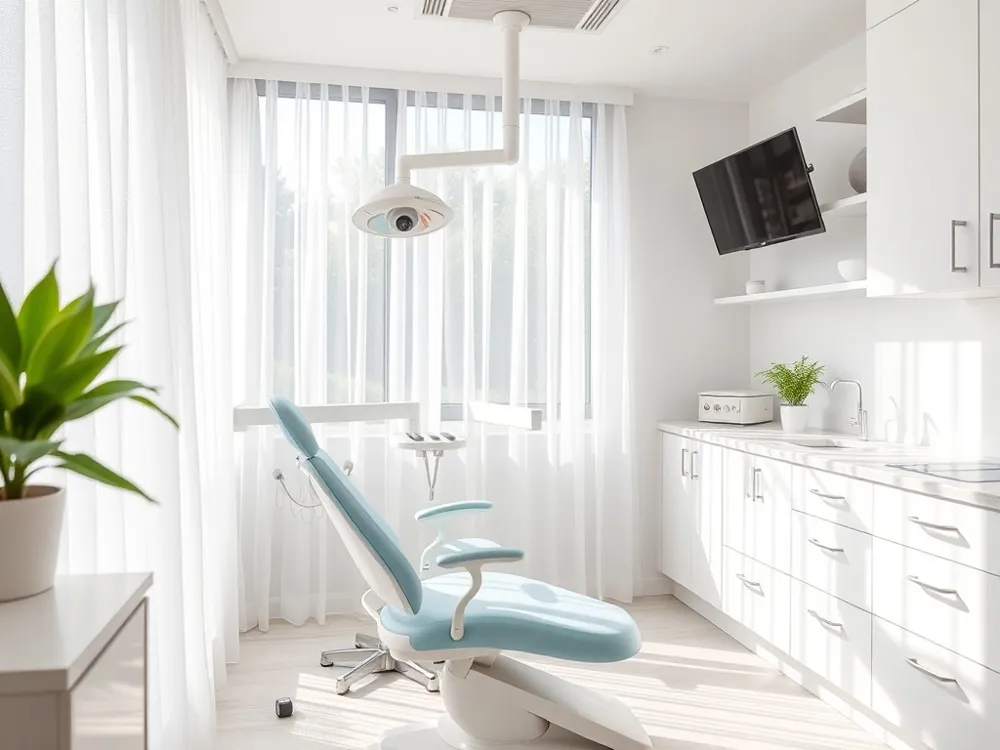
Dental practices use soothing colors like soft blues, greens, and earth tones in treatment and waiting areas. These color schemes reduce psychological stress and foster a peaceful atmosphere. Warm, indirect lighting replaces harsh fluorescents to create a cozy feel and decrease patient anxiety. Such elements are part of creating relaxing dental office environments.
Ergonomically designed dental chairs with lumbar support, adjustable headrests, cushioned seats, and knee pillows enhance physical comfort during procedures. Such chairs help maintain natural body posture, reduce pressure points, and improve circulation, allowing patients to relax more easily. See more on patient comfort in dentistry with ergonomic chairs and amenities.
Background music tailored to patient preferences helps drown out dental sounds that might trigger anxiety. Many offices provide headphones for personal music or use televisions and stress-relief objects to distract patients, making dental visits less stressful. These techniques are featured in using music to relax during dental visits and distraction techniques.
A welcoming and hygienic waiting area influences patient comfort significantly. Comfortable seating, warm colors, and soft lighting encourage relaxation before treatment. Maintaining impeccable cleanliness builds trust and positively impacts the patient experience, as highlighted in creating a dental practice environment patients love.
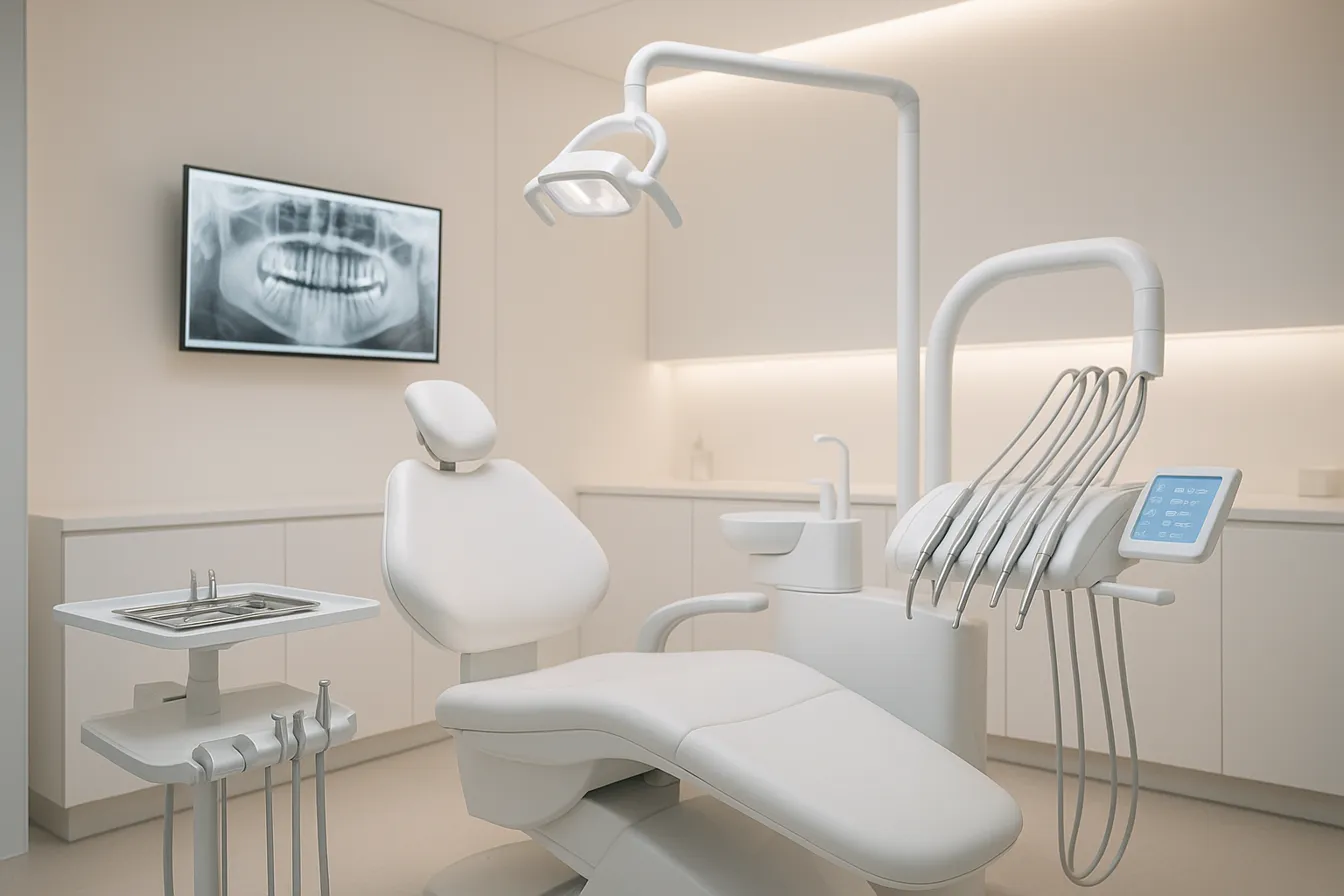
Mounting dental equipment and delivery systems out of direct patient view prevents unnecessary stress caused by exposure to unfamiliar tools. Advanced technologies like digital impressions and laser dentistry allow for less invasive procedures, further alleviating fear and discomfort. Learn more in advanced dental technology for comfort and minimizing anxiety.
| Design Element | Description | Patient Benefit |
|---|---|---|
| Calming Colors & Lighting | Soft hues, warm, indirect lighting | Creates a peaceful environment |
| Ergonomic Chairs | Adjustable, cushioned with support | Enhances comfort and reduces pain |
| Background Music & Tools | Personalized music, headphones, distractions | Diminishes anxiety and distracts |
| Waiting Area Ambiance | Clean, comfortable, warm colors | Sets a relaxing mood before treatment |
| Discreet Technology Placement | Tools hidden from direct view | Reduces fear of dental instruments |
These combined design strategies and protocols create a dental environment that actively soothes patient anxiety, improving overall care and encouraging regular dental visits.
Dental anxiety impacts millions, but it is actively managed through open, supportive communication and patient-centered care. Dental teams encourage patients to share their fears, creating a judgment-free atmosphere that builds trust.
Dental professionals clearly explain every step of procedures using simple language, enabling patients to understand what will happen and helping to demystify the experience. Patients are invited to ask questions and express concerns throughout their visit. This reflects effective patient communication in dentistry.
Empathy is conveyed through active listening, remembering personal details, and demonstrating genuine care, which fosters a trusting relationship. Friendly interactions and staff trained in communication skills contribute to making patients feel safe and valued. These are key aspects of building patient trust in dentistry.
Patients are educated on modern, less invasive dental technologies and pain management techniques, reducing fear of discomfort. Transparent discussions about treatment options and what to expect increase patient confidence, emphasizing transparency in dental care.
Dentists adopt a collaborative approach by involving patients in choosing sedation options or scheduling. Patients may use relaxation tools such as deep breathing, music, or break signals to maintain control and comfort during procedures, as recommended in Relaxation Techniques for Dental Visits.
Being upfront about procedures and pain control strategies helps reduce fear of the unknown. Offering options like nitrous oxide sedation under medical oversight or breaks upon request empowers patients and eases anxiety.
Through these patient-centered communication methods, dental practices effectively alleviate anxiety and encourage positive dental experiences, supporting long-term oral health and patient loyalty.
One of the most helpful ways to stay calm during dental visits is to practice Deep Breathing Exercises. Taking slow, deliberate breaths can ease heart rate and reduce anxiety, helping patients feel more relaxed throughout the procedure.
Another useful method is Progressive Muscle Relaxation, which involves tensing and then slowly relaxing different muscle groups. This technique releases bodily tension and promotes a sense of calm.
Guided Imagery Techniques and mindfulness are also effective tools. By focusing the mind on peaceful scenes or sensations and practicing present-moment awareness, patients can distract themselves from fear or discomfort.
Distraction plays a big role in Relaxation Techniques for Dental Anxiety. Bringing headphones to listen to calming music or guided meditations helps drown out dental noises and keeps the mind engaged elsewhere. Many dental offices encourage this practice to create a more soothing environment.
Comfort items like stress balls or a soft blanket can provide tactile reassurance. Patients are also advised to request short breaks during longer procedures, allowing moments to regroup and manage nervousness.
Open communication with dental professionals enhances these techniques. Discussing fears beforehand allows dentists to tailor approaches, such as offering Nitrous Oxide Sedation for Anxiety or other calming options, ensuring a more comfortable and relaxed experience.
By combining these Relaxation Techniques for Dental Visits, patients can better control their anxiety, making dental visits more manageable and less stressful.
Dentists often rely on sedation techniques to help patients feel calm and relaxed during dental visits. The most common options include Nitrous Oxide for Relaxation (commonly known as laughing gas), oral conscious sedation, and intravenous (IV) sedation.
Nitrous oxide is inhaled through a mask, acts quickly, and allows patients to remain awake but deeply relaxed. Its effects fade fast, providing comfort without a long recovery period.
Oral conscious sedation involves a sedative pill taken about an hour before treatment. This makes patients drowsy but still able to respond. Since it affects alertness, a companion is needed to drive the patient home.
IV sedation offers a deeper level of relaxation where patients may sleep through the procedure. It’s especially used for more invasive or lengthy treatments. Recovery takes longer, and careful monitoring is essential.
To manage Managing Dental Anxiety, patients have several effective sedation options tailored to their comfort levels:
Alongside medications, dentists encourage Relaxation Techniques for Dental Anxiety like deep breathing and distraction techniques to support anxiety relief.
Before any sedation method is used, patients undergo thorough evaluations to assess medical history and suitability. This careful screening ensures the selected sedation is safe.
During procedures, close monitoring by trained staff maintains patient well-being. After treatment, patients remain under observation until recovery is sufficient for safe discharge.
Sedation doesn’t stand alone but works together with a Calming dental environment, effective communication, and Patient-Centered Dental Care. These combined efforts create a supportive experience that minimizes fear and discomfort, encouraging patients to maintain regular dental visits.
| Sedation Type | Method | Patient Experience |
|---|---|---|
| Nitrous Oxide | Inhaled gas | Awake, relaxed, quick recovery |
| Oral Conscious Sedation | Oral pill | Drowsy but responsive, requires companion |
| Intravenous Sedation | IV injection | Deeply relaxed or asleep, longer recovery |
Dental anxiety stems from various factors including past traumatic dental experiences, genetic influences, personality traits like neuroticism, and early childhood encounters with dentists. Negative stories from family, peers, or media further amplify the fear. It’s also common for females to have higher anxiety levels due to heritable traits. Understanding these roots helps dentists tailor care to each patient's needs, reducing fear and making the experience less intimidating. For more information, see Dental Anxiety Relief.
Fear of needles is a major concern for many dental patients. Techniques such as gradually facing needle-related situations (fear ladder) combined with relaxation methods like deep breathing or muscle tension help ease this fear. Dental professionals play an important role by offering gentle, reassuring care. For severe cases, therapies such as cognitive behavioral therapy (CBT) are effective in managing needle phobia. Learn more about Dental Anxiety Support Strategies and Dental assistants role in patient comfort.
Several approaches support anxious patients:
Choosing less busy times for appointments minimizes waiting stress and creates a calmer atmosphere. Support persons can accompany patients for reassurance. Continuous communication and allowing breaks during procedures help patients feel in control, fostering relaxation throughout the visit. For further reading see Pre-Appointment Communication and Scheduling dental appointments to reduce anxiety.
Advanced technology like laser dentistry and digital impressions reduces invasiveness and discomfort. Ergonomic chairs with lumbar support and plush cushioning enhance physical comfort. Also, mounting delivery systems out of patient view prevents visual anxiety from dental instruments. For more details visit Increasing patient comfort in dentistry and Focus on patient comfort.
Empathy and clear explanations using simple language build trust and reduce fear. Relaxation techniques such as deep breathing, progressive muscle relaxation, and guided imagery calm nerves. Encouraging positive self-talk, mental preparation, and bringing comfort items like stress balls or music players help patients regain a sense of control and ease anxiety during dental visits. These combined strategies create a welcoming, patient-centered environment that addresses both physical and emotional needs, making dental care accessible and less frightening for anxious individuals. See Relaxation Techniques for Dental Anxiety and Creating a Comfortable Dental Environment for more insights.
Empathy and genuine care are foundational in easing dental anxiety. Dental teams who prioritize kind communication and remember personal details build strong patient rapport, helping patients feel safe and understood.
Continuous education for dental staff is essential. Training in communication skills and anxiety management equips teams to better support nervous patients and adapt care to individual needs.
Regularly gathering and acting on patient feedback enables practices to refine their approaches, enhance comfort measures, and foster a welcoming atmosphere.
Tailoring treatment and communication to each patient cultivates long-term trust and loyalty, ensuring patients return with confidence and less fear.
This compassionate approach benefits both patients and practices, creating a positive cycle of comfort and care.