Even more knowledge

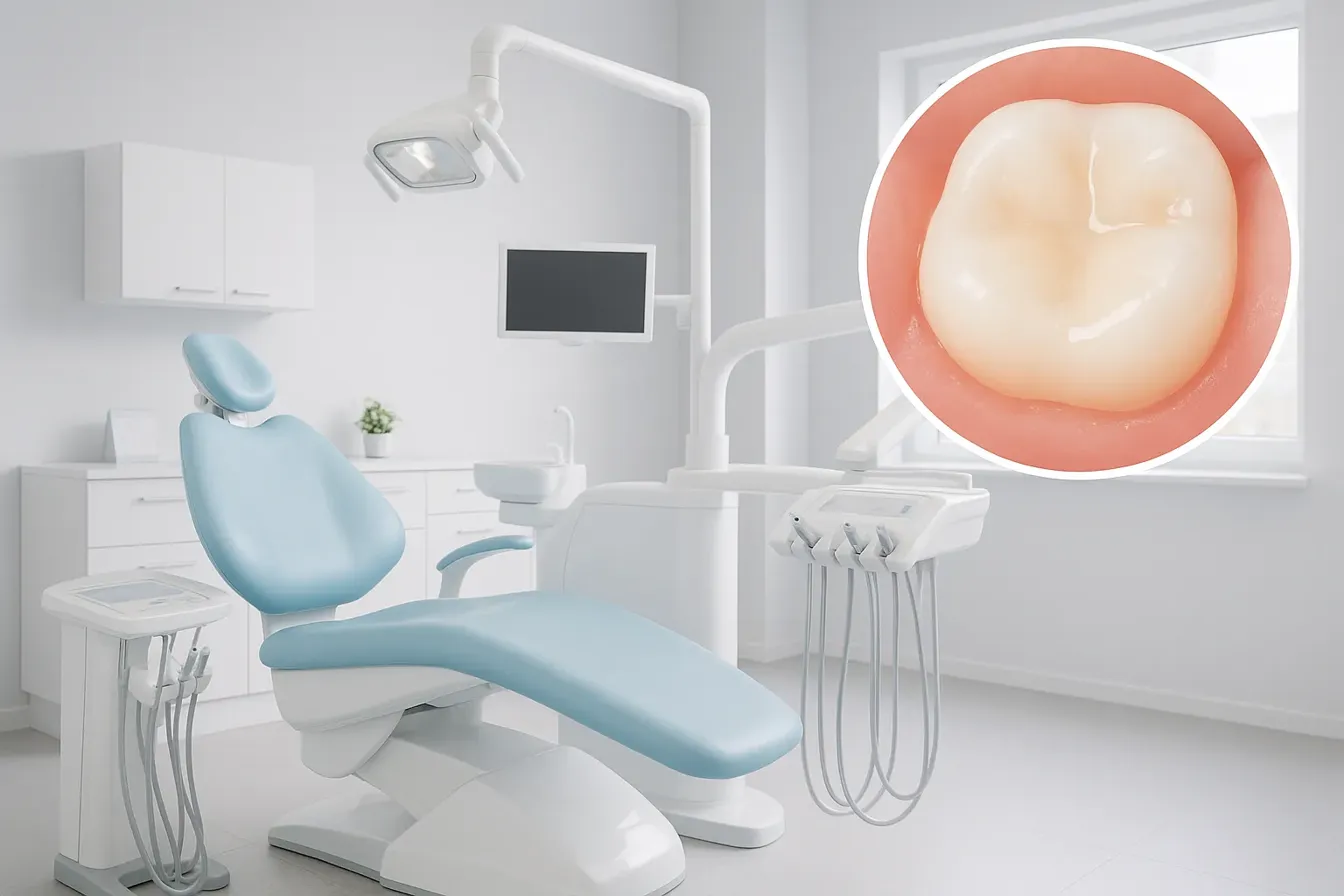
Dental sealants are thin, protective coatings made from medical-grade resin or plastic applied to the chewing surfaces of back teeth, particularly molars and premolars. Their primary purpose is to shield these teeth from cavities by forming a strong barrier that blocks food particles and bacteria from settling into deep grooves and pits.
Children's molars are especially vulnerable to cavities because their surfaces have natural grooves that are hard to clean with brushing and flossing alone. Since children's oral hygiene habits and diets may not always be ideal, applying sealants right after permanent molars erupt—typically around ages 6 and 12—is crucial in preventing decay.
Sealants create a physical barrier that keeps decay-causing bacteria away from the tooth enamel. Studies show sealants can reduce the risk of cavities in molars by up to 80%, making them a highly effective preventive measure. They complement good oral hygiene and fluoride treatments for comprehensive cavity protection in children.

Dental sealants are thin, protective coatings applied to the chewing surfaces of back teeth, particularly molars and premolars. These coatings are usually made from resin-based materials or glass ionomer compounds. The sealants are designed to create a smooth, protective barrier over the grooves and pits on these teeth, which are areas prone to harbor food debris and bacteria.
Molars have deep fissures that are difficult to clean thoroughly with brushing and flossing. Sealants for cavity prevention act by filling in and sealing off these grooves, blocking bacteria and food particles from settling in these crevices. This physical barrier helps prevent the formation of cavities by stopping the decay process before it begins. Studies show that applying sealants can reduce the risk of cavities in molars by up to 80% within the first two years and provide protection for several years afterward.
Applying dental sealants is a quick, painless process that usually takes less than 30 minutes. The tooth surface is first cleaned and then roughened slightly using an acid etching gel to help the sealant bond effectively. After rinsing and drying, the sealant material is painted onto the tooth surface and hardened using a special curing light if resin is used. Sealants typically last between five to ten years but require regular dental check-ups to ensure they remain intact and effective. If needed, sealants can be repaired or reapplied to maintain ongoing protection.
By providing a durable, protective coating, dental sealants are a simple yet powerful tool in preventing cavities with sealants, especially in children whose permanent molars are newly erupted and vulnerable to cavities.

Dental sealants are primarily made from resin-based dental sealants or glass ionomer sealants. Resin-based sealants are the most commonly used due to their durability and nearly invisible, tooth-colored appearance. They bond directly to the tooth surface and can last up to 10 years, making them ideal for protecting the chewing surfaces of molars and premolars.
Glass ionomer sealants have a shorter lifespan of about 3 to 5 years. They release fluoride over time, which helps strengthen teeth and reduce the risk of decay. Compomer sealants blend qualities of both resin and glass ionomer, combining fluoride release, aesthetic appeal, and increased durability.
Resin-based sealants offer superior durability, providing a strong, long-lasting physical barrier against bacteria, food particles, and plaque, which is especially critical soon after permanent molars erupt. Their resistance to wear makes them a preferred choice for long-term cavity prevention.
Glass ionomer sealants last fewer years but contribute extra protection by releasing fluoride, making them helpful for children at higher risk of cavities or when moisture control during application is challenging.
Clinicians consider several factors when selecting the sealant type, including the patient's age, cavity risk, and the ability to keep the tooth dry during application. For example, glass ionomer sealants are often chosen for younger children or cases where moisture control is difficult since they set in the presence of moisture and release fluoride. Resin-based sealants are ideal when a dry field can be maintained, ensuring strong bonding and long-lasting protection.
Ultimately, both sealant types offer effective cavity prevention strategies for children but tailoring the choice to the child's specific needs can maximize benefits. Regular dental check-ups help monitor sealant condition and decide on replacement or touch-up for sustained protection.
Children are generally recommended to receive dental sealants for children as soon as their permanent molars and premolars begin to erupt, which typically occurs around ages 6 and 12. These ages correspond to the eruption of the first and second permanent molars, respectively. Pediatric dentists suggest applying sealants early to protect the deep grooves and pits on these teeth, areas highly susceptible to cavity formation. This early protection reduces cavity risk during crucial developmental years when children are more prone to decay. For more details, see When to apply dental sealants.
The sealant application is a quick and painless procedure, usually completed within a few minutes per tooth. It starts with cleaning the chewing surface of the tooth followed by drying the area thoroughly. Next, the dentist applies a mild acidic gel, known as etching solution, to roughen the tooth surface. This step enhances the sealant's ability to bond tightly to the enamel.
After rinsing and drying the tooth again, the sealant—a liquid resin—is painted onto the grooves and pits of the tooth’s chewing surface. To harden the sealant, a special curing light is used, which sets the resin within seconds, forming a strong protective barrier that blocks bacteria, plaque, and food particles. This is described in detail in the sealant application process.
The entire process is non-invasive, does not involve discomfort, and usually takes less than 30 minutes for multiple teeth. Sealants can remain effective for 5 to 10 years with proper care and regular dental check-ups. To learn more about the longevity and care of sealants, visit Dental sealants overview.
Applying sealants is painless and non-invasive, making it well-suited for children, including those who may be anxious about dental visits. The quick procedure allows for multiple teeth to be sealed in a single appointment, minimizing disruption and discomfort for both children and parents. Children rarely experience any sensitivity after the application, and the sealants are typically clear or tooth-colored, remaining invisible during smiles or talking. More information can be found about the quick and painless dental sealant procedure.
Proper oral hygiene should continue alongside the use of sealants to maximize their protective benefits and ensure lasting dental health. For additional tips on protecting children's teeth from cavities, see the linked resource.

Dental sealants are considered very safe for use in both children and adults. These coatings are made from BPA-free plastic resins that have been approved by the American Dental Association (ADA) and the U.S. Food and Drug Administration (FDA). While they do contain trace amounts of bisphenol A (BPA), studies show that exposure is minimal and temporary, with no evidence of harmful health effects. The application process is quick and painless, requiring no anesthesia or invasive procedures, making it especially suitable for kids and those who are apprehensive about dental treatments.
Yes, dental professionals strongly recommend sealants as an effective cavity-prevention treatment. Sealants provide a durable physical barrier on the chewing surfaces of molars and premolars, which are prone to decay due to deep grooves and pits. Research indicates that sealants can reduce the risk of decay by up to 80% during the first two years after application. Both the American Dental Association and the American Academy of Pediatric Dentistry support their use for children and adolescents, ideally soon after permanent molars erupt—around ages 6 and 12. Adults with susceptible teeth may also benefit. Sealants are cost-effective, quickly applied in a single dental visit, and are a useful addition to proper oral hygiene.
Although some parents and patients have questions about the safety of dental materials, leading health organizations confirm that dental sealants are safe and beneficial. Concerns over BPA exposure from sealants have been addressed extensively, with experts concluding the risks are negligible compared to everyday BPA sources like packaging or receipts. The ADA and CDC emphasize that the protection sealants provide against tooth decay far outweighs any theoretical risks. Hence, these treatments are widely endorsed and are an important part of comprehensive preventive dental care, reducing the need for more extensive fillings or extractions later.
Many dental insurance plans in the United States cover the cost of sealants for children, reducing financial barriers to this preventive measure. Pediatric dentists routinely recommend sealants combined with fluoride treatments for enhanced cavity protection. This combined approach provides a comprehensive defense, especially for high-risk children, ensuring better oral health outcomes.
Dental sealants are primarily recommended for children and teenagers, especially between ages 6 and 14, since this is when permanent molars and premolars typically erupt and are highly vulnerable to cavities. Sealants serve as a protective dental coatings where food particles and bacteria often accumulate. Adults with high cavity risk due to factors like deep fissures, dry mouth, or dietary habits may also benefit from sealants. The application is a quick and painless dental sealant procedure that is usually done during routine dental visits, and ongoing dental check-ups ensure the sealants remain effective.
Applying sealants soon after molar eruption offers significant cavity prevention strategies for children — studies show a potential reduction in decay by up to 80%. Since molars have complex surfaces that are difficult to clean thoroughly, sealants create an Barrier against decay and plaque. Early application helps protect newly erupted teeth, which are more susceptible to decay, providing long-lasting defense when combined with regular oral hygiene. Sealants are typically clear or tooth-colored and do not affect appearance or cause discomfort.
Sealants are a cost-effective cavity prevention for kids, often covered by dental insurance plans for children, reducing the need for extensive procedures like fillings or crowns later in life. They can last between five to ten years with proper care, though periodic evaluations and touch-ups may be necessary. By preventing cavities early, sealants contribute to healthier smiles and reduce future dental costs, making them an important part of comprehensive oral health strategies for children and at-risk individuals.