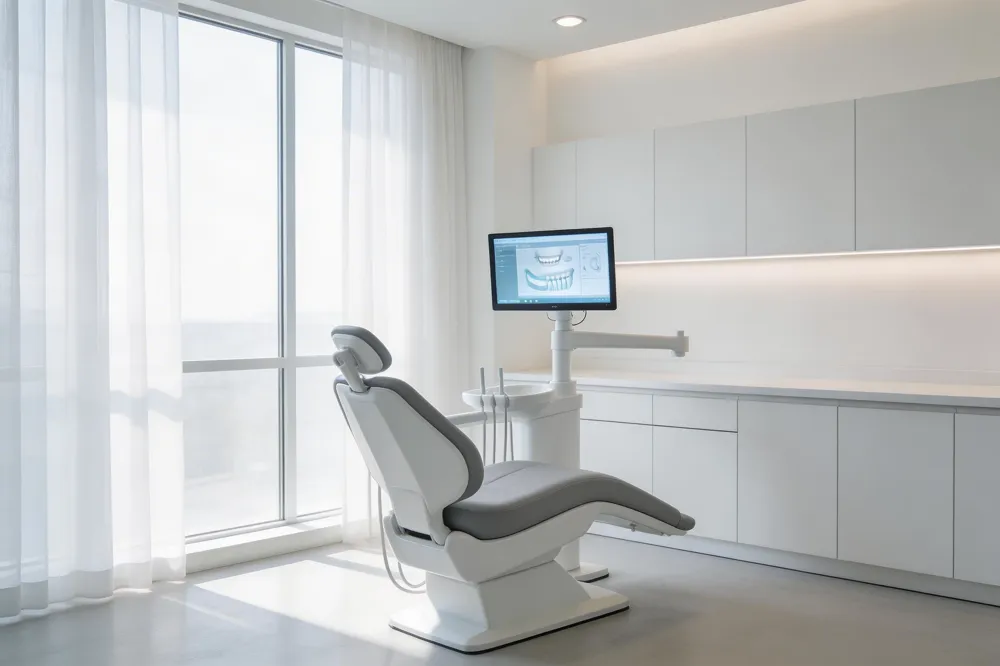
Digital Smile Design (DSD) is a technology‑driven workflow that combines high‑resolution photographs, videos, intra‑oral scans and 3‑D modeling to create a virtual mock‑up of a patient’s future smile. By overlaying the proposed design onto the patient’s facial anatomy, dentists can evaluate tooth size, shape, gum line, lip dynamics and bite before any tooth preparation begins. This visual preview empowers patients to see the anticipated result, ask questions, and approve adjustments, dramatically improving communication and confidence. Clinically, DSD increases precision, reduces chair‑time, and minimizes the need for post‑treatment adjustments, leading to more predictable, natural‑looking outcomes. For modern cosmetic dentistry, DSD bridges aesthetic desires with functional considerations, offering a transparent, patient‑centered planning process that enhances case acceptance, streamlines interdisciplinary collaboration, and sets a new standard for high‑quality smile makeovers.
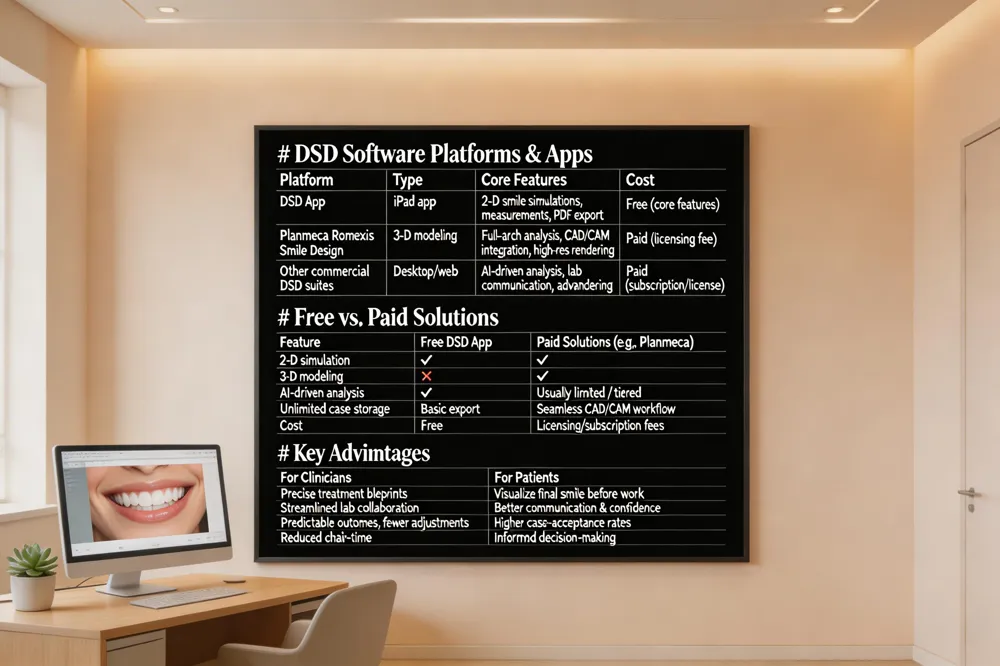
 DSD software platforms and apps Gentle Dentistry of Staten Island primarily uses the free DSD App on iPad, complemented by Planmeca Romexis Smile Design for advanced 3‑D modeling. The DSD App enables quick 2‑D smile simulations, precise measurements, and easy PDF export, while Planmeca provides full‑arch 3‑D analysis and integration with CAD/CAM milling.
Free versus paid solutions The DSD App is completely free to download and use, offering core features without subscription. Paid options, such as Planmeca Romexis or other commercial DSD suites, add AI‑driven analysis, higher‑resolution rendering, and seamless lab communication, but carry licensing fees. Practices can start with the free app and upgrade as case complexity grows.
Key advantages for clinicians and patients Digital smile design visualizes the final smile before any invasive work, reducing guesswork and chair‑time. It enhances patient‑dentist communication, boosts confidence, and improves case‑acceptance rates. Clinicians benefit from precise treatment blueprints, streamlined lab collaboration, and fewer adjustments, leading to predictable, high‑quality outcomes.
FAQs
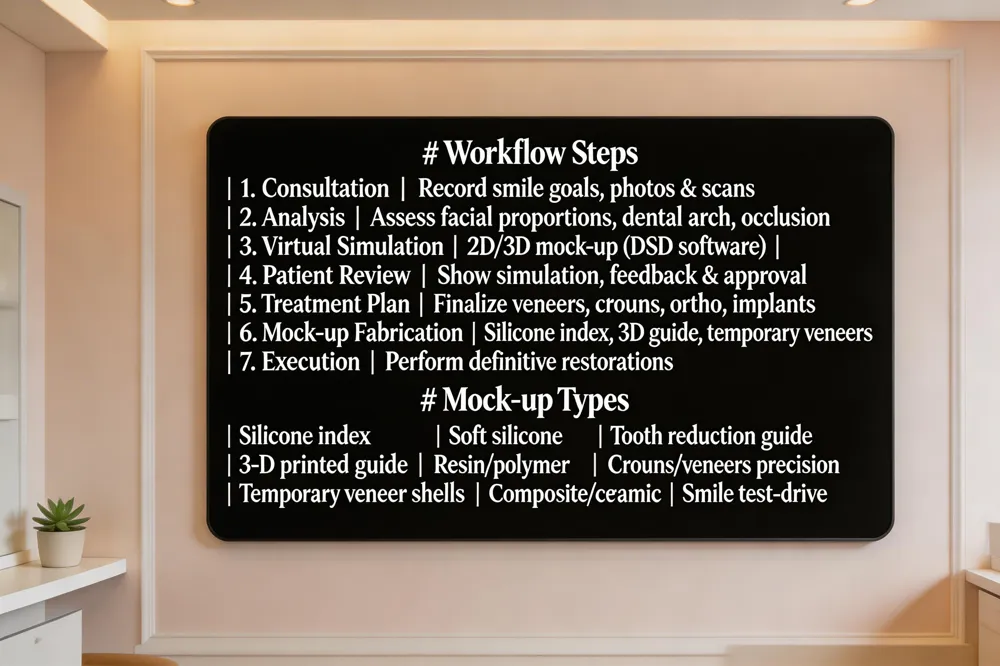
 Digital smile design near me – Gentle Dentistry of Staten Island offers DSD with Dr. Louis Sterling and Dr. Sara Skurnick, providing a personalized 3‑D plan that aligns aesthetic goals with functional needs.
How to do a digital smile design? – After the initial consultation, the clinician records smile goals, captures digital impressions, analyzes facial proportions, generates a virtual simulation, gathers patient approval, and finalizes a detailed treatment plan that guides veneers, crowns, orthodontics, or implants.
DSD mockup – The mock‑up can be a silicone index, a 3‑D‑printed guide, or temporary veneer shells that let patients “test‑drive” the new smile before any tooth preparation.
Digital mockup dental – Gentle Dentistry creates precise digital mock‑ups that integrate intra‑oral scans, facial photos, and CBCT data, streamlining lab fabrication and reducing chair time.
Digital smile design case report – A recent Staten Island case used full‑arch DSD to design lithium‑disilicate veneers that matched the digital preview perfectly, delivering a natural, harmonious smile in a single appointment.
Digital smile design book – Key references include “Digital Smile Design: The Basic” (Rajput & Hasti) and “Smile Design: A Guide for Clinician, Ceramist, and Patient” (Chiche & Aoshima) for clinicians seeking in guidance.
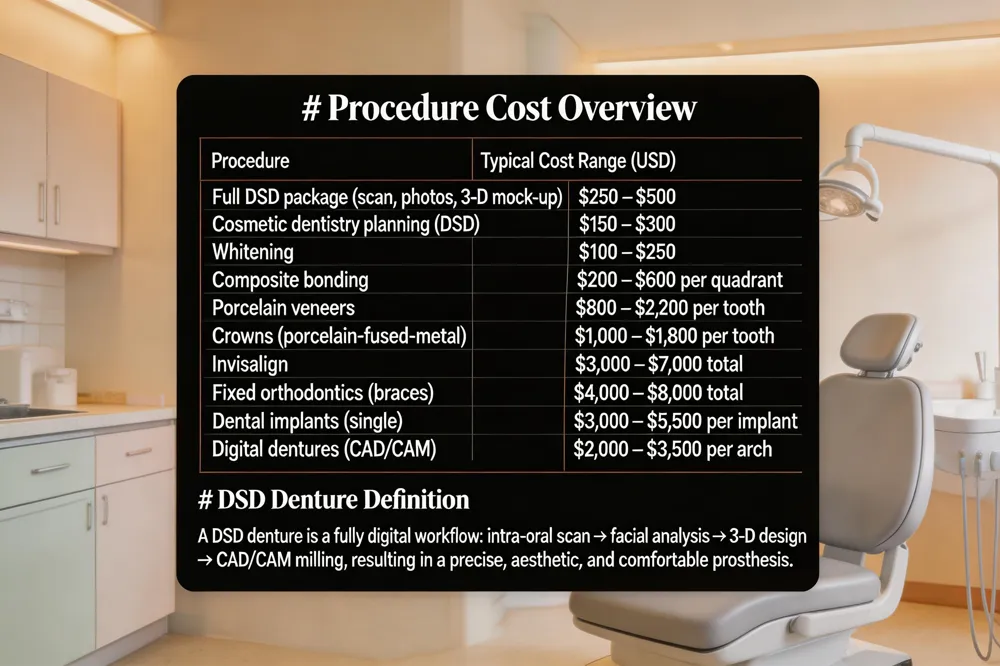
 Cosmetic dentistry procedures: Gentle Dentistry offers whitening, bonding, custom veneers, crowns, gum‑contouring, Invisalign®, braces, and implants for a complete smile makeover.
Are digital dentures worth the money? Yes—precise CAD‑designed fit reduces adjustments, discomfort, and long‑term costs, making the higher upfront price worthwhile for comfort and durability.
Digital Smile Design price: $250‑$500 for the full DSD package; additional procedures are priced separately.
Cosmetic dentistry planning cost: First consultation free; detailed DSD planning $150‑$300.
Cosmetic dentistry vs orthodontics: Cosmetic dentistry enhances appearance (whitening, veneers, crowns); orthodontics corrects bite and alignment (braces, Invisalign®). Both can be combined for optimal results.
Cosmetic dentistry before and after: Gentle Dentistry showcases a gallery of transformations featuring veneers, crowns, whitening, Invisalign®, and gum‑recontouring.
Types of cosmetic dentistry: whitening, bonding, composite veneers, porcelain veneers/crowns, gum contouring, and orthodontic options.
What is a DSD denture? A customized denture designed with DSD’s digital scans and CAD/CAM, delivering a precise, aesthetic, and comfortable prosthetic solution.

![# Cosmetic Dentist Salary
| Experience Level | Salary Range (USD) | Notes |
|---|---|---|
| Entry‑level | $165,000 – $180,000 | 0–3 years experience |
| Mid‑career | $180,000 – $210,000 | 3–7 years, some specialization |
| Top performers | $210,000 – $230,000+ | 7+ years, high‑cost markets (CA, NY, DC) |
| Bonuses/Profit‑share | Varies | Practice ownership, case volume |
| Benefit | Description |
|---|---|
| Advanced certification | Formal DSD Master credential |
| Hands‑on workshops | Practical training with Dr. Sterling & Dr. Skurnick |
| Practice growth | Marketing advantage, higher case acceptance |
| Patient communication | More effective visual explanations |
The average annual salary for a cosmetic dentist in the United States ranges from $180,000 to $200,000, with entry‑level earners around $165,000 and top performers exceeding $230,000. High‑cost markets such as California, New York, and D.C. typically pay 10 %+ above the national average. Additional income may come from bonuses, profit‑sharing, and practice ownership. At Gentle Dentistry of Staten Island, compensation follows these benchmarks, reflecting the specialized expertise of our cosmetic dentists.
Digital Smile Design Master is an advanced certification that trains clinicians to implement the Digital Smile Design workflow. It covers digital imaging, virtual simulations, treatment planning, and patient communication. At Gentle Dentistry of Staten Island offers hands‑on DSD Master workshops led by Dr. Louis Sterling and Dr. Sara Skurnick, granting the DSD Master credential and boosting practice growth.
Be DSD is the official online platform for DSD education, providing case studies, webinars, CE‑credited courses, and a community of practitioners. Membership keeps our team at the forefront of digital dentistry, ensuring accurate, patient‑centered smile design.
A DMD is a professional degree enabling dental practice; a DSD is a technology‑driven planning system used by trained dentists. The DMD denotes qualification, while DSD denotes a digital workflow for aesthetic cases.
![# Emerging Technologies
| Technology | Application in DSD | Primary Benefit |
|---|---|---|
| Artificial Intelligence (AI) | Auto‑analyze facial proportions, suggest tooth dimensions, predictive outcome modeling | Faster planning, data‑driven decisions |
| Augmented Reality (AR) | Real‑time holographic overlay of proposed smile on patient’s face | Enhanced shared decision‑making |
| Cloud‑based Collaboration | Secure sharing of case files between clinician, lab, and patient | Streamlined workflow, remote approvals |
| Predictive Analytics | Machine‑learning models forecast success of veneers/implants | Reduced complications, higher acceptance |
| Virtual Reality (VR) Education | Immersive tours of treatment journey, bite‑force simulations | Better patient understanding & compliance |
Predictive analytics and treatment outcomes: By feeding millions of prior cases into machine‑learning models, DSD platforms can forecast the success of veneers, implants, or Invisalign movements, flagging potential complications before they arise. This data‑driven insight improves case acceptance and reduces chair‑time adjustments.
Patient education tools: Interactive 3‑D apps, virtual reality tours of the treatment journey, and animated bite‑force simulations empower patients to understand functional and aesthetic aspects, boosting confidence and compliance.
What is the 3-3-3 rule for teeth? The 3‑3‑3 rule is a personal oral‑care guideline suggesting brushing three times a day for three minutes each and avoiding food for three hours before bedtime. It is not an official recommendation; evidence‑based practice advises brushing twice daily for two minutes, daily flossing, and limiting nighttime snacking.
Digital smile design: A tool for treatment planning and communication in Esthetic Dentistry DSD converts facial and dental photographs, scans, and diagnostic data into a visual 3‑D treatment plan reviewed instantly by clinician and patient. Overlaying reference lines on images highlights aesthetic and functional issues, enabling real‑time collaboration, reducing adjustments, and streamlining costs.
Digital smile design price At Gentle Dentistry of Staten Island, a full DSD package (intra‑oral scan, photographic documentation, 3‑D mock‑up) typically costs $250‑$500. Restorative procedures are billed separately. Training courses range from $35/month online to $7,500 for intensive in‑person programs.
Digital Smile Design has revolutionized modern cosmetic dentistry by turning smile make into a precise, visual, and collaborative process. High‑resolution photography, 3‑D intra‑oral scans, and sophisticated software now allow dentists to create a realistic mock‑up of a patient’s future smile before any invasive work begins, resulting in higher predictability, reduced chair‑time, and fewer adjustments. Patients who experience DSD report greater confidence, clearer expectations, and higher satisfaction with their final results. Gentle Dentistry of Staten Island invites anyone seeking a personalized, minimally invasive smile makeover to schedule a DSD consultation, where the team will walk you through a virtual preview and tailor a treatment plan that respects both aesthetics and function. As artificial‑intelligence analytics and augmented‑reality tools continue to integrate with DSD platforms, the future promises even more accurate, efficient, and patient‑centered digital dental care.