Even more knowledge

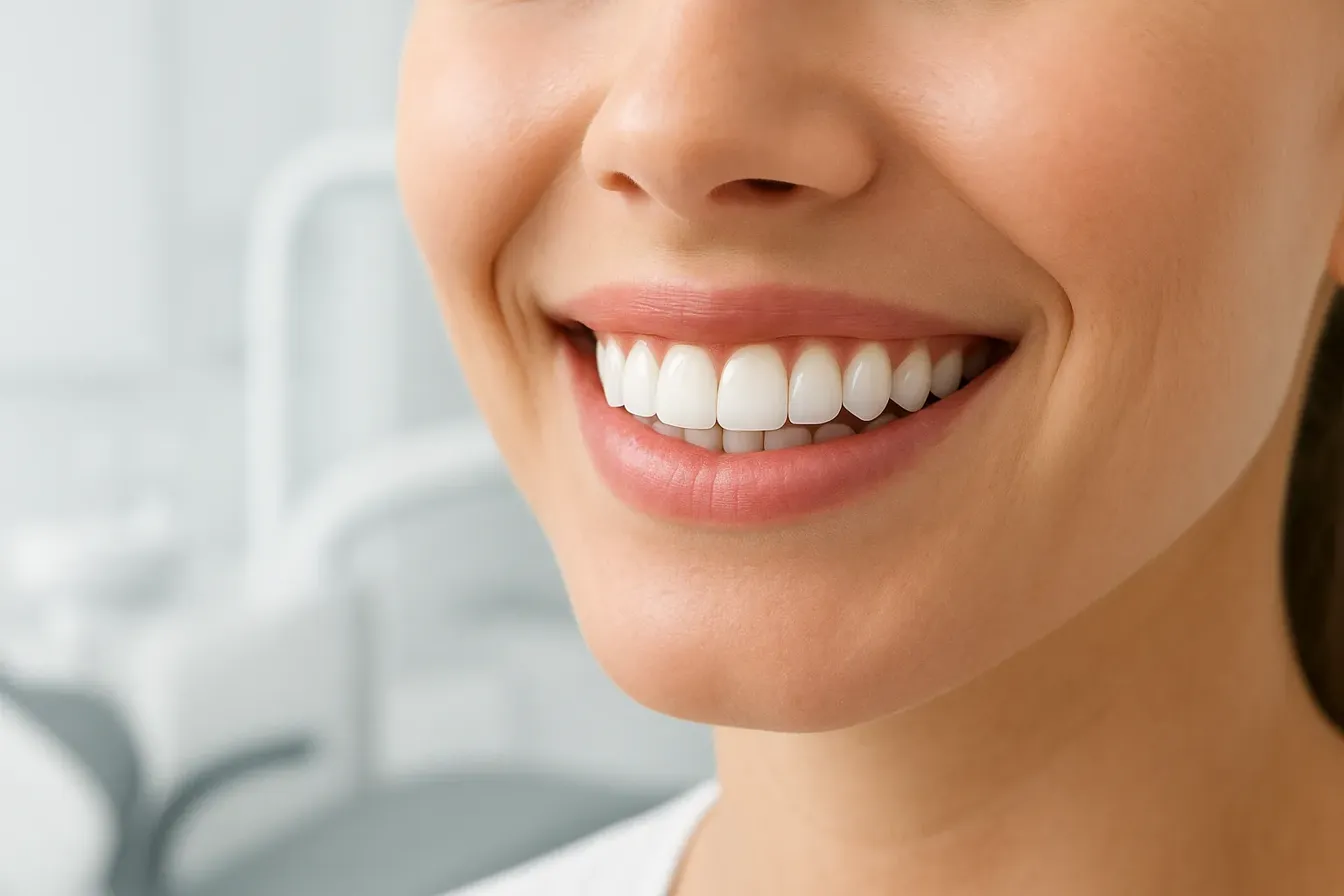
Smile rejuvenation refers to a set of cosmetic dental procedures aimed at restoring a youthful, vibrant appearance to a patient's smile by addressing common age-related changes, such as tooth wear, discoloration, and minor imperfections.
Dental bonding is a minimally invasive cosmetic dentistry technique that applies a tooth-colored composite resin directly to the teeth to correct issues such as chips, cracks, discoloration, gaps, and uneven shapes. It is often completed in a single office visit without anesthesia and preserves natural tooth structure.
Bonding serves both esthetic and restorative purposes by improving tooth appearance and repairing minor damage. It can conceal stained or worn teeth, close small gaps, and restore chipped or cracked teeth, contributing significantly to smile rejuvenation by creating a natural and youthful look with minimal intervention.

The most effective type of Dental bonding procedure for addressing small tooth flaws such as chips, minor cracks, or slight discolorations is direct composite bonding. This technique involves the direct application of a Tooth-colored resin material onto the tooth in a single dental appointment. The resin is carefully molded and sculpted by the dentist to match the natural tooth shape and color, followed by curing with a specialized light to harden the material.
The procedure starts with a consultation and shade selection to ensure an exact color match to surrounding teeth. The tooth surface is then gently roughened, and a conditioning liquid is applied to improve adhesion. The composite resin is applied in layers, with the dentist shaping it for optimal aesthetics and function. Each layer is hardened using a curing light. Finally, the surface is polished to create a smooth, lustrous finish that seamlessly integrates with the natural teeth as described in the Dental bonding procedure.
Composite resins, made from a mixture of plastic and glass particles, are used in bonding. These materials offer a tooth-colored, translucent appearance that mimics natural enamel. Modern composites are durable and provide a natural luster, ensuring that bonded areas blend discreetly with neighboring teeth.
Dental bonding is Minimally invasive dental procedure, requiring little or no removal of natural enamel. It is typically completed in a single visit, making the procedure quick and convenient. Additionally, bonding is Cost-effective dental bonding compared to veneers or crowns, and it is reversible and repairable if needed. The procedure improves both cosmetic appearance and restores minor damage, making it a versatile solution.
Dental bonding effectively addresses minor cosmetic and restorative issues, including repairing chips and cracks, Closing small gaps with bonding, masking discolorations that do not respond to whitening, reshaping uneven or worn teeth, and protecting exposed roots. It is particularly suitable for front teeth where aesthetic considerations are paramount.
Yes, dental bonding is both a cosmetic and Restorative dental bonding treatment. It restores damaged or decayed areas of the teeth, improving function and appearance while preserving natural tooth structure. Its restorative nature distinguishes it from purely aesthetic procedures.

Yes, composite bonding can significantly transform your smile by addressing various cosmetic dental flaws. This Dental bonding procedure involves using a tooth-colored resin that is expertly matched to your natural teeth, ensuring a seamless and natural appearance. It effectively repairs chips, closes gaps, reshapes teeth, and masks discolorations with minimal to no removal of enamel. Often completed in a single visit, bonding improves smile symmetry and provides a polished, youthful finish that boosts confidence.
Composite bonding can improve a gummy smile by reshaping and lengthening teeth to reduce the visible gum area. Dentists apply and sculpt tooth-colored resin to the exposed part of the teeth, making them appear longer and more proportionate. This minimally invasive technique offers a cost-effective alternative to gum surgery or orthodontics and maintains a natural look by precisely matching the resin color.
Bonding uses sculpted composite resin to widen and lengthen teeth that appear narrow or short. By adding carefully shaped material, dentists can broaden the dental arch's visual appearance, creating a fuller, more balanced smile that enhances overall facial aesthetics.
Dental bonding's ability to restore chipped, cracked, or discolored teeth, along with its capacity to close gaps and refine tooth shape, plays an essential role in smile rejuvenation—particularly for aging populations retaining natural teeth but facing esthetic signs of aging in smiles. This conservative restorative dental procedure preserves natural tooth structure while providing natural-color matched improvements, making it ideal for those seeking to restore a youthful, harmonious smile.
A dental crown is a custom-made cap designed to cover the visible portion of a damaged or weakened tooth. It restores the tooth's natural shape, size, strength, and appearance while sealing out bacteria to prevent further issues. Crowns are typically used when teeth have deep cracks, large fillings, after root canal therapy, or when improving the look of discolored or misshapen teeth. Common materials include porcelain, ceramic, metal, or a combination for strength and esthetics. Porcelain crowns for damaged teeth
Before placing a crown, the dentist reshapes the tooth by removing a small amount of enamel to ensure a comfortable and precise fit. The crown is then bonded to the tooth using dental cement, which acts like a strong adhesive. This seal holds the crown firmly in place, allowing it to function much like a natural tooth and protect it from further damage or decay. Dental bonding and ceramic restorations
Typically, crown placement involves two appointments. In the first visit, the tooth is prepared and impressions are taken. A temporary crown protects the tooth while the permanent crown is made in a dental lab. At the second visit, the temporary crown is removed, and the permanent crown is adjusted and cemented in place. Some practices offer same-day crowns, enabling the entire procedure to be completed in one visit using advanced technology. Cosmetic Dentistry Services in Greensboro, NC
Getting veneers starts with a consultation to assess oral health and suitability. The dentist then removes a thin layer of enamel from the front of teeth, often with local anesthesia. Impressions or digital scans are taken to fabricate custom veneers that match your desired shade. Temporary veneers may be placed during this period. At a follow-up, the permanent veneers are bonded onto the teeth with strong dental adhesive, adjusted as needed, and monitored for fit and gum health. Veneers for smile improvements
Proper care includes gentle brushing twice a day with a soft-bristled toothbrush and non-abrasive toothpaste, daily flossing, and avoiding hard foods to prevent chipping. Limiting stain-causing foods and drinks like coffee, tea, and red wine also helps maintain brightness. Wearing a nightguard protects veneers from grinding damage. Regular dental check-ups and professional cleanings support their longevity, and avoiding tobacco products is recommended. Maintaining dental bonding and veneers
Dental bonding, crowns, and veneers each play unique roles in cosmetic dentistry, offering varying balances of cost, invasiveness, durability, and appearance. Selecting the right treatment depends on individual dental needs, aesthetic goals, and budget, with guidance from a qualified cosmetic dentist. Consulting a cosmetic dentist for dental bonding
| Treatment Type | Invasiveness | Durability | Procedure Visits | Cost Range (USD) | Insurance Coverage |
|---|---|---|---|---|---|
| Bonding | Minimal to none enamel removal | 3–10 years | Usually 1 | $100–$400 per tooth | Often not covered |
| Veneers | Requires enamel removal | 10–15 years | 2+ | $800–$2,500 per tooth | Rarely covered |
| Crowns | Significant tooth preparation | Long-lasting (10+ years) | 2 (or 1 with same-day tech) | $800–$3,000 per tooth | May have partial coverage |

Dental bonding typically lasts between 3 to 10 years, depending on oral hygiene, diet, and habits. Front teeth usually retain bonding longer than molars due to lower bite pressure. While bonding provides natural-looking restoration, it is less durable than porcelain veneers or crowns (Dental bonding overview, Durability of composite bonding).
Patients should maintain good oral hygiene by brushing twice daily with a soft-bristled toothbrush and non-abrasive toothpaste, and flossing daily to prevent plaque build-up. Avoiding hard or sticky foods that can chip or damage the resin is crucial (Dental bonding care tips, Care tips for bonded teeth).
Bonded teeth are more susceptible to staining from coffee, tea, red wine, and tobacco. Limiting consumption of these substances and rinsing the mouth after exposure helps preserve aesthetics. To prevent chipping, patients should avoid biting hard objects and consider using a nightguard if they grind their teeth (Avoiding stains on bonded teeth, Care and maintenance after bonding).
Because the composite resin can wear or discolor over time, repairs or touch-ups may be needed every few years. Regular dental check-ups allow early detection of damage and timely maintenance (Maintenance of dental bonding, Dental bonding longevity).
Patients should avoid stain-causing foods and habits, follow a consistent oral care routine, and attend routine dental visits. Whitening treatments should be done prior to bonding since the resin does not respond to bleaching. Dental bonding is a cost-effective cosmetic solution, with typical US costs ranging from $100 to $600 per tooth without insurance (Cost of dental bonding, Affordable cosmetic dental option).
Proper care and patient compliance are key to maximizing dental bonding lifespan, ensuring a bright, natural, and functional smile for years (Dental bonding benefits, Dental bonding procedure).

As the population ages while retaining more natural teeth, there is an increasing desire for treatments that restore a youthful smile. Dental professionals see this trend reflected in patients seeking solutions for age-related dental wear, discoloration, and minor imperfections (cosmetic dentistry for youthful appearance).
Cosmetic dentistry offers conservative options like Dental bonding for cosmetic dentistry that can reverse signs of dental aging. Bonding procedures are minimally invasive and preserve enamel, making them preferable for patients wanting to improve chipped, stained, or worn teeth without crowns or veneers (conservative restorative dental procedures.
Advanced tools such as composite resin mock-ups and incisal putty matrices for treatment preview enable dentists to previsualize esthetic and occlusal results before treatment. This planning aids in precise execution of smile rejuvenation, ensuring functional and cosmetic success (diagnostic tools in cosmetic dentistry.
Dentists trained in cosmetic procedures expand practice roles by offering Dental Bonding Treatment. These treatments provide accessible, affordable smile enhancements, meeting growing patient demand in the U.S. dental market (expanding dental practice with esthetic procedures.
Smile rejuvenation is tailored to each patient, involving a combination of whitening, Dental bonding for smile restoration, veneers, orthodontics, or gum contouring as needed. This holistic approach restores natural appearance and function, increasing patient confidence (patient-centered dental care).
The number of teeth bonded varies based on individual needs. Some patients bond a single tooth to repair localized damage while others bond six to eight front teeth for symmetry and balance. Bonding is generally reserved for front teeth due to functional demands on molars (Dental bonding procedure).
Smile rejuvenation is a comprehensive approach addressing both esthetics and oral health, including whitening, Cosmetic dentistry procedures, veneers, implants, orthodontics, crowns, and gum reshaping. It aims to create a youthful and natural smile tailored to patient goals, improving function and long-term oral wellness (Cosmetic Dentistry Services in Greensboro, NC.