Even more knowledge

Effective communication is fundamental to successful dental treatment planning. Clear, compassionate dialogue between dentists and patients ensures that treatment options and procedures are thoroughly understood. Studies indicate that 60% of patients often misunderstand dental explanations, which can negatively affect compliance and outcomes.
Building trust is essential and hinges on transparent, honest communication. Dentists who explain the purpose of questions, procedures, and risks in plain language foster an atmosphere of openness. This promotes patient comfort and willingness to share vital health information. Empathy and active listening further strengthen the dentist-patient relationship, making patients feel valued and reducing anxiety.
Good communication directly influences patient adherence to treatment plans. Patients who feel understood and involved through shared decision-making are more likely to follow recommendations, maintain oral hygiene, and return for follow-up visits. Positive communication climates encourage collaboration and reduce the risk of misunderstandings or complaints, ultimately supporting better oral health outcomes.
| Aspect | Importance | Practical Effect |
|---|---|---|
| Clear explanations | Enhances patient understanding | Improves treatment adherence |
| Empathy and active listening | Builds trust and reduces patient anxiety | Increases patient retention |
| Transparency and openness | Encourages honest patient disclosure | Supports informed consent and shared decision-making |
| Positive communication climate | Fosters collaboration among dental team and patient | Minimizes conflicts and complaints |
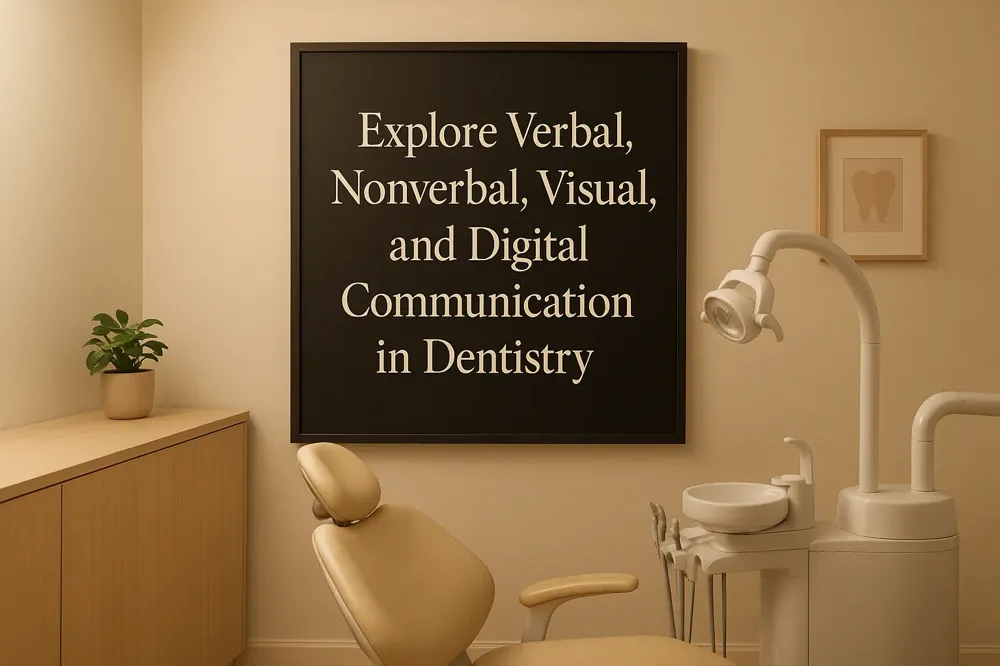
Dental practices utilize a range of communication methods to ensure clear understanding and effective interaction with patients. These include verbal communication, nonverbal communication, written materials, and visual aids. Verbal communication involves speaking clearly in simple language, encouraging questions, and using teach-back methods to confirm patient understanding.
Nonverbal communication plays a vital role, with body language, facial expressions, and gestures significantly influencing how messages are received. Positive eye contact, open posture, and empathetic facial expressions help build trust and reduce patient anxiety.
Written communication, such as informational pamphlets, consent forms, and digital messages, supports patient comprehension and documentation.
Visual communication employs tools like intraoral cameras, X-rays, models, and before-and-after photos to illustrate treatment plans and outcomes, aiding patients in making informed decisions. These methods enhance patient-centered care in dentistry.
Modern technology enhances communication in dental care through digital platforms and devices. Patient portals facilitate appointment scheduling, reminders, and access to educational materials. Teledentistry platforms allow remote consultations and follow-up, increasing access and convenience.
Additional digital tools include AI chatbots for answering queries, educational videos to demonstrate procedures, intraoral cameras to provide detailed oral imagery, and social media to engage and inform patients. These technologies support two-way communication, improve engagement, and contribute to higher patient satisfaction.
In summary, combining verbal, nonverbal, written, and visual communication methods alongside digital tools fosters clear dialogue, builds trust, and enhances patient-centered care in dentistry.

Patient-centered care in dentistry focuses on respecting and responding to each patient's unique preferences, needs, and values. This approach fosters empathy, shared decision-making, and effective communication in dental care, ultimately improving physical and psychological outcomes.
Empathy and respect lie at the heart of patient-centered care in oral health. Dentists build trust by actively listening, using clear language, and validating patient concerns, which helps reduce anxiety and encourages honest dialogue. Shared decision-making involves patients in treatment planning, promoting autonomy and collaboration, which enhances satisfaction and adherence to care recommendations.
Many patients face barriers such as dental anxiety, limited health literacy, cultural differences, and financial concerns. Effective communication in dental practices strategies, including using simple language, visual aids, and motivational interviewing, help overcome these hurdles. Practices may incorporate teledentistry, mobile clinics, and culturally aware staff training to expand access and improve patient comfort. These steps foster a supportive environment that empowers patients to engage actively in their oral health.
Overall, the patient-centered approach in dentistry creates individualized care plans that improve treatment outcomes, build long-term relationships, and ensure that care is both effective and compassionate.
Effective communication in dental practices plays a vital role in enhancing patient satisfaction by ensuring patients fully understand their treatment options, procedures, and oral health goals. Clear explanations delivered in simple language help patients grasp complex dental concepts, which leads to increased trust and reassurance. Dentists who active listening in dentistry and address patient concerns build a respectful and supportive atmosphere, making patients feel valued.
Using visual aids such as X-rays, models, and Intraoral cameras supports patient comprehension. Encouraging questions and summarizing information with Teach-back methods in dentistry ensure the patient accurately understands treatment recommendations. This reduces confusion, improves adherence, and allows patients to make informed decisions.
Dental anxiety is common and can deter patients from seeking care. Showing compassion to dental patients, empathetic listening, and creating a warm environment alleviate fear. Honest discussions about procedures and risks, using clear language, foster trust. When patients feel heard and respected, they experience greater comfort and reduced stress during visits.
Two-way communication benefits cultivates long-term relationships by encouraging shared decision-making and respecting patient preferences. Engaged patients are more likely to follow care plans, attend follow-up visits, and maintain oral health routines. This sustained collaboration leads to improved health outcomes and patient loyalty.
Effective communication in dental practices therefore directly improves patient satisfaction by promoting understanding, comfort, and partnership throughout the care journey.
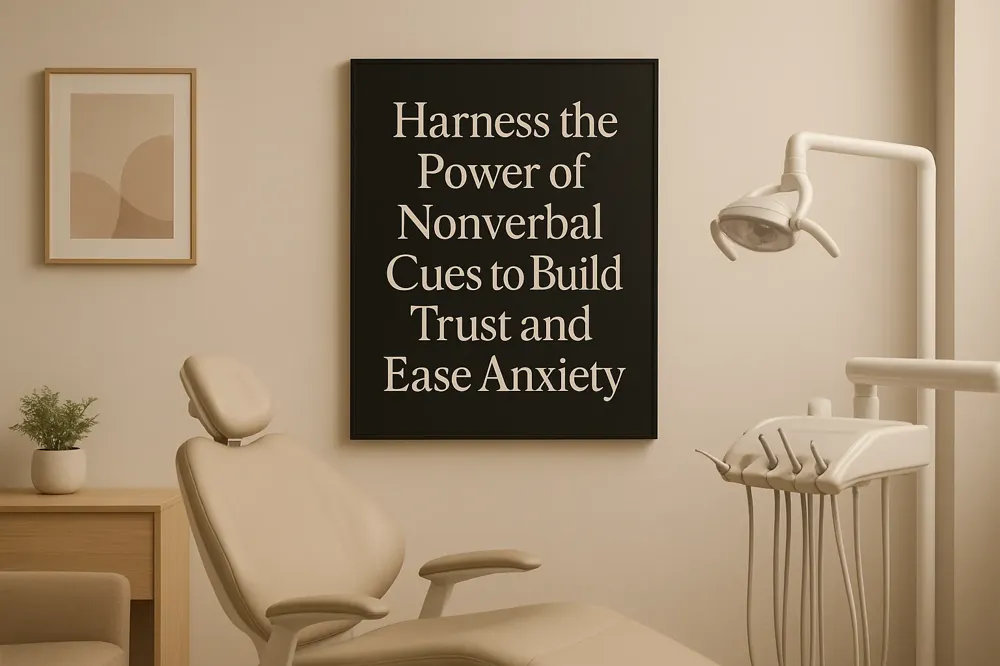
Nonverbal communication in dental practice plays a crucial role in dental care by helping providers create a comfortable and trusting environment for patients. It enables dentists and their teams to assess patients' emotional states, pain levels, and comfort beyond spoken words. For example, a reassuring smile or gentle touch can alleviate anxiety and make patients feel safer during treatments.
Eye contact signals attentiveness and respect, fostering trust between the dentist and patient. Positive body language, such as open posture and nodding, encourages patients to share concerns openly. Facial expressions like warmth and empathy help reduce patient anxiety, making them more comfortable during appointments. Dentists who are aware of these cues can respond more sensitively and effectively. This is reinforced by the importance of nonverbal communication in dental care.
Effective use of nonverbal cues strengthens the dentist–patient relationship by building trust and comfort. Patients who feel understood through both verbal and nonverbal communication are more likely to cooperate with treatment plans and adhere to recommendations. This enhanced cooperation leads to improved treatment outcomes and higher patient satisfaction, as discussed in Improving Patient Communication in Dental Practices.
| Aspect | Nonverbal Elements | Impact on Dental Care |
|---|---|---|
| Emotional Assessment | Facial expressions, body posture | Identifies patient discomfort and anxiety |
| Building Trust | Eye contact, smiling | Creates a welcoming, safe environment |
| Enhancing Cooperation | Nodding, open gestures | Encourages patient openness and adherence |
Mastering nonverbal communication in dental practice is essential in dental settings to provide patient-centered care in oral health, reduce anxiety, and improve the overall treatment experience.
Effective communication skills are crucial for dental professionals to foster trust, enhance patient understanding, and improve treatment adherence. Active listening in dentistry stands out as a foundational skill—this involves giving full attention, reflecting on patient concerns, validating emotions, and asking open-ended questions that invite deeper conversation. Demonstrating empathy by acknowledging patient feelings helps alleviate anxiety and builds rapport.
Clear and simple language without jargon is critical. Patients often struggle with medical terms, so using simple language in dental communication, summarizing key points, and encouraging questions support better comprehension. The teach-back method, where patients repeat information to confirm understanding, further ensures clarity.
Visual aids such as digital X-rays, intraoral camera images, and before-and-after photos effectively complement verbal explanations. These tools help patients visualize treatment options and expected outcomes, increasing engagement and informed decision-making.
Addressing language and cultural barriers is essential in diverse dental settings. Utilizing trained interpreters or technological translation aids facilitates understanding for patients with limited English proficiency. Additionally, cultural competence training for staff helps recognize and respect different patient backgrounds, customs, and health beliefs, promoting inclusivity.
By integrating these evidence-based strategies—active listening in dental practices, empathy, simple language, visual support, and cultural awareness—dental providers deliver patient-centered care in oral health that enhances satisfaction, reduces misunderstandings, and fosters long-term patient relationships.
Establishing trust is fundamental in dental care. Dentists who show genuine empathy by active listening in dentistry can alleviate patient anxiety. Using simple, clear language paired with warm facial expressions and consistent eye contact helps patients feel understood and valued, which is crucial for Building trust through talk and better treatment adherence.
Fostering a two-way dialogue encourages patients to voice concerns and seek clarifications. Dentists should create an open environment where patients feel comfortable asking questions without judgment. This approach supports shared decision-making in oral health, helping patients become active participants in their oral health treatment plans.
Digital communication methods enhance patient engagement and convenience. Tools such as patient portals, teledentistry platforms, automated appointment reminders, educational videos, and AI chatbots support ongoing communication. These technologies help clarify treatment details and enable efficient follow-up, improving understanding and satisfaction.
Clear explanations about costs, treatment options, and procedures reduce uncertainty and build trust. Using visual aids like X-rays or before-and-after photos alongside straightforward discussions helps patients grasp complex information. Transparent communication about financial matters, including flexible financing options, lowers patient stress and encourages treatment acceptance, consistent with Dental patient communication dos and don’ts.
Effective dentist-patient communication combines empathy, clarity, and active engagement. By prioritizing transparent explanations, encouraging patient questions, and leveraging modern communication tools, dental professionals can enhance trust, reduce anxiety, and promote better oral health outcomes.

Effective communication in dental practices is essential for reducing the risk of complaints, lawsuits, and negative online reviews. Clear, empathetic discussions build patient satisfaction and trust in dentistry, lowering the chance of misunderstandings and dissatisfaction that might escalate to legal or regulatory actions. When dental teams foster honesty and transparency—explaining procedures, costs, and risks in understandable language—patients feel respected and valued. This transparency helps prevent conflicts and supports positive patient experiences that avoid complaints in dental care or negative feedback.
A confirming communication climate in dental offices encourages honesty, appreciation, respect, and collaboration. It facilitates better teamwork by reducing conflicts and promoting a supportive work environment. Such climates are created by describing actions without judging, focusing on problems rather than personal judgments, showing empathy, allowing flexibility, and treating everyone equally. Together, these behaviors help staff and patients feel heard and valued, enhancing cooperation and care quality.
Positive communication in dental practices not only improves patient care but also enhances staff collaboration and satisfaction. Research indicates that better communication skills in dental teams correlate with a significant increase in employee retention—up to 4.5 times higher than average. Clear, consistent messaging, regular staff meetings, and active listening in dental practice all contribute to a positive workplace atmosphere where team members feel respected and engaged.
The 80/20 Principle, or Pareto Principle, suggests that 80% of results come from 20% of efforts. In dentistry, focusing on the most impactful procedures, patient relationships, and communication strategies for dentist-patient interaction can greatly improve practice efficiency and outcomes. Prioritizing critical patient interactions and communication efforts ensures better resource use and enhances satisfaction and compliance, strengthening overall success.
Effective communication within dental practices enhances patient satisfaction, treatment adherence, trust, and overall oral health outcomes. Clear, empathetic dialogue reduces dental anxiety, fosters collaboration, and minimizes complaints or legal risks. Studies show patients who understand their care plans are more likely to comply and maintain long-term relationships.
Adopting patient-centered communication that respects preferences and encourages shared decision-making transforms care quality. Dental teams improve outcomes by using simple language, active listening, and nonverbal cues like eye contact and positive body language. This approach builds rapport, addresses concerns, and supports patient empowerment.
The integration of digital tools and continued staff training in communication skills promises further advances. Dental offices prioritizing transparent, compassionate communication see stronger patient loyalty, reduced risks, and better teamwork. Ultimately, thriving dental practices recognize communication as foundational to trustworthy, high-quality care.