Even more knowledge

Personalized dental care is an approach that considers each patient’s unique health history, lifestyle, and oral health needs. Unlike a "one-size-fits-all" method, it tailors treatment plans to individual circumstances, promoting better comfort, aesthetics, and long-term health outcomes. This approach leverages comprehensive assessments and the latest technology, such as digital imaging and CAD/CAM systems, for precise diagnoses and effective treatment planning.
By addressing specific concerns and preferences, personalized dental care reduces anxiety and improves treatment comfort. Enhanced communication and shared decision-making foster trust and improve patient engagement, leading to higher satisfaction and compliance with care plans. Patients benefit from early detection and prevention of issues, which reduces the need for extensive procedures and supports sustained oral health.
Patient-centered care emphasizes respect, empathy, and collaboration between patient and dentist. It involves clearly understanding patient values and preferences, encouraging involvement in treatment choices. This approach integrates holistic care, considering overall health conditions linked to oral health, such as diabetes and heart disease. The fusion of technology, communication, and individualized strategies ensures care is both effective and aligned with patients’ unique needs, improving outcomes and overall quality of life.
Personalized dental care begins with a thorough assessment that examines a patient's unique dental needs, lifestyle choices in dental care, and specific dental concerns. Factors such as genetic predispositions in dental care, age, medical conditions, and stress levels are carefully evaluated. This detailed evaluation enables the dentist to identify individual risk factors and tailored preventive dental measures accordingly.
Creating a customized dental treatment plan involves active collaboration between the dental professional and the patient. This shared decision-making process takes into account patient preferences in treatment planning, lifestyle, and financial considerations, fostering trust and adherence to the recommended protocols. Such collaboration ensures that the treatment aligns precisely with the patient's needs and goals.
Tailored dental treatments enhance both effectiveness and patient comfort by incorporating customized procedures. These can range from customized fluoride treatments and dental sealants for sensitive patients to gentler dental techniques for patients with sensitivity or anxiety. Advanced technologies like digital imaging in dentistry and CAD/CAM systems for custom appliances support precise diagnoses and custom-fit restorations, improving outcomes and satisfaction.
The focus on individualized care not only improves immediate treatment success but also promotes long-term oral health and patient confidence.
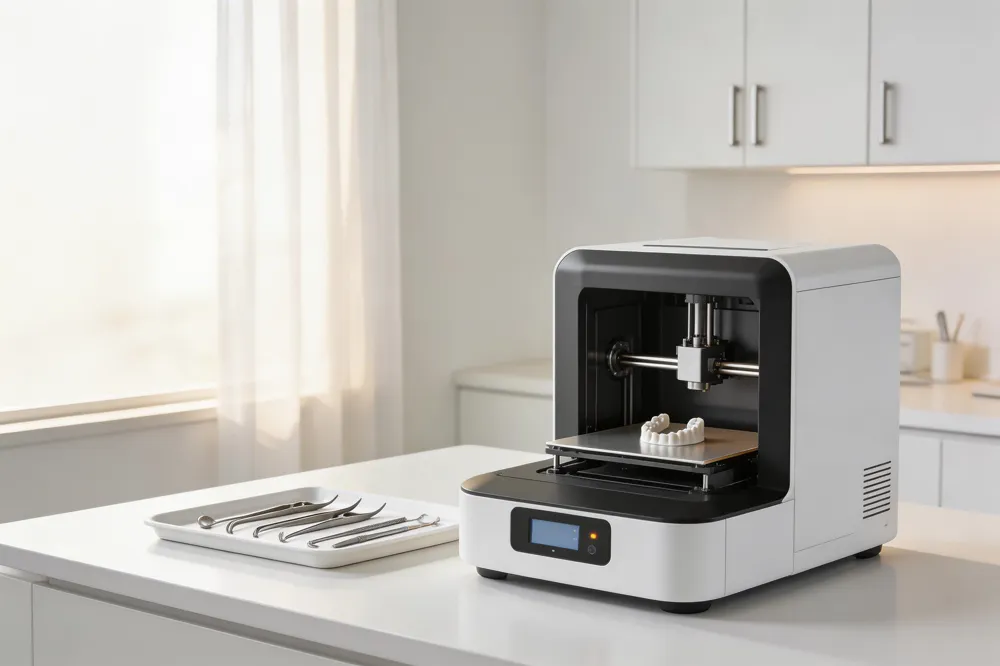
Advanced technologies such as digital imaging in dentistry, CAD/CAM systems for dental care, AI, and 3D diagnostics have revolutionized Personalized dental care. Digital imaging provides detailed views of the teeth and oral structures, helping dentists identify issues with greater precision. CAD/CAM systems facilitate the design and fabrication of custom-fit dental appliances like crowns and implants in-office, reducing turnaround times and improving restoration accuracy.
AI-powered tools assist in early detection by analyzing clinical, behavioral, and genetic data to predict risks of dental diseases. These technologies enable the creation of tailored dental treatment plans tailored specifically to the patient's unique dental condition, lifestyle, and genetic predispositions, thereby enhancing the effectiveness and longevity of dental procedures.
The integration of technology in dental care also significantly enhances patient comfort. Digital diagnostics reduce the need for invasive procedures and enable gentler dental techniques tailored to sensitive individuals. Tools like digital X-rays minimize radiation exposure and shorten examination times.
Moreover, technologies such as tele-dentistry and remote consultations allow for remote consultations, reducing the anxiety linked to in-office visits. The convenience and efficiency offered by these technologies help create a more relaxed dental experience, encouraging patients to engage proactively with their oral health.
Overall, the use of advanced dental technology promotes both precision and comfort, fostering better patient outcomes and satisfaction.
Clear, open communication regarding dental procedures, costs, and insurance options is critical to building patient trust and reducing anxiety. When patients understand exactly what to expect during treatments and how much they will pay—even before procedures begin—they feel more comfortable and engaged in their care. Providing transparent information about insurance coverage, including waiting periods and reimbursement details, empowers patients to make informed choices and reduces surprises that might deter them from seeking necessary care.
Encouraging patients to actively participate in treatment decisions fosters a collaborative environment where their preferences and concerns are respected. Shared decision-making allows dentists to tailor treatments to individual lifestyles and goals, increasing patient satisfaction and adherence to care plans. Educational efforts that explain oral health concepts, the benefits of preventive measures, and the role of emerging technologies help patients better understand their conditions and the rationale behind treatments. This knowledge also motivates patients to maintain their oral health and to engage in beneficial self-care practices.
Building trust strengthens the patient-dentist bond, leading to enhanced communication and treatment outcomes. Trust is cultivated through consistent, respectful interactions, professional expertise, and personalized care approaches that recognize each patient's unique needs. When patients trust their dentist, they are more likely to express concerns, follow recommended treatments, and attend regular appointments. Positive patient experiences and personalized communication deepen loyalty and contribute to sustained oral health improvements.
Dentists who combine transparency, effective communication, and shared decision-making foster a patient-centered environment that elevates the overall quality of personalized dental care.
Personalized dental care often includes gentler dental techniques to accommodate patients who experience anxiety or sensitivity during dental visits. Techniques may involve slower treatment pacing and anxiety-reducing methods to improve comfort. These approaches help to build trust and promote patient cooperation, leading to more effective treatments and better oral health outcomes.
Dental practices that focus on patient-centered dental care prioritize creating a soothing and supportive atmosphere. Elements such as soft lighting, calming décor, and thoughtful amenities contribute to reducing stress and encouraging a sense of security. This environment helps patients feel valued and comfortable, promoting a more positive patient experience in a dental office.
To further alleviate dental anxiety, many dental offices offer flexible appointment scheduling tailored to patient-centered care in dental practices. Accommodations may include selecting appointment times that reduce patient stress or allow for longer visits to avoid rushed treatments. By respecting individual preferences and time constraints, dental providers foster stronger patient engagement and adherence to care plans, improving long-term oral health.
Oral health and diabetes management, oral health and heart disease are closely connected. Gum disease, for instance, has been linked to inflammation that may exacerbate these chronic illnesses. Managing oral infections helps reduce systemic inflammation, contributing to improved overall health outcomes. Learn more about the impact of dental care on overall health.
Personalized dental care incorporates individual health histories and risks to develop customized dental treatments. For patients with conditions like diabetes, dentists may recommend more frequent dental cleanings, specialized fluoride treatments, and careful monitoring to reduce complications. Such strategies aim to prevent gum disease and other oral issues that can worsen systemic conditions.
Effective personalized dental care involves comprehensive dental assessments and collaboration between dental and medical professionals. By sharing patient information and coordinating treatment plans, providers can better manage oral health in the context of overall health. Digital health technologies enhance this coordination by facilitating risk assessments and tracking progress, ensuring that dental interventions support broader health goals.
Early detection through personalized dental care enables identification of oral health issues before they become severe. Tailored preventive treatments such as customized dental treatments and sealants focus on individual risk factors like genetic predisposition or lifestyle. This proactive approach prevents progression of cavities, gum disease, and other conditions, reducing the need for invasive and costly procedures later.
Advanced technologies like AI-enabled risk assessment tools analyze clinical, behavioral, and environmental data to generate personalized preventive dental care. Programs such as PreViser offer quick assessments that guide targeted preventive strategies. This data-driven method facilitates ongoing monitoring and early intervention, improving patient compliance and allowing adjustments in care plans to mitigate developing problems effectively.
By addressing patient-specific needs and vulnerabilities through tailored preventive dental measures, the frequency and severity of dental problems decrease significantly. Patients engaging in regular personalized care have shown a 43% reduction in dental expenses over time. Preventive interventions reduce complications requiring costly restorative procedures, customized dental implants, or surgeries, minimizing healthcare costs and improving overall quality of life.
Positive patient reviews are a strong indicator of the quality and effectiveness of personalized dental care. They reflect patients' satisfaction with customized dental treatment plans, clear communication, and empathetic interactions provided by dental professionals. Reviews often highlight the supportive environment and advanced dental technology used, showcasing the practice's commitment to personalized dental care plans. Such feedback not only reinforces patient trust but also encourages new and existing patients to engage in ongoing care.
Creating a comfortable dental environment begins with clear communication in dentistry about procedures, costs, and treatment options. Practices employ calming office decor and friendly staff to alleviate anxiety and foster a welcoming atmosphere. Transparency in explaining treatment plans, personalized to each patient's unique dental needs, builds trust and empowers patients to make informed decisions. This respectful approach ensures that patients feel valued and are more engaged in their oral health journey.
Personalized dental care promotes long-term patient engagement by accommodating individual needs and concerns, reducing dental anxiety, and providing flexible scheduling. Tailored treatment plans improve patient adherence and satisfaction, making routine visits more appealing. This proactive approach leads to early detection in dental care, ultimately enhancing oral health outcomes. Continuous care supported by personalized service fosters loyalty, improves confidence, and contributes to overall well-being.
Personalized dental care today extends beyond traditional methods by integrating comprehensive data about each patient. This includes Genetic predispositions in dental care, lifestyle habits, and environmental influences that collectively impact oral health. Analyzing these factors enables dental professionals to tailor preventive strategies and treatments more effectively, addressing the unique dental needs faced by each individual.
Recent advances in genomics and biotechnology have revolutionized Personalized oral and dental care. Techniques such as Saliva-based diagnostics allow non-invasive detection of both dental and systemic diseases, including oral health and heart disease and cancers. Genomics in periodontitis prevention helps identify susceptibility to oral conditions, guiding early intervention and more precise treatment plans.
Periodontal disease in the United States and dental caries are among the most prevalent oral diseases, with genetics influencing susceptibility in 40 to 60 percent of cases. Personalized interventions in dental care that incorporate genetic testing and behavioral assessments improve the management and prevention of these conditions. For instance, genomics informs tailored periodontal care therapies and customized dental treatments, reducing disease progression and enhancing patient outcomes.
Regular personalized dental care plays a vital role in maintaining healthy teeth and gums by preventing common issues like tooth decay and gum disease. Routine visits enable early detection of dental issues, allowing for timely interventions before conditions worsen.
Professional cleanings during dental appointments remove plaque and tartar buildup, key contributors to cavities and periodontal diseases. Tailored preventive dental measures, such as fluoride applications and sealants, further protect teeth based on personalized preventive dental care.
When dental problems arise, restorative procedures like fillings, crowns, and implants help preserve natural tooth function and appearance. Customized dental treatments, often crafted with advanced digital imaging in dentistry technology, ensure precise fitting and enhance comfort.
Orthodontic interventions, including braces and aligners, correct misaligned teeth to improve bite and smile aesthetics. Alongside treatment, dental professionals provide education on proper oral hygiene, empowering patients to sustain oral health and confidence over time.
Maintaining regular dental care fosters not only a healthy mouth but overall well-being by addressing both oral and systemic health needs through personalized dental care and preventive approaches.
In dentistry and small business, the 80/20 Principle suggests that 80% of results come from 20% of efforts. This principle can help dental practices focus on the most impactful activities to achieve better efficiency and success.
Dental practices apply the 80/20 rule by identifying which patients, treatments, or procedures generate the majority of their revenue or oral health outcomes. By focusing resources and time on these key areas, practices can streamline operations and improve patient satisfaction.
Prioritizing high-impact activities such as personalized dental care plans, advanced diagnostics, and efficient patient communication enables dental offices to optimize care quality while controlling costs. This targeted approach leads to better patient retention, improved oral health outcomes, and overall practice growth.

Several dental insurance providers are known for offering no waiting period and comprehensive coverage plans, making dental care more accessible and timely for patients.
Spirit Dental's Core PPO plan stands out by providing immediate coverage for preventive dental care reimbursement, basic, and major dental services, including implants and dentures. This plan is ideal for individuals requiring quick access to a wide range of treatments without delay.
Ameritas offers the PrimeStar Lite plan, which features no waiting periods for many covered services and is noted for being budget-friendly without compromising coverage quality.
UnitedHealthcare’s DentalWise 1000 plan offers immediate coverage for dentures, though it excludes dental implants. This plan is suitable for patients needing prompt denture care but not implant procedures.
Anthem’s Essential Choice PPO Incentive plan provides immediate coverage for orthodontics and teeth whitening, particularly benefiting families with children.
| Provider | Preventive Coverage | Restorative Coverage | Orthodontic Coverage |
|---|---|---|---|
| Spirit Dental Core | Immediate and comprehensive | Includes implants, dentures | Covered with no waiting period |
| Ameritas PrimeStar Lite | No waiting period (60-80% reimbursement) | Covers fillings, crowns | Included with no wait |
| UnitedHealthcare DentalWise 1000 | Preventive care immediate | Covers dentures immediately | Orthodontics not included |
| Anthem Essential Choice PPO | Preventive covered upfront | Basic and major care included | Immediate orthodontics and whitening |
These providers offer diverse options catering to patients needing quick access to dental services without waiting periods. Their plans vary in dental coverage details for preventive, restorative, and orthodontic treatments, allowing patients to select plans based on their individual needs and budgets.
Aesthetic dentistry offers a range of benefits that extend beyond just improving the appearance of your smile. Treatments such as teeth whitening, veneers, and bonding not only enhance smile aesthetics but also significantly boost improved quality of life with dental care.
Beyond the cosmetic advantages, aesthetic dentistry often incorporates restorative functions. Procedures like Customized dental implants replace missing teeth and closely mimic natural tooth structure, supporting functionality and comfort. Importantly, these implants also stimulate jawbone growth, which helps maintain facial structure and overall jaw health.
Furthermore, aesthetic dental care can reduce dental anxiety. Personalized dental care plans and Patient-centred care (PCC) in dentistry create a more comfortable experience, encouraging patients to seek timely care. Early detection of dental issues and preventive measures provided through aesthetic dentistry help avoid complications and more extensive treatments, promoting long-term oral health.
In summary, aesthetic dentistry supports both a beautiful, confident smile and vital restorative and preventive oral health functions, enhancing overall well-being.
The Canadian Dental Care Plan benefits is a government program that aims to improve access to essential dental services for eligible Canadians who do not have private dental insurance. It helps reduce financial barriers by covering basic treatments such as dental exams and X-rays, dental cleanings and fillings, and extractions. The CDCP focuses on supporting vulnerable groups like low-income families, seniors, and people with disabilities to promote better oral health across the population.
Eligibility for the Canadian Dental Care Plan (CDCP) targets Canadians aged 18 to 64 without existing dental benefits. The program is designed to assist individuals who lack private dental insurance, ensuring they can receive necessary dental care without facing financial hardship. Applications open in May 2025, with coverage potentially starting as early as June 1, 2025.
The CDCP primarily covers essential dental treatments, excluding cosmetic procedures such as teeth whitening, veneers, and cosmetic bonding. Orthodontic treatments like braces or Invisalign may have limited or no coverage depending on age and plan specifics. Repairs or replacements of existing dental appliances like crowns or bridges might also have limited support. Patients should review their dental care coverage for uninsured Canadians plan details carefully to understand which treatments are covered and which costs will need to be paid out-of-pocket.
The ultimate goal of the Canadian Dental Care Plan benefits is to enhance access to routine and preventive dental care for Canadians who previously faced financial obstacles. By providing coverage for fundamental dental services, the plan aims to prevent more serious oral health issues, improve overall dental health outcomes, and reduce long-term health costs associated with untreated dental problems.
Dental records play a crucial role in forensic identification, particularly in challenging scenarios where conventional methods like fingerprinting are not viable. This includes mass disasters, severe fires, and cases involving decomposed or skeletonized remains. Unique dental features such as morphology, restorations, and wear patterns offer reliable evidence to confirm individual identity.
Forensic odontology utilizes distinctive traits in dental structures for accurate identification. Dental tissues also provide a source of DNA, enabling genetic profiling to corroborate identity claims. Beyond identification, dental evidence can provide insights into the deceased's age, sex, and ancestry, further supporting forensic investigations.
While dental records are invaluable, some identification methods carry limitations. Bite mark analysis, historically used to link suspects to victims, faces scrutiny due to concerns over accuracy and reproducibility. Its reliability has been questioned, leading to cautious application and calls for alternative or supplementary techniques in forensic dentistry.
Overall, dental records remain a cornerstone of forensic odontology. Their advantages in providing unique and medically verifiable identifiers generally outweigh limitations, ensuring critical support in medico-legal contexts where other methods fail.
Personalized dental care significantly improves patient experience by addressing individual health histories, lifestyle choices, and specific dental needs. Customized treatment plans foster stronger patient-dentist relationships by involving patients in decision-making, reducing anxiety, and increasing comfort. This tailored approach leads to greater treatment effectiveness, improved satisfaction, and long-term oral health benefits.
Patients are encouraged to seek dental professionals who practice personalized care, prioritizing clear communication, understanding, and respect for patient preferences. Choosing such care helps in early detection of dental issues, prevention of extensive treatments, and supports overall health management, including conditions linked to oral health like diabetes and heart disease.
Advancements in technology, including digital imaging, CAD/CAM systems, AI, and tele-dentistry, play a pivotal role in precision diagnostics and individualized treatment planning. These tools make treatments quicker, more comfortable, and highly accurate. They enable ongoing improvements in care quality, ensuring dentistry remains aligned with each patient's unique needs while enhancing long-term outcomes and patient satisfaction.