Even more knowledge

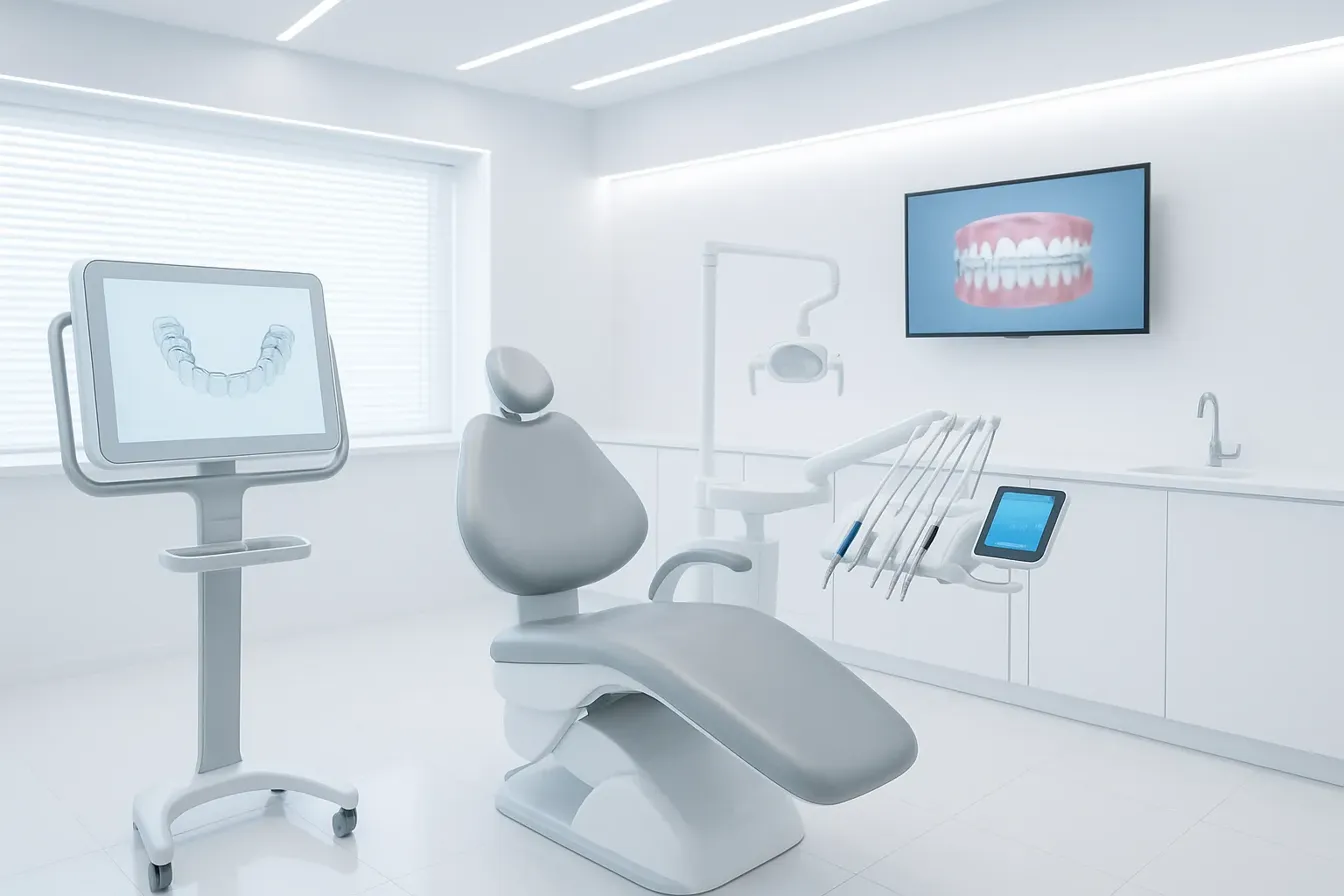
Orthodontic technology has advanced dramatically, moving beyond traditional metal braces to incorporate digital imaging, 3D printing, and artificial intelligence. Modern appliances now include clear aligners made from SmartTrack materials, self-ligating braces that reduce friction, and customized 3D-printed brackets tailored to individual tooth morphology. Innovations such as intraoral scanners and cone-beam computed tomography enable precise, three-dimensional diagnosis and treatment planning. Remote monitoring and teleorthodontics also enhance continuous care and compliance, minimizing in-office visits.
These technological strides have significantly improved patient comfort, treatment speed, and outcome predictability. Clear aligners provide a discreet and removable alternative, facilitating better oral hygiene and lifestyle integration. AI-driven treatment plans yield personalized, data-informed tooth movement sequences, reducing treatment times and enhancing accuracy. Furthermore, digital workflows streamline appliance fabrication and adjustment processes, resulting in fewer appointments and greater patient satisfaction. Collectively, these advancements foster more effective, patient-centered orthodontic care that aligns with contemporary clinical demands and expectations.

Artificial intelligence (AI) fundamentally transforms Invisalign therapy by enhancing the accuracy, efficiency, and personalization of orthodontic care. AI-powered software achieves up to 98% precision in tooth segmentation and digital modeling, enabling the design of aligners that fit better and move teeth more effectively.
AI analyzes digital imaging from intraoral scanners and 3D models to simulate and predict tooth movement, allowing orthodontists to customize treatment plans that precisely meet each patient's anatomical needs. This simulation capability enhances predictability by forecasting potential challenges and optimizing force application over the treatment course.
AI integrates various technologies including advanced 3D imaging, machine learning algorithms, and remote monitoring apps. These systems assess progress photos submitted by patients, closely track aligner fit, and flag irregularities early. Such remote monitoring reduces the frequency of in-office appointments while maintaining high clinical oversight.
Furthermore, AI supports the dynamic adjustment of treatment plans through platforms like ClinCheck Live Update and mobile apps, allowing orthodontists to revise aligner sequences promptly from any location, improving workflow and patient care continuity.
The benefits of incorporating AI in Invisalign and other orthodontic treatments are multifaceted:
Together, these advantages result in more predictable outcomes, higher patient satisfaction, and streamlined clinical workflows, marking a significant advancement in contemporary orthodontic care.

Clear aligners, such as Invisalign, represent a significant advancement in orthodontic care by providing a discreet, comfortable, and removable alternative to traditional metal braces. Their transparent appearance makes them especially attractive to adults and teens who seek less noticeable treatment options. Unlike braces, clear aligners can be removed for eating and oral hygiene, allowing patients to maintain better oral care without restrictions on diet.
In terms of treatment effectiveness, clear aligners are well-suited for a broad range of orthodontic cases, including mild to moderate crowding and spacing issues. However, they may face limitations with complex problems, such as severe malocclusions, significant rotations, or intricate bite corrections. Traditional braces generally afford more control over precise tooth movements like torque and fine occlusal adjustments, often making them necessary for challenging cases.
Comfort is a notable benefit of clear aligners, as they minimize irritation to gums and cheeks typically caused by brackets and wires. They also usually require fewer office visits, supported by digital treatment planning and remote monitoring technologies, which can shorten overall treatment duration.
Ultimately, the choice between clear aligners and traditional braces depends on the patient's specific orthodontic needs, lifestyle preferences, and professional orthodontic evaluation. Advances in 3D imaging, artificial intelligence, and material science continuously enhance clear aligner capabilities, bringing their effectiveness closer to that of traditional braces while maintaining superior aesthetics and convenience.

Digital dentistry is revolutionizing orthodontic care by incorporating advanced technologies such as 3D imaging, intraoral scanning, and computer-aided design and manufacturing (CAD/CAM). These innovations have replaced traditional dental molds with digital impressions, which are faster, more comfortable, and highly accurate.
By capturing detailed 3D models of patients’ teeth and jaw structures, orthodontists can devise personalized orthodontic treatment plans that improve diagnosis precision and treatment effectiveness. Digital workflows enhance communication with patients through visual treatment simulations, increasing understanding and compliance. Moreover, digital tools enable continuous monitoring of treatment progress, producing better outcomes with fewer visits.
3D printing technology allows for the rapid production of custom orthodontic appliances—such as brackets, expanders, clear aligners, and retainers—tailored precisely to individual dental anatomy. This capability significantly reduces turnaround times from days to sometimes same-day fabrication.
Compared to traditional manual methods, 3D printing achieves superior accuracy and fit, resulting in greater treatment comfort and more predictable tooth movement. It also lowers costs by minimizing dependence on external laboratories and facilitates quick appliance replacements without repeated impressions.
Emerging applications include direct 3D printing of aligners using biocompatible materials and 3D-printed personalized bonding trays, enhancing both clinical efficiency and patient satisfaction.
Integrating digital scanning with 3D printing creates a seamless orthodontic workflow that benefits both clinicians and patients. Accuracy is heightened by precise digital impressions and CAD designs, reducing errors common with traditional molds.
Speed is improved as appliances can be designed and produced rapidly, minimizing patient wait times and decreasing total treatment duration. This efficient workflow also limits the number of in-office visits required, adding convenience.
Patient comfort is greatly enhanced by eliminating uncomfortable, messy impression materials and enabling appliances that fit better and feel more natural. Moreover, patients benefit from visual treatment previews and direct communication facilitated by digital imaging.
Together, these digital dentistry and 3D printing advances constitute foundational pillars of modern orthodontics, delivering personalized, efficient, and patient-friendly care.
| Aspect | Traditional Method | Digital & 3D Printing Workflow |
|---|---|---|
| Impression Technique | Plaster molds (messy) | Intraoral digital scanning (fast, accurate) |
| Appliance Fabrication | Manual lab work | 3D printed custom appliances |
| Turnaround Time | Days to weeks | Hours to same-day fabrication |
| Patient Comfort | Uncomfortable molds | Comfortable scans and precise fit |
| Treatment Monitoring | Periodic physical exams | Real-time digital tracking and visualization |
These technological innovations continue to evolve, shaping the future landscape of orthodontic care with even greater precision, efficiency, and patient-centered focus.

Self-ligating braces are a modern type of orthodontic braces that feature a built-in clip or sliding mechanism to hold the archwire in place, eliminating the need for traditional elastic ties. This innovative design reduces friction, allowing teeth to move more freely and often accelerating treatment times.
Patients benefit from greater comfort due to the application of gentler, more consistent pressure, which reduces irritation compared to conventional braces. Additionally, these braces are easier to maintain and keep clean because they lack elastic ligatures where food and plaque can accumulate. Another advantage is the reduced number and duration of adjustment appointments, which enhances overall treatment convenience. For more details, see Self-ligating braces.
Recent advances in orthodontic brackets focus on improving both aesthetics and treatment effectiveness. Ceramic brackets have been enhanced to offer greater strength and mimic the natural tooth color more closely, making them less visually obtrusive. Self-ligating brackets have become more refined, using clip mechanisms to lower friction and shorten treatment duration.
Lingual braces, which attach behind teeth for a discreet appearance, now benefit from digital customization that improves their fit and comfort significantly. Moreover, the emergence of smart brackets equipped with sensors integrated with artificial intelligence enables real-time monitoring of the forces applied during treatment. This technology allows orthodontists to optimize tooth movement and decrease the frequency of office visits by remotely tracking progress.
These innovations together represent a leap in orthodontic care, combining patient comfort, treatment speed, and precision with improved aesthetics and technological integration. To learn more, visit Innovations in Orthodontics.
Accelerated orthodontics refer to advanced techniques and technologies that aim to shorten the overall time required for orthodontic treatment by promoting faster tooth movement. These innovative approaches combine specialized devices and minimally invasive procedures to optimize treatment efficiency and patient comfort.
Key modalities include the use of high-frequency vibrations in orthodontics, such as AcceleDent, which apply gentle micropulses to stimulate bone remodeling around the teeth. This biological stimulation enhances the rate at which teeth shift within the jawbone, potentially reducing treatment times significantly.
Minimally invasive adjunctive treatments like micro-osteoperforations, corticotomy, or alveocentesis create small perforations or surgical modifications in the bone, thereby activating cellular responses that accelerate tooth movement without major surgery or discomfort.
Advanced digital technologies also optimize treatment planning by simulating tooth movement and enabling precise appliance adjustments, which contribute to a more efficient correction process.
The benefits of accelerated orthodontics for patients are substantial: patients can achieve their desired smile faster, reducing the duration of wearing braces or clear aligners. This leads to fewer orthodontic appointments and lower cumulative exposure to potential appliance-related oral issues like cavities, gum irritation, or enamel decalcification.
Enhanced comfort is achieved due to less prolonged pressure on teeth and the use of gentle stimulation techniques. The shortened treatment timeline increases patient motivation and satisfaction, making this approach especially attractive for individuals seeking expedient results for special occasions or those balancing busy schedules.
Overall, accelerated orthodontics represent a significant advancement in contemporary orthodontic care, delivering safer, quicker, and more convenient treatment experiences without compromising outcomes.
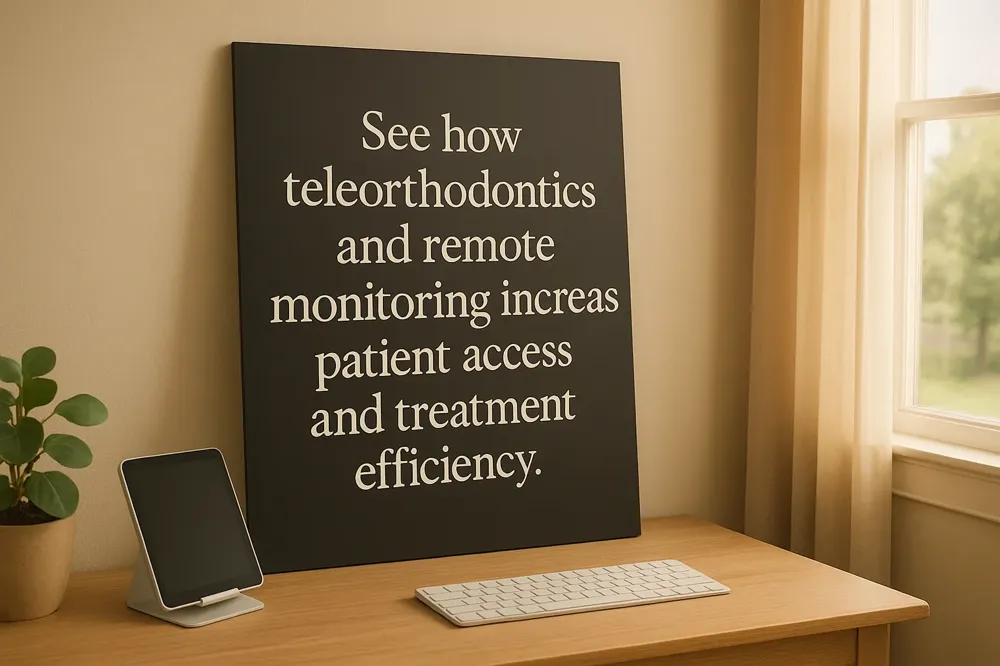
Remote patient monitoring in orthodontics involves the use of digital impressions, smartphone applications, and smart dental devices that allow patients to scan or photograph their teeth at home. These images and data are then uploaded to the orthodontist for review, enabling continuous treatment monitoring without the need for frequent in-office visits.
Virtual consultations use video conferencing platforms to connect patients with orthodontists remotely. Digital progress tracking apps often incorporate artificial intelligence (AI) to analyze patient-submitted photos for evaluating aligner fit, tooth movement, and overall treatment progress. Such technology delivers real-time feedback to both patient and clinician, allowing adjustments to treatment plans when necessary.
Remote monitoring and teleorthodontics improve patient adherence by making treatment supervision more convenient and engaging. Patients can maintain their orthodontic schedule with fewer disruptions to daily life, while clinicians gain the ability to promptly identify and address compliance issues or complications. This reduces emergency visits, minimizes treatment delays, and increases clinic efficiency by optimizing appointment scheduling and lessening in-office congestion.
Overall, teleorthodontics and remote monitoring are transforming orthodontic care by enhancing access, improving patient experience, and streamlining clinical workflow. These innovations are increasingly standard in practices seeking to provide patient-centered, tech-enabled treatment in 2025 and beyond.
Orthodontic innovation is increasingly embracing sustainability through the development of eco-friendly orthodontic materials. Modern aligners and orthodontic appliances are now being manufactured using biodegradable plastics and recyclable components to reduce environmental impact. These materials maintain the durability and effectiveness required for treatment while aligning with growing environmental concerns in healthcare.
Digital technologies play a pivotal role in enhancing patient-centered care by facilitating improved engagement. Tools such as Intraoral scanners and digital models provide patients with clear visualizations of their treatment plans. Virtual and augmented reality education help patients understand their expected outcomes, increasing satisfaction and adherence. Additionally, remote monitoring in orthodontics allow patients to share progress photos with orthodontists, enabling continuous care with fewer office visits.
Financial accessibility has improved through the introduction of flexible orthodontic payment plans including interest-free financing, extended installments, and discounts, making advanced orthodontic treatments more affordable. Clear aligner treatments and accelerated therapies are increasingly covered by insurance policies. These options empower a broader range of patients to access personalized and technologically advanced orthodontic care that fits their financial and lifestyle needs.
Through the integration of sustainable materials in orthodontics, digital dentistry in orthodontics, and financial accessibility in orthodontic care, modern orthodontic care is shaping a more patient-centered and environmentally conscious future.
Advanced digital tools such as 3D imaging, intraoral scanners, and AI-powered treatment planning enhance accuracy and patient comfort.
Clear aligners like Invisalign use these innovations to offer discreet, effective options with shorter treatment times and fewer office visits.
Smart appliances and 3D printing enable custom-made devices that improve fit and efficiency.
Patients are encouraged to explore these modern orthodontic options for improved outcomes and convenience.
Looking ahead, continued innovations including AI integration, sustainable materials, and smart monitoring promise even more personalized and efficient orthodontic care solutions.