Even more knowledge

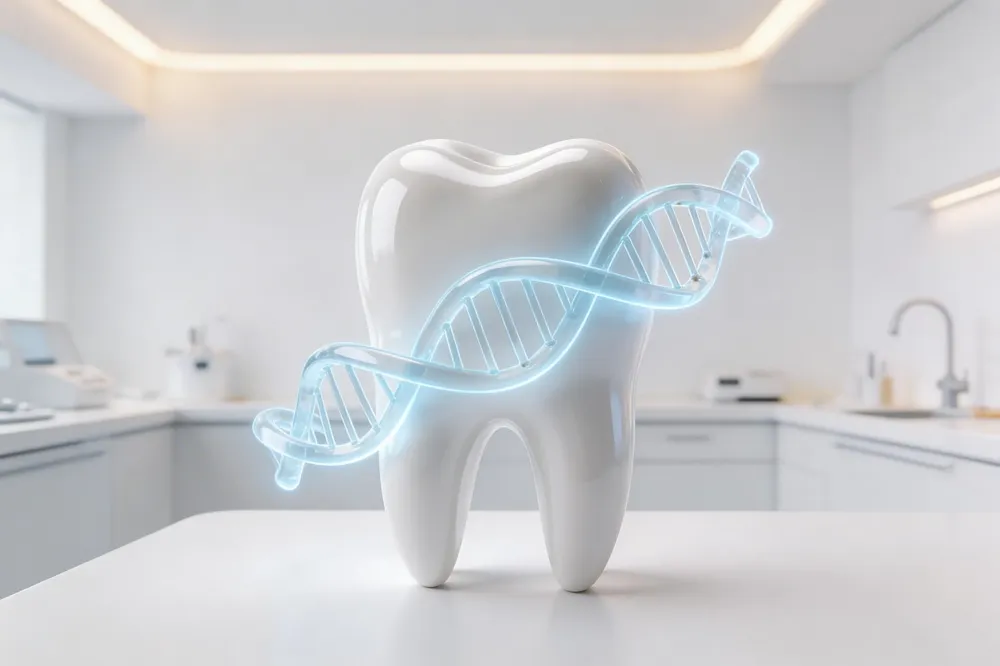
The dental field is entering a precision‑medicine era as saliva‑based genetic and biomarker testing becomes routine. Simple swab kits can reveal polymorphisms in enamel‑formation genes (AMELX, ENAM), saliva‑protein genes (PRH1, MUC7), and immune markers such as IL‑1 that influence cavity and gum‑disease risk. Combined with traditional factors—diet, oral hygiene, fluoride exposure—these data let clinicians stratify patients into low‑, moderate‑, and high‑risk categories. Personalized risk assessment matters because up to 60 % of caries susceptibility and about half of periodontal disease have a genetic component, yet lifestyle choices can modify outcomes. By identifying high‑risk individuals early, Gentle Dentistry can tailor visit frequency, prescribe high‑fluoride products, recommend targeted dietary counseling, and even anticipate implant healing or anesthesia response. This patient‑centered approach transforms preventive care from a one‑size‑fits‑all model into a proactive, evidence‑driven plan that protects oral health for every member of the Bridgeport‑Shelton community.

Genetic influence on gum disease and tooth decay is now recognized as a key piece of a multifactorial puzzle. Variants in immune‑signaling genes such as IL‑1, TNF‑α, and other cytokine pathways can heighten inflammation, making some individuals 20‑30 % more likely to develop periodontitis and, in certain studies, up to 20‑fold higher risk. Yet oral hygiene, smoking, diet, and diabetes remain the dominant drivers of gum disease.
Key genes linked to enamel, saliva, and immune response include AMELX, ENAM, MMP20 (enamel formation), PRH1, PRH2, MUC7 (saliva composition), and LPO, DEFB1, TLR4 (immune defense). Polymorphisms in these loci affect enamel thickness, buffering capacity, and bacterial colonization, thereby shaping cavity susceptibility.
Research frames genetics as part of a multifactorial puzzle: twin and GWAS studies attribute roughly 30‑60 % of caries variance to DNA, while environmental factors such as fluoride exposure, sugar intake, and oral hygiene account for the remainder. Consequently, genetics sets a baseline, but lifestyle and professional care determine the final outcome.
Is periodontal disease genetic? Yes – immune‑gene variants increase risk, but hygiene and habits dominate. Is dental health genetic? Genetics defines baseline traits; daily care decides health. Is tooth decay genetic? Inherited enamel and saliva factors contribute, yet fluoride and diet are primary. Genetics in dentistry helps tailor preventive plans, though routine testing remains adjunctive. Dental genetics studies DNA‑variant impacts on enamel and disease risk, with family history serving as a practical cue. Systematic reviews confirm modest genetic contributions that interact with diet, hygiene, and smoking, underscoring a gene‑environment synergy.
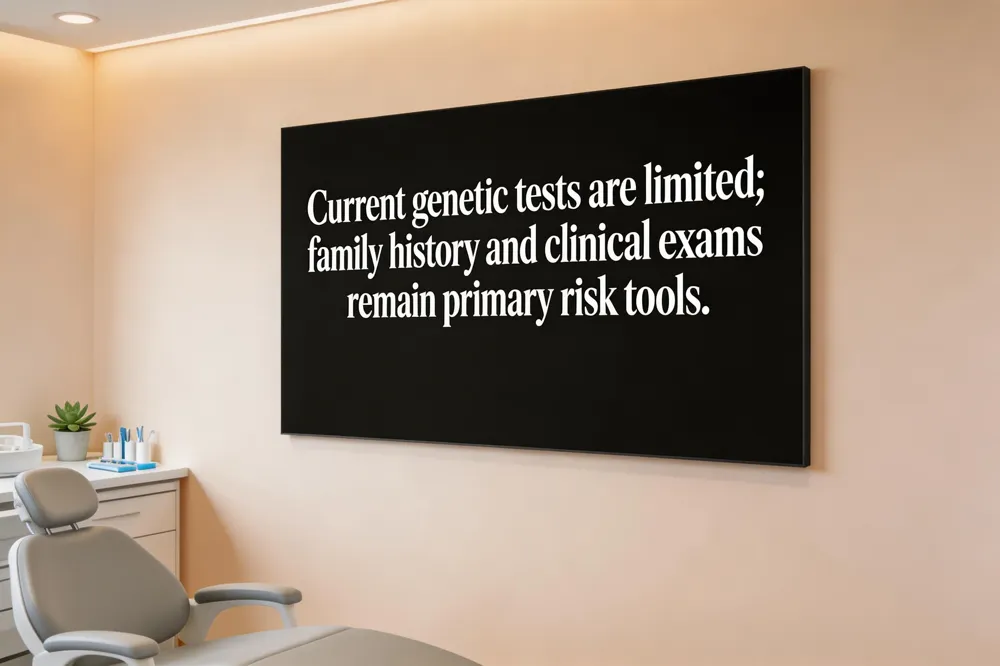
Current cavity‑risk genetic tests are not yet validated for routine clinical use. Commercial kits examine a limited set of markers that explain only a small fraction of caries risk; traditional exams, X‑rays, and hygiene reviews remain the gold standard. While studies suggest that upto 60 % of caries variation may have a genetic component, no single test can reliably predict decay.
Family inheritance shapes dental traits in several ways. Genes determine enamel formation, saliva composition, tooth size, jaw dimensions, and even taste preferences that influence sugar intake. Consequently, a child inherits a blend of maternal and paternal DNA that affects enamel strength, susceptibility to gum disease, and the likelihood of crowding or crooked teeth. However, environmental factors — diet, oral hygiene, habits like thumb‑sucking, and early loss of primary teeth — play equally critical roles in the ultimate oral‑health outcome.

Cavities themselves are not contagious, but the primary pathogen, Streptococcus mutans, spreads through saliva. Sharing utensils, drinks, or kissing can transmit the bacteria, so good hygiene and routine cleanings keep bacterial load low.
The dental pulp, a soft vascularized tissue occupying the innermost chamber of each tooth and extending into root canals, is surrounded by dentin and protected by enamel (crown) and cementum (roots). Its nerves and blood vessels make it a key focus when planning invasive procedures or managing deep lesions.
If cost is a barrier, explore dental discount plans, Medicaid/CHIP for children, sliding‑scale community clinics, dental school clinics, and nonprofit programs such as Give Kids A Smile. Many offices also offer low‑cost exams and cleanings.
A dentist can help with headaches caused by bite misalignment, bruxism, or TMJ dysfunction. Gentle Dentistry evaluates bite and TMJ function and may provide custom mouthguards, orthodontic adjustments, or splints to relieve muscle strain and reduce headache frequency.

Gentle Dentistry of Staten Island, led by Dr. Louis Sterling and Dr. Sara Skurnick, is piloting the integration of saliva‑based genetic risk profiling into its patient‑centered workflow. By analyzing SNPs linked to enamel‑formation genes (AMELX, ENAM, TUFT1), salivary‑protein genes (PRH1, DEFB1) and immune markers (IL‑1), the practice can flag patients who are genetically predisposed to cavities, gum disease or slower healing after implants. Those flagged receive a customized preventive plan—more frequent fluoride varnish, targeted dietary counseling, antimicrobial rinses, and, when appropriate, early orthodontic or implant considerations—before clinical signs appear.
Finding the practice is straightforward: Gentle Dentistry is located in the heart of Staten Island, NY, and offers a full suite of services from routine cleanings to orthodontics and cosmetic dentistry under one roof.
FAQ
Saliva‑Based Biomarkers and Point‑of‑Care Testing Recent studies show that saliva nitrite levels and specific bacterial DNA (e.g., Streptococcus mutans) can be measured with a quick swish‑and‑spit protocol. Point‑of‑care devices now deliver results in minutes, allowing dentists to flag high‑risk patients during a routine visit and schedule more frequent fluoride varnish or antimicrobial rinses.
AI‑Driven Risk Models Combining Genetics and Microbiome Data Machine‑learning platforms are integrating polygenic risk scores (from enamel‑formation genes such as AMELX, ENAM, TUFT1) with oral‑microbiome sequencing. In a Chinese teenage cohort, a random‑forest model that combined genetic SNPs (rs3790506, rs1996315) with clinical indicators achieved an AUC of 0.78, outperforming traditional risk tools. AI algorithms can continuously refine predictions as new salivary biomarker and sequencing data are added, guiding personalized recall intervals and preventive measures.
Potential for Vaccine‑Based Caries Prevention Pre‑clinical work on mucosal vaccines targeting S. mutans adhesins (PAc, GtfB/C/D) has demonstrated reduced bacterial colonization and fewer lesions in animal models. Emerging nanoparticle delivery systems and plant‑based oral antibodies aim to elicit durable secretory IgA, offering a future adjunct to fluoride and sealants for genetically susceptible patients.
Genetic insights are reshaping dental prevention. By analyzing saliva‑based DNA, dentists can spot markers linked to enamel strength, saliva composition, immune response, and even taste‑receptor genes that influence sugar intake. These data, combined with traditional risk factors—diet, oral hygiene, fluoride exposure—enable a truly personalized care plan: high‑risk patients receive more frequent fluoride varnish, individualized dietary counseling, targeted antimicrobial rinses, and adjusted recall intervals, while low‑risk individuals avoid overtreatment. Gentle Dentistry of Staten Island already embraces patient‑centered, technology‑driven practice, and we are monitoring genetic testing for future integration. Whether you already know your genetic risk or not, a preventive visit is the first step toward a smile that reflects both your biology and your lifestyle. Call us today to schedule your comprehensive exam and start a customized oral‑health strategy that works with your genes.