Even more knowledge

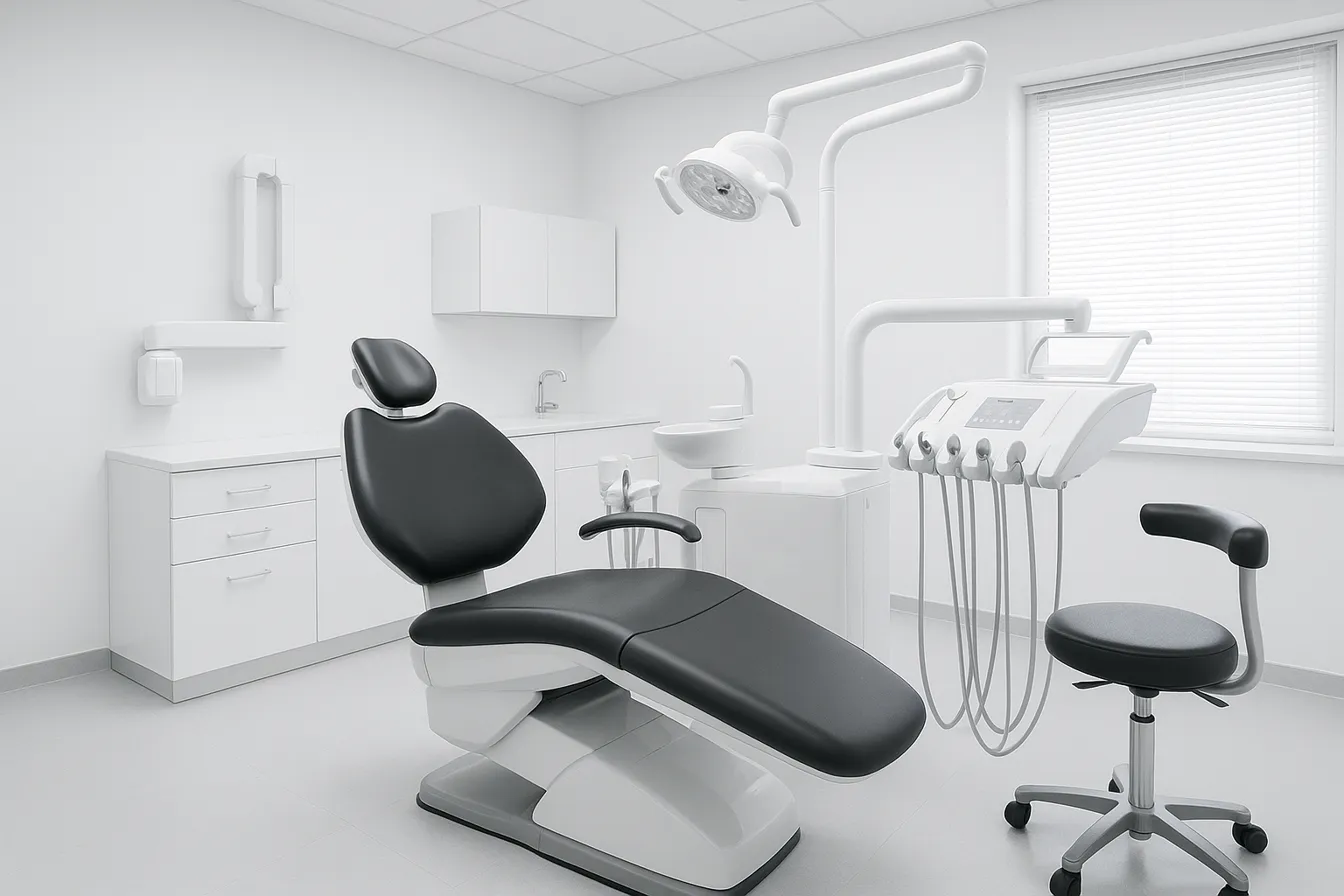
Orthodontics is a specialized branch of dentistry focused on diagnosing, preventing, and correcting misaligned teeth and jaws. It targets malocclusions—irregularities in how teeth fit together—that can impact both oral function and overall health.
While often recognized for creating attractive smiles, orthodontics plays a crucial role in oral health. Properly aligned teeth facilitate more effective brushing and flossing, reducing plaque buildup and lowering risks of cavities, gum disease, and abnormal enamel wear. Correcting bite issues also distributes chewing forces evenly, which protects teeth from excessive wear and helps prevent jaw pain and temporomandibular joint (TMJ) disorders.
Orthodontic treatment targets problems such as overbites, underbites, crossbites, crowded or crooked teeth, gaps, and protruding teeth. These issues, if untreated, may lead to difficulties in chewing, speech, increased tooth decay, tooth injuries, and chronic jaw discomfort.
Various appliances are used to realign teeth and jaws, including traditional metal and ceramic braces, clear aligners like Invisalign®, retainers, and palate expanders. The choice depends on individual needs and goals. Treatments are personalized and often span 12 to 24 months with regular adjustments to achieve optimal outcomes.
Orthodontics is an essential part of comprehensive oral healthcare, promoting both functional benefits and long-term wellness beyond just improving appearance.

Proper alignment of teeth plays a crucial role in oral hygiene. When teeth are straight, it becomes much easier to brush and floss effectively, which helps remove plaque and food debris. Misaligned or crowded teeth create tight spaces where plaque can accumulate, increasing the risk for cavities and gum disease. Orthodontic treatment improves access to all tooth surfaces, facilitating thorough cleaning and promoting healthier gums.
Yes, Orthodontic treatment benefits reduces the risk of dental problems such as cavities and gum disease. By realigning teeth, it minimizes places where bacteria can hide, thereby decreasing plaque buildup. This improved oral environment leads to a significant reduction in tooth decay and periodontal complications over time.
What is Orthodontics corrects bite irregularities like overbites, underbites, and crossbites, which can cause uneven pressure on teeth. Proper bite alignment ensures that chewing forces are evenly distributed, preventing abnormal enamel wear, chips, or cracks. Aligning the jaws also alleviates strain on the temporomandibular joint (TMJ), often reducing jaw pain, headaches, and muscle tension related to bite issues.
Braces and clear aligners gradually shift teeth into proper positions, making the teeth more accessible during daily hygiene routines. Patients receive guidance on brushing techniques with orthodontic appliances, such as using soft-bristle toothbrushes at a 45-degree angle and specialized flossing tools like floss threaders or water flossers. This tailored care during treatment empowers patients to maintain oral hygiene effectively.
Once teeth are aligned, retainers help maintain the new positions by preventing teeth from shifting back. Wearing retainers as instructed is essential for long-lasting results and continued oral health benefits. Proper retainer use supports the stability of bite correction, promoting ongoing comfort and reducing the risk of relapse.
| Aspect | Benefits | Details |
|---|---|---|
| Oral Hygiene | Easier brushing and flossing | Straight teeth reduce plaque accumulation |
| Disease Prevention | Lower cavities and gum disease risk | Fewer bacterial hiding spots |
| Enamel Protection | Even bite force distribution | Prevents abnormal enamel wear |
| Jaw Health | Reduced TMJ pain and tension | Corrects misaligned bites |
| Retainer Use | Maintains treatment results | Prevents teeth from shifting back |
Modern dental technologies significantly enhance patient care by improving diagnostic precision with digital X-rays and 3D imaging, enabling early detection and minimally invasive treatments. Tools like digital scanners and CAD/CAM systems streamline restorations for better fit and comfort. Laser dentistry reduces discomfort and recovery time. Tele-dentistry, 3D printing, and AI further improve access, accuracy, and efficiency, resulting in safer, more comfortable, and effective dental care experiences.
Orthodontic care has evolved to offer a variety of options catering to different lifestyles and aesthetic preferences beyond traditional metal braces.
Traditional Braces and Ceramic Braces
Traditional braces, made of metal brackets and wires, remain highly effective for a wide range of dental correction needs. Ceramic braces provide a more aesthetic alternative; they use tooth-colored or clear materials that blend with your natural teeth, making them less noticeable.
(Orthodontic treatment basics, Traditional Metal Braces)
Clear Aligners (Invisalign) and Their Advantages
Clear aligners like Invisalign® are almost invisible and removable, which makes it easier to maintain oral hygiene during treatment. They offer a discreet, comfortable experience that appeals especially to adults and teens. These aligners can be customized for a snug fit and gradual tooth movement.
(Clear aligners like Invisalign, Braces and Invisalign for dental health, Invisalign advantages)
Lingual Braces for Discreet Treatment
Lingual braces are fitted behind the teeth, rendering them invisible from the front. This option is perfect for those seeking orthodontic correction without any visible appliances.
(Orthodontic appliances
Customization and Comfort in Orthodontic Devices
Modern orthodontic technology has led to smaller, more comfortable braces and custom-fitted aligners, enhancing patient comfort and treatment efficiency. Orthodontists tailor devices to individual dental structures and personal needs to optimize results.
(Personalized orthodontic treatment plans, Comfortable braces and aligners, Advanced dental technology)
These diverse options allow for personalized treatment plans that balance aesthetics, comfort, and effectiveness, ensuring successful orthodontic outcomes for patients of all ages.

Correcting bite issues through Orthodontic Treatment Benefits aligns teeth and jaws properly, which enhances chewing efficiency and speech clarity. A well-aligned bite enables teeth to meet correctly, making it easier to break down food for better digestion and articulate words clearly, thus improving overall oral function.
Orthodontic treatment ensures biting forces are spread evenly across all teeth. This balance prevents excessive pressure on individual teeth that can cause enamel erosion, chips, or cracks. By reducing such abnormal wear, Even Distribution of Biting Forces protects teeth structure and enhances long-term dental health.
Misaligned teeth and jaws can create strain on jaw muscles and joints, leading to pain and TMJ disorders. Orthodontics and TMJ Disorder Relief alleviates this stress by aligning the bite properly. Many patients experience relief from headaches, jaw discomfort, and muscle tension following treatment.
Protruding teeth are more vulnerable to damage during accidents or physical activities. Protecting Teeth from Injury with Orthodontics moves these teeth into safer positions within the dental arch, significantly reducing the risk of chipping or trauma.
Properly aligned teeth enable more efficient chewing, which is the first step in digestion. By breaking food down thoroughly, Better Chewing and Digestion facilitates improved digestive health and nutrient absorption.
These functional benefits of orthodontics not only improve oral health but also enhance overall wellness and quality of life.
Orthodontic treatment benefits is widely available and beneficial for individuals across all age groups. While traditionally associated with childhood, adult orthodontic patients are increasingly seeking orthodontic care, accounting for about one-third of orthodontic patients in the U.S. Modern techniques, including clear aligners and discreet braces, offer customizable options to fit various lifestyles and preferences.
The American Association of Orthodontists Recommendations recommend children have their first orthodontic evaluation by age 7. This early screening allows specialists to identify developing dental and jaw issues, offering the chance to intervene before problems become more severe.
Early orthodontic care can guide jaw development, correct bite problems and address malocclusions when the skeletal structure is still developing. These interventions often make later treatments simpler and faster, potentially reducing the need for more invasive procedures.
Adults can benefit greatly from orthodontics, with treatments effectively improving oral health, function, and aesthetics. Options such as Invisalign® provide nearly invisible and removable alternatives to traditional braces, making treatment more convenient for busy adult lifestyles. Although treatment may take longer for adults due to completed facial growth, successful outcomes are common.
Orthodontic treatment enhances self-esteem by creating attractive smiles, which positively influences social and professional interactions. Both children and adults experience improved mental health and confidence after treatment, underscoring the psychological benefits alongside physical health improvements.
Personalized Orthodontic Treatment Plans tailors treatment plans to each patient's unique dental structure and health needs. This customization improves the effectiveness of treatment by specifically addressing individual challenges such as misaligned bite or crowded teeth, which can cause cavities and gum disease if left untreated.
Engaging patients in their treatment fosters trust and promotes adherence to care guidelines, including oral hygiene practices and follow-up visits. This relationship helps detect and resolve issues promptly, preventing serious complications and contributing to Long-term Oral Health with Orthodontics.
Comprehensive care often combines orthodontics with other dental specialties, enhancing the overall treatment outcome and patient satisfaction. Positive patient experiences reflecting comfort and trust lead to healthier smiles and sustained oral wellness.
A gentle orthodontic approach prioritizes patient comfort by using minimally invasive techniques and modern technologies that reduce pain and discomfort during treatment. This approach is especially beneficial for children and anxious patients, improving their dental experience and reducing fear.
By minimizing anxiety, patients are more likely to maintain regular appointments and follow through with oral hygiene education, resulting in more effective treatment. Gentle care also encourages lifelong oral health habits by creating a positive perception of dental visits.
This combination of Orthodontic Treatment Benefits enhances patient trust, satisfaction, and adherence to treatment plans, ultimately supporting successful outcomes and healthier teeth and gums.