Even more knowledge

Dental anxiety refers to fear, stress, or nervousness related to dental visits or treatments. It ranges from mild unease to severe panic attacks.
Around 15-20% of the U.S. population experience some form of dental anxiety, with approximately 36% having a fear of dental treatment. Women tend to report higher anxiety levels than men.
This anxiety often stems from past traumatic dental experiences, fear of pain, loss of control, or sensory triggers like the sound of drills and sight of needles. Negative media portrayals and personal space invasions in dental settings also contribute.
Dental anxiety leads many to avoid dental care, resulting in worse oral health outcomes such as cavities, gum disease, tooth loss, and even higher costs due to delayed treatment. Anxiety can affect quality of life by causing distress and limiting social interactions.
People with dental anxiety may experience increased heart rate, sweating, shaking, nausea, and difficulty breathing. Emotionally, feelings range from nervousness and irritability to panic and withdrawal.
Understanding these aspects is essential to address dental anxiety effectively and improve oral health outcomes.
Open communication between patients and dentists is essential for reducing dental anxiety. It allows patients to express their fears and concerns freely, helping dentists understand individual triggers such as fear of pain, needles, or past negative experiences. Clear dialogue fosters a sense of control and safety for patients, which can significantly alleviate nervousness during dental visits.
Dentists use the information gathered through communication to customize dental care. They may explain procedures in simple terms, offer choices to empower patients, and adapt treatment plans according to anxiety levels. For example, patients can be informed about sedation options or encouraged to use relaxation techniques. Tailored approaches can include scheduling shorter appointments or ensuring breaks during procedures when patients signal discomfort.
Establishing signals such as a hand raise or a stop sign helps anxious patients feel they can pause treatment at any moment, enhancing their sense of control. Patient-centered care focuses on empathy and responsiveness, allowing dentists to adjust their techniques, pace, and communication style. This approach respects patients’ boundaries and creates a supportive environment where their emotional needs are prioritized alongside dental health.
Building trust develops a positive dentist-patient relationship that encourages ongoing dental care. When patients feel heard and understood, they are more likely to attend regular appointments, follow treatment recommendations, and overcome avoidance behaviors linked to anxiety. Trust and rapport contribute to greater comfort, reduced fear, and better oral health outcomes over time, making dental visits less stressful and more effective.
Overall, effective communication and trust are foundational elements in managing dental anxiety and promoting a healthier, more positive dental experience.
Relaxation techniques such as deep breathing, progressive muscle relaxation, and mindfulness meditation are proven methods to alleviate Relaxation Techniques for Dental Anxiety. Deep breathing, particularly the 'The 3-4-5 breathing technique' (inhale for 3 seconds, hold for 4, exhale for 5), activates the parasympathetic nervous system, calming the body's stress response. Progressive muscle relaxation involves tensing and then relaxing muscle groups, which helps reduce physical symptoms of anxiety like sweating and tense muscles. Mindfulness meditation encourages present-moment awareness, reducing fear about past or future dental experiences.
Cognitive behavioral therapy in dentistry addresses negative thought patterns associated with dental fear. It helps patients develop coping strategies and challenge irrational beliefs about dental procedures. Exposure therapies for dental fear gradually introduce patients to dental stimuli, such as sights or sounds related to dentistry, in a controlled setting. This systematic desensitization reduces fear responses over time, allowing patients to become more comfortable with dental visits.
Distraction methods during dental visits, including listening to music, audiobooks, or watching videos, help divert a patient's attention away from dental procedures. Emerging technology such as virtual reality (VR) immerses patients in calming environments, effectively reducing perceived pain and anxiety. These methods create a more pleasant experience by lessening awareness of sensory triggers like drill sounds or bright lights.
Mindfulness practices foster relaxation by encouraging patients to focus on breathing and bodily sensations, promoting calmness during dental treatments. Guided imagery involves mentally visualizing peaceful scenes or experiences, providing a mental escape from dental-related stress. Both techniques have been shown to lower physiological symptoms such as heart rate and sweating.
Dental care that incorporates these psychological and behavioral techniques often leads to better patient cooperation, reduced anxiety levels, and a more positive dental experience overall.
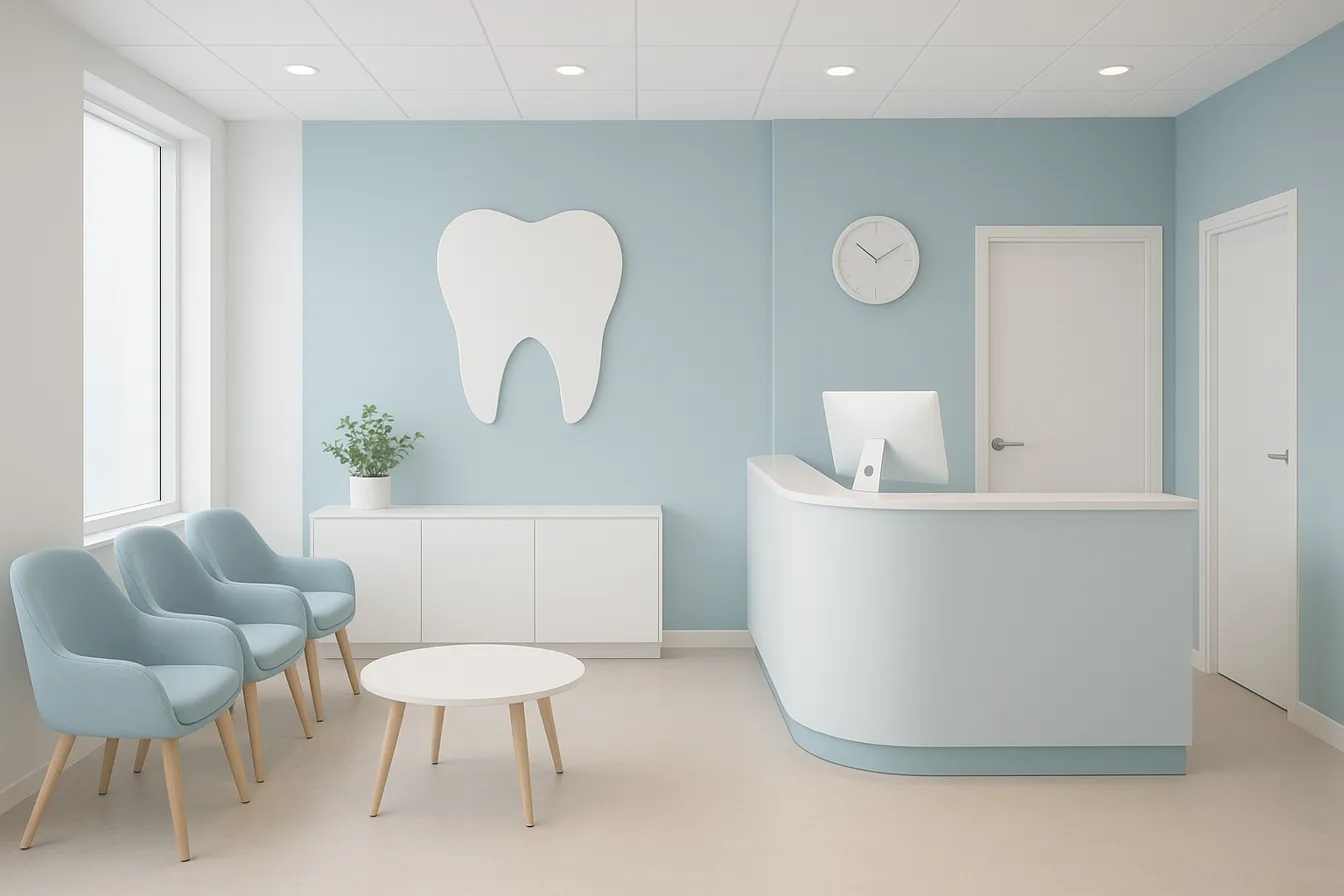
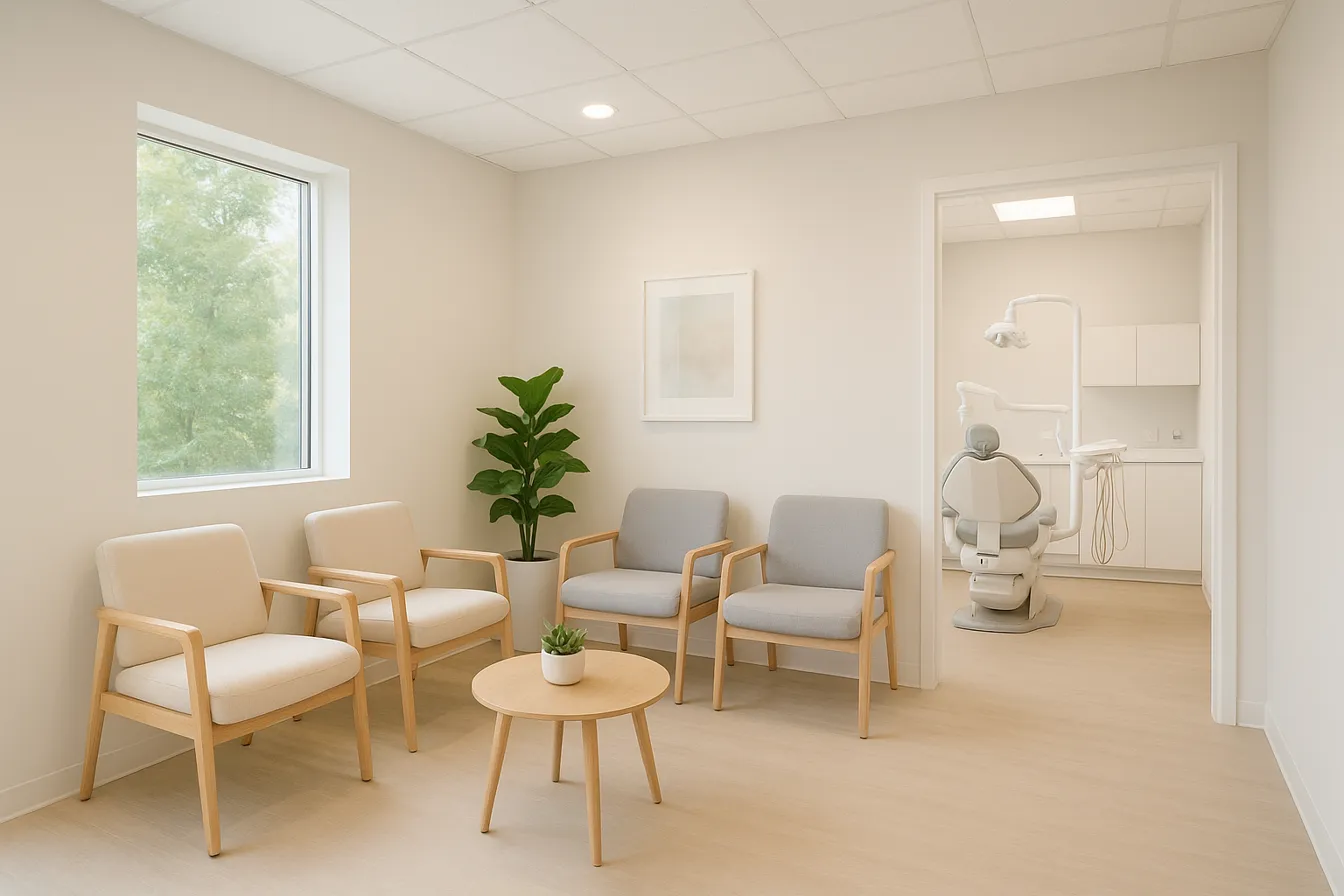
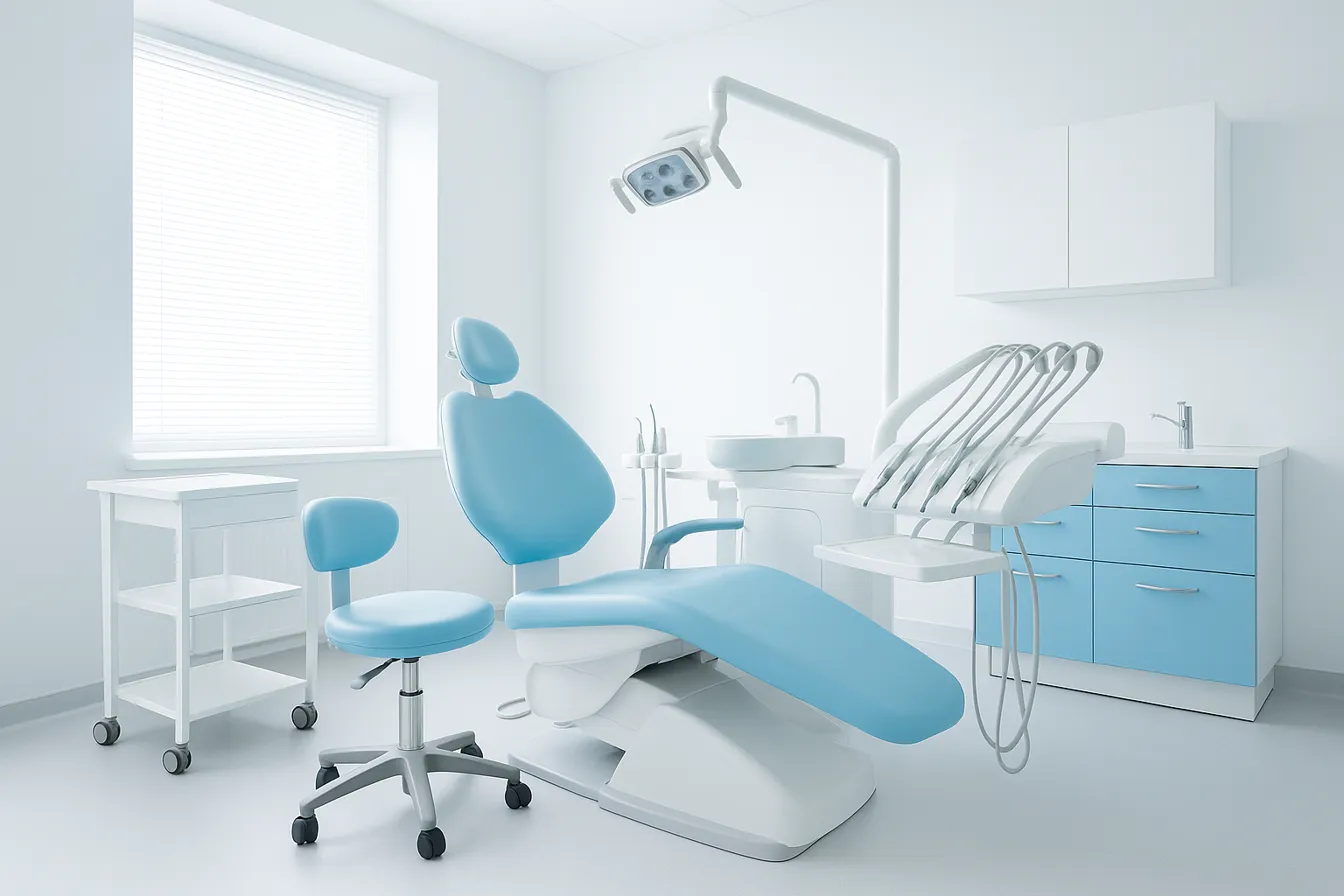
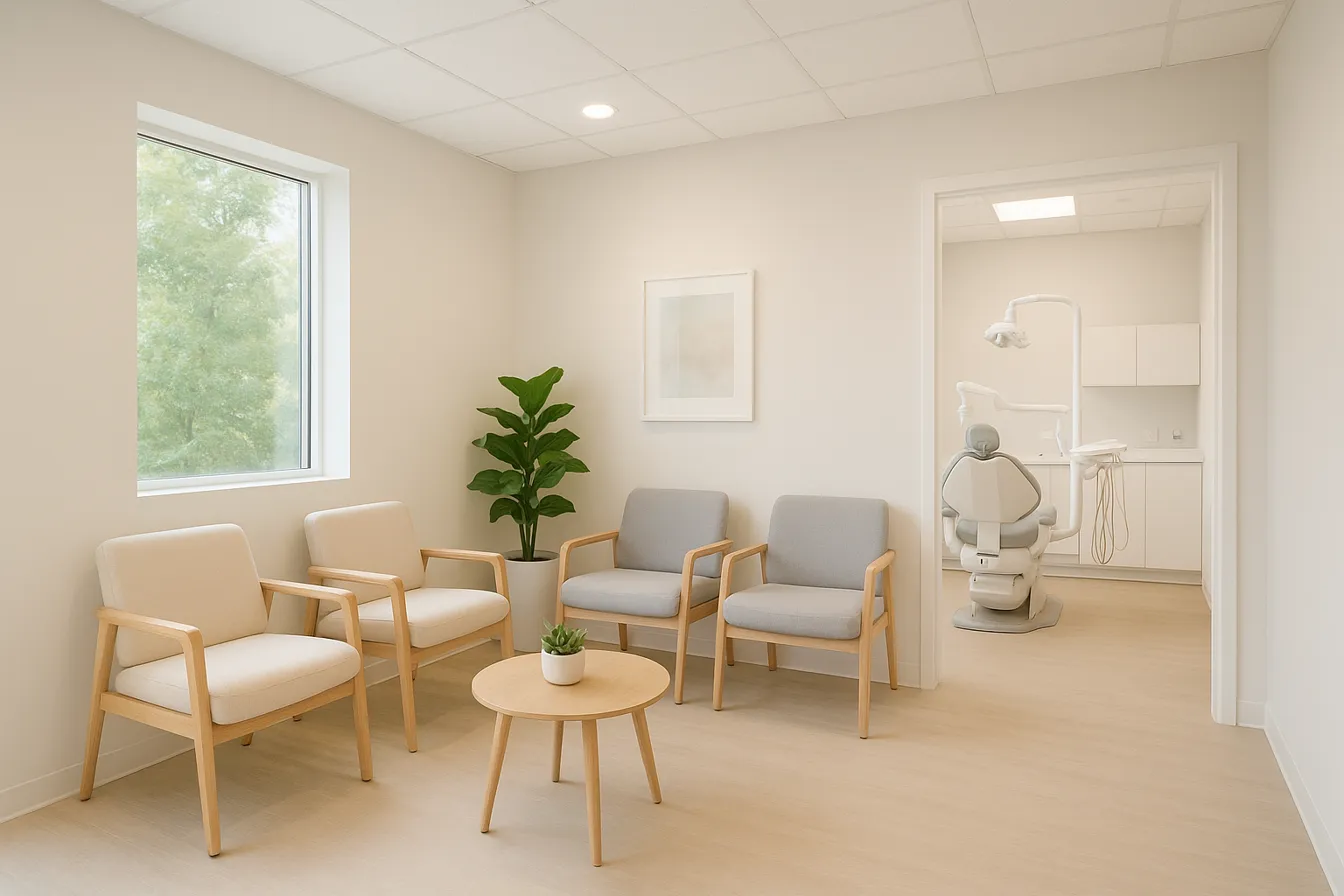
Dental offices are increasingly designed to foster a relaxing atmosphere to ease patient anxiety. Soft music playing in the background helps drown out intimidating sounds like drills, while soothing aromatherapy scents such as lavender, vanilla, and orange create a comforting ambience. Gentle lighting and calming colors further contribute to reducing stress, helping patients feel more at ease during visits. For more details, explore how compassionate dentists ease dental anxiety.
Technological innovations in dental care prioritize patient comfort and reduce fear. Laser dentistry offers less invasive procedures with minimal pain and quicker healing times. Noise-reducing equipment minimizes the disruptive sounds associated with dental treatments, lowering stress triggers for anxious patients. Learn more about modern technological advancements in dentistry.
To improve patient relaxation, many clinics provide weighted blankets that offer a sense of security and warmth. Noise-canceling headphones allow patients to listen to music or audiobooks, effectively distracting them from dental procedures and creating a personal, calm space even in the clinical setting. These methods are part of distraction techniques for dental anxiety.
Advanced tools like the Wand® injection system ensure more precise and less painful anesthesia delivery, which can greatly reduce fear of needles. Digital imaging technology minimizes exposure to radiation while providing clear, immediate results, shortening appointment times and enhancing patient cooperation. Further information is available on technological advances in dental anesthesia.
These environmental and technological approaches collectively create a patient-centered experience, significantly reducing dental anxiety and improving overall comfort. For comprehensive insights, consult Modern technological advancements in dentistry.
Sedation dentistry offers several effective methods to help patients with severe dental anxiety undergo treatment comfortably. Common options include:
Sedation is often recommended when psychological methods alone do not sufficiently reduce dental anxiety. Patients with a history of traumatic dental experiences, extreme fear, or inability to remain still during procedures may benefit. It is also used for longer or more invasive treatments. For more details see Psychological versus pharmacological management.
Sedation techniques are generally safe when administered by trained dental professionals. They monitor vital signs closely to ensure patient well-being. Recovery times vary:
Patients are advised not to drive and to have a companion after sedation treatments. Additional tips are available in Sedation dentistry options.
For sustained anxiety management, sedation is most effective when paired with psychological interventions such as relaxation techniques, cognitive-behavioral therapy, and guided imagery. This combined approach helps patients gradually overcome fear and fosters positive dental experiences over time. For more on these Psychotherapeutic interventions for dental anxiety, Relaxation Techniques for Dental Anxiety, and Behavioral and cognitive therapies are essential components.
Booking dental visits in the morning is a practical strategy to minimize anxiety buildup. Patients report feeling less stressed when appointments are early, as this prevents a full day of worrying about the visit. For more details, see Scheduling Morning Dental Appointments and Scheduling dental appointments.
Having a trusted companion accompany you to the dental appointment can provide significant emotional support. This presence helps reduce feelings of isolation and encourages calmness during treatments. Learn more about Bringing a Support Person to the Dentist and Support during dental visits.
Regular dental visits, such as biannual check-ups and cleanings, help patients become familiar with the dental environment. This routine gradually decreases anxiety by turning unfamiliar experiences into normal ones. See Establishing a Regular Dental Routine and Importance of regular dental check-ups.
Techniques like deep breathing exercises, mindfulness meditation, listening to music or audiobooks, and guided imagery are effective for managing anxiety before and during dental procedures. Distraction helps divert attention from distressing stimuli like drills or needles. Explore Relaxation Techniques for Dental Anxiety, Distraction Methods During Dental Visits, and Breathing exercises for dental anxiety.
Arriving early allows time to relax and mentally prepare for the appointment. Openly communicating your fears and concerns with the dentist and dental staff enables personalized care and use of strategies such as signals for breaks or sedation if needed. More on this at Effective Communication with Your Dentist, Using signals to pause dental procedures, and Sedation dentistry with Nitrous Oxide.
Compassionate dental care plays a vital role in easing dental anxiety. Creating a welcoming environment with calming decor, gentle communication, and empathetic interactions helps patients feel safe and respected. Dentists trained in trauma-informed care and emotional intelligence foster trust by listening carefully and tailoring treatments to individual needs.
Effective management of dental anxiety often requires a blend of techniques. Psychological methods such as relaxation exercises, guided imagery, and cognitive behavioral therapy work alongside modern technological advancements like sedation dentistry, laser treatments, and distraction tools (music, videos). Empowering patients through clear explanations and control options, such as stop signals during procedures, supports their comfort and cooperation.
Overcoming dental anxiety involves seeking help from dental professionals who understand these challenges. Patients are encouraged to communicate openly about their fears, bring support persons when needed, and schedule appointments during less busy times. Establishing a routine with regular check-ups promotes familiarity, helping to desensitize anxiety triggers and enabling maintenance of long-term oral health and overall well-being.