Even more knowledge

Dental anxiety refers to feelings of nervousness or fear about visiting the dentist, which many people experience. It can affect individuals across all ages and backgrounds. When this fear becomes extreme and irrational, leading to avoidance of dental care, it is classified as dental phobia.
Symptoms of dental anxiety include racing thoughts, sweating, trembling, feelings of panic, or a rapid heartbeat. Common triggers involve past traumatic dental experiences, fear of pain or needles, embarrassment about teeth, and feeling a loss of control during dental treatments.
Avoiding dental visits due to anxiety often leads to worsening oral health, such as tooth decay and gum disease. This avoidance can result in more complex, invasive treatments later on, creating a cycle of increasing anxiety and deteriorating dental health. Regular dental check-ups are crucial to prevent these issues and maintain overall oral health.
Open, honest communication with your dentist is crucial in managing dental anxiety. When patients share their fears and concerns, dentists can tailor procedures and their approach to the individual's comfort level. This personalized care builds trust, helps patients feel more in control, and diminishes feelings of panic or vulnerability often tied to dental visits.
Compassionate and trained dental staff play a vital role in creating a welcoming and empathetic atmosphere. Their understanding and supportive attitude help patients feel safe, reducing the stress and fear that might otherwise discourage them from seeking care. Knowing that the team genuinely cares can transform the experience from scary to calming.
Dentists utilize clear communication and patient feedback to adjust everything from the timing of appointments to the use of relaxation or distraction techniques. They explain procedures beforehand to set expectations and may offer Sedation Options in Dentistry if necessary. This adaptability ensures that treatments are as comfortable and stress-free as possible.
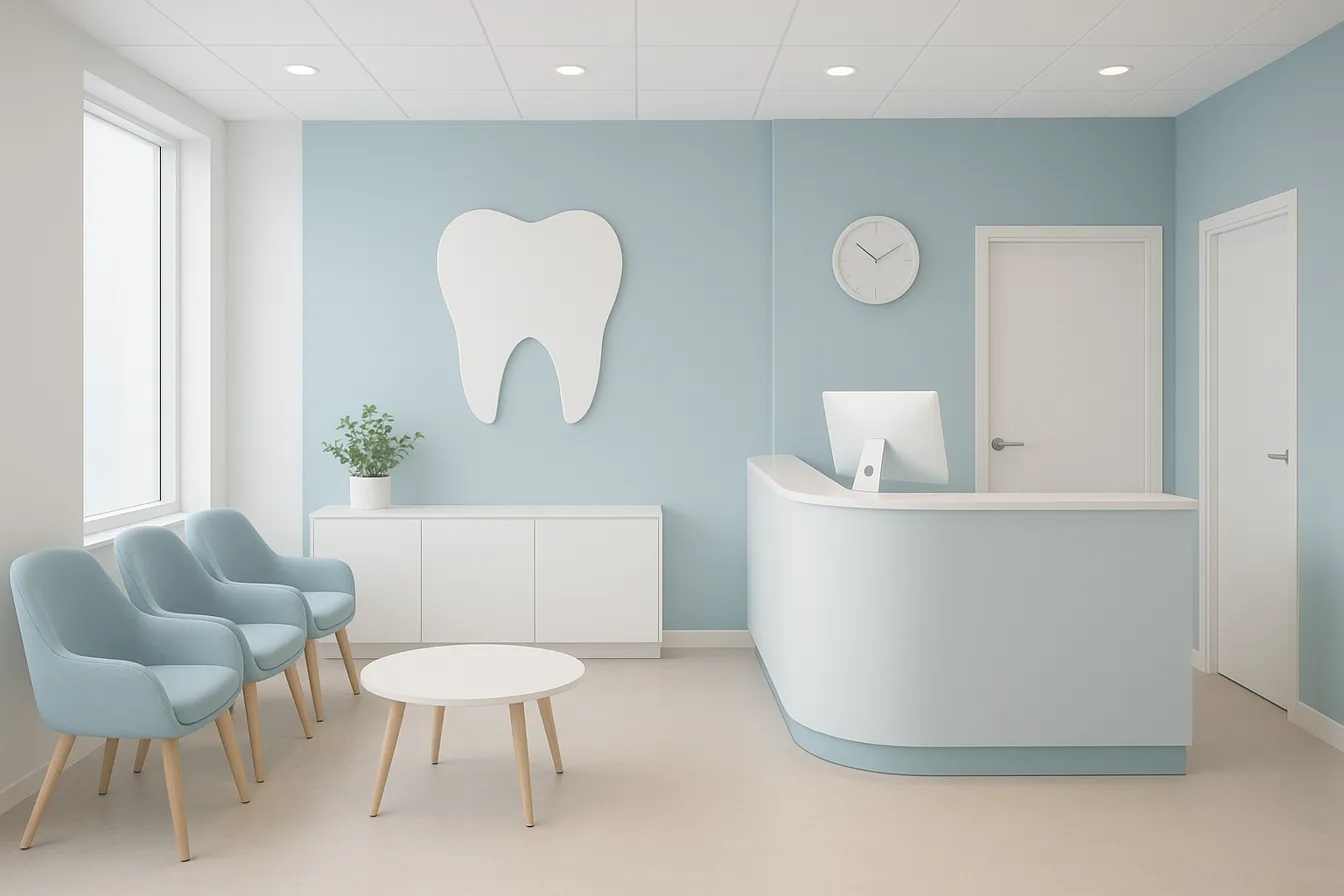
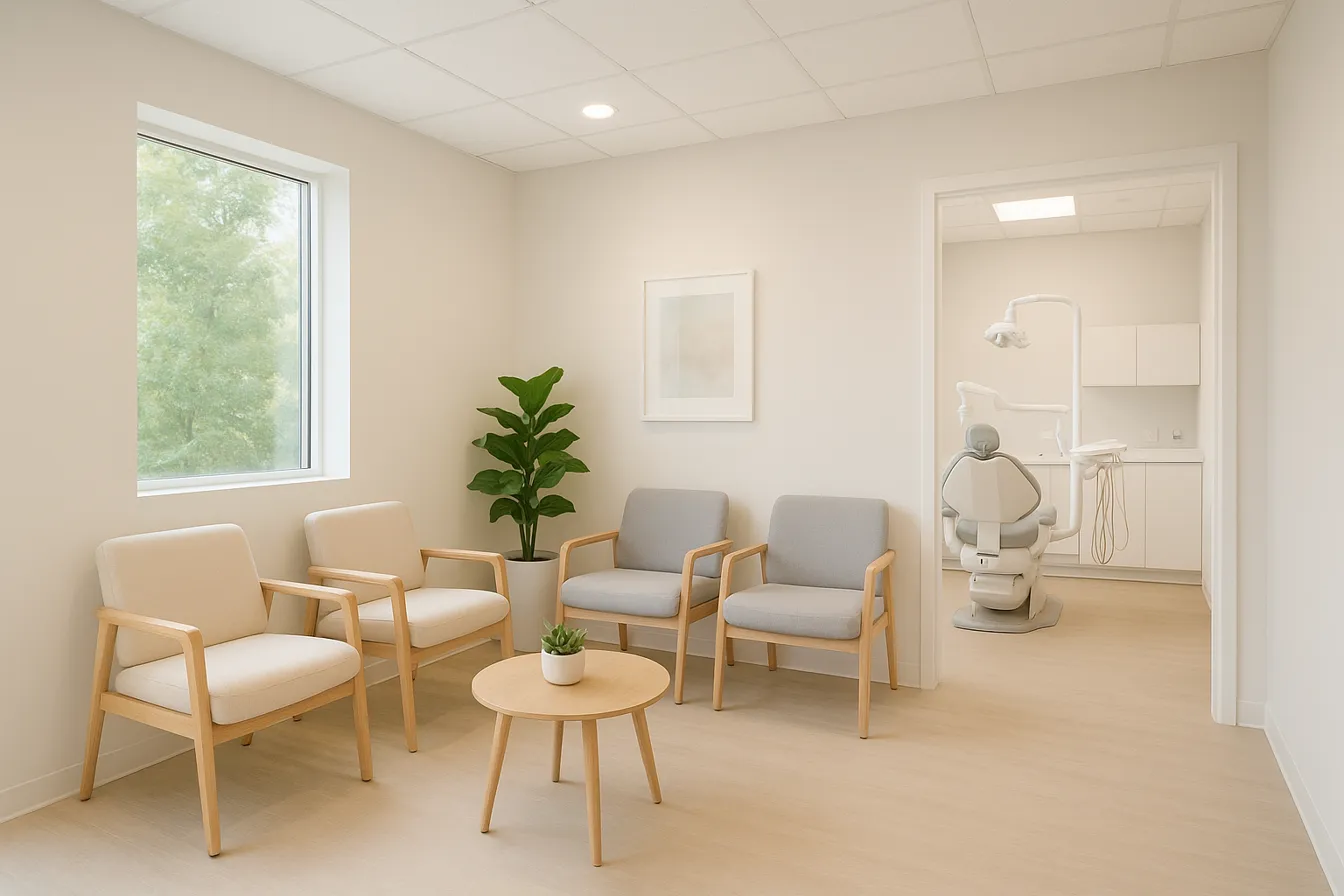
Gentle dentistry practices emphasize patient comfort through warm environments, compassionate staff, and the use of advanced, minimally invasive technologies. By prioritizing the patient's experience and fears, these practices foster long-term relationships built on trust, encouraging more regular visits and better oral health outcomes.
| Aspect | Description | Impact on Anxiety |
|---|---|---|
| Open Communication | Sharing fears with the dentist | Builds trust, reduces fear |
| Compassionate Staff | Understanding and empathetic team | Creates a safe, calm atmosphere |
| Tailored Treatments | Customizing procedures and timing | Enhances comfort and control |
| Gentle Dentistry Approach | Patient-focused, warm environment, advanced tech | Encourages regular visits and relieves stress |
Preparing ahead of your dental appointment can significantly ease stress and dental anxiety. Here are some effective tips:
Schedule Smart: Book your appointments during less busy times or early mornings. This can help you avoid feeling rushed or overwhelmed in a busy clinic. (Stress-free dental visit tips)
Bring Comfort Items: Carry headphones to listen to calming music or bring a companion for support. Familiar comforts distract from the environment and provide emotional reassurance. (Managing dental anxiety
Practice Relaxation Techniques: Deep breathing exercises, like the three-four-five method, or meditation before and during your visit can calm your nervous system and reduce anxiety. (Relaxation Techniques for Dental Anxiety)
Avoid Caffeine and Sugar: Staying away from sugary foods and caffeinated drinks before your appointment helps prevent jitters and nervousness that exacerbate anxiety. (Calm Dental Anxiety)
Learn About Procedures: Gaining knowledge about what to expect during your dental treatment helps reduce fear of the unknown. Dentists often provide clear explanations to ease worries. (clear communication in dentistry)
Together, these preparations help create a calmer mindset, making dental visits more manageable and less intimidating. Patients who prepare thoughtfully are more likely to experience Stress-Free Dentistry and productive appointments.
Dental visits can cause significant anxiety, but several relaxation techniques for dental anxiety have proven effective in helping patients feel calmer during treatments. One highly recommended method is deep breathing exercises, such as the three-four-five breathing technique. This exercise involves inhaling for 3 seconds, holding the breath for 4 seconds, and exhaling slowly for 5 seconds, which activates the parasympathetic nervous system and promotes relaxation.
Distraction techniques during dental procedures are also useful for diverting attention away from dental procedures. Many dental offices encourage patients to listen to music or watch videos during their treatment, which can soothe nerves and reduce perceived discomfort. The use of gentle dentistry environments further enhances comfort: amenities like soft blankets, gentle music, and a warm, welcoming atmosphere help alleviate stress.
Additionally, dental professionals often recommend encouraging brief breaks and light movement during longer appointments. This approach helps patients avoid feeling overwhelmed and maintain a sense of control throughout their visit.
Together, these methods create a supportive and calming setting that reduces dental anxiety and improves the overall patient experience.
Gentle dentistry focuses on patient comfort, using advanced dental techniques and minimally invasive dental technology to reduce pain and discomfort during dental procedures. Tools such as quieter instruments, digital X-rays in dental care, and intraoral cameras benefits enable faster, less stressful visits. Laser dentistry further minimizes bleeding and recovery time, making treatments gentler and less intimidating. This approach, combined with a calming dental environment and clear communication in dentistry, helps patients feel more at ease.
For patients experiencing moderate to severe dental anxiety, sedation dentistry offers effective relief. Common options include:
Modern dental practices emphasize a patient comfort philosophy. This includes providing thorough explaining dental procedures, allowing patients to express their fears, and tailoring treatments accordingly. Creating a warm, warm and welcoming dental office with amenities like music and relaxing decor further supports patient calmness. Advanced technology, combined with clear communication about dental procedures and sedation options in dentistry, makes dental visits less frightening and promotes better oral health maintenance.
Regular dental checkups play a crucial role in managing dental anxiety by familiarizing patients with dental procedures. When patients visit the dentist consistently, they reduce their fear of the unknown, which is often a major factor in Dental Anxiety. These visits help in early detection and prevention of oral health issues, thereby avoiding the need for more complex and invasive treatments that can heighten anxiety.
Rewarding oneself after dental visits can create positive associations with dental care. This technique helps patients reduce their anxiety for future appointments and promotes consistent attendance. Treating yourself to something enjoyable after a dental visit encourages a healthier attitude towards dental care and builds confidence over time, as part of Techniques for Stress-Free Dental Visits.
Gradual exposure involves attending routine appointments and spending time in the dental environment to build comfort. This incremental approach helps patients slowly overcome fear by becoming accustomed to the sights, sounds, and procedures in a controlled way, which is a common Strategy to Reduce Dental Anxiety.
Early detection through regular checkups allows for timely treatment of dental problems before they escalate. Preventive care reduces the likelihood of invasive procedures that are often linked with increased fear and anxiety. Maintaining oral health through regular visits helps patients avoid painful, lengthy treatments, ultimately contributing to Reducing Dental Anxiety.
Managing dental anxiety is achievable through several effective strategies. Key approaches include open communication with your dentist, practicing relaxation techniques such as deep breathing, and scheduling appointments during less busy times to reduce stress.
Modern dental practices prioritize patient comfort by offering sedation options like nitrous oxide and oral sedatives, along with gentle dentistry techniques that minimize discomfort.
Remember, caring dental professionals are dedicated to creating a welcoming environment tailored to your needs. By embracing these supports, you can enjoy a calm and confident experience on your smile journey.