Even more knowledge

As people age, natural physiological changes impact oral health. Cells renew more slowly, leading to thinner, less elastic tissues in the mouth. Bone density in the jaw declines, reducing oral stability. Saliva production decreases, often worsened by medications or health conditions, causing dry mouth which increases the risk of cavities and infections. The immune system also weakens, making the mouth more vulnerable to infections and slower to heal.
Older adults commonly face gum recession exposing sensitive tooth roots, increasing susceptibility to decay and sensitivity. Periodontal disease is widespread, affecting nearly two-thirds of seniors, and is a leading cause of tooth loss. Root caries become more frequent due to dry mouth and gum recession. Additionally, oral cancer risk rises with age, especially after 50. Dry mouth can also cause discomfort, mouth sores, and difficulties in speaking or swallowing.
Recognizing these oral health changes is crucial to maintaining seniors’ quality of life. Proper oral hygiene—brushing twice daily with fluoride toothpaste, daily flossing, and regular dental visits—helps prevent decay and gum disease. Addressing dry mouth and managing medication side effects improve oral function and comfort. Early detection and treatment preserve natural teeth, support nutrition, and reduce risks of systemic health complications linked to oral disease. Educating older adults and caregivers empowers effective care and promotes healthier aging.
As people age, the body's processes slow down, causing cell renewal to become less efficient. This results in thinner and less elastic Aging changes in teeth and gums, including the gums and mucous lining. Additionally, the Jawbone density reduction with age, weakening the structural support of the mouth. Compounding these changes, the Immune system decline and oral infections effectiveness diminishes with age, making older adults more vulnerable to oral infections and slowing recovery from injuries.
Dry mouth causes in older adults, or xerostomia, frequently affects older adults due to a combination of aging, side effects of commonly prescribed medications, and health issues such as diabetes or Sjögren syndrome. Saliva plays a critical role in cleansing the mouth and protecting teeth from decay. When saliva production decreases, the risk of developing tooth decay, gum disease, painful mouth sores, and fungal infections increases significantly. The Risks associated with dry mouth are considerable for oral health.
Receding gums in aging is commonly observed in older adults and can be caused by Causes of gum recession, including periodontal disease (gum infection), overly aggressive tooth brushing, or systemic diseases like diabetes. When gums recede, the delicate roots of teeth become exposed. This exposure leads to increased tooth sensitivity, higher chances of Tooth root cavities in seniors, and eventually raises the risk of tooth loss if not properly managed.
Proper Oral hygiene for older adults, Dental check-ups for aging populations, and addressing Managing dry mouth in older adults with healthcare providers can help mitigate these challenges and improve oral health outcomes in aging adults.
Periodontal disease affects over 60% of seniors and is a leading cause of tooth loss. It begins as gingivitis and can progress to periodontitis if untreated, damaging gums and jawbone. Root caries are also common in older adults, mainly due to receding gums and gum disease exposing tooth roots and dry mouth in older adults reducing saliva protection. This decay typically affects roots and is more frequent in those over 75.
Enamel erosion occurs naturally with aging and from acid exposure, causing tooth wear and increased sensitivity. This thinning enamel makes teeth vulnerable to cavities and discomfort.
Oral cancer risk rises significantly after age 50, with higher rates in men. Key oral cancer risk factors include tobacco use, alcohol consumption, HPV infection, poor oral hygiene, and certain medications. Regular screening during dental visits is critical for early detection.
Systemic conditions like heart disease and oral health connection and diabetes profoundly impact oral health. Diabetes promotes inflammation and impairs immune responses, increasing susceptibility to periodontal disease and tooth decay. Poorly controlled diabetes worsens gum disease and slows healing.
Heart disease and other chronic illnesses often coexist with aging and share risk factors with oral diseases. The inflammation from gum disease may exacerbate systemic conditions, necessitating collaborative care between dental and medical professionals.
Maintaining good oral hygiene for older adults and managing chronic diseases together can help reduce dental complications and improve overall health in older adults.
Maintaining good oral hygiene is vital for older adults to prevent tooth decay, gum disease, and other oral health problems. Key practices include brushing twice daily with fluoride toothpaste to strengthen enamel and fight cavities. Using a soft-bristle toothbrush helps protect delicate gums that may become thin or recede with age.
Daily flossing or using interdental cleaners is crucial to remove plaque and food particles between teeth where brushes cannot reach, reducing the risk of cavities and gum disease. For seniors who face dexterity challenges, adaptive tools such as floss holders or electric toothbrushes can improve effectiveness.
Keeping well hydrated supports saliva production, which naturally protects teeth by neutralizing acids and washing away bacteria. Saliva stimulation through sugar-free gum or saliva substitutes may be recommended to manage dry mouth—a common condition in seniors caused by medications or health conditions. Managing dry mouth helps prevent tooth decay and infections.
Dietary guidelines emphasize reducing sugar intake to minimize acid attacks on teeth and encourage nutrition that supports oral health, including foods rich in calcium and vitamins. Fluoride treatments, either through regular toothpaste use, mouth rinses, or professional applications, provide added protection by remineralizing enamel and preventing decay.
In summary, regular brushing with fluoride toothpaste twice daily, daily flossing, hydration and saliva stimulation, managing dry mouth, reducing sugar, and using fluoride treatments collectively help older adults maintain healthy teeth and gums.
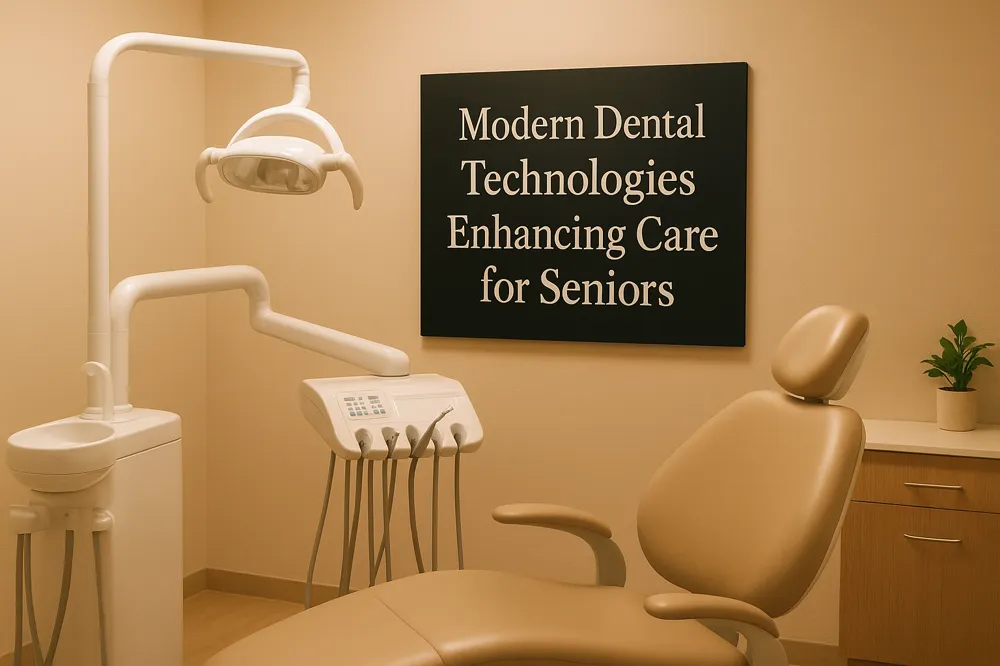
Comprehensive dental and orthodontic clinics provide a wide array of treatments tailored to meet diverse oral health needs. Services often include preventive care, restorative treatments such as fillings, crowns, bridges, dental implants, and dentures. Cosmetic procedures, including teeth whitening and veneers, refine appearance, while orthodontic treatments like Invisalign® and traditional braces correct misalignments.
Modern dentistry integrates technologies such as digital X-rays, intraoral scanners, and computer-aided design/computer-aided manufacturing (CAD/CAM). These tools promote faster and more precise diagnosis. For example, CAD/CAM enables dentists to fabricate crowns and veneers in a single visit, minimizing treatment time and enhancing patient convenience.
Laser technologies allow for less invasive procedures, leading to reduced discomfort and quicker healing. Together, these innovations increase efficiency, accuracy, and patient comfort, making dental care particularly beneficial for older adults who might have mobility or health constraints.
Invisalign® offers a discreet orthodontic option using clear, removable aligners to gradually straighten teeth. It is often preferred for mild to moderate tooth misalignments due to its convenience and aesthetics.
Traditional braces utilize brackets bonded to teeth with wires adjusted over time, effectively addressing complex alignment and bite issues. Both approaches improve bite function, oral health, and appearance, enhancing quality of life.
Regular dental visits remain crucial for early detection and management of oral health changes associated with aging. Early intervention helps prevent progression of decay or gum disease and facilitates timely use of restorative or orthodontic treatments. Continued professional care also allows for monitoring evolving needs, ensuring smiles stay healthy and functional well into older adulthood.
| Treatment Type | Description | Benefits for Older Adults |
|---|---|---|
| Fillings | Restore cavities | Preserve natural teeth, prevent decay (Dental cavities in aging) |
| Crowns | Cover damaged teeth | Strengthen weakened teeth |
| Bridges | Replace missing teeth | Restore chewing and aesthetics |
| Implants | Permanent tooth replacements | Stable, natural-feeling replacements (Dental Implants for Seniors) |
| Dentures | Removable tooth replacements | Aid chewing and speech, easy to adjust (Denture care for seniors) |
| Invisalign® | Clear aligners for teeth straightening | Discreet, comfortable option |
| Traditional Braces | Brackets and wires for complex cases | Effective for severe misalignments |
| Advanced Technology | Digital X-rays, CAD/CAM, lasers | Faster, less invasive care, improved outcomes (Impact of Aging on Dental Health |
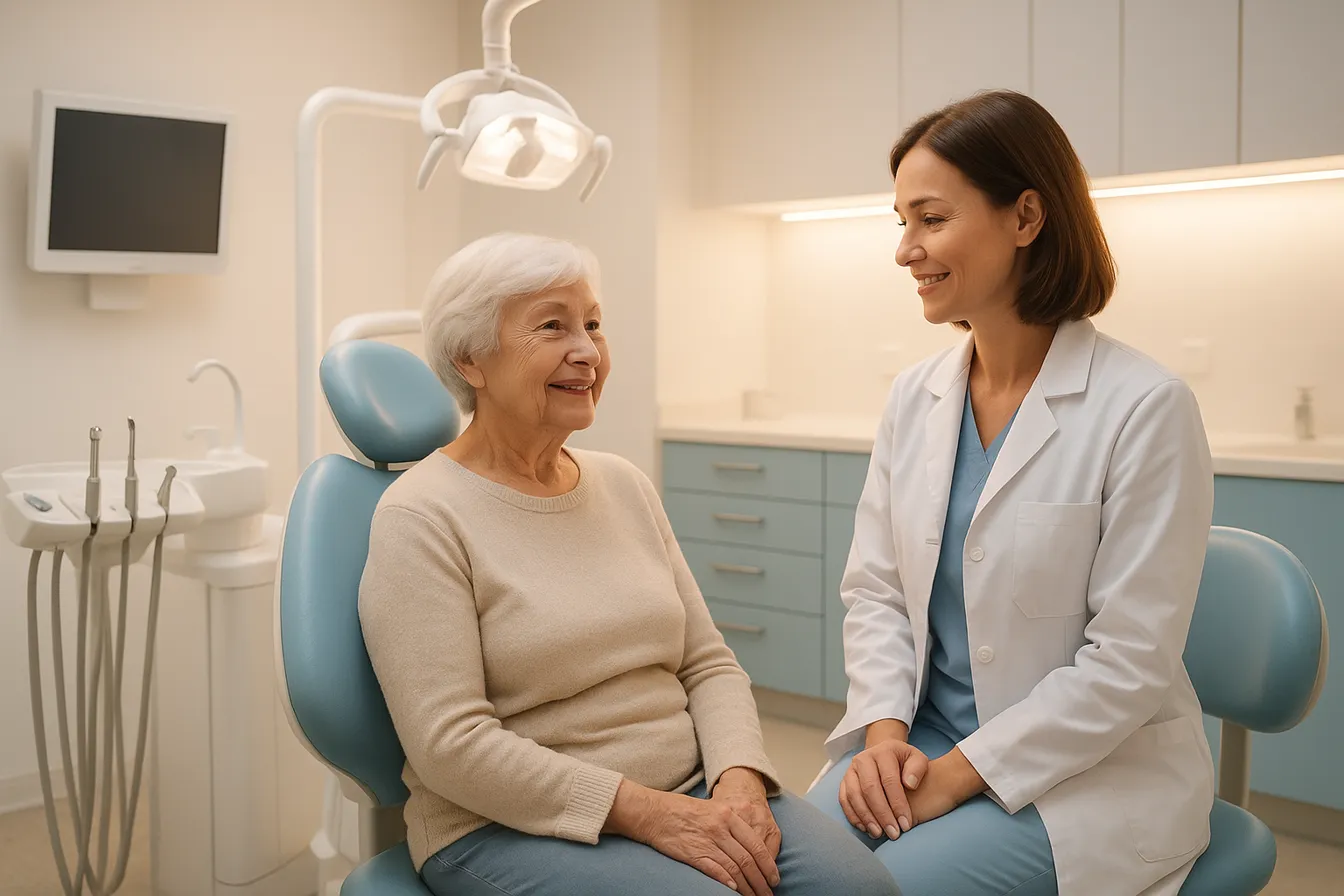
Personalized, patient-centered dental care focuses on tailoring treatments to meet the unique needs of older adults. This approach improves treatment outcomes and overall satisfaction by recognizing individual health conditions, cultural factors, and lifestyle preferences. It builds trust between the patient and provider, making communication easier and reducing barriers such as fear or past negative experiences. Ultimately, this care style creates a comfortable, accessible environment that respects each patient’s specific concerns and challenges.
A gentle approach in dentistry is crucial for older adults who may experience anxiety or physical sensitivity. Gentle techniques minimize discomfort during procedures and help ease dental fears. This approach encourages seniors to attend regular dental visits, which is vital to detect and manage age-related oral health issues early. Advances in less invasive treatments and use of modern tools further enhance patient comfort, leading to improved adherence to dental care recommendations and better oral health outcomes.
Creating a relationship-oriented environment fosters open and honest communication between dental providers and older patients. Strong relationships allow for personalized care plans that reflect patients’ health status, cognitive ability, and preferences. Such an environment reduces fear and builds confidence in treatment decisions. Patients are more likely to follow care instructions and maintain their oral hygiene habits, which enhances the quality and consistency of dental care.
Older adults often face sensory impairments like hearing or vision loss and cognitive issues such as dementia. Effective communication strategies include using clear, simple language, speaking slowly face-to-face, providing visual aids or written instructions in large print, and involving caregivers in discussions. Minimizing distractions and repeating information as needed also support understanding and cooperation during dental visits. These strategies are important considerations for communication adjustments for elderly dental patients.
Caregivers play a pivotal role in maintaining oral health for seniors, especially those with physical or cognitive limitations. They assist with daily hygiene routines such as brushing and flossing, help manage dry mouth conditions, and ensure timely dental appointments. Educating caregivers on proper techniques and the significance of oral health can prevent complications like infections and improve quality of life for older adults. Caregiver's Guide to Dental Health