Even more knowledge

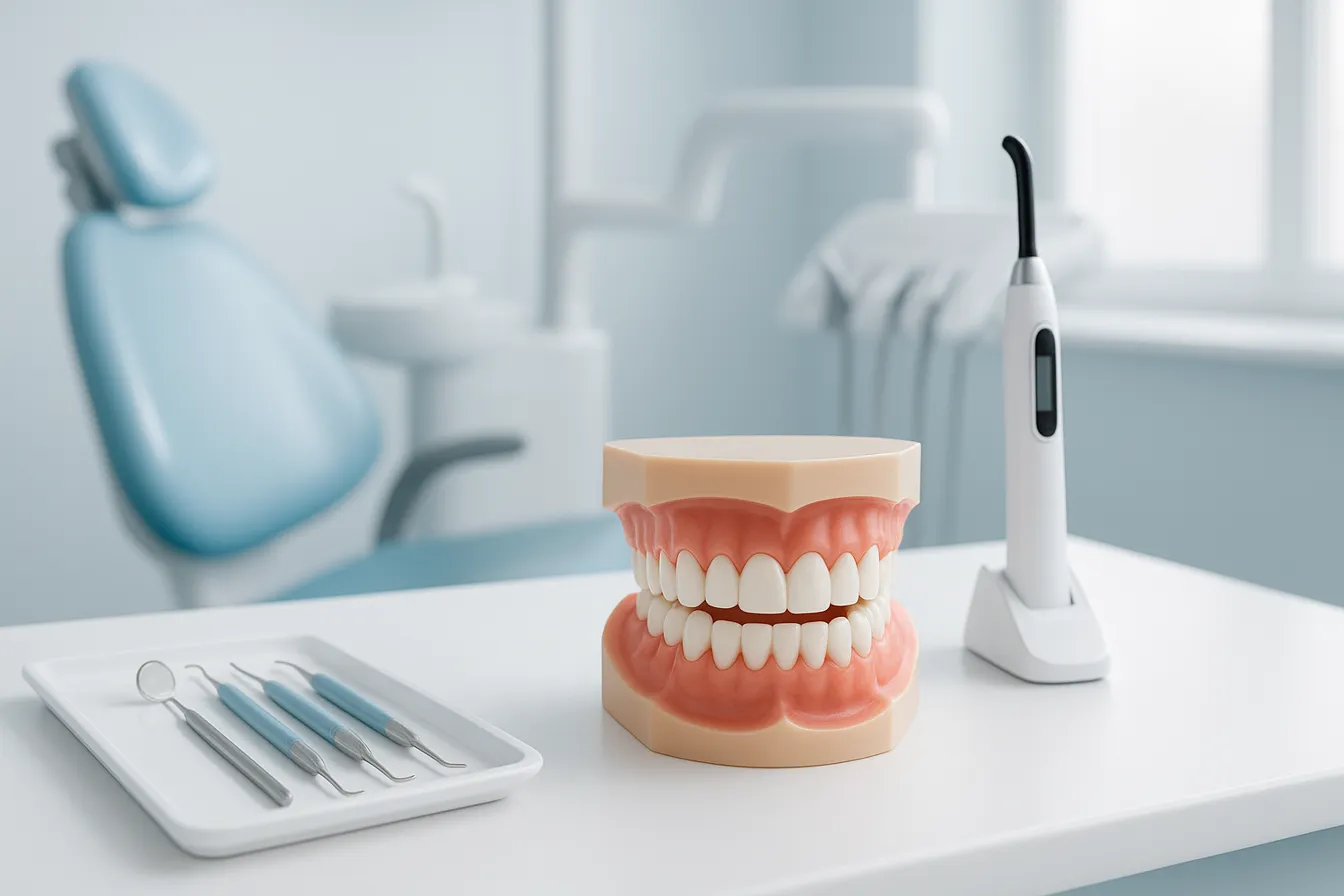
Dental veneers are thin, custom-made shells that cover the front surface of the teeth to conceal various cosmetic imperfections. These shells are typically made from porcelain or composite resin, designed to improve the look of chipped, stained, misshapen, or slightly misaligned teeth.
Veneers significantly enhance smile aesthetics by offering a uniform, bright, and natural-looking appearance. Porcelain veneers, in particular, mimic the translucency and texture of natural teeth and resist staining, lasting between 10 to 15 years or more with proper care. Composite veneers offer a more affordable and quicker alternative but may be less durable and prone to discoloration.
Beyond improving appearances, veneers boost self-esteem and confidence by resolving long-standing insecurities related to one's smile. They reduce smile anxiety and encourage better oral care habits, often supporting social interaction and positive self-image. People frequently choose veneers to align with social expectations and uplift their personal identity.
Dental care providers tailor veneer treatments based on individual needs, making use of advanced technology to ensure natural-looking results. Customized impressions and treatment plans ensure veneers fit comfortably and harmonize with the patient’s unique dental anatomy, resulting in a transformative smile that feels natural and confident.
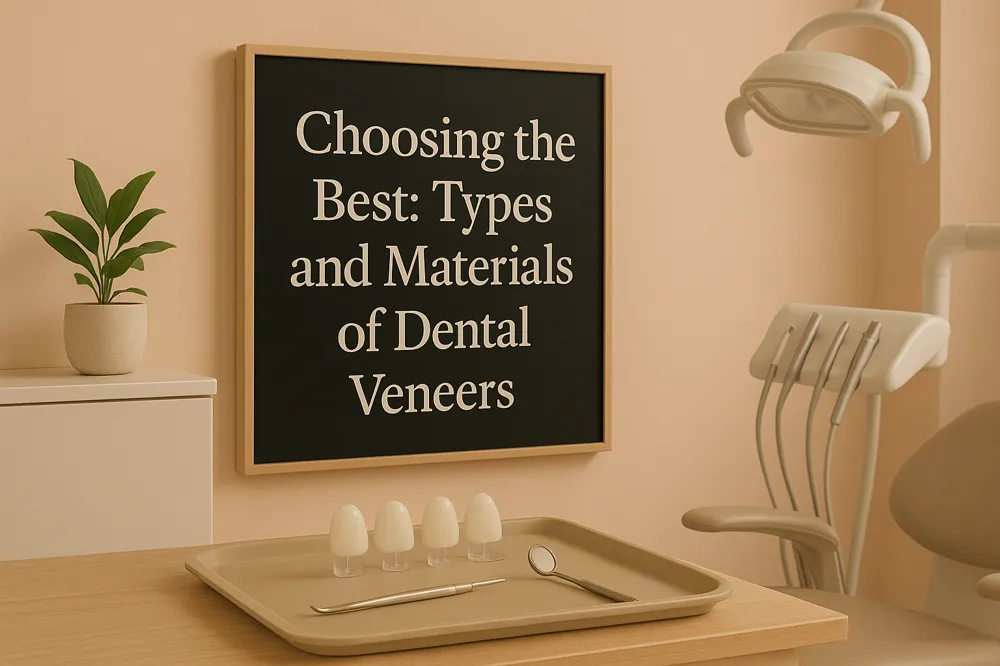
Dental veneers come in several types, primarily differentiated by the materials used and the preparation required. The most common types include porcelain veneers, composite resin veneers, no-prep veneers, and removable veneers.
Porcelain Veneers: These are custom-made, thin shells that cover the front surface of teeth. They are prized for their natural translucency and ability to mimic the light-reflecting qualities of natural enamel. Porcelain veneers require removing some enamel to ensure a perfect fit and strong bonding.
Composite Resin Veneers: Applied either directly in the dental office or crafted indirectly and bonded later, composite veneers are a more affordable, less invasive option. They tend to be less durable and more prone to staining or chipping compared to porcelain.
No-Prep Veneers: These are ultra-thin and require little to no enamel removal, preserving more of the natural tooth structure. However, they are not suitable for all patients and may have limitations in durability or aesthetic customization.
Removable Veneers: Also called snap-on or pop-on veneers, these temporary solutions offer a non-permanent cosmetic fix. They can be removed at will but may affect speech and do not offer the longevity or natural appearance of permanent veneers.
| Veneer Type | Advantages | Disadvantages |
|---|---|---|
| Porcelain | Highly natural appearance, stain resistant, durable (10-20 years) | Requires enamel removal, higher cost, irreversible |
| Composite Resin | Less invasive, lower cost, single-visit application possible | Less durable, prone to staining and chipping, shorter lifespan (5-10 years) |
| No-Prep | Minimally invasive, preserves enamel | Limited cases suitable, may be less durable |
| Removable | Non-permanent, easy to remove | Less natural, lower durability, may affect speech |
Porcelain veneers are favored mainly because their layered ceramic materials provide translucency and texture that closely resemble real teeth. This material also resists staining and can last up to 20 years with proper care. Composite resin, while easier and quicker to apply, lacks the depth and light-reflecting qualities, resulting in a less natural look and shorter lifespan.
Porcelain veneers combine aesthetics, strength, and longevity. Their ability to mimic natural enamel with nuanced color and texture makes them the preferred choice for those seeking a highly realistic smile enhancement. Despite requiring enamel removal, their durability and resistance to discoloration contribute to their reputation as the premium veneer option.
In summary, while composite and no-prep veneers offer less invasive and lower-cost alternatives, porcelain veneers provide the best balance of beauty and performance for long-term cosmetic dental improvements.
Getting dental veneers overview involves several key steps designed to transform your smile while ensuring a comfortable fit and natural appearance. Initially, you’ll consult with your dentist to discuss your smile goals and expectations. This phase includes an examination to assess your teeth and discuss the best type of veneers for your needs.
Before veneers can be placed, a small amount of enamel—typically about 0.5 mm—is removed from the teeth’s surface. This step is essential to allow the veneers to fit properly and bond securely. While traditional porcelain veneers benefits usually require some enamel removal, no-prep veneers advantages may require less or no enamel removal, offering a less invasive option.
After preparation, the dentist takes detailed impressions of your teeth. These impressions are sent to a dental lab where your custom veneers are fabricated. This customization process ensures that the veneers match the shape, size, color, and translucency of your natural teeth for a realistic look. The custom veneer design allows for precise crafting natural-looking veneers.
During the waiting period for permanent veneer fabrication, temporary veneers may be placed to protect your teeth and maintain aesthetics. These temporary shells are removable and serve as a preview of the final result. Once ready, the permanent veneers are bonded to your teeth using dental cement. This is part of the Veneer Preparation Process and Permanent Veneers Bonding.
The veneer procedure usually requires two dental visits. The first appointment covers consultation, tooth preparation, and impression taking. The second visit, scheduled within a couple of weeks, involves removing temporary veneers if used and bonding the permanent ones. The entire process balances efficiency with high-quality results, ensuring a natural and lasting Smile enhancement with veneers.

dental veneers overview dramatically transform smiles by covering common correcting dental imperfections such as discoloration, chips, gaps, and minor misalignments. These thin, custom-made shells fit over the front surface of teeth, hiding flaws that can detract from a person's smile. By camouflaging cracks, stains, and uneven spacing, veneers help create a more uniform and visually appealing smile.
Veneers address various issues:
These corrections contribute to an improved overall cosmetic dental imperfections, giving a fresher and more polished look.
Artistic dental veneers enable veneers to mimic the natural tooth appearance. Porcelain veneers benefits especially reflect light and have translucency similar to natural enamel, making them virtually indistinguishable from real teeth. Custom shade matching ensures the veneers harmonize perfectly with the patient's existing teeth, enhancing the smile’s authenticity.
Veneers not only improve individual tooth appearance but also enhance smile symmetry. They can reshape teeth and adjust their size for better balance and harmony in the dental arch. This aesthetic improvement significantly boosting self-esteem with veneers and social confidence by resolving long-standing insecurities related to one’s smile.
While veneers primarily serve cosmetic purposes, they also add a protective layer to damaged teeth. By covering chips and cracks, they reduce vulnerability to further damage. Additionally, they encourage better oral care habits due to increased smile pride.
Many patients report a positive shift in self-image and dental veneers. Improved smile aesthetics alleviate reducing smile anxiety and support satisfying social interactions. This enhancement often translates to higher confidence levels in both personal and professional settings.
| Aspect | Benefit | Details |
|---|---|---|
| Cosmetic Correction | Covers discoloration, chips, gaps, and misalignments | Creates a flawless smile surface |
| Appearance | Natural look with custom shade matching & translucency | Mimics natural enamel's texture and light reflection |
| Symmetry & Confidence | Improves smile balance and boosts self-esteem | Resolves smile-related insecurities |
| Protection | Strengthens and protects damaged teeth | Shields chips and cracks from further harm |
| Psychological Impact | Enhances social confidence and self-image | Reduces smile anxiety, promotes better oral care habits |
Dental veneers, made from porcelain or composite resin, are designed as a long-lasting cosmetic solution for enhancing smiles. Typically, they last between 10 to 15 years when cared for properly. However, their placement usually requires the removal of a small amount of enamel—about 0.3 to 0.5 millimeters—from the natural teeth. Because tooth enamel does not regenerate, this enamel removal renders the procedure permanent and irreversible. Once veneers are bonded, they cannot simply be removed without replacement or alternative treatments such as dental crowns or bonding.
Proper oral hygiene is essential for the longevity of veneers. Patients should maintain regular brushing and flossing habits and visit their dentist for routine check-ups to monitor the condition of both veneers and underlying teeth. Avoiding habits that may damage veneers, like biting on hard foods or using teeth as tools, helps prevent chips or cracks. Additionally, minimizing consumption of stain-causing foods and drinks, and protecting veneers from grinding with night guards if necessary, can prolong their lifespan.
Despite their durability, veneers can show signs of wear such as cracks, chips, or stains over time. Some patients may also experience increased tooth sensitivity due to enamel removal. If issues develop, veneers typically need to be replaced to maintain the desired cosmetic effect and protect the underlying teeth from decay.
Recent advances have introduced "no-prep" or minimal-prep veneers that require little to no removal of enamel. These prepless veneers may offer a reversible option for some patients, allowing bonding without permanent alteration of natural teeth. However, they are not suitable for everyone and may carry a higher risk of breakage. Consultation with a dental professional is important to determine the best approach based on individual needs.
In summary, while traditional dental veneers provide a durable and aesthetically pleasing option for smile enhancement, their permanence and maintenance requirements should be carefully considered. Patients who maintain excellent oral hygiene and follow care recommendations can enjoy their veneers' benefits for many years.

Dental veneers typically range from $500 to $2,895 per tooth, with the national average around $1,765. The price varies based on several factors including the type of veneer material, the dentist’s expertise, and geographic location. Porcelain veneers are usually more expensive due to their durability and natural appearance, while composite veneers are a more budget-friendly alternative.
Several factors influence veneer cost:
Generally, veneers are considered cosmetic and are not covered by insurance plans. However, many dental offices offer financing dental veneers options or payment plans to ease the cost burden. This flexibility helps patients balance cosmetic desires with financial realities.
Consultation with a dental professional is essential for creating a personalized veneer treatment plan. This allows patients to explore different materials and procedures that fit their budget while achieving desired aesthetic results.
Proper planning and understanding of costs contribute to a successful veneer experience, making this cosmetic dental treatment more accessible and manageable for many individuals.

Some dentists recommend caution with Dental veneers overview primarily because of the irreversible nature of the procedure. To place Traditional porcelain veneers, a small but significant layer of Enamel Removal for Veneers must be removed. This enamel removal permanently alters the natural teeth, making the procedure irreversible. Once enamel is removed, it cannot be restored, locking patients into ongoing care and potential complications.
The removal of enamel can lead to increased Tooth Sensitivity from Veneers, particularly to hot and cold stimuli. Additionally, if a veneer chips or cracks, it can expose the underlying tooth to damage or decay. Although veneers themselves do not actively harm teeth, poor maintenance or existing dental issues may worsen beneath the veneer surface.
Veneers Longevity, typically last between 10 to 15 years, but most will require replacement eventually. Good oral hygiene, avoiding hard foods, and routine dental visits are essential for Veneers Care and Maintenance. These ongoing care requirements can result in considerable long-term costs. Since veneers are generally considered Cosmetic Dental Treatments, Insurance and Dental Veneers coverage is often limited or unavailable, adding to financial considerations.
Patients with extensive tooth decay, insufficient enamel thickness, or certain bite issues might not be good candidates for veneers. In such cases, veneers may not adequately protect the teeth or deliver the expected aesthetic results, as noted in Dental veneers overview.
Some dentists recommend less invasive treatments like Composite Veneers, Lumineers veneers advantages (ultra-thin veneers requiring minimal to no enamel removal), or orthodontic corrections to preserve natural tooth structure. These alternatives can reduce irreversible damage and maintain more of the patient’s original teeth while Improving smile aesthetics.
Recent advances in veneer technology have transformed cosmetic dentistry by combining artistry with cutting-edge innovations. Ultra-thin porcelain veneers, often under 0.5 mm thick, represent a significant leap forward. These veneers require minimal to no enamel removal, making the procedure less invasive and preserving more of the natural tooth structure. For more on artistic dental veneers, see the link.
Digital imaging and CAD/CAM systems allow dental professionals to capture highly accurate impressions and design veneers with exceptional precision. This technology speeds up the fabrication process and often enables same-day veneer placement, enhancing patient convenience and comfort. Learn about the dental veneer procedure and how digital impressions improve results.
The artistry behind veneers involves meticulous attention to color matching, translucency, and surface texture. Porcelain veneers mimic natural enamel by carefully layering shades, replicating subtle shadows and highlights, and adding surface irregularities like tiny ridges. This results in a natural, lifelike appearance that blends seamlessly with surrounding teeth. Explore crafting natural-looking veneers for more details.
Improved materials make veneers more durable, resistant to stains, and longer-lasting—typically lasting 10 to 15 years or more with proper care. The ultra-thin design reduces discomfort and sensitivity, while precision fabrication ensures a better fit and function. Visit benefits of dental veneers to understand the key advantages.
By integrating advanced materials, digital technology, and artistic craftsmanship, modern veneers provide patients with beautiful, natural-looking smiles with less treatment time and greater long-term satisfaction. These innovations also help reduce anxiety and promote confidence by delivering results that closely mimic natural teeth. For insights on boosting self-esteem with veneers, see the link.
Dental veneers offer a powerful solution to enhance smile aesthetics by addressing discoloration, chips, gaps, and uneven teeth. They significantly boost self-esteem and social confidence by creating a brighter, more harmonious smile. Porcelain veneers provide durability and stain resistance, often lasting 10 to 15 years, while composite options offer a less invasive and more affordable alternative. However, veneers involve enamel removal, can cause increased tooth sensitivity, and necessitate lifelong oral hygiene commitment to prevent underlying decay.
Choosing dental veneers requires careful consideration. Their cosmetic nature means insurance coverage is limited, and most veneer treatments are permanent. Patients must weigh the long-term commitment to maintenance, potential sensitivity, and costs against the transformative aesthetic benefits.
Advances in dental technology allow personalized treatment plans tailored to individual needs, ensuring natural-looking results. Skilled dental professionals employ artistry and precision to craft veneers that match the natural translucency, color, and texture of teeth, enhancing both appearance and function.
For those considering veneers, consulting with experienced dental specialists is essential. Professional assessments help determine the most suitable veneer type and prepare patients for the procedure and aftercare, maximizing satisfaction and smile impact.