Even more knowledge

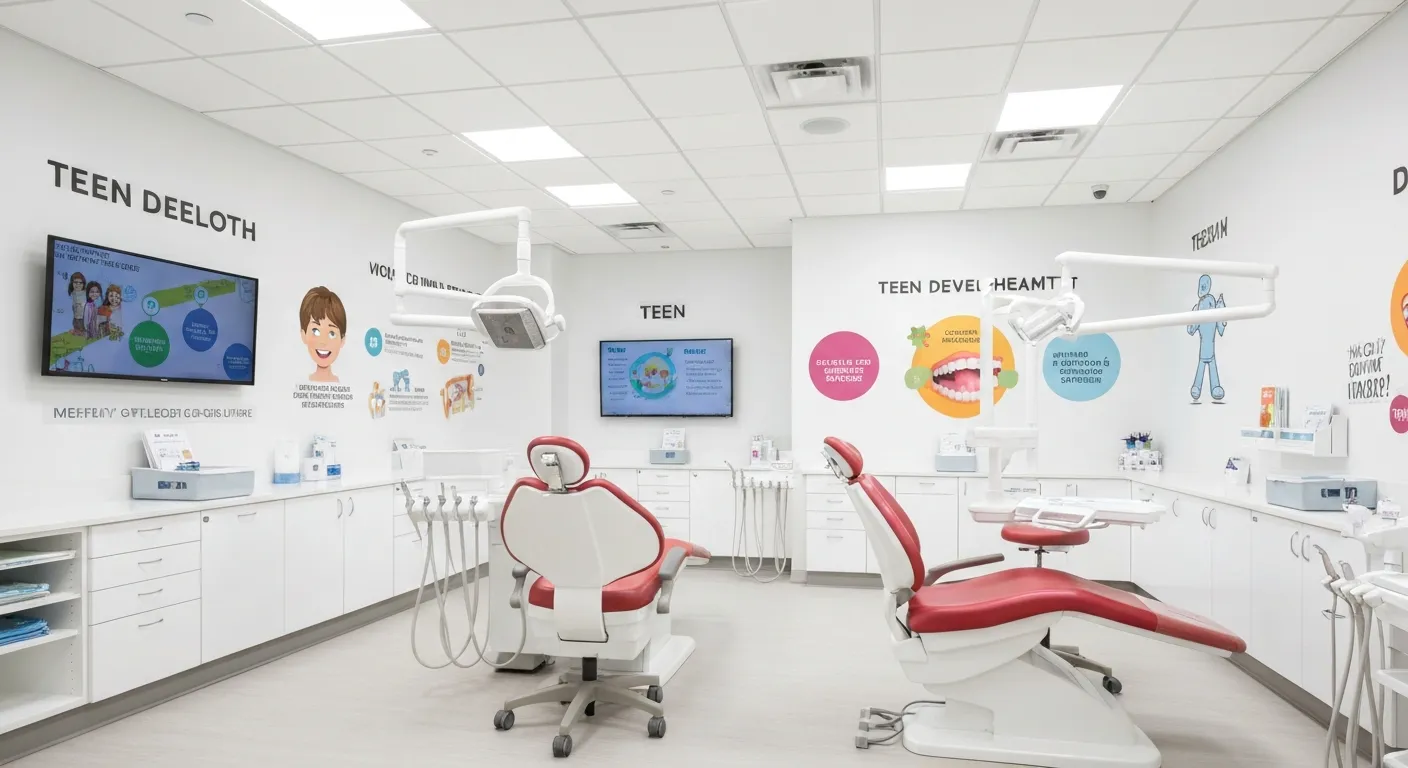
Teens experience significant dental changes, including the eruption of wisdom teeth and the completion of permanent teeth by early adolescence. Regular dental check-ups every six months help monitor these stages, enabling early detection of issues like crowding or misalignment.
Hormonal changes during puberty affect gum sensitivity, increasing risks of swelling and gum disease. Additionally, dietary habits and lifestyle choices common in teens can influence oral hygiene and cavity formation.
Parents should continue to reinforce good brushing and flossing habits while dental professionals provide guidance on orthodontic treatment and monitor wisdom teeth development. Collaborative efforts ensure teens maintain healthy teeth and avoid complications during this critical growth phase.

Between the ages of 6 and 8, children begin to lose their primary teeth in infants. This process usually starts with the lower central incisors falling out first. This natural shedding baby teeth is essential to make room for the permanent teeth emergence in adolescence.
Around this stage, the first permanent molars typically emerge behind the existing baby teeth. Additionally, permanent central incisors start to appear, replacing the fallen primary incisors. These are among the first of the adult teeth to emerge, guiding the alignment of others. This is part of the transition from primary to permanent teeth phase.
This period marks the start of the Mixed Dentition Phase where both primary and permanent teeth are present in the mouth. This phase can last several years and is critical for proper jaw growth and tooth alignment.
The transition from baby teeth to permanent teeth during this stage plays a significant role in developing clear speech and efficient chewing. Healthy growth and timely dental care help support these important functions.
Maintaining good oral hygiene and regular dental check-ups from early age during this stage helps monitor the progress, ensuring healthy development and catching any early orthodontic considerations for teens.
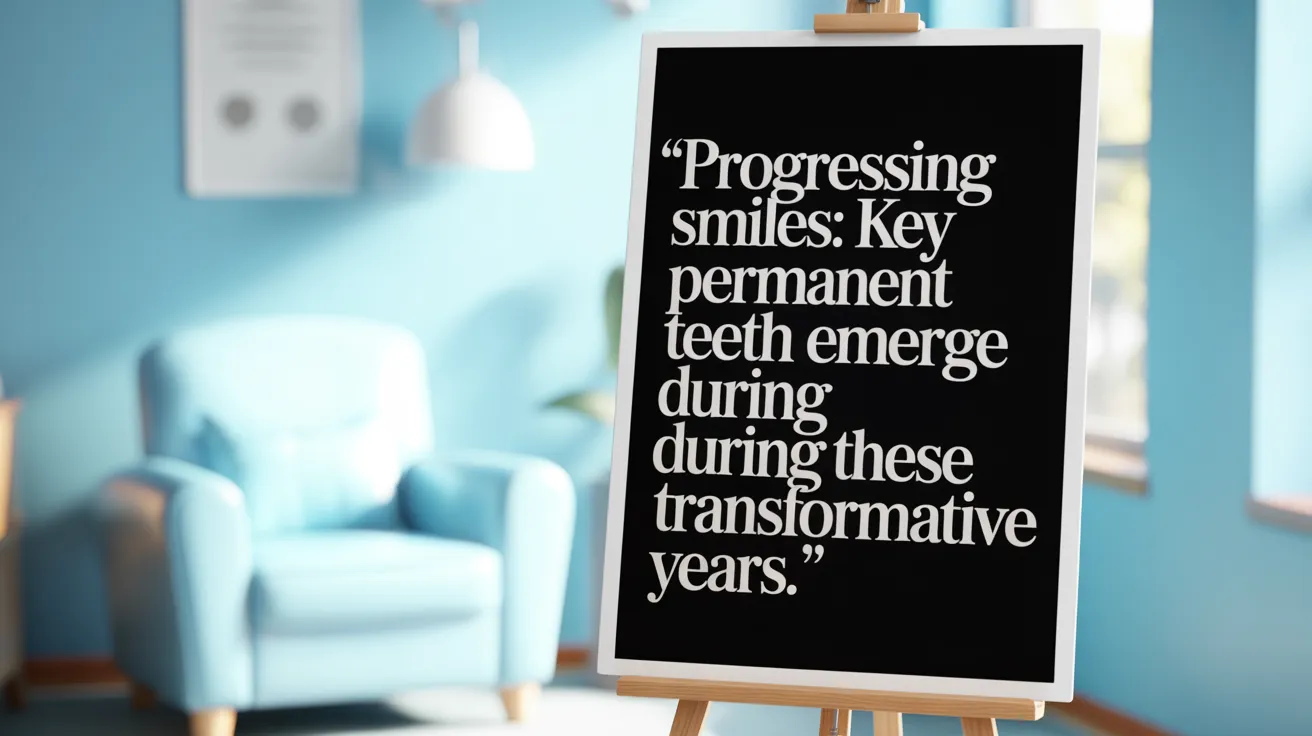
Between ages 9 and 12, children experience significant dental changes as the permanent canines and premolars erupt. These teeth help shape the bite and aid in chewing efficiency, marking important progression in the transition from primary to permanent teeth.
By the end of this stage, most permanent teeth have emerged, including incisors, canines, premolars, and the first and second molars. Wisdom teeth, or third molars, generally do not appear until late adolescence or early adulthood.
During this period, substantial jaw and facial bone growth occurs, providing the necessary space for new teeth and contributing to the overall structure of the face. This growth supports proper alignment and occlusion. Learn more about jaw growth and tooth eruption link.
Regular dental visits, ideally twice a year, are crucial during early adolescence to monitor tooth eruption, jaw development, and oral hygiene. Consistent brushing twice daily with fluoride toothpaste and daily flossing help prevent cavities and support healthy gums. See recommendations on importance of dental check-ups and brushing and flossing routines for ages 10-14.
Good dental care and timely orthodontic evaluations during this phase facilitate early detection of alignment issues, ensuring effective treatment and long-term oral health. For detailed info on orthodontic considerations for teens and orthodontic treatments ages 10-14, visit the linked resources.
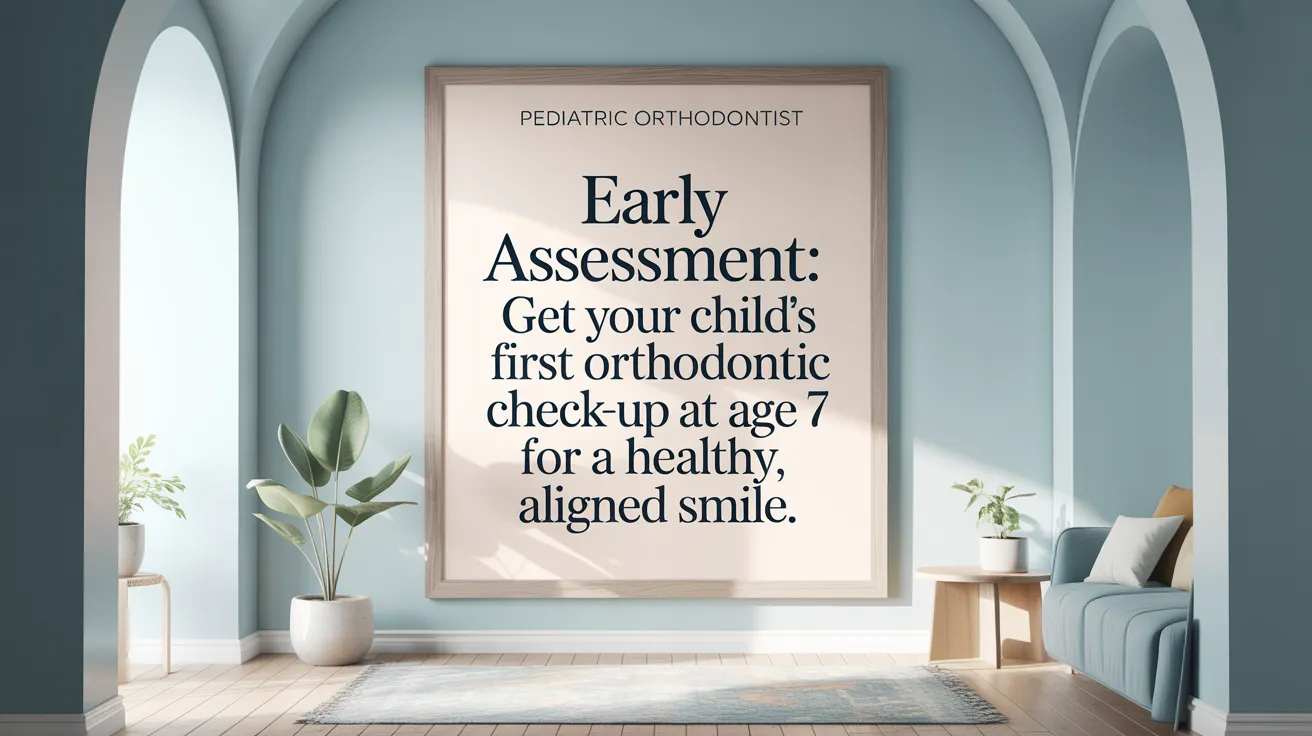
Children are typically recommended to have their first orthodontic evaluation at age 7. This early assessment helps identify potential issues with teeth alignment, bite, or jaw growth while the mouth is still developing and more responsive to treatment.
Between ages 7 and 14, many children may undergo orthodontic treatments ages 10-14 to correct alignment and bite issues. The most common treatment is braces, which gradually straighten teeth and correct malocclusion. Another popular option is Invisalign®, a less visible alternative using clear plastic aligners that shift teeth over time.
Orthodontic care during this stage often includes correcting bite problems such as overbite, underbite, or crossbite. Treatments may involve appliances to guide jaw growth and positioning, ensuring proper function and appearance. Early intervention can prevent more complicated issues later in life.
Practices like Gentle Dentistry of Staten Island provide dedicated orthodontic services tailored for children and teens. They offer comprehensive evaluations, personalized treatment plans, and utilize modern orthodontic technology to ensure effective and comfortable care. Their focus on early diagnosis and treatment helps children achieve healthy, aligned smiles and proper jaw function.
As children enter their early teens, typically between ages 12 and 15, they begin taking greater responsibility for managing their own oral hygiene. This stage marks a shift from parental supervision to personal accountability for daily dental routines. Teens should maintain regular dental visits every six months to ensure their oral health remains on track during this transition.
Good oral hygiene habits become especially important in early adolescence. Teens are encouraged to brush their teeth twice daily with fluoride toothpaste and begin flossing daily once the teeth are fully erupted. Maintaining these practices helps prevent plaque buildup and supports healthy gums.
Diet plays a significant role in oral health during the teen years. Consuming sugary snacks, candies, and sodas increases the risk of cavities by feeding harmful bacteria in the mouth that produce acids attacking tooth enamel. Teens should be guided towards healthier food choices such as fruits, vegetables, and water to protect their teeth (Benefits of sparkling water vs sugary sodas).
Neglecting proper brushing and flossing can lead to dental problems like cavities, gum inflammation, and bad breath. Hormonal changes during adolescence can also heighten sensitivity to oral bacteria, making attentive dental care even more critical. Early adoption of good habits reduces these risks and promotes a lifetime of healthy smiles (Teenage oral care tips).
Wisdom teeth, also known as third molars, typically start to erupt between the ages of 17 and 21. These are the last set of teeth to develop and emerge in the mouth, completing the adult dentition (Wisdom teeth emergence ages 17-21, Wisdom teeth eruption and removal, Wisdom Teeth Development).
As wisdom teeth come in, they often face problems such as crowding and impaction. Crowding occurs because there is usually limited space in the jaw for these molars, which can push existing teeth out of alignment. Impaction happens when wisdom teeth do not fully erupt due to blockage by other teeth or bone (Crowding caused by wisdom teeth, Impacted wisdom teeth removal, Wisdom teeth development and removal).
Regular dental check-ups during late adolescence and early adulthood are essential. Dentists monitor the growth and position of wisdom teeth using X-rays and examinations to detect any complications early (X-rays to monitor wisdom teeth, Timely dental care milestones, Wisdom Teeth Eruption and Issues).
If wisdom teeth cause pain, crowding, infection, or misalignment, removal may be necessary. This procedure helps prevent damage to adjacent teeth and maintains overall dental health (Wisdom teeth development and removal, Wisdom teeth removal, Removing Wisdom Teeth.
Unmonitored wisdom teeth can disrupt the alignment of the entire dental arch, potentially undoing earlier orthodontic work or resulting in bite issues. Proper monitoring and timely interventions safeguard the stability of a person's smile (Impact on Orthodontic Treatment Planning, Orthodontic treatments and braces care, Orthodontic Treatment During Teen Years.
Immediate attention to dental emergencies like tooth fractures, knocked-out teeth, or severe pain is essential. Teens should seek prompt dental care to prevent complications and preserve oral health. For more information, see Wisdom teeth concerns for teens.
Dental erosion and cavities are common in teens due to acidic diets and plaque buildup. Maintaining diligent oral hygiene, including brushing twice daily with fluoride toothpaste and daily flossing, is vital. Limiting sugary snacks and acidic drinks also helps protect enamel and reduce cavity risk. Learn more about Importance of daily flossing for teens.
Tobacco in any form significantly harms oral tissues, increases risks of gum disease, bad breath, and oral cancers. Oral piercings can lead to infections, gum damage, tooth fractures, and swelling, thus posing serious dental health risks. Read about Effects of tobacco on teen oral health for more details.
Mouthguards protect against dental injuries during sports by cushioning blows to the face and jaw, preventing tooth damage and fractures. Teens engaged in physical activities should wear well-fitted mouthguards for safety. See Use of mouthguards in teen sports.
By managing these challenges with proper care and preventive steps, teens can maintain healthy smiles through adolescence and beyond.
Teenagers are advised to visit their dentist every six months for regular check-ups. These visits play a crucial role in maintaining oral health by preventing common issues such as cavities, gum disease, and enamel wear. Regular exams also reinforce good oral hygiene habits as teens take more responsibility for their dental care (Dental milestones ages 15-18, Teenage oral care tips.
Modern dental practices often employ advanced diagnostic tools such as digital X-rays during teen dental visits. This technology allows dentists to detect hidden cavities, impacted wisdom teeth, and jaw development issues early, ensuring timely treatment (Dental milestones ages 15-18, Dental care responsibilities in adolescence).
During routine visits, preventive treatments are provided to protect teenagers' teeth. Sealants are commonly applied to the deep grooves of molars to prevent decay, while fluoride treatments strengthen enamel against acid attacks. These procedures reduce the risk of future dental problems (Dental care for ages 10-14, Importance of daily flossing for teens.
Regular dental check-ups also help identify orthodontic concerns such as misalignment, crowding, and bite problems. Early detection allows for timely referrals to orthodontists, increasing the effectiveness of treatments like braces. Monitoring the eruption and position of wisdom teeth is also critical during this stage (Orthodontic treatments and braces care, Orthodontic evaluation at age 7, Wisdom teeth concerns for teens.
In summary, consistent biannual dental visits equipped with modern technology and preventive care are vital to support teens' dental health and growth, setting the foundation for a healthy adult smile.
Adolescence marks a critical phase in preparing for adult dental health. Teens should maintain twice-daily brushing with fluoride toothpaste and daily flossing to prevent cavities and gum disease. These habits, supplemented by dental milestones ages 15-18, Teens dental check-ups every 6 months, lay a solid foundation for healthy teeth throughout adulthood.
During these years, risk behaviors like tobacco use and high sugar consumption increase oral health risks. Smoking and vaping contribute to gum disease, bad breath, and higher chances of oral cancer. Limiting sugary foods and drinks reduces cavity risk by minimizing harmful bacterial growth on teeth. For more on teen oral health risks, see Wisdom teeth concerns for teens, Orthodontic treatments and braces care, Causes of bad breath in teens.
Adolescents gradually take charge of their oral hygiene routines, though parental support remains valuable. Educating teens about proper brushing, flossing techniques, and dietary choices encourages personal responsibility and long-term health. Related guidance includes Stages of Oral Development in Teen Years, Oral Hygiene Responsibility for Teenagers and Teenage oral care tips, Oral hygiene for adolescents.
Orthodontic treatments, such as braces, are common in adolescence to correct alignment while the mouth remains adaptable. Wisdom teeth usually emerge in the late teen years and require monitoring to prevent complications. Ongoing dental evaluations help tailor individualized care plans that address developing needs and anticipate adult oral health challenges. For details on Orthodontic Treatment During Teen Years, Braces for adolescent teeth, Wisdom Teeth Eruption and Wisdom teeth emergence and removal.
Gentle Dentistry of Staten Island offers a wide range of services designed specifically for teenage dental needs. These include general and family dentistry with a strong focus on preventive care such as regular check-ups, professional cleanings, cavity fillings, and gum disease treatments to support proper growth and development of teeth during adolescence.
Preventive care is emphasized through routine exams and cleanings every six months. The practice advocates brushing and flossing routines for ages 10-14, plus the use of fluoride treatments and dental sealants to protect teeth against decay, especially the susceptible 12-year molars. Dietary counseling to reduce sugary snacks and drinks also supports long-term oral health with plain water and prevents dental problems.
Orthodontic care at Gentle Dentistry includes traditional braces and Invisalign®. Orthodontic evaluations typically occur around age 7, to catch misalignment early, with treatments often starting between ages 10-14 dental development. These options help teens achieve well-aligned teeth and proper jaw function, contributing to lasting dental health and addressing orthodontic considerations for teens.
Yes, the clinic provides emergency dental care to address urgent issues such as toothaches, trauma, or injury. Immediate treatment ensures teens receive timely relief and prevents complications during this critical Stages of Oral Development in Teen Years.
By combining preventive, orthodontic, general, and emergency services, Gentle Dentistry of Staten Island offers comprehensive dental care tailored to meet teenagers' evolving oral health habits during teenage years.
Gentle Dentistry of Staten Island provides a truly patient-centered dental experience by creating personalized treatment plans tailored specifically to each patient's unique needs and concerns. This approach ensures care is not only effective but also comfortable and respectful of individual preferences.
With over 30 years of expertise, their highly experienced team, including well-regarded dentists like Dr. Louis Sterling and Dr. Sara Skurnick, has earned a stellar reputation demonstrated by more than 32,000 five-star reviews. This reflects their commitment to compassionate and high-quality care.
The practice fosters a comfortable and stress-free environment designed to put patients at ease. They prioritize clear, transparent communication and build trusting relationships to keep patients informed and involved in their care decisions.
Flexible care options, including a wide range of dental services—from routine checkups to advanced cosmetic and orthodontic treatments—accommodate busy lifestyles. Additionally, they offer flexible financing plans and accept many insurance types, making quality dental care accessible and affordable.
Together, these elements combine to deliver a gentle, patient-focused dental experience that emphasizes comfort, understanding, and individualized attention.
Gentle Dentistry of Staten Island provides a full range of orthodontic treatments to suit diverse patient needs. Traditional metal braces and clear ceramic braces are available for patients seeking tried-and-true solutions. For those desiring a less noticeable option, Invisalign® clear aligners offer a discreet way to straighten teeth efficiently.
Early orthodontic evaluations are recommended starting around age 7 to identify and address potential alignment or bite issues early. Advanced techniques, such as lingual braces placed behind the teeth and accelerated orthodontic methods, promote greater comfort and reduce overall treatment time.
Whether treating children or adults, Gentle Dentistry ensures personalized plans, careful monitoring, and aftercare like retainers to maintain long-term results.
This range of orthodontic services balances effective correction with patient comfort and aesthetic preferences, making smile improvements accessible to all ages.
Gentle Dentistry of Staten Island utilizes advanced dental technologies to significantly improve treatment outcomes, especially for teens. Digital imaging and modern X-ray systems allow dentists to detect hidden dental issues early with exceptional precision. This early detection leads to timely interventions that prevent more serious problems.
Minimally invasive procedures, supported by these technologies, reduce patient discomfort and promote faster healing times. Digital impressions replace traditional molds, providing a more comfortable experience and highly accurate dental records. Similarly, laser dentistry enhances treatment precision while minimizing tissue damage.
Improvements in sterilization and anesthesia techniques ensure maximum patient safety and comfort, particularly during sensitive procedures such as teeth cleanings. These innovations also contribute to lowering the risk of infection.
Together, these technologies enable personalized, efficient, and effective dental care, helping teens maintain healthy teeth and a confident smile with less stress and downtime.
Gentle Dentistry of Staten Island is home to two highly experienced and respected dentists: Dr. Louis Sterling and Dr. Sara Skurnick. Dr. Sterling boasts over 41 years of expertise in general dentistry, providing restorative care, cavity treatment, and dental health management for patients across all age groups. His experience ensures thorough and compassionate general dental care.
Dr. Sara Skurnick complements this with over 35 years of orthodontic specialization. She is an Assistant Clinical Professor at Rutgers University and is skilled in advanced orthodontic treatments including Invisalign®, traditional braces, and surgical interventions. Her knowledge enables her to craft functional and beautiful smiles through personalized care plans.
Together, they provide a comprehensive dental care approach, seamlessly integrating general dentistry and orthodontics. Their professionalism, clear communication, and patient-first attitude have earned them high praise and trust. Families across Staten Island benefit from their combined expertise in a modern, comfortable setting that supports lifelong oral health.
During the teen years, most permanent teeth are fully developed except for wisdom teeth which erupt between ages 17 and 21. This phase includes managing orthodontic treatments like braces and monitoring wisdom teeth growth to avoid crowding.
Parents continue to play a vital role by encouraging good oral hygiene and healthy diet habits. Dental professionals provide regular checkups every 6 months to identify issues early, support orthodontic care, and educate teens on proper dental care.
Consistent brushing, flossing, reducing sugary foods, and avoiding harmful habits such as tobacco use help maintain oral health. Mouthguards are recommended during sports to protect teeth. These practices create a foundation for lifelong healthy smiles.