Even more knowledge


Orthodontics in 2026 is experiencing a profound shift, moving beyond simple teeth straightening into a realm of personalized, efficient, and patient-centered care. This transformation is driven by a surge in digital technology, making treatments not only more effective but also significantly more comfortable and convenient. The journey to a perfect smile is becoming faster, smarter, and seamlessly integrated into modern lifestyles.
The traditional, one-size-fits-all approach is rapidly fading. Today, breakthrough innovations allow for fully customized treatment plans tailored to an individual’s unique dental anatomy, facial structure, and personal goals. This move from standardization to personalization is at the heart of the modern orthodontic experience, ensuring outcomes are both predictable and aligned with each patient's vision.
These advancements are designed with the patient in mind. They aim to shorten overall treatment timelines, reduce the number of necessary in-office visits, and minimize discomfort. From remote monitoring that fits into a busy schedule to appliances engineered for aesthetics and comfort, the focus is squarely on improving every step of the smile journey. The result is a process that feels less like a medical treatment and more like a guided, collaborative pathway to confidence.
This article will explore five key areas where technology is reshaping orthodontic care. We will delve into how artificial intelligence is creating precise treatment roadmaps, the role of advanced digital scanning and 3D printing in crafting custom appliances, the integration of smart monitoring tools for remote care, new techniques aimed at accelerating tooth movement, and the holistic approach connecting orthodontics to overall oral health. Each represents a significant leap forward in making high-quality care more accessible and effective.
These innovations directly support a core mission: to provide advanced, gentle, and personalized orthodontic care. By embracing these technologies, practices can ensure treatments are not only at the forefront of the field but are also delivered with a deep commitment to patient comfort, transparency, and long-term well-being. The future of orthodontics is here, and it is designed to transform your smile journey into a positive, empowering experience.
| Innovation Category | Core Technology | Primary Patient Benefit | Example Application |
|---|---|---|---|
| Treatment Planning | Artificial Intelligence (AI) | More predictable outcomes & fewer appointments | AI analyzes scans to simulate final smile results |
| Appliance Fabrication | 3D Printing & Digital Scanning | Perfectly customized, comfortable fit | Printing custom aligners from digital mouth models |
| Progress Monitoring | Remote Tracking & Smart Sensors | Convenience & early issue detection | Using an app to send progress photos from home |
| Treatment Acceleration | Micro-stimulation & Biology | Potentially shorter overall treatment time | Using gentle vibration devices to encourage bone remodeling |
| Holistic Approach | Interdisciplinary Care | Improved long-term oral health & function | Coordinating with gum specialists for adult treatment |

Artificial Intelligence (AI) and machine learning are now foundational technologies in modern orthodontic diagnostics and treatment planning. This integration represents a shift from manual, experience-based methods to data-driven, algorithmic precision.
These systems use advanced software to process and learn from vast datasets. This capability allows them to be embedded directly into the diagnostic workflow, providing orthodontists with analytical tools that support and enhance clinical decision-making.
The primary role of AI is to analyze complex patient information to build a highly accurate treatment roadmap. This process involves several key data sources:
By synthesizing this information, the AI performs several critical functions:
The application of AI translates into tangible advantages for both the clinical outcome and the patient experience. These benefits are reshaping expectations for orthodontic care.
Increased Precision and Reduced Error AI minimizes human error and subjective interpretation. Its analysis provides a consistent, highly accurate foundation for treatment, which is especially valuable for complex cases requiring meticulous planning.
Shorter, More Predictable Treatment Times By optimizing the treatment plan from the start and allowing for real-time monitoring adjustments, AI helps keep treatment on track. This reduces unexpected delays and can lead to significantly shorter overall treatment timelines.
Visualization of the Final Result The simulation technology gives patients a clear, understandable vision of their end result. This visual confirmation improves patient understanding, boosts confidence in the treatment plan, and increases case acceptance rates.
AI is not a standalone tool; it is deeply integrated into the systems and processes that define modern orthodontic care. This integration drives efficiency and scalability.
AI-Powered Clear Aligner Systems Major clear aligner platforms now use AI for orthodontic treatment planning at their core. The software analyzes the digital scan to design each sequential aligner, calculating the precise amount of force and movement for every tooth at every stage of treatment.
Enhancing Operational Efficiency for Practices For dental practices and service organizations, AI-powered workflows automate routine planning tasks. This standardization speeds up case design, increases clinical throughput, and allows providers to deliver consistent, high-quality outcomes across multiple locations.
| AI Function | Data Analyzed | Primary Clinical Benefit | Patient-Facing Benefit |
|---|---|---|---|
| Diagnostic Analysis | 3D scans, CBCT images, X-rays | Identifies issues earlier; plans around root/bone structure | Safer, more comprehensive treatment foundation |
| Treatment Simulation | Digital models, historical case data | Predicts tooth movement; optimizes staging | Shows a preview of the final smile before starting |
| Remote Monitoring | Patient-submitted progress scans | Flags deviations early; suggests mid-course adjustments | Fewer in-office visits; greater convenience |
| Workflow Automation | Practice case data, scheduling info | Reduces planning time; standardizes care protocols | Faster case turnaround; consistent quality of care |
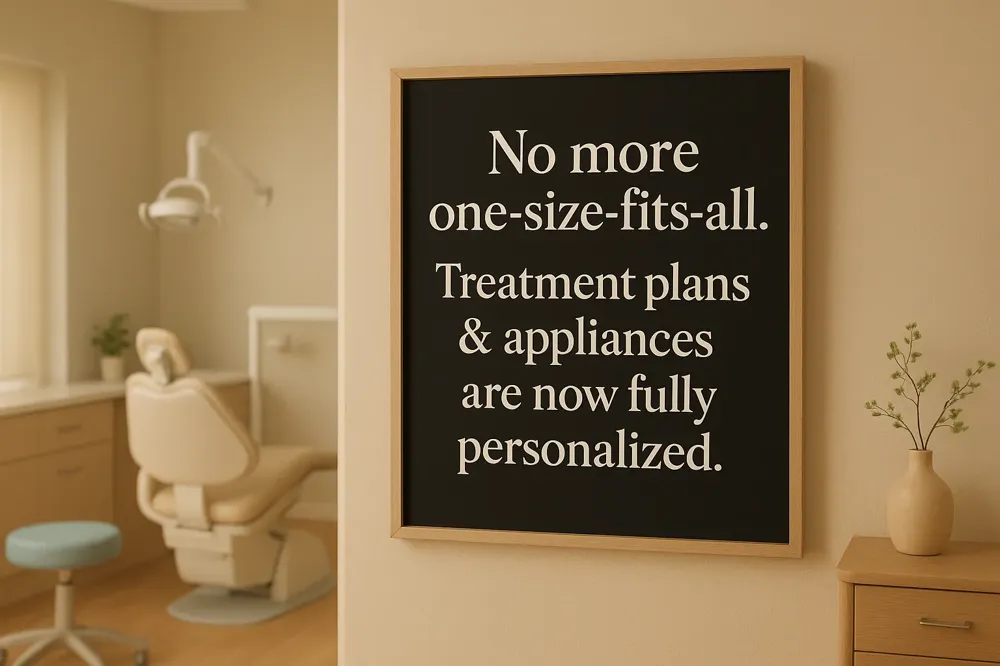
Modern orthodontics has moved decisively away from a one-size-fits-all philosophy. Upcoming clinical guidelines, like those anticipated from the American Association of Orthodontists (AAO) in 2026, emphasize that treatment plans must be fully customized to an individual's unique anatomy. This means brackets, wires, aligners, and all other appliances are no longer standardized products but are instead designed and fabricated specifically for each patient. This fundamental shift from standardization to personalization is a core tenet of high-quality contemporary care.
The journey to a custom appliance begins with a digital scan, completely eliminating the discomfort of traditional molds. An intraoral scanner is used to capture detailed, high-resolution 3D images of the teeth, gums, and bite. This digital impression creates a precise virtual map of the mouth, serving as the foundation for all subsequent planning. Using computer-aided design and manufacturing (CAD/CAM) software, orthodontists and technicians can then design the appliance—whether it's a set of aligners, a custom bracket, or an expander—with extreme accuracy on this digital model.
Once the design is finalized, 3D printing technology brings it to physical reality. This additive manufacturing process builds appliances layer by layer from materials like medical-grade plastics and resins. It enables the production of a wide range of fully customized orthodontic devices directly from the digital file. The ability to 3D print in-office or through specialized labs has revolutionized the fabrication timeline and capabilities of modern practices.
The hyper-customization enabled by digital scanning and 3D printing translates into multiple direct benefits for anyone undergoing orthodontic treatment.
Superior Fit and Comfort Appliances that are tailor-made to your dental anatomy simply fit better. This precise fit minimizes irritation to the cheeks and gums, a common complaint with traditional, bulkier appliances. Custom brackets are lower profile, and aligners grip the teeth more effectively without excessive pressure on the gums.
More Precise and Efficient Treatment Customization allows for the application of more accurate and biologically sensible forces to the teeth. When forces are applied exactly where needed, tooth movement can be more efficient and predictable. This precision, guided by advanced software simulation, can contribute to shorter overall treatment times and fewer unexpected delays.
Faster Turnaround and Fewer Appointments The digital workflow drastically reduces the time between the initial scan and receiving the first set of aligners or getting braces placed. There's no need to wait for physical molds to be shipped and processed. Furthermore, because appliances fit perfectly from the start, adjustment appointments can be quicker and potentially less frequent.
Enhanced Predictability and Visual Communication The digital treatment plan serves as a blueprint. Orthodontists can simulate the entire treatment process, showing patients a projected preview of their final smile before any treatment begins. This sets clear expectations and increases patient understanding and confidence in the process.
| Technology | Primary Function | Common Custom Outputs | Key Patient Benefit |
|---|---|---|---|
| Digital Intraoral Scanner | Captures 3D model of teeth | Digital impression file | No messy molds, more comfort |
| CAD/CAM Software | Designs custom appliances | Virtual aligners, brackets | Personalized treatment planning |
| 3D Printing | Fabricates physical appliances | Aligners, bonding trays, models | Rapid production, perfect fit |
| AI Treatment Planning | Analyzes data to optimize plan | Predictive movement staging | Potentially faster, more efficient treatment |
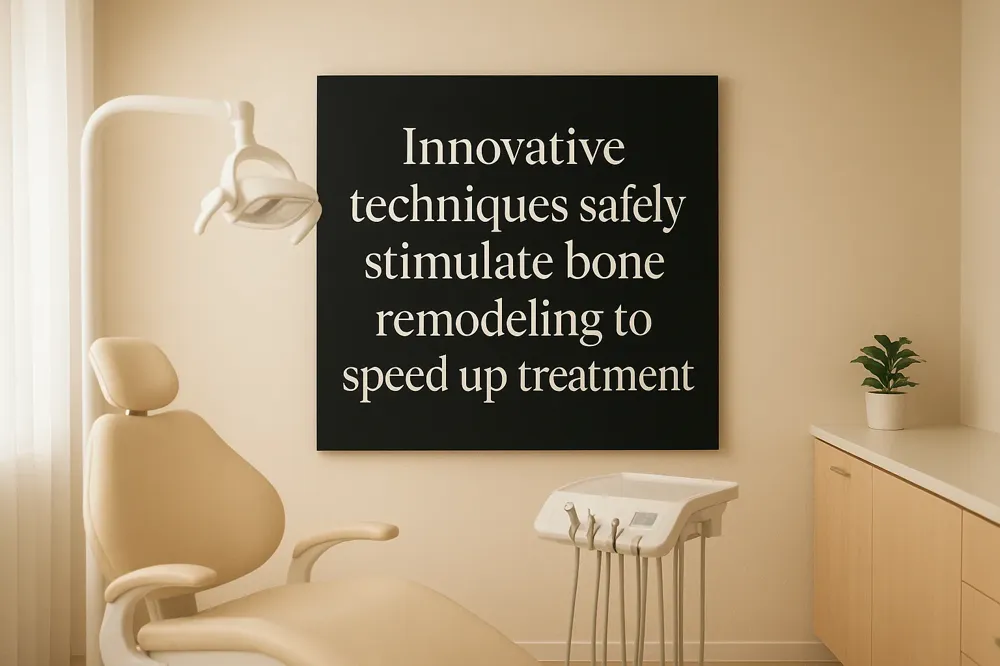
Orthodontic treatment, while highly effective, traditionally involves a significant time commitment. In response to growing patient demand for faster results, a distinct category of techniques known as accelerated orthodontics has emerged. The primary goal of these methods is to actively work with the body's own biological processes to stimulate and enhance the rate of tooth movement. Rather than simply moving teeth more forcefully, these approaches aim to make the supporting bone more responsive. This can lead to a substantial reduction in overall treatment timelines while aiming to maintain or even improve patient comfort and treatment safety.
One significant breakthrough method involves a minimally invasive surgical technique known as microperforations for speeding up tooth movement. This procedure entails creating a series of tiny, precise holes in the bone surrounding the teeth targeted for movement. These microperforations are strategically placed to activate specific biological pathways that are crucial for bone remodeling. The minor trauma induced by the perforations triggers the body's natural healing response, which includes an increase in inflammatory cells and bone metabolism in the local area. This heightened state of biological activity makes the bone temporarily more pliable, allowing teeth to move through it more quickly and with potentially lighter forces from braces or aligners. Research indicates this method has the potential to drastically shorten treatment times.
Another widely adopted adjunct is the use of high-frequency vibration devices for orthodontics, such as the AcceleDent system. These are handheld, patient-operated appliances designed for daily use. The principle involves applying gentle, high-frequency vibrations to the teeth and jawbone for a short period each day while wearing braces or clear aligners. The mechanical stimulation from these vibrations is believed to enhance cellular activity within the periodontal ligament and bone. This increased cellular turnover can accelerate the bone remodeling cycle that must occur for a tooth to shift position. When used consistently as prescribed, these devices can contribute to faster treatment progress, with some protocols suggesting a reduction in total treatment time. They may also help in reducing the initial discomfort associated with orthodontic adjustments.
Beyond established techniques, researchers are investigating more fundamental biological processes for future applications. A key area of interest is autophagy for efficient tooth movement, the body's essential cellular housekeeping mechanism. This process involves the breakdown and recycling of damaged or unnecessary cellular components. In orthodontics, scientists are exploring how inducing or modulating autophagy might be harnessed to remodel bone and the periodontal structures that support the teeth. The hypothesis is that by promoting a more efficient cellular cleanup and regeneration cycle in the bone surrounding a moving tooth, the resistance to movement could be lowered. This could potentially enable more efficient tooth movement, contribute to even faster treatment times, and increase overall patient comfort. While this application is still primarily in the research phase, it represents a frontier in biologically-driven orthodontic acceleration.
It is crucial to understand that these acceleration methods are not standalone treatments. They are designed as adjunctive therapies used in combination with primary orthodontic appliances like braces or clear aligners. Their application requires careful diagnosis, planning, and ongoing professional supervision. An orthodontist determines if a patient is a suitable candidate based on their specific case, medical history, and treatment goals. The techniques are integrated into a comprehensive treatment plan to ensure they complement the force systems of braces or aligners safely. This professional oversight is essential to achieve the dual aims of faster, more efficient tooth movement while protecting the health of the teeth, roots, and surrounding tissues. The ultimate goal is a predictable, shortened treatment timeline that aligns with modern patient expectations for efficiency.
| Acceleration Method | Primary Mechanism of Action | Typical Usage & Application | Key Patient Considerations |
|---|---|---|---|
| Microperforations | Activates bone remodeling pathways via minor surgical stimulus. | Performed in-office at treatment start or key stages. | Minimally invasive procedure, requires local anesthesia. |
| HFV Devices (e.g., AcceleDent) | Delivers gentle vibrations to stimulate cellular bone turnover. | Daily home use for several minutes alongside braces/aligners. | Requires consistent patient compliance for efficacy. |
| Autophagy (Research Phase) | Aims to enhance body's natural cell recycling for bone remodeling. | Primarily experimental; not yet standard clinical practice. | Focus of ongoing studies for future clinical protocols. |
| Common Principle | Works with biology to reduce bone resistance to tooth movement. | Always an adjunct to primary braces or aligner therapy. | All methods require professional diagnosis and supervision. |
Traditional orthodontics required patients to be physically present for an orthodontist to assess progress. A paradigm shift is now underway, moving towards 'smart' orthodontics. This refers to the integration of digital sensors and connectivity into treatment appliances, coupled with software platforms that allow for remote orthodontic monitoring and virtual care. The core idea is to create a continuous, data-informed link between the patient at home and the orthodontic team at the clinic.
This connected ecosystem transforms passive treatment devices into active partners in care. Smart orthodontics leverages the Internet of Things (IoT), where appliances collect data, and artificial intelligence (AI), which helps analyze that data. The goal is to enhance precision, predictability, and convenience throughout the treatment journey.
Clear aligner therapy has been revolutionized by the addition of smart technology. The newest generation of aligners can be embedded with ultra-thin, flexible sensors. These sensors are designed to be comfortable and discreet for the patient while performing critical monitoring functions.
The primary role of these sensors is to track patient compliance by monitoring how long the aligners are worn each day. Consistent wear is crucial for treatment to stay on schedule. Beyond simple timing, advanced sensors can monitor subtle oral environmental changes. For instance, they might track temperature, pH, or force levels, which can provide early indicators of potential issues like inflammation or areas of excessive pressure.
A key practical function is the automated alert system. When the sensors determine that an aligner has been worn for the prescribed duration or that tooth movement has progressed sufficiently, the connected smartphone app can notify the patient that it is time to switch to the next set of trays. This reduces guesswork and helps keep the treatment plan on its precise digital timeline.
Remote monitoring for braces is the companion technology that makes smart appliances truly powerful. It empowers patients to become active participants in their treatment from any location. The process typically involves a dedicated smartphone application provided by the orthodontic practice.
Patients use their phone's camera, sometimes with a simple cheek retractor or scan box, to capture high-resolution home scans for remote monitoring or short video scans of their teeth at regular intervals—often weekly or bi-weekly. These digital updates are then securely transmitted to the orthodontist's practice management software.
Artificial intelligence plays a central role here. Sophisticated AI and machine learning in orthodontic diagnostics analyze the incoming images, comparing them to the original digital treatment plan and previous scans. The AI can measure tooth movement with sub-millimeter accuracy, detect if teeth are tracking as predicted, and flag any deviations, such as a poorly fitting aligner or unexpected spacing. This allows the orthodontic team to review only the cases that require attention, making the process highly efficient.
The integration of smart appliances and remote orthodontic monitoring technology delivers significant advantages that address modern patient needs and improve clinical outcomes.
| Technology Component | Primary Function | Direct Patient Benefit |
|---|---|---|
| Smart Aligner Sensors | Track daily wear time & oral environment | Automated reminders; early issue alerts |
| App-Based Scanning | Capture progress images at home | Eliminates travel for check-ups |
| AI Analysis Software | Compare scans to treatment plan | Ensures movement is on track; flags delays |
| Clinician Dashboard | Review AI-highlighted cases | Enables timely, targeted professional intervention |

The orthodontic toolkit is being fundamentally re-engineered. While digital planning provides the blueprint, the physical brackets, wires, and aligners that apply force to teeth are undergoing significant advancements. These innovations focus on applying more precise, biologically sensible forces to move teeth more comfortably and efficiently. The goal is to reduce friction, irritation, and treatment time while expanding the range of treatable cases.
Self-ligating braces systems, such as the Damon System, are a key evolution in fixed appliance technology. Unlike traditional braces that use elastic or metal ties to hold the archwire in place, these brackets feature a built-in clip or slide mechanism. This design eliminates the need for external ties.
The primary benefit is a significant reduction in friction between the wire and the bracket. With less binding, teeth can move more freely in response to lighter, continuous forces. This can translate to several patient advantages. Treatment may progress faster due to more efficient force application.
Patients often experience greater comfort with fewer adjustments needed during appointments. The system's design also facilitates easier oral hygiene, as there are no elastic ties to trap food and plaque.
The wires that connect brackets are just as important as the brackets themselves. Advanced archwires made from sophisticated alloys are central to modern treatment. Nickel-titanium (NiTi) wires and copper-nickel-titanium alloys are now standard.
These materials possess unique 'memory' or superelastic properties. A wire can be bent or twisted to engage a patient's misaligned teeth, yet it continuously tries to return to its original, pre-programmed shape. This provides a gentle, consistent force over extended periods.
This continuous force is considered more biologically sensible. It protects tooth roots and surrounding bone while encouraging steady movement. The result is more predictable tooth alignment with potentially less discomfort for the patient compared to the intermittent, heavier forces of older wire technologies.
Recognizing that no single tool is perfect for every situation, orthodontists are increasingly adopting hybrid approaches. Hybrid orthodontics strategically combines different appliance types within a single treatment plan to maximize efficiency and discretion.
A common strategy involves using fixed appliances, such as braces or temporary anchorage devices (TADs), for a specific, limited phase. For example, braces might be used for a few months to achieve a difficult rotation or intrusion of a tooth that aligners struggle with. Once that complex movement is complete, the treatment transitions to clear aligners for the remainder of the alignment and refinement.
This method leverages the strengths of each system. Braces offer superior three-dimensional control for specific tasks, while aligners provide discretion and comfort for the broader treatment journey. For adults seeking discreet treatment for complex cases, this hybrid model expands eligibility and can improve overall treatment efficiency.
Material science is advancing on two important fronts: patient health and environmental impact. There is a growing focus on biocompatibility, ensuring all materials used in the mouth are hypoallergenic, corrosion-resistant, and safe for long-term contact with oral tissues.
Beyond being inert, bioactive materials are emerging. These are designed to interact beneficially with the oral environment. For instance, brackets or cements with bioactive coatings can release ions like fluoride, calcium, and phosphate. This helps remineralize enamel and combat the white spot lesions that can sometimes occur around braces.
Sustainability is also becoming a priority. The industry is exploring eco-friendly thermoplastics for aligners, which may be derived from plant-based sources or be recyclable. Practices are adopting digital workflows to reduce waste from traditional impressions and packaging, aligning with broader environmental, social, and governance (ESG) considerations.
| Material/System | Key Feature | Primary Patient Benefit | Clinical Advantage |
|---|---|---|---|
| Self-Ligating Brackets | Built-in clip mechanism | Potentially faster, more comfortable treatment | Reduced friction, fewer adjustments needed |
| Memory Alloy Wires | Nickel-titanium composition | Gentler, continuous forces | More predictable, biologically sensible movement |
| Hybrid Treatment | Combines braces & aligners | Discretion for complex cases | Efficient control for difficult tooth movements |
| Bioactive Coatings | Releases therapeutic ions | Helps protect enamel health | Reduces risk of white spots during treatment |
| Sustainable Aligners | Plant-based/recyclable plastic | Lower environmental impact | Aligns with patient values for eco-conscious care |
The future of orthodontics is a more efficient, comfortable, and personalized experience, driven by digital technology. We expect advancements like AI-powered treatment planning and remote monitoring via apps to enhance precision and reduce in-office visits. Innovations in materials, such as self-adjusting wires and custom 3D-printed appliances, aim to shorten treatment times and improve comfort. Ultimately, these converging trends will make care more patient-centric, focusing on achieving optimal oral health and confident smiles with greater convenience. Practices like ours are committed to integrating these modern techniques to provide the most advanced, gentle care possible.
Appointment frequency is likely to decrease. Remote monitoring technologies are now common. Patients can use smartphone apps and at-home scanning tools to send progress updates to their orthodontist. This virtual oversight allows for continuous tracking and early detection of issues. Many routine check-ups can be managed remotely. You may only need to visit the office for major milestones or appliance adjustments. This shift is especially beneficial for busy adults and families. It reduces travel time and fits treatment into modern, demanding schedules.
Treatment times are decreasing due to several innovations. Accelerated techniques are becoming more integrated. These include devices that apply gentle vibrations to stimulate bone remodeling. Some protocols use micro-osteoperforations to activate biological processes. AI-driven treatment planning also optimizes the staging of tooth movement for efficiency. While complex cases still require time, many patients see faster results. The goal is to shorten overall treatment duration while maintaining safety and effectiveness.
Yes, comfort is a primary focus of new technologies and materials. Modern braces are designed to be smaller, smoother, and less irritating. Clear aligners now feature advanced materials with pressure-relief cutouts and better elasticity. Treatments are moving toward using lighter, continuous forces. These 'biologically sensible' forces protect tooth roots and gum tissues. Some adjunct therapies, like photobiomodulation, use light to reduce inflammation and pain. The entire experience is being engineered for greater patient comfort from start to finish.
Personalization is moving beyond just custom-fit appliances. Treatment plans are now tailored using a wide array of patient-specific data. This includes 3D scans of your teeth, jaw, and facial structure. AI algorithms analyze this data against thousands of past cases to predict your unique response. Some practices are exploring genetic testing and biomarker analysis. These tools help predict how your bones and teeth will move. The result is a highly customized treatment roadmap designed just for you, aiming for the best possible outcome.
Clear aligner technology has advanced significantly. It is now suitable for a broader range of cases, including many that were once reserved for braces. Improvements in software algorithms allow for more precise control over complex tooth movements and rotations. Hybrid approaches are also popular. These combine aligners with subtle fixed attachments or short periods of braces. This method provides the control needed for difficult movements while maintaining a discreet appearance. For most patients, clear aligners are a highly effective option.
Environmental considerations are influencing product development and clinic operations. There is a growing trend toward using sustainable materials. This includes recyclable or plant-based thermoplastics for aligners and eco-friendly packaging. Many clinics are adopting digital workflows to reduce paper use. Some are investing in energy-efficient equipment. These efforts respond to patient values and promote a more responsible approach to dental care without compromising clinical results.
Early intervention is being transformed by digital tools. Orthodontists now recommend an initial check-up by age seven. Advanced imaging, like 3D scans, allows for precise assessment of jaw growth and development. Myofunctional appliances and smart soothers are designed to guide proper tongue placement and jaw development in young children. These interventions can address issues early, often preventing the need for more extensive treatment later. The process is also more engaging for kids, using digital previews of their future smile.
While advanced technology involves investment, many factors are improving accessibility. Digital workflows and 3D printing can reduce lab costs and turnaround times. Remote monitoring can lower the overhead associated with frequent in-person visits. Furthermore, flexible payment plans and expanded insurance coverage for newer treatments like clear aligners are becoming more common. The focus is on providing high-value care that is both effective and financially manageable for a wider range of patients.
| Technology Category | Primary Function | Benefit to Patient | Example Applications |
|---|---|---|---|
| Artificial Intelligence (AI) | Analyzes scans, predicts outcomes, plans treatment | More precise plans, fewer surprises, shorter treatment | AI-powered treatment simulation, automated monitoring alerts |
| 3D Printing & Digital Design | Creates custom appliances from digital models | Perfect fit, faster production, increased comfort | Custom aligners, brackets, indirect bonding trays, retainers |
| Remote Monitoring | Tracks progress via patient-submitted scans/images | Fewer office visits, early issue detection, convenience | Smartphone app check-ins, at-home 3D scanning kits |
| Accelerated Techniques | Stimulates bone remodeling to speed tooth movement | Reduced overall treatment time | Micro-osteoperforation, high-frequency vibration devices |
| Advanced Materials | Provides gentler, more consistent forces | Improved comfort, better control, discreet appearance | SmartTrack aligners, nickel-titanium memory wires, ceramic brackets |
The investment in orthodontic treatment is a significant consideration for patients, and understanding the factors that influence cost is essential. The typical cost for braces depends heavily on the type of appliance selected and the complexity of your individual case. For comprehensive treatment, traditional metal braces generally range from $3,500 to $7,000. Ceramic (tooth-colored) braces, which offer a more discreet aesthetic, often cost between $4,500 and $8,500. Clear aligner systems, such as Invisalign or Spark Aligners, typically range from $4,000 to $7,500.
These figures represent a broad spectrum because the final investment is personalized. It is influenced by several key factors, including the estimated treatment duration, the specific digital and manufacturing technologies used in your plan, and regional practice costs. A complex case requiring precise biomechanical control or interdisciplinary care may involve a different investment than a straightforward alignment.
Modern orthodontics has shifted from a one-size-fits-all approach to fully customized treatment plans. This personalization, powered by technologies like 3D printing for custom orthodontic appliances, AI-driven planning, and digital intraoral scans, adds significant value. Custom-printed aligners or patient-specific brackets are engineered for a better fit, which can improve efficiency and comfort, potentially influencing the treatment timeline and outcome.
At Gentle Dentistry of Staten Island, we believe in transparent consultations where all cost factors are clearly explained. We are committed to accessibility and offer flexible payment plans, including interest-free financing options, to help make achieving a healthy, confident smile a manageable investment for your long-term oral health.
Yes, orthodontic treatments have become significantly more comfortable, directly addressing a common patient concern. Innovations across every stage of care have transformed the patient experience.
Modern appliances are designed with comfort in mind. Traditional braces now utilize advanced, gentler archwires made from materials like nickel-titanium. These 'memory wires' apply lighter, more continuous forces, which reduces the initial soreness and discomfort often associated with adjustments. Self-ligating brackets, which use a slide mechanism instead of elastic ties, further minimize friction and pressure on the teeth, often leading to fewer and quicker adjustment appointments.
The rise of clear aligner therapy offers a fundamentally different experience. Systems like Invisalign® use smooth, removable plastic trays that eliminate the irritation from brackets and wires against the cheeks and gums. Newer aligner materials are more flexible and incorporate features like pressure-relief cutouts to enhance comfort during tooth movement.
The diagnostic process is now more patient-friendly. Uncomfortable, gag-inducing traditional impression molds have been largely replaced by digital intraoral scanning. These devices quickly create a precise 3D model of your mouth with a simple wand, making the initial records process faster and much more comfortable.
Treatment efficiency reduces overall discomfort. Techniques aimed at accelerated orthodontics, such as the use of high-frequency vibration devices or advanced AI planning software, can help shorten the total treatment time. A shorter treatment duration naturally means less time spent managing appliance-related adjustments. Furthermore, remote monitoring via smartphone apps allows for progress checks without frequent in-office visits, adding convenience and reducing the logistical discomfort of care.
| Comfort Feature | Technology Enabling It | Direct Patient Benefit |
|---|---|---|
| Lighter Forces | Advanced Memory Archwires | Less soreness after adjustments |
| Reduced Friction | Self-Ligating Brackets | Fewer, faster adjustment visits |
| No Brackets/Wires | Clear Aligner Systems | Eliminates cheek/lip irritation |
| No Goopy Molds | Digital Intraoral Scanners | Faster, more comfortable scans |
| Shorter Treatment | AI Planning & Vibration Devices | Less time in appliances overall |
| Fewer Appointments | Remote Monitoring Apps | More convenience, less travel |
Choosing a practice that invests in modern orthodontic technology is an investment in predictable, efficient, and personalized care. These advancements are not just about novelty; they directly translate to tangible benefits that improve your treatment journey and results.
Precision and Predictability: Artificial Intelligence (AI) and advanced software analyze 3D scans to create highly detailed treatment simulations. You can see a projected preview of your final smile before treatment begins. This data-driven planning helps minimize surprises, potentially reduces the need for mid-course corrections, and aims for a more stable, long-term result.
Efficiency and Shorter Treatment Times: Digital workflows streamline the entire process. From the initial digital scan, custom appliances can be designed and fabricated using 3D printing, often with quicker turnaround times. AI algorithms help optimize the staging of tooth movements, while adjunctive methods like micro-osteoperforation or vibration therapy can stimulate biological responses to safely accelerate tooth movement.
Personalization for Your Unique Needs: Modern care moves beyond standardized approaches. Your treatment plan, whether using custom 3D-printed aligners, personalized bracket placement, or hybrid approaches combining different tools, is tailored to your specific anatomy and goals. This customization often leads to a better fit, more effective force application, and enhanced comfort.
Enhanced Communication and Convenience: Digital tools improve the dialogue between you and your care team. Visual treatment simulations make it easier to understand the process. Remote monitoring platforms allow you to submit progress updates from home, enabling your orthodontist to track your journey and provide guidance without requiring an office visit for every check-in.
We understand that orthodontic treatment is a significant personal investment, and we are dedicated to ensuring financial considerations do not become a barrier to achieving optimal oral health and confidence.
Our approach begins with a comprehensive, transparent consultation. We take the time to explain all diagnostic findings, discuss the various treatment options suited to your case, and provide a clear, detailed breakdown of the associated investment. There are no hidden fees, and we ensure you understand what is included in your treatment plan.
To make this investment manageable, we offer a range of flexible payment solutions. These include interest-free in-house financing plans that allow you to spread the cost over time. We also work with most major dental insurance providers and will assist you in maximizing your orthodontic benefits. Our team is here to help you navigate the financial aspects so you can focus on your smile transformation.
Furthermore, our adoption of efficient technologies, like digital workflows and remote monitoring, can indirectly support accessibility by reducing the number of in-office visits required for some patients, saving you time and travel costs over the course of treatment. Our goal is to provide high-value, patient-centric care that is both clinically excellent and thoughtfully accessible to our community.
Artificial intelligence has become an integral part of modern orthodontic care. AI algorithms are primarily used to analyze digital data, such as 3D intraoral scans, X-rays, and photos, with incredible speed and precision. This analysis helps in creating highly detailed and personalized treatment plans. For clear aligner systems, AI software can simulate the entire sequence of tooth movement, allowing patients to see a virtual preview of their final smile before treatment even begins.
Beyond planning, AI enhances diagnostics by identifying subtle patterns in bone structure and tooth positioning that might be missed by the human eye. It can predict how teeth and jaws will respond to forces, leading to more predictable outcomes. Many AI platforms also incorporate data from thousands of past successful treatments, using this information to recommend the most effective strategy for a new patient's unique case. This data-driven approach aims to minimize surprises, reduce the need for mid-course corrections, and can contribute to shorter overall treatment times.
No, AI is not positioned to replace orthodontists. Its role is that of a sophisticated assistant, augmenting the orthodontist's clinical skill and judgment. AI excels at processing vast amounts of data and performing repetitive analytical tasks with consistency. However, it lacks the critical human elements essential for healthcare: clinical experience, empathy, and the ability to make nuanced decisions based on a patient's overall health, lifestyle, and personal goals.
The orthodontist uses AI-generated insights to inform a comprehensive treatment plan. They interpret the data within the full context of the patient's oral health, considering factors like gum condition, facial aesthetics, and long-term stability. The orthodontist also performs all clinical procedures, manages patient relationships, and makes real-time adjustments during treatment. Therefore, AI empowers orthodontists to work more efficiently and accurately, allowing them to focus more on personalized patient care rather than replacing their expertise.
Self-ligating braces represent a significant design evolution from traditional braces. The core difference lies in how the archwire is held in the bracket. Traditional braces use small elastic bands or metal ties (ligatures) to secure the wire. Self-ligating braces have a built-in, low-friction clip or door mechanism within the bracket itself that closes over the wire to hold it in place.
This design innovation offers several practical benefits. By eliminating ligatures, friction between the wire and bracket is reduced. This allows teeth to move with lighter, more continuous forces, which can enhance comfort. The reduced friction can also contribute to more efficient tooth movement, potentially shortening treatment duration. From a hygiene perspective, the smooth bracket design with no elastics makes cleaning easier, as there are fewer places for food and plaque to accumulate.
Patients often experience fewer and quicker adjustment appointments. While both systems are effective, self-ligating braces provide a modern alternative that focuses on efficiency and patient comfort throughout the orthodontic journey.
| Technology | Primary Function | Key Benefit for Patient | Common Application |
|---|---|---|---|
| Artificial Intelligence (AI) | Analyzes scans & plans treatment | More predictable outcomes, fewer visits | Treatment simulation & remote monitoring |
| Self-Ligating Braces | Holds wire with a built-in clip | Often more comfortable, easier to clean | Fixed appliance treatment for all ages |
| 3D Intraoral Scanning | Creates digital model of teeth | No messy impressions, high accuracy | Diagnosis & aligner/brace fabrication |
| Remote Monitoring Apps | Tracks progress via smartphone photos | Convenience, fewer in-office check-ups | Progress tracking between appointments |
| Accelerated Orthodontic Devices | Stimulates bone remodeling | Can reduce overall treatment time | Used alongside aligners or braces |
Accelerated orthodontics refers to a collection of modern techniques and technologies aimed at shortening the total time a patient spends in braces or clear aligners. The core principle involves safely stimulating the body's natural biological process of bone remodeling—including approaches like autophagy for efficient tooth movement—to enable teeth to move more efficiently into their desired positions.
Common methods include microperforations for speeding up tooth movement, where a clinician makes tiny, strategic perforations in the bone surrounding the teeth. This activates cellular pathways that encourage faster remodeling. Another approach involves using high-frequency vibration devices for orthodontics or accelerated orthodontics with high-frequency vibration that deliver gentle vibrations to the teeth and jawbone when used daily alongside traditional appliances.
These accelerated orthodontic treatment techniques are integrated into a comprehensive treatment plan supervised by an orthodontist. The objective is to achieve excellent results in a condensed timeframe, offering patients the benefits of a corrected smile and improved oral health sooner than with conventional timelines alone.
The 'Three M's'—Muscles, Malformation, and Malocclusion—represent a foundational diagnostic framework in orthodontics. This model highlights the critical interplay between three key areas that influence oral health and facial development.
Understanding the relationship between these three factors allows orthodontists to develop personalized orthodontic treatment planning that address not just crooked teeth, but also the root causes for a more stable and healthy long-term outcome.
For dental professionals, contemporary orthodontics is a field defined by rapid technological evolution and expanding clinical possibilities. The integration of digital tools, artificial intelligence, and biological research is transforming every aspect of practice, from diagnosis to appliance delivery and patient monitoring.
This technological advancement makes orthodontics an exciting and stable career path. The demand for effective, discreet, and efficient treatments continues to grow among all age groups. Professionals who embrace these innovations in orthodontics are positioned at the forefront, capable of delivering highly predictable, personalized care.
The shift towards more digital and automated workflows enhances clinical consistency and operational efficiency. This environment supports practitioners in providing cutting-edge treatments that meet modern patient expectations for comfort, aesthetics, and convenience, ensuring the field remains both clinically rewarding and professionally robust.
| Technology Area | Core Innovation | Primary Clinical Benefit |
|---|---|---|
| Diagnosis & Planning | AI analysis of 3D scans, Predictive modeling | Highly personalized, predictable treatment plans |
| Appliance Fabrication | 3D printing, Digital impressions | Custom-fit devices, faster production, improved comfort |
| Treatment Acceleration | Micro-osteoperforations, Vibration therapy devices | Reduced overall treatment time for patients |
| Progress Monitoring | Remote tracking apps, Smart aligner sensors | Fewer in-office visits, early issue detection |
| Biological Integration | Genetic testing, Biomarker analysis | Tailored treatment based on individual response |
The innovations reshaping orthodontics do not operate in isolation. Instead, they form a synergistic ecosystem where digital planning, advanced hardware, biological enhancement, and continuous monitoring converge to fundamentally transform the patient experience. This technological convergence moves treatment away from a reactive, standardized process toward a proactive, highly personalized journey. The result is a new standard of care characterized by greater precision, significantly reduced treatment durations, and enhanced comfort from start to finish.
The cumulative effect of these innovations manifests in several distinct benefits for patients. First, treatment becomes deeply personalized, not just in appliance fit but in the biological and genetic tailoring of the treatment plan itself. Second, efficiency is dramatically improved; what once required months or years of frequent visits can now often be managed with fewer appointments, thanks to remote monitoring and predictable, accelerated movement. Finally, the entire process is designed with patient convenience and comfort at its core, from the initial digital scan to the discreet, sensor-equipped appliances worn daily.
| Innovation Area | Primary Benefit | Impact on Patient Experience |
|---|---|---|
| Digital Diagnostics & AI Planning | Hyper-personalized treatment roadmaps | Predictable outcomes, clear visual goals, fewer surprises |
| Advanced Appliances & 3D Printing | Perfectly customized fit and forces | Increased comfort, better aesthetics, shorter adjustment periods |
| Biological Acceleration | Faster natural tooth movement | Reduced overall treatment time, less discomfort |
| Remote Monitoring & Teleorthodontics | Continuous virtual oversight | Greater flexibility, fewer in-office visits, early issue detection |
| Predictive Analytics & Genetic Insight | Proactive, risk-aware care plans | Optimized long-term stability, personalized treatment response |
In this high-tech landscape, the orthodontist's role evolves but remains more critical than ever. These tools are powerful, but they are instruments that require expert clinical judgment to wield effectively. The orthodontist integrates data from AI algorithms, genetic reports, and remote monitoring feeds to make informed, nuanced decisions. They interpret biological responses to force, adjust plans in real-time, and provide the essential human touch—guidance, reassurance, and expertise—that technology cannot replicate. Superior care in 2026 is defined by this harmonious partnership between clinician and technology.
Ultimately, the goal of these advancements is not merely straighter teeth, but healthier, more confident smiles achieved through a respectful and efficient process. The future of orthodontics is one where treatment adapts to the patient's life, not the other way around. It is a future built on a philosophy that values precision without sacrificing compassion, and innovation that serves the individual. As these technologies continue to mature and integrate, they promise to make exceptional orthodontic care more accessible, effective, and patient-centered than ever before, turning the journey to a perfect smile into a smoother, smarter, and more positive experience for everyone.