Even more knowledge

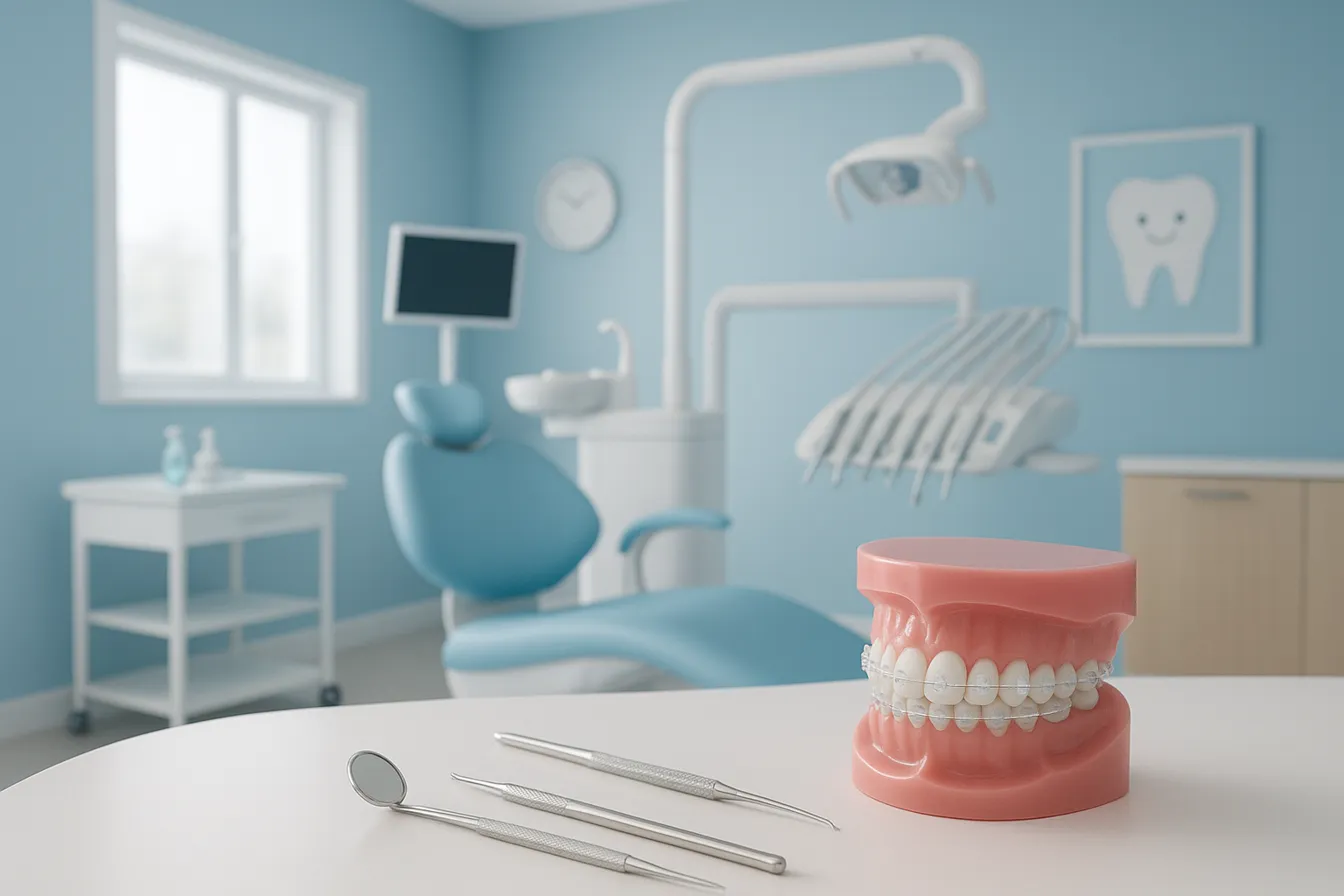
Early orthodontic evaluations play a crucial role in ensuring healthy dental development. Assessing a child's teeth and jaw growth at an early stage helps detect potential issues such as crowding, misalignment, crossbites, and bite problems before they worsen.
The American Association of Orthodontists (AAO) strongly recommends that every child has their first orthodontic evaluation by age seven. This timing coincides with the arrival of permanent front teeth and the early development of the jaw, which gives orthodontists an optimal window to assess and guide growth effectively.
Early evaluation allows for the identification of developing concerns including tooth crowding, crossbites, improper jaw growth, and harmful oral habits like thumb sucking or mouth breathing. Detecting these issues early can simplify treatment, reduce the need for invasive procedures later, and promote better oral health outcomes overall. Such timely assessments also help in planning a personalized care strategy that can lead to improved facial symmetry and functional benefits like better chewing and speech.
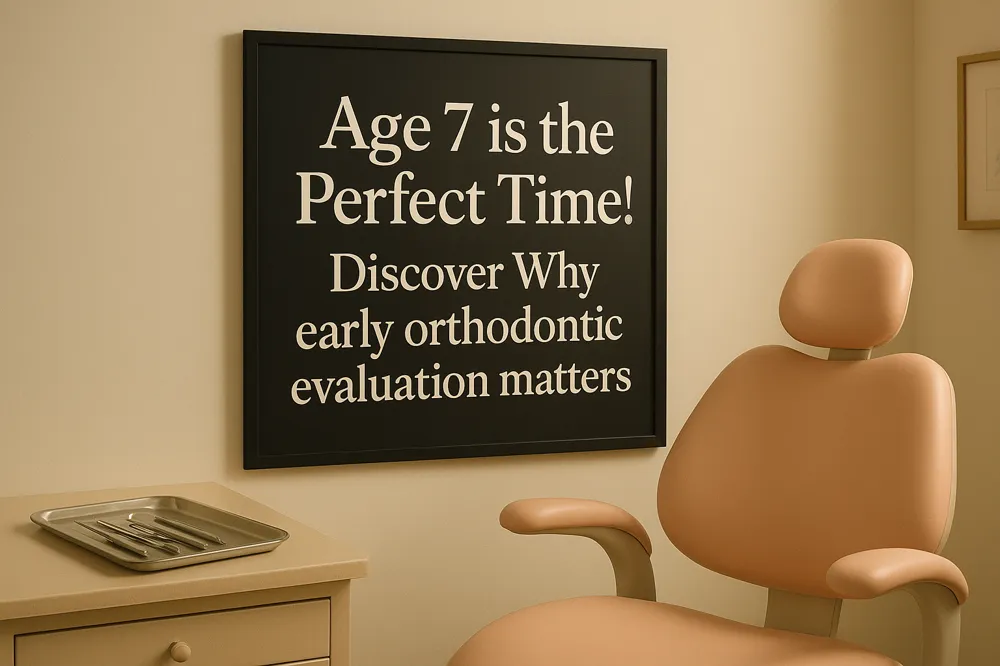
The American Association of Orthodontists recommendation is that children have their first orthodontic exam by age 7. This time frame is crucial because it coincides with important developmental milestones.
At age 7, children typically have a mix of baby teeth and permanent teeth. This stage is key because the first adult molars have usually erupted and permanent incisors are beginning to appear. The jaw is actively growing during this period, making it an ideal time to evaluate dental development.
The combination of baby teeth and emerging permanent teeth allows orthodontists to get a clear snapshot of bite and alignment issues. It helps in identifying problems such as crowding, spacing, crossbites, or misaligned teeth early on when intervention can be simpler and more effective.
Active jaw growth at this age provides an opportunity to guide proper development. The eruption of the six-year molars establishes the child's bite and helps orthodontists plan treatments that take advantage of growth to correct skeletal or dental problems.
Early detection of malocclusions and jaw abnormalities can prevent more complex or invasive treatments later. Interventions such as palatal expanders or space maintainers can create room for permanent teeth, guide jaw growth, and reduce the need for surgery or extractions.
Early evaluation not only improves oral health and function but also boosts confidence by promoting facial symmetry and a healthy smile.
Parents should watch for indicators such as crowded or turned teeth, crossbites, open bites, overbites, and underbites. Difficulty chewing or biting and early or late loss of baby teeth can also signal the need for an orthodontic consultation.
Prolonged thumb sucking beyond the toddler years and persistent mouth breathing can contribute to jaw misalignment and bite issues. Recognizing these habits early helps orthodontists intervene to prevent long-term dental problems.
Children experiencing jaw shifting, clicking noises, speech problems, or grinding teeth may require early orthodontic assessment. These symptoms often reflect underlying bite or jaw development issues that benefit from timely treatment.
Parents play a crucial role in identifying early signs and obtaining a professional evaluation, ideally by age seven. Early consultation allows for monitoring or early intervention, which can simplify treatment and prevent more complex dental challenges later on.

Phase 1 treatments refer to early interventions, typically initiated around ages 7 to 10, which aim to address developing orthodontic issues before all permanent teeth have erupted. Common Phase 1 options include palatal expanders and space maintainers.
Early orthodontic evaluation allows specialists to monitor and influence the growth of the jaws and the timing and position of emerging teeth. This guidance encourages proper alignment, helping to avoid complications like crowding or bite problems.
By addressing skeletal and dental discrepancies early, treatments such as palatal expansion can prevent the progression of severe malocclusions. This proactive approach often lessens the need for invasive procedures like jaw surgery or tooth extractions during adolescence or adulthood.
Proper guidance of jaw growth and teeth alignment helps promote balanced facial development and a well-functioning bite. Early treatment can improve speech, chewing efficiency, and overall oral health, enhancing both appearance and function through orthodontic treatment to improve speech.
Early intervention thus offers a strategic advantage in creating healthier, more attractive smiles while potentially simplifying or shortening future orthodontic care.

Gentle Dentistry of Staten Island offers a broad spectrum of dental and orthodontic services designed for patients of all ages. Their offerings include routine general and family dentistry, cosmetic procedures, and restorative treatments such as dental implants and crowns. They utilize modern technology like CEREC® for same-day restorations. Orthodontic care features prominently with options including Invisalign®, traditional braces, and early intervention protocols aligned with the American Association of Orthodontists’ recommendation that children receive evaluations by age 7. Additionally, the practice provides surgical services such as orthognathic surgery and wisdom teeth removal, ensuring personalized comprehensive care.
Gentle Dentistry of Staten Island is led by Dr. Louis Sterling and Dr. Sara Skurnick, both highly experienced in general, cosmetic, and orthodontic dentistry. Dr. Skurnick is a licensed orthodontist focused on personalized treatment plans for malocclusion and dentofacial deformities. Her expertise ensures effective, individualized care using both conventional braces and modern aligners like Invisalign. Together, they bring decades of experience, deeply committed to gentle, modern, and patient-focused dental treatment.
The practice prioritizes patient comfort through a compassionate, gentle approach. They emphasize transparent communication, ensuring patients understand their treatment options fully, enhancing shared decision-making. Personalizing treatment based on patient preferences, health history, and lifestyle reduces anxiety and fosters trust. Strong patient relationships and advanced diagnostic tools contribute to a supportive environment that encourages proactive oral health participation.
Gentle Dentistry employs advanced dental technologies to improve outcomes and comfort. Digital X-rays lower radiation exposure and speed diagnosis. Intraoral scanners provide precise, comfortable digital impressions. 3D imaging tools, including facial scanners and CBCT scans, allow detailed planning for complex treatments. Laser dentistry enables minimally invasive procedures, reducing discomfort and healing time. These technologies streamline creation of restorations and improve treatment precision, supporting effective orthodontic care.
| Aspect | Description | Benefit |
|---|---|---|
| Comprehensive Services | General, cosmetic, orthodontic, surgical | Meets diverse patient needs |
| Expert Leadership | Dr. Sterling & Dr. Skurnick, orthodontic focus | Personalized, effective treatment plans |
| Patient Comfort | Gentle approach, clear communication | Reduces anxiety, builds trust |
| Modern Technology | Digital X-rays, 3D imaging, laser, intraoral scans | Enhanced precision and comfort |
Early orthodontic evaluations, recommended by the American Association of Orthodontists by age seven, allow specialists to detect and address issues like crowding, crossbites, and jaw misalignments while the child's jaw is still developing. Treating problems early can prevent the progression of these issues into more severe malocclusions, reducing the likelihood of needing invasive treatments such as extractions or surgery later in life.
Early intervention, such as phase one orthodontic treatment using palatal expanders or space maintainers, helps guide jaw growth and create space for permanent teeth. This proactive approach often simplifies future treatments, potentially shortening duration and making them less invasive. Early corrections can diminish the need for extensive braces or corrective surgeries during adolescence or adulthood.
By addressing orthodontic problems early, children can experience improvements in facial symmetry and oral function. Correcting alignment and bite issues can enhance speech development and reduce discomfort, fostering greater confidence and self-esteem as their smile develops. Benefits of early orthodontic treatment include improvements to facial aesthetics and self-confidence.
Not all children require immediate treatment after their first evaluation. Continuous monitoring through periodic check-ups ensures that orthodontists can provide care precisely when needed, tailoring interventions to a child's unique growth patterns. This personalized timing optimizes outcomes and ensures treatments are as effective and efficient as possible. Continuous monitoring and personalized timing of orthodontic care help optimize treatment outcomes.
The American Association of Orthodontists strongly recommends that children receive their first orthodontic evaluation by age 7. This age is ideal because it coincides with the eruption of permanent molars and incisors, allowing a clear view of jaw development and alignment.
Early evaluations help identify issues such as crowding, misalignment, crossbites, or harmful oral habits. Timely intervention can simplify treatment, guiding proper jaw growth and reducing the need for complex procedures or surgery later.
Gentle Dentistry prioritizes early assessments to create tailored treatment plans that suit each child's unique developmental needs. This approach ensures a comfortable experience and effective prevention of future orthodontic problems.
Parents are encouraged to schedule an orthodontic evaluation by age 7, even if no problems are visibly apparent. Early visits can monitor growth and intervene if necessary, setting the foundation for a healthy, confident smile.