Even more knowledge

Orthodontic evaluations by age 7 are crucial for early identification and management of dental and jaw development issues. Timely assessments help in spotting crowding, misaligned teeth, and bite problems while the jaw is still growing, making treatment more effective and often less invasive.
Early detection allows orthodontists to guide jaw growth and create space for permanent teeth, potentially preventing complex treatments like tooth extractions or surgery later. It can also identify harmful habits such as thumb sucking that affect dental health.
The American Association of Orthodontists recommends children have their first orthodontic evaluation by age 7. At this stage, children have a mix of baby and adult teeth, enabling comprehensive assessment. Early visits often include exams, digital X-rays, and growth monitoring.
Overall, early orthodontic evaluations facilitate better long-term oral health and contribute to confident smiles.
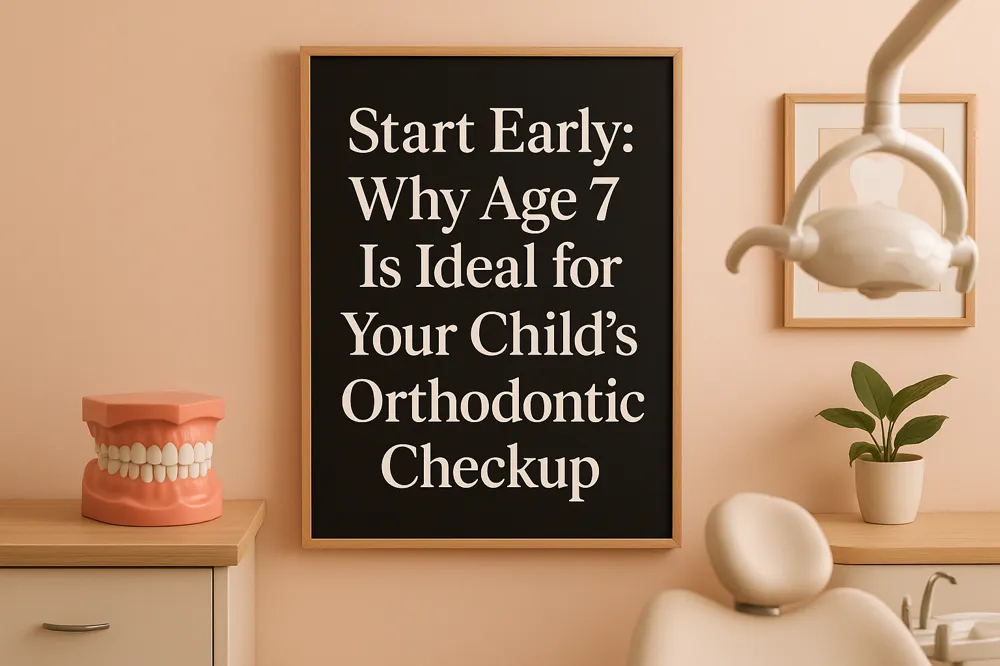
The American Association of Orthodontists recommendation is that children have their first orthodontic evaluation by age 7. This timing takes advantage of critical developmental milestones when both baby and permanent teeth coexist, providing orthodontists a clearer picture of how the jaw and teeth are growing. Early evaluations allow for the detection of issues like crowding, bite misalignments, or jaw growth irregularities before they worsen.
The "Rule of 7" is a guideline in pediatric dentistry that highlights age 7 as an ideal time for orthodontic screening. By this age, children usually have their first permanent molars and incisors, which establish the foundation of the bite. This early phase enables orthodontists to identify problems such as crossbites, overbites, or crowding, and to plan treatments that can be less invasive and more effective when started early.
Referral to an orthodontist should occur by age 7 or sooner if signs such as thumb sucking beyond age 4, difficulty chewing, mouth breathing, or tooth misalignment appear. Early orthodontic assessments are beneficial as they help monitor facial and jaw development, allowing timely intervention with appliances like palatal expanders or minor tooth extractions to create space and improve alignment.
Even if an immediate treatment plan isn't necessary, early evaluations are valuable for ongoing monitoring of dental growth and development. They provide parents with guidance and can prevent complex issues that may require surgery or longer treatment later. Early visits also help children become comfortable with orthodontic care, potentially reducing anxiety during future treatments.
Early orthodontic evaluation is a proactive step endorsed by dental experts. Scheduling a visit around age 7 aligns with natural growth stages and can greatly improve long-term oral health outcomes for children.
Early orthodontic treatment, often called interceptive orthodontics, involves dental care for children around age 7 to address developing issues like misaligned teeth, bite problems, or jaw discrepancies. This early stage is ideal because a mix of baby and permanent teeth allows orthodontists to detect potential problems before they worsen.
Common early interventions include the use of palatal expanders, which widen the upper jaw to reduce crowding and improve bite alignment. Partial braces or other appliances may also be used to guide tooth eruption and jaw growth. These treatments aim to prevent more complex issues later on.
The advantages of early treatment include:
However, drawbacks may include:
Early orthodontic treatment is not essential for every child but is highly recommended when certain issues are identified during the initial evaluation at age 7. At this stage, enough permanent teeth have emerged to assess bite and jaw growth effectively.
Intervention is particularly beneficial for problems such as crossbites, crowding, abnormal bite patterns, and harmful oral habits like thumb-sucking. Early treatment can guide facial development, create space for incoming teeth, and reduce the risk of trauma to protruding teeth.
For many children, the first orthodontic visit serves as a monitoring appointment to observe growth and plan if treatment becomes necessary later. The American Association of Orthodontists strongly advises the first check-up by age 7 to ensure timely identification and management of orthodontic concerns.
Early orthodontic care, when needed, supports healthier dental development and can result in more efficient and effective treatment outcomes as the child grows.

Orthodontic professionals recommend the Age 7 orthodontic visit. This timing allows identification of early signs of malocclusion, jaw growth issues, or bite problems while permanent teeth begin to erupt and jawbones are still developing.
Monitoring growth plays a crucial role in developing individualized care plans. Orthodontists observe jaw and dental development regularly to decide the optimal timing of treatments tailored to each child's unique growth pattern.
Certain severity indicators prompt early intervention, including:
Identifying these conditions early helps prevent worsening problems that could demand more complex procedures later.
Treatment often follows a two-phase orthodontic treatment overview:
Diagnostic tools such as panoramic X-rays and digital imaging are essential in early evaluations. These tools provide detailed views of hidden structures, unerupted teeth, and jaw relationships, allowing accurate diagnosis and treatment planning.
Early orthodontic care following these guidelines aims to improve dental function, reduce treatment complexity and duration, and promote optimal oral health outcomes throughout development.
The American Association of Orthodontists recommendation is that children have their first Age 7 orthodontic visit. This early evaluation helps detect issues like Identifying overcrowding and bite problems early. Although braces typically start between ages 9 and 14, early exams allow orthodontists to monitor jaw growth and tooth eruption. This Early Orthodontic Evaluation for Children can guide timely and effective intervention, potentially reducing treatment complexity later. Braces often begin once most baby teeth have fallen out but before the jaw fully hardens, making this an optimal window for treatment.
Yes, age 12 is often an ideal moment to begin braces. By this age, most permanent teeth have erupted and the jaw remains malleable, which means orthodontic appliances can guide teeth and bite alignment effectively. This timing allows for corrections of crowding, overbite, or underbite while growth is still ongoing. When to visit an orthodontist enable caregivers to plan for this stage, ensuring treatments like traditional braces or Invisalign are tailored to fit the child's needs.
Pediatric braces are designed specifically for children, taking into account their ongoing growth and development. Unlike adult braces, pediatric treatments often involve phases that guide jaw growth and create space for erupting permanent teeth. Types include metal braces, ceramic options, or clear aligners, all personalized to a child's dental condition. Early intervention with pediatric braces helps prevent more complicated dental issues later and supports healthier jaw development.
Early orthodontic evaluation provides valuable insights that impact treatment timing and success. Detecting issues early allows for less invasive strategies, often shortening the overall treatment time. It also enables orthodontists to monitor facial growth patterns, intervene in harmful oral habits like thumb sucking, and create personalized treatment pathways. This proactive approach can reduce the need for surgeries or extractions in the future.
| Topic | Age Range / Timing | Details |
|---|---|---|
| First orthodontic evaluation | By age 7 | Early detection of alignment and jaw issues |
| Typical start for braces | Ages 9 to 14 | Most permanent teeth erupted; effective treatment window |
| Ideal age for braces | Around age 12 | Jaw growth active; optimal for corrections |
| Pediatric vs adult braces | Growth phase vs mature jaw | Pediatric braces support growth and development |
| Benefits of early evaluation | Age 7 onwards | Better planning, less invasive treatment |

Early orthodontic evaluations allow orthodontists to detect potential oral health problems while a child's jaw and teeth are still developing. By identifying issues like crowding, misalignment, and bite irregularities early on, orthodontists can intervene before these conditions worsen. This proactive approach reduces the risk of requiring more extensive, invasive, and costly treatments such as jaw surgery or tooth extractions in the future.
At around age 7, children typically have a mix of baby and permanent teeth, including their first adult molars. Orthodontists can guide the jaw's growth and create adequate space for permanent teeth using targeted treatments. This guidance helps promote proper tooth eruption and alignment, preventing complications caused by overcrowding or impacted teeth.
Palatal expanders are commonly used during early orthodontic treatment to widen the upper jaw. When applied during a child's growth phase, these devices effectively increase jaw width, alleviating crowding and correcting crossbites. This early appliance use often eliminates the need for more invasive procedures later, like jaw surgery or multiple extractions.
Early orthodontic care not only benefits physical dental health but also supports a child's emotional well-being. By addressing misalignments and bite problems early, children often experience improved appearance and self-esteem. This can reduce social anxiety and prevent teasing related to dental irregularities, fostering confidence in their smiles.
Initial orthodontic visits at around age 7 serve an educational purpose. These visits help children become familiar with orthodontic care, reducing dental anxiety and building comfort with the treatment process. Orthodontists use gentle, child-friendly approaches, which contribute to a positive experience and better cooperation.
Not every child requires immediate orthodontic treatment after their first evaluation. Regular monitoring allows orthodontists to track growth and development effectively, adjusting care plans to suit individual needs. Personalized follow-ups ensure that treatment begins at the optimal time, maximizing effectiveness and minimizing treatment complexity.
| Topic | Benefit | Description |
|---|---|---|
| Early Intervention | Prevents severe issues | Detects problems early to avoid invasive treatments |
| Jaw Growth Guidance | Promotes proper tooth alignment | Creates necessary space for permanent teeth |
| Palatal Expanders Use | Reduces future invasive procedures | Widens upper jaw during growth phase |
| Emotional/Social Impact | Boosts confidence and self-esteem | Improves dental aesthetics and reduces teasing |
| Educational Visits | Lowers dental anxiety | Familiarizes children with orthodontic care |
| Regular Monitoring | Tailors treatment timing | Provides personalized care and effective intervention |
The American Association of Orthodontists recommends that children have their first orthodontic evaluation by age 7. At this age, kids usually have a mix of baby and permanent teeth, which helps orthodontists spot issues such as crowding, bite problems, or jaw growth irregularities early.
Scheduling an early consultation gives parents a chance to work with specialists who can monitor their child’s dental development. Even if immediate treatment isn't needed, regular check-ins can catch changes or emerging concerns before they worsen.
Early detection and intervention can guide proper jaw growth, create space for incoming teeth, and help prevent complex or costly treatments later. Devices like palatal expanders and minor tooth removal are often used to aid healthy development.
Understanding the importance of these early visits empowers parents to take proactive steps. Early orthodontic care fosters confident smiles and long-term oral health, setting the stage for a positive dental journey.