Even more knowledge

Experts recommend that your child should visit the dentist within six months after their first tooth appears or by their first birthday, whichever comes first. This timing allows early monitoring of oral health and development.
Early dental visits help prevent cavities and detect potential dental problems at the earliest stage. Baby teeth play a vital role in speech development, chewing, and guiding the permanent teeth. Establishing dental care early helps foster positive attitudes towards oral hygiene and reduces fear of dental visits.
Parents can prepare their child by talking positively about the experience, practicing opening their mouth, and discussing what to expect. Scheduling the appointment during a time when the child is well-rested and has had a light snack can make the visit smoother. Bringing along a favorite toy or book can provide comfort. This preparation helps the child feel safe, making the first dental visit a positive and confidence-building event.
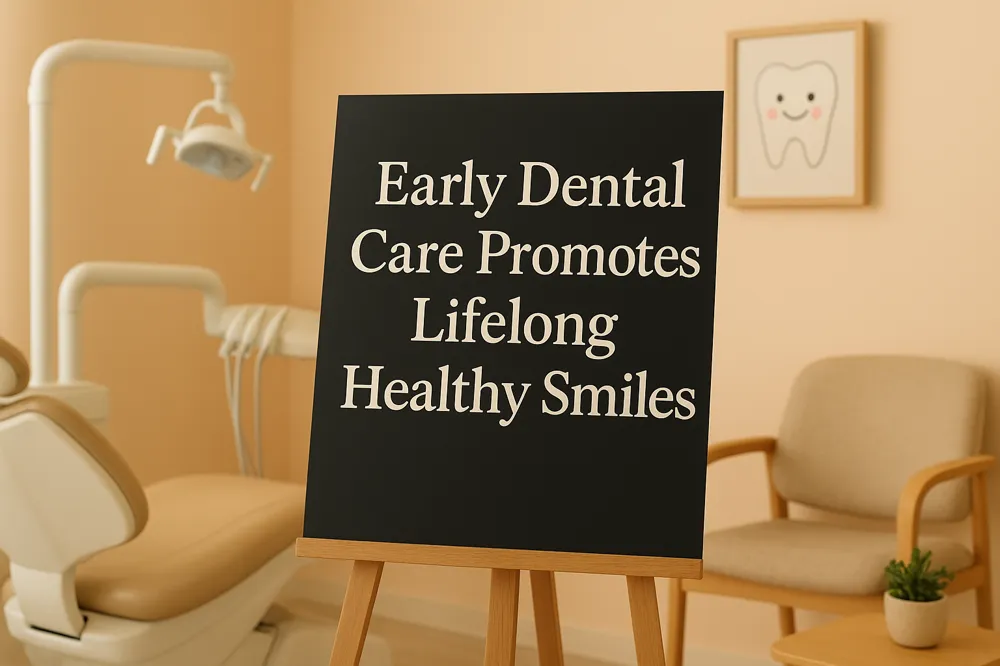
Children should have their first dental appointment within six months after their first tooth erupts or by 12 months of age, whichever comes first. This timing is recommended by leading organizations such as the American Academy of Pediatric Dentistry and the American Dental Association. Early dental visits are crucial for the timely detection of cavities and other oral health issues.
The initial dental visit typically lasts 30 to 45 minutes and is designed to examine the child's teeth, jaws, bite, gums, and oral tissues to ensure proper growth and development. Gentle cleaning may be performed, and the dentist provides guidance on home oral care. This visit aims to prevent early childhood cavities and educate parents about habits that affect dental health, such as feeding practices and tooth brushing techniques.
Scheduling the first dental appointment helps establish a dental home, a consistent source of comprehensive oral health care starting at an early age. Regular check-ups every six months or as recommended maintain good dental habits and allow early intervention when necessary. This ongoing relationship fosters comfort with dental visits, reduces anxiety, and promotes lifelong healthy smiles for children.

The first dental visit for a child typically lasts between 30 to 45 minutes. During this time, the dentist conducts a thorough exam while also making sure the young patient feels comfortable.
The dentist examines the child's first dental visit, jaws, bite alignment, gums, and other oral tissues to check overall growth and identify any early issues. This assessment is vital for ensuring proper oral health and catching potential problems early.
A gentle cleaning may be performed to remove any plaque or buildup. Fluoride varnish is commonly applied to strengthen tooth enamel and help prevent cavities in these early stages, part of children's dental cleanings.
Dental X-rays for children are generally avoided during the first visit unless they are necessary to diagnose decay or evaluate the impact of baby teeth on permanent teeth. When used, these X-rays provide valuable diagnostic information with minimal radiation exposure.
Young children may cry or wiggle during the exam, especially toddlers. Children's reactions to dental exams are considered by dental teams, who are well-trained to handle these behaviors calmly and reassuringly, ensuring a positive and stress-free experience for both child and parent.
Parents can expect a comprehensive approach combining examination, cleaning, preventive care, and education on home preventive dental care for children. This first visit sets the foundation for a lifetime of good dental habits and comfort with dental visits.

Parents play a vital role in shaping their child's attitude toward dental care. Speaking about the visit in a positive, calm tone helps reduce anxiety. Avoiding words that might cause fear and emphasizing fun aspects encourages a hopeful mindset.
Using age-appropriate books about visiting the dentist and videos about visiting the dentist prepares the child for what to expect. Stories like "The Berenstain Bears Visit the Dentist" familiarize toddlers with dental visits and reduce fear.
Parents can gently practice having their child open their mouth at home. Explaining and showing the dental instruments beforehand, even simple visuals or playsets, can make the child-friendly pediatric dental office less intimidating.
Choosing a morning appointment or a time when the child is well-rested and fed lightly can lead to a smoother visit. Avoid scheduling during nap times to prevent overtiredness and crankiness.
Parents should stay calm and reassuring during the exam. Holding the child during the check-up for younger toddlers and speaking soothingly can help the child feel secure. Cooperation with the dental team ensures the child’s comfort throughout.

Before a baby's first tooth appears, parents should clean their child's gums using a damp cloth. This simple practice helps remove milk residue and bacteria, preparing the mouth for good oral health even before teeth emerge. For more details, see Cleaning gums before teeth erupt.
Brushing should begin as soon as the first tooth comes in. A small, soft-bristled toothbrush and a tiny amount of fluoride toothpaste are recommended to gently clean the tooth without harming the gum tissue or overwhelming the baby. Refer to Brushing teeth with first tooth and Using fluoride toothpaste for babies for guidance.
To avoid baby bottle tooth decay, parents should never put their child to bed with a bottle containing milk, juice, or sweetened liquids. Limiting the length of bottle feeding to about 5 to 6 minutes and encouraging cup use around age one further reduces the risk of decay. See Preventing baby bottle tooth decay for more information.
Sugary treats like candies, sticky snacks, fruit leather, and sugary drinks contribute to tooth decay by feeding harmful bacteria in the mouth. Limiting these helps protect developing teeth and establishes lifelong healthy eating habits. Learn more about Limiting sugary snacks and drinks.
Parents should assist and supervise their children with tooth brushing until about age 7 or 8. This supervision ensures that children brush all surfaces effectively, developing solid habits and reducing the areas prone to cavities. For advice, see Supervised brushing until age 7 or 8.
Visiting the dentist every six months allows for early detection of issues, professional cleaning to remove plaque and tartar, and reinforcement of good oral hygiene practices at home. Regular visits help maintain a healthy smile and prevent future dental problems. Find out more at Frequency of dental checkups.
Gentle Dentistry of Staten Island provides an extensive range of dental and orthodontic services designed to meet the needs of children and families. These include general dentistry, cosmetic procedures, restorative treatments, orthodontics featuring both traditional braces and Invisalign®, and emergency dental care for urgent issues like toothaches or dental injuries. Their comprehensive approach ensures all aspects of pediatric dental health are covered (Children's dental cleanings, Routine Pediatric Dental Procedures Concord CA).
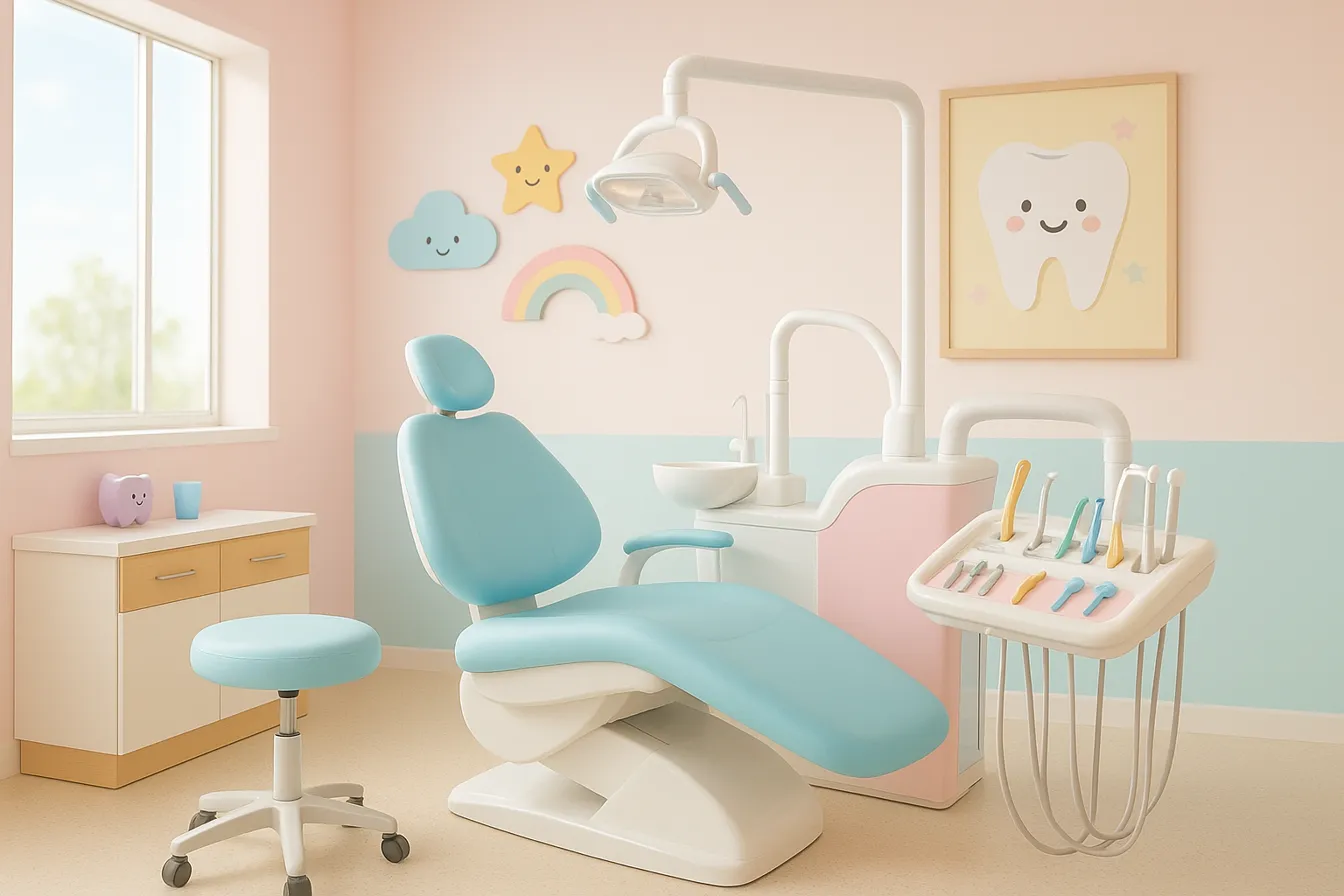
The practice prioritizes patient-centered, compassionate care. This means a strong focus on respecting each patient's individual needs and preferences. Communication is clear and collaborative, fostering trust between patients, families, and dental professionals. The welcoming environment is crafted to help children feel comfortable and to promote positive dental experiences from an early age (Child's first dental visit, First dental visit).
Personalization is key. Treatment plans are customized after thorough evaluation of each child’s medical history and lifestyle considerations. The dental team employs advanced diagnostic tools, such as digital imaging and computer-aided design/manufacturing (CAD/CAM) systems, to develop precise, effective treatment options. Patients and families are actively involved in decisions throughout every stage of treatment (Pediatric Dentist, Child's first dental visit).
The office offers versatile orthodontic solutions to meet varied needs. Traditional metal braces are recommended for more complex alignment or bite issues. For those seeking a less visible method, Invisalign® clear aligners provide a discreet, comfortable alternative that is especially popular with teenagers. Both options emphasize effective results with patient comfort in mind (Children's Regular Dental Checkups, Dental braces and aligners for children).
Advanced technology plays a significant role in care quality at Gentle Dentistry of Staten Island. Tools such as digital radiography, cone beam CT scans, intraoral cameras, laser dentistry, and 3D printing are routinely used. These technologies improve diagnostic accuracy, enhance treatment precision, reduce discomfort, and help achieve optimal dental outcomes for children (Advanced pediatric dental technology, Benefits of fluoride treatments).
Taking your child to the dentist by age one or within six months of their first tooth eruption is crucial. Early visits help detect and prevent cavities, monitor the growth of teeth, jaws, and gums, and lay down a strong foundation for lifelong oral health.
Gentle Dentistry of Staten Island provides a welcoming, child-friendly environment designed to ease anxiety. Their experienced pediatric dentists offer comprehensive exams, cleanings, and personalized guidance to parents, ensuring your child’s smile is nurtured from the very beginning.
Preparing your child with simple explanations and positive conversations about dental visits helps them feel comfortable and excited. The supportive staff at Gentle Dentistry promotes fun, gentle encounters that build trust and foster healthy dental habits early on.