Even more knowledge

Dental restorations play a vital role in preserving the functionality and aesthetics of teeth. They repair damage caused by decay, trauma, or wear, ensuring teeth remain strong and visually pleasing. Restorations like fillings, crowns, and bridges help protect natural teeth, thus maintaining a healthy smile.
Proper dental restorations restore the ability to chew food effectively and speak clearly, which are essential for everyday life. They also improve the appearance of teeth, enabling individuals to smile confidently without discomfort or self-consciousness.
Restorative procedures help halt the progression of issues like tooth decay and infection. By addressing damage promptly, they reduce the need for more invasive treatments later and prevent complications such as tooth loss, misalignment, or jawbone deterioration.

Dental restorations are treatments designed to repair or replace damaged or missing teeth, restoring both function and appearance. The most common types include:
Restorations aim to conserve as much of the natural tooth as possible. Inlays and onlays preserve healthy parts of the tooth while repairing damaged regions. Crowns protect weakened teeth from further damage. By restoring the tooth's shape and function, these treatments improve chewing, speaking, and prevent shifting of teeth that can cause misalignment. Moreover, dental implants not only replace missing teeth but also preserve jawbone health, maintaining facial structure.
Gentle Dentistry of Staten Island offers a comprehensive range of services, including restorative options such as dental implants, crowns, and bridges, using advanced technology to ensure comfort and precision for patients. For more information on restorative dental procedures, patient comfort, and latest dental techniques, you can visit their website.
Restorative dentistry enhances oral function by repairing or replacing damaged or missing teeth, which restores proper chewing ability and clear speech. Restorations like dental crowns, dental bridges, and dental implants support balanced bite forces and jaw alignment, reducing discomfort and improving bite efficiency.
By restoring teeth, patients maintain oral health through preventing further tooth decay repair and damage. Dental restorations help preserve natural tooth structure, prevent shifting of adjacent teeth, and support the jawbone, preventing deterioration.
Procedures such as fillings seal off decay to stop bacterial spread, while dental crowns protect weakened teeth from fracture. Dental implants stimulate the jawbone, preventing bone loss common with missing teeth. These interventions reduce infection risk and maintain structural integrity.
Restoring missing teeth with dental implants or dental bridges maintains proper spacing and prevents teeth from shifting, which can cause malocclusions (misaligned bite). Proper alignment from restorations helps avoid jaw pain and uneven wear patterns.
Dental restorations not only improve function but also support facial muscles and bone structure, preventing sunken cheeks caused by tooth loss. They enhance smile appearance through natural-looking materials, boosting confidence and social interaction.
| Aspect | Contribution of Restorative Dentistry | Examples |
|---|---|---|
| Chewing and Speaking | Restores tooth structure and alignment for effective biting and pronunciation | dental crowns, dental bridges, dental implants |
| Oral Health Preservation | Prevents decay progression and protects vulnerable teeth | fillings, dental crowns |
| Bone and Gum Health | Stimulates jawbone and prevents tissue deterioration | dental implants |
| Bite and Jaw Alignment | Maintains proper spacing and prevents malocclusions | dental bridges, dental implants |
| Facial Aesthetics and Confidence | Supports facial structure and enhances natural smile appearance | dental crowns, veneers, dental implants |

Gentle Dentistry of Staten Island prioritizes creating a comfortable and transparent environment where each patient feels valued. The practice focuses on building strong patient relationships by actively listening to individual needs, preferences, and concerns.
Treatments are carefully tailored to consider each patient's medical history, lifestyle, and personal goals, offering a holistic approach. They emphasize effective communication and shared decision-making, empowering patients to be active participants in their oral health journey.
Utilizing modern dental restoration technology, Dr. Louis Sterling and Dr. Sara Skurnick provide clear explanations and accurate diagnoses, which enhances patient understanding and confidence. This empathy and personalized attention lead to better dental outcomes and a positive patient experience.
The dental team is expertly led by Dr. Louis Sterling and Dr. Sara Skurnick, who bring decades of comprehensive expertise in general, cosmetic, and orthodontic dentistry.
Their leadership is central to maintaining a relationship-oriented practice. They champion the use of advanced technology and offer a broad range of services, from routine care to complex restorative dentistry.
Both dentists emphasize patient comfort and transparency, fostering trust and confidence. This commitment ensures every patient receives personalized, high-quality care that meets their unique needs.
Patient-centered care at Gentle Dentistry encourages open dialogue, allowing patients to understand their treatment choices fully. This involvement increases patient satisfaction and adherence to dental recommendations.
By tailoring treatments and focusing on individual concerns, the practice reduces anxiety, improves healing, and promotes long-lasting dental health.
This thoughtful, relationship-based approach cultivates trust and reinforces the patient’s confidence in their care provider, leading to stronger patient-dentist partnerships and improved oral health outcomes.

Gentle Dentistry of Staten Island integrates several advanced technologies to elevate the quality and comfort of dental restorations. They use digital X-rays that provide immediate, high-resolution images with minimal radiation exposure, enhancing diagnostic precision and patient safety.
Intraoral scanners replace traditional molds by capturing accurate digital impressions, which streamline the design process for restorations while improving patient comfort.
3D printing and milling technologies enable the fast, custom fabrication of dental crowns and prosthetic devices. This reduces the number of visits needed and ensures precise fit and natural appearance.
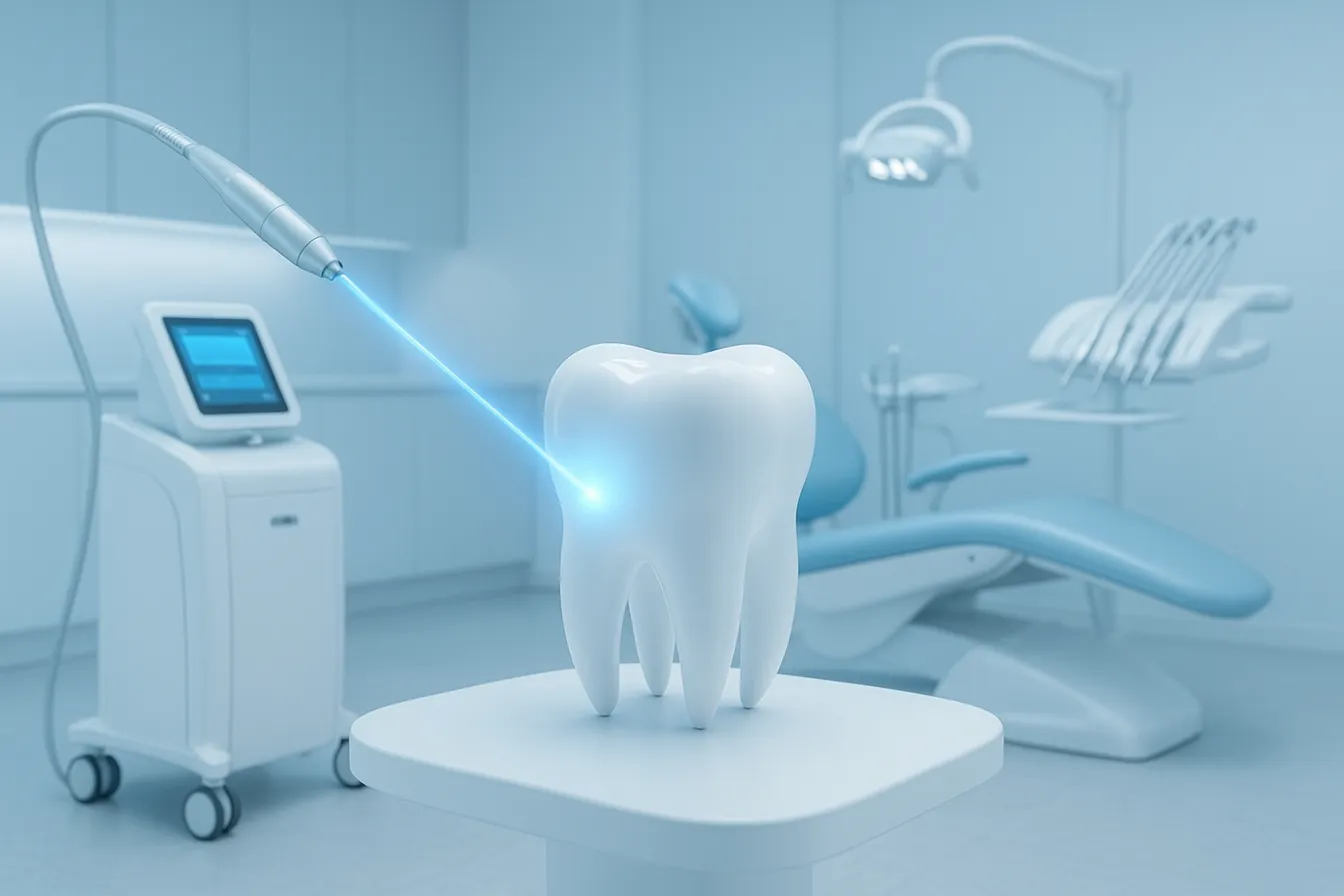
Laser dentistry is employed for minimally invasive treatments with less discomfort and quicker recovery times compared to conventional methods.
Advanced 3D imaging tools like cone beam computed tomography (CBCT) and facial scanners enhance treatment planning and implant placement by providing detailed anatomical views. This precision improves outcomes and long-term success.
Overall, these modern technologies improve dental patient comfort, enhance procedural accuracy, and increase the longevity of dental restorations, ensuring a more efficient and satisfactory dental care experience.
Gentle Dentistry of Staten Island prioritizes patient comfort by designing a calming and inviting space. Soothing lighting, tasteful artwork, and cozy waiting areas help ease anxiety from the moment patients arrive. To further reduce stress during procedures, the practice offers amenities like calming music, headphones, and TV screens for entertainment.
Compassionate communication is a cornerstone of their approach. Staff use plain language combined with visual aids to clearly explain restorative dental procedures, helping patients feel informed and relaxed. The clinic also keeps its facilities clean and modern, leveraging technology such as online scheduling and secure patient portals to make the experience as smooth and transparent as possible.
By integrating a soothing physical environment with personalized, attentive care, Gentle Dentistry of Staten Island builds strong patient trust. These efforts collectively enhance the overall dental patient comfort, making visits less intimidating and more comfortable for all patients.

Early detection and prompt treatment of tooth decay repair and damage are crucial to preserving natural tooth and preventing complications. Addressing cavities, cracks, or chips at an initial stage stops the progression of decay, reducing the risk of infections, pain, and the need for invasive therapies.
Restorative dentistry like fillings, dental crowns, and root canal therapy are more effective when performed early. Timely interventions can prevent more extensive damage that might otherwise require dental restorations and malocclusions, dental implants, or prolonged dental work, saving patients both money and discomfort.
Routine dental check-ups enable dentists to monitor dental restorations and catch new issues early. Good oral hygiene, including brushing and flossing, protects restorations from decay and gum disease, ensuring their durability and function over years.
Avoiding habits such as nail-biting, excessive consumption of sugary or acidic foods, and wearing nightguards for teeth grinding protect dental work from excessive wear or damage. Additionally, using mouthguards during sports safeguards teeth and restorations from trauma.
Successful Restorative Dentistry restores chewing and speech functions, improves smile aesthetics, and prevents bone loss by maintaining tooth or implant roots. Moreover, good oral health is linked to cardiovascular health, diabetes control, and reduced respiratory infections, demonstrating the systemic importance of timely Dental restoration.
Dental restorations are vital for maintaining oral health and restoring teeth function. They repair damage from decay or injury and replace missing teeth, ensuring proper chewing, speaking, and confident smiling.
Gentle Dentistry of Staten Island offers a personalized approach, tailoring treatments such as fillings, crowns, bridges, and implants to each patient's needs. They use advanced techniques and materials to provide comfortable, natural-looking, and durable restorations.
Seeking timely dental care prevents extensive damage and complex procedures. Regular consultations can maintain restorations and overall oral health, helping patients enjoy lasting well-being and confident smiles in daily life.