Even more knowledge

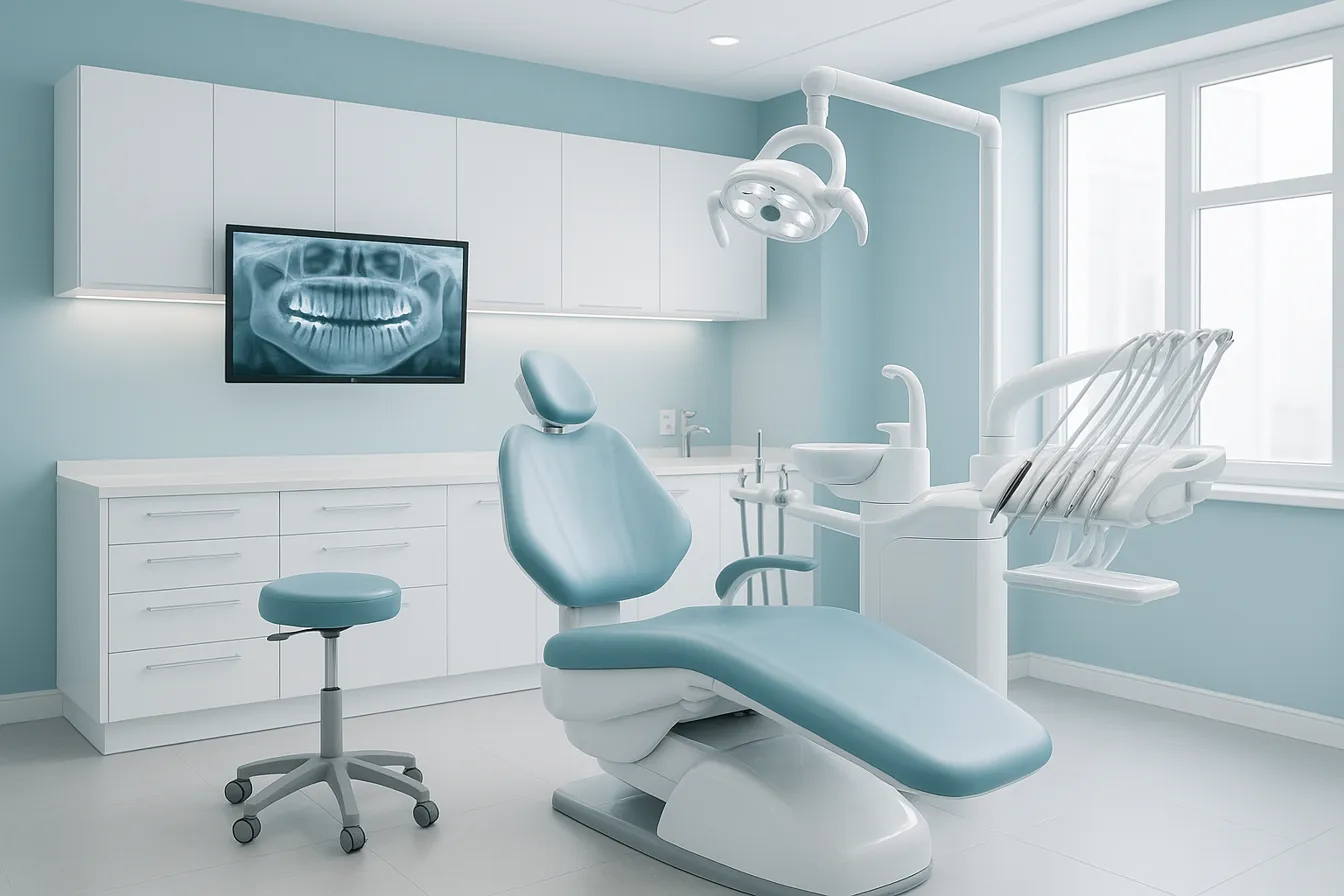
Experienced dentists are dental professionals who have accumulated significant years of practice, advanced training, and continuous education. They possess a strong ability to diagnose dental issues accurately and handle complex cases with confidence. Membership in professional dental organizations and specialized certifications often distinguish these practitioners.
Experience dramatically improves treatment outcomes. Skilled dentists apply advanced techniques and modern technologies such as digital imaging and laser therapies to enhance patient care. An experienced dentist’s diagnostic expertise reduces risks and the likelihood of complications, ensuring procedures are safe and effective.
Dentistry is widely regarded as a respected profession. Dentists are valued community members who contribute to public health through education and preventive care. Their dedication to ongoing learning and patient-centered approaches builds trust and fosters strong patient relationships, which are vital for successful treatment and lasting oral health.

Experienced dentists are professionals with extensive years of practice who showcase advanced capabilities in evaluating and managing dental health issues accurately. Their expertise extends beyond routine care to encompass complex diagnostics and intricate treatment planning, which requires a deep understanding of oral anatomy and disease processes.
Veteran dentists excel at identifying subtle signs that may be overlooked by less experienced practitioners. They use their honed diagnostic skills to effectively detect oral diseases, structural problems, and abnormalities early, leading to more effective and less invasive interventions.
With their accumulated knowledge and practical insights, experienced dentists confidently manage challenging cases involving advanced restorative procedures, cosmetic enhancements, or systemic health conditions linked to oral health. This confidence helps reduce patient anxiety and promotes successful treatment outcomes.
Experienced practitioners actively adopt cutting-edge technologies such as digital imaging in dentistry, laser treatments, and computer-aided design. These tools facilitate precise diagnostics and personalized treatment plans, improving both efficiency and accuracy.
Ongoing learning through certifications and training keeps experienced dentists at the forefront of dental innovation. Their commitment to professional growth guarantees alignment with the latest best practices and enhances patient safety and care quality.
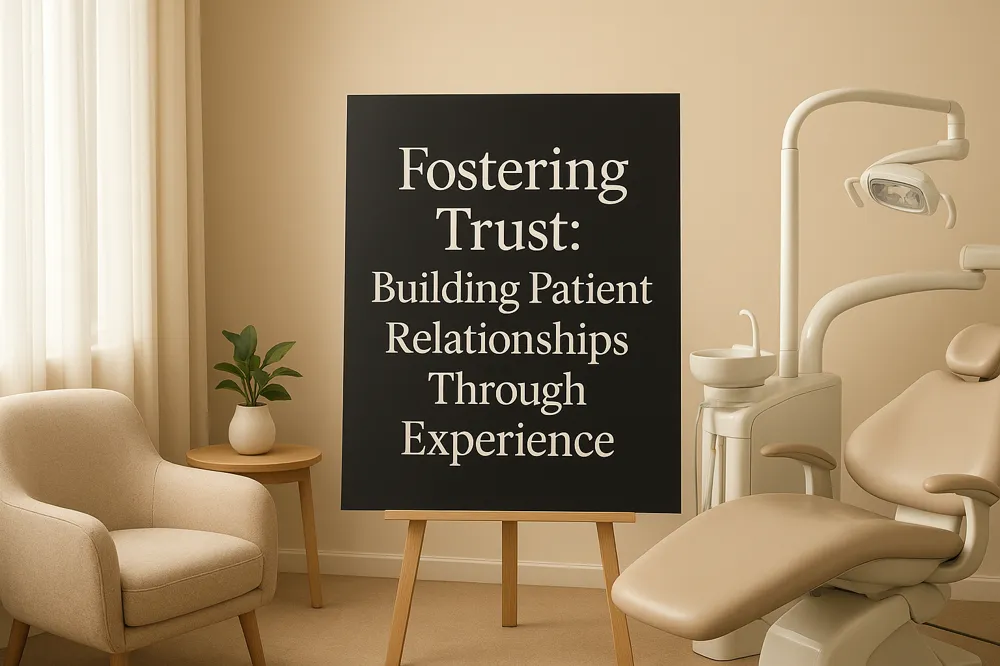
Experienced dentists significantly enhance the patient experience by fostering trust and open communication. Their expertise allows them to clearly explain procedures and tailor recommendations to each patient's unique needs, building confidence and comfort.
Trust is central to effective dental care. Experienced dentists have refined communication skills that help ease patient anxiety and foster transparent discussions about treatment options. This openness encourages patients to adhere to recommended plans and maintain regular visits.
Experienced dentists excel in providing personalized care that considers a patient’s dental history and lifestyle. They use evidence-based education, including product recommendations and oral hygiene guidance, empowering patients to take an active role in their oral health, aligning with the principles of Patient Experience Matters.
A strong dentist-patient relationship motivates patients to improve their oral care routines and follow through on treatments. Motivational interviewing in dentistry techniques employed by skilled dentists help harness patients' inner motivation, increasing long-term oral health success.
Dental anxiety affects many patients and can hinder routine care. Experienced dentists create a supportive and friendly environment, promoting relaxation and trust that reduce anxiety. This relationship-building results in more consistent dental care and better outcomes, as discussed in The Silent Epidemic: How Dental Anxiety Impacts Oral Health.
By combining expertise with compassionate communication, experienced dentists pave the way for meaningful connections that drive improved oral health and patient satisfaction.
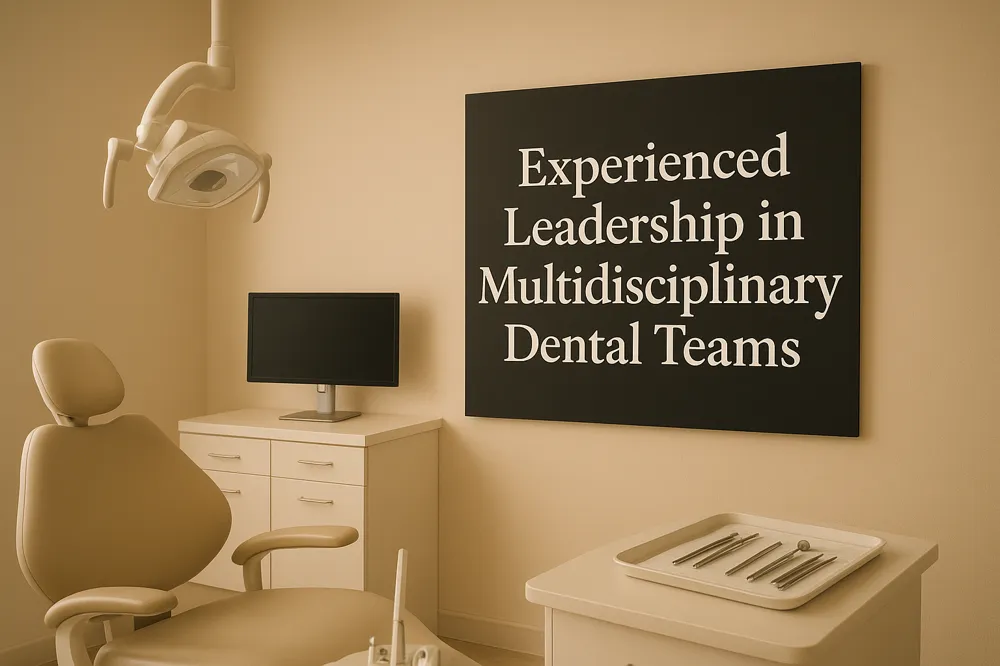
Dentistry is inherently a team-oriented profession involving collaboration with dental hygienists, dental assistants, lab technicians, and other healthcare professionals. This multidisciplinary teamwork enhances diagnostics, treatment planning, and seamless delivery of care, ensuring that patients receive comprehensive and efficient oral health services. Learn more about Dentistry as a team profession.
Experienced dentists act as central coordinators within this team. Their expertise allows them to lead the care team effectively, guiding hygienists and assistants through complex procedures while ensuring high standards and precision. This coordination helps optimize patient outcomes and the overall dental experience. Explore the benefits of experienced dental professionals.
A seasoned dentist's experience enables better diagnostics and management of complex cases, contributing to consistent treatment quality and continuity of care. Their professionalism builds trust and improves patient adherence to treatment plans, which is essential for long-term oral health benefits. Understand the importance of experience in dentistry.
Experienced dentists play a crucial role in mitigating dental anxiety through patient-centered communication, gentle techniques, and creating a welcoming environment. Their ability to build positive dentist-patient relationships fosters patient comfort, encourages regular visits, and reduces avoidance due to fear. Techniques like motivational interviewing and the use of modern technologies further personalize care, making patients feel understood and supported throughout treatment. Learn about Managing dental anxiety effectively and Patient Experience Matters.

Experienced dentists skillfully incorporate cutting-edge technology like digital imaging in dentistry, laser therapies, and AI-driven diagnostic tools to elevate the quality of dental care. Their extensive knowledge and continuous training enable them to leverage these tools for more precise diagnoses and effective treatments.
Digital imaging, including 3D cone beam CT scans, and digital radiography, offers detailed views of oral structures, assisting dentists in early detection of dental diseases and complex case management. Laser therapies provide less invasive treatment options, often resulting in quicker healing and reduced discomfort.
Artificial intelligence supports personalized patient care by analyzing diagnostic data and suggesting targeted treatment plans. Seasoned dentists rely on this technology to tailor interventions that enhance outcomes and patient satisfaction.
Ongoing education is crucial for dentists to stay current with rapid technological advancements. Continuous professional development ensures they maintain expertise in utilizing new tools, ultimately improving practice quality.
Patients benefit from this tech-enhanced approach through more accurate diagnostics, customized treatment, less invasive procedures, and a higher likelihood of successful long-term oral health maintenance.

Dentists typically enjoy a long career span averaging over 41 years. This extended period allows them to accumulate invaluable experience, which significantly enhances the quality of care they provide. With decades of practice, dentists develop superior diagnostic skills and gain confidence in managing complex cases, leading to better patient outcomes (Average career span of U.S. dentists, benefits of experienced dental professionals).
Long-term practitioners are more adept at adopting advanced techniques and technologies, such as digital imaging and laser therapies. Their wealth of knowledge also enables nuanced treatment planning and effective problem-solving in challenging situations that less experienced dentists might find difficult (advanced dental techniques, advanced dental technology).
Experienced dentists contribute beyond individual patient care. They often engage in community health initiatives and provide benevolent care to underserved populations. Their flexible schedules and established income support their involvement in outreach efforts, helping address disparities in oral healthcare access (Dentistry services for underserved populations, Community involvement in dentistry.
Continuous education is crucial in dentistry due to evolving technologies and treatment protocols. Membership in professional bodies such as the American Dental Association (ADA) ensures dentists remain updated on best practices and ethical standards. Such affiliations also signify a commitment to lifelong learning and high-quality patient care (professional dental certifications, Dental licensing in the United States.
In summary, the longevity of a dentist’s career enhances clinical expertise, enriches community health contributions, and fosters ongoing professional development—benefiting patients and society alike.