Even more knowledge

Gentle dentistry is a patient-focused approach designed to reduce discomfort, pain, and anxiety during dental visits. It emphasizes creating a calming environment, clear communication, and using modern, minimally invasive technologies to make treatments as comfortable as possible.
Dental anxiety is a common response to dental visits, ranging from mild nervousness to severe phobia. Many patients experience physical symptoms such as rapid heartbeat, sweating, and difficulty breathing, which can lead to avoidance of dental care and worsening oral health over time.
Gentle dentistry addresses dental anxiety by incorporating sedation options like nitrous oxide, distraction techniques, and compassionate care. By fostering trust through effective communication and using advanced technologies like laser dentistry, patients feel more relaxed and in control. This encouraging environment helps patients maintain regular visits, promoting better long-term oral health outcomes.
Sedation Dentistry is a cornerstone in managing Dental Anxiety Overview, offering patients options like Nitrous Oxide (Laughing Gas) and oral sedation. These methods help ease nervousness by calming the body's natural fight-or-flight response, allowing patients to relax during procedures. Sedation for Complex Procedures is especially valuable for those undergoing complex treatments, making the experience more comfortable and accessible.
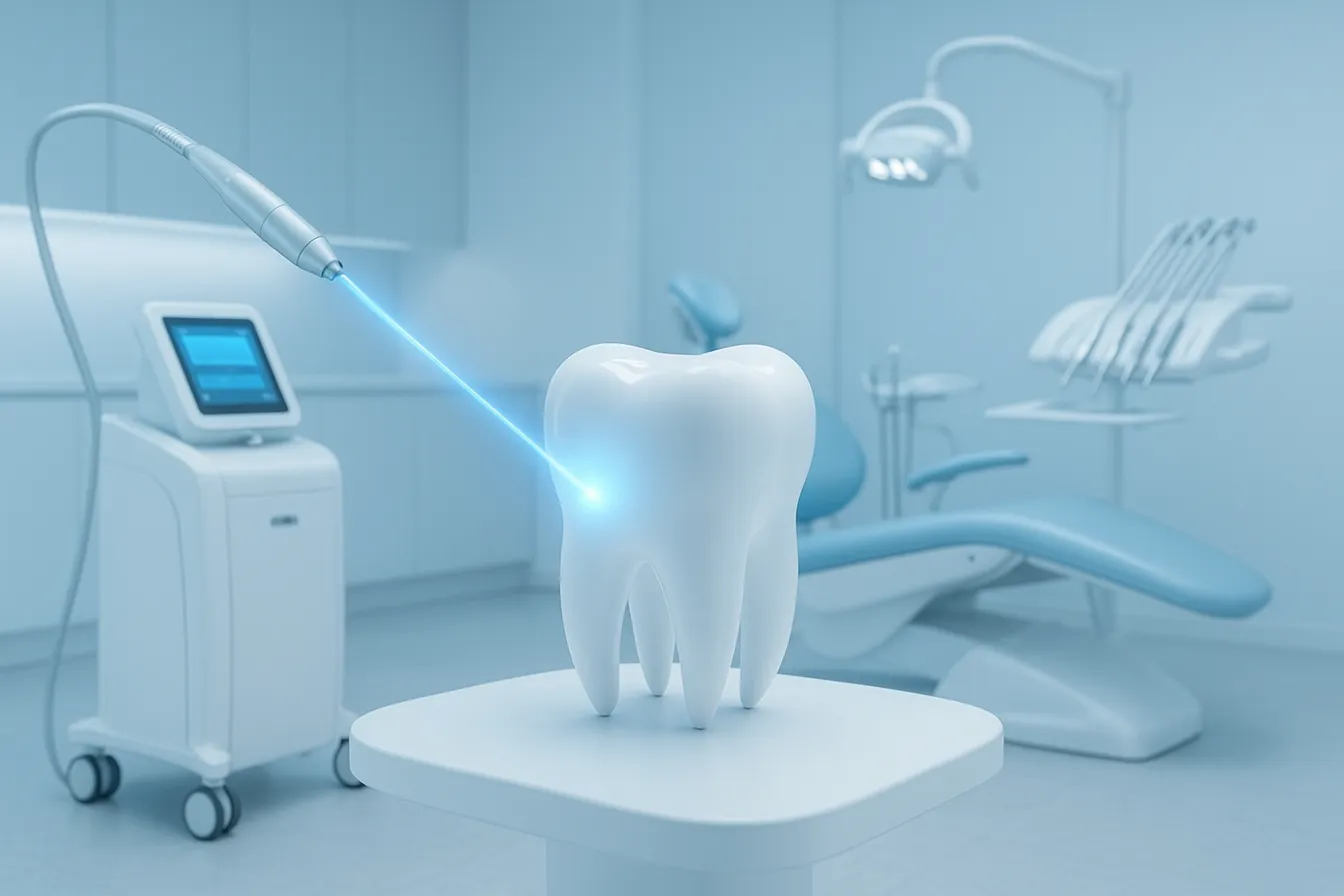
Modern dental technology plays a significant role in Gentle Dentistry. Techniques such as Laser Dentistry and Digital Imaging minimize discomfort and invasiveness. Laser Dentistry Benefits, for example, reduces pain, bleeding, and speeds up recovery time, while Precise and Less Invasive Procedures enable accurate diagnostics without unnecessary physical discomfort.
Together, sedation and minimally invasive technologies greatly reduce pain and discomfort associated with dental care. This not only makes dental visits more pleasant but also encourages patients with anxiety to maintain regular treatments. Reducing Anxiety Benefits leads to better compliance, improved oral health, and fewer long-term complications.
By alleviating anxiety and minimizing pain, these modern approaches make complex dental treatments, such as root canals or oral surgeries, more accessible to anxious or special needs patients. Accessible Dental Care for Anxious Patients expands the range of care options available, promoting overall oral health and comfort.
| Aspect | Technique/Technology | Patient Benefit |
|---|---|---|
| Anxiety Reduction | Nitrous Oxide (Laughing Gas), Oral Sedation | Calmer and relaxed during treatment |
| Minimally Invasive Treatment | Laser Dentistry | Less pain, bleeding, and faster healing |
| Diagnostic Precision | Digital Imaging | More accurate and comfortable exams |
| Access to Complex Procedures | Sedation Dentistry | Makes difficult treatments manageable |
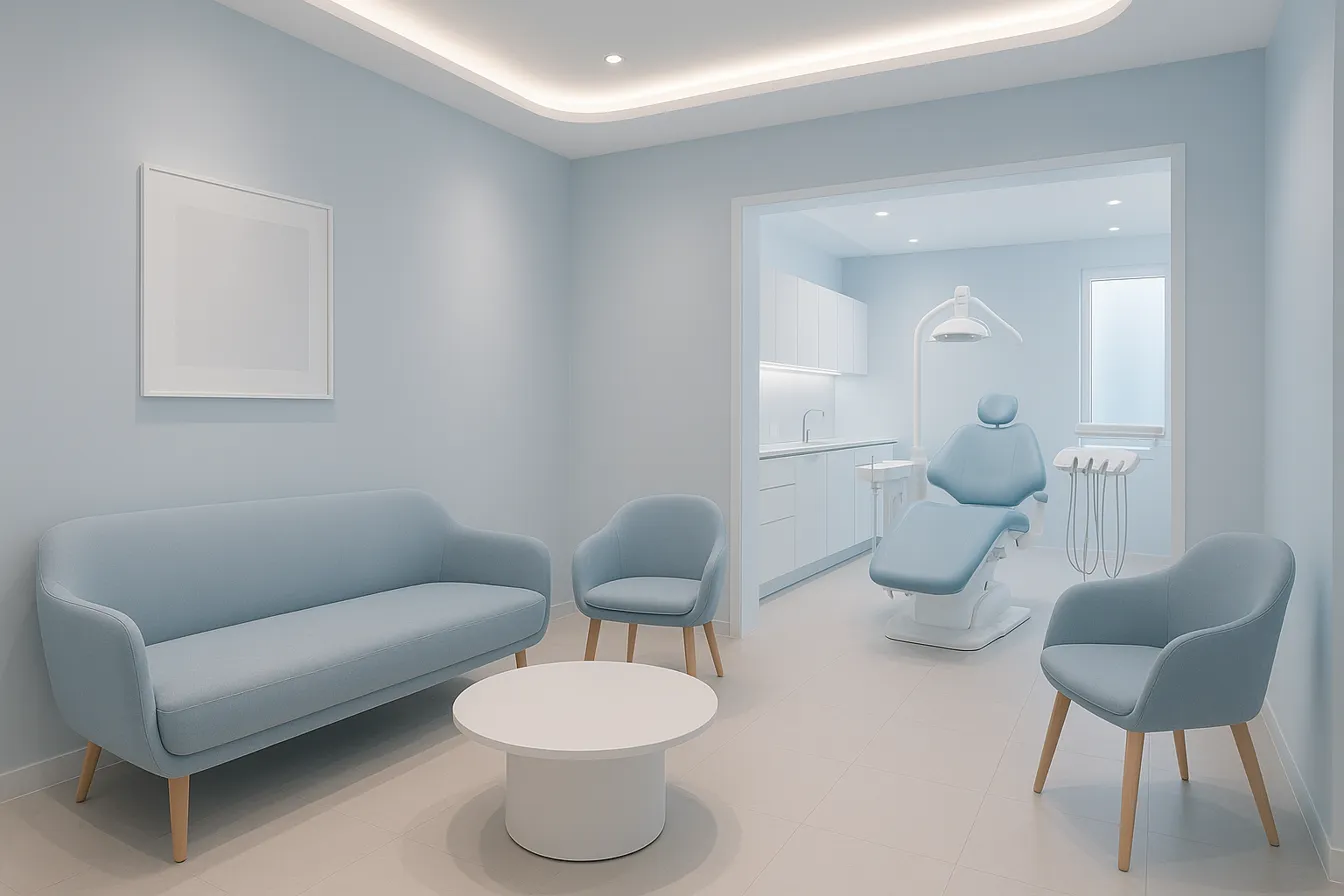
Creating a calming environment is a cornerstone of Gentle Dentistry. Dental offices often use soft lighting, soothing music, and pleasant aromas to establish a relaxing atmosphere. Such sensory elements help ease nervousness even before treatment begins by distracting patients from clinical surroundings and reducing sensory overload. This welcoming setting allows patients to feel more at ease and open to care.
Patient-centered care in dentistry respects and responds to individual patient preferences, needs, and values. It emphasizes compassionate communication, shared decision-making, and involving patients throughout their treatments. Dentists build trust by explaining procedures clearly and responding to concerns with empathy. This approach not only improves patient comfort but also fosters better adherence to treatment plans and encourages regular dental visits.
Open, honest dialogue allows patients to express fears and understand treatment steps, reducing uncertainty. Dentists often employ simple phrases, visual aids, and agreed-upon signals to ensure patients feel in control. By validating emotions and providing thorough explanations, dental teams create a safe space where patients feel respected and supported.
Distraction methods such as watching videos, listening to music or audiobooks, and engaging in conversation divert attention from procedures. Mindfulness techniques, including deep breathing exercises like the 3-4-5 breathing technique, help activate the calming parasympathetic nervous system. These strategies lower heart rate and muscle tension, enabling patients to remain calm through treatments.
Overall, combining a soothing environment with patient-centered communication and calming techniques significantly reduces Dental Anxiety Overview, promoting a comfortable and positive dental experience.
Regular dental check-ups are essential for preventive dental care by catching problems early. These visits help to identify issues before they become serious, reducing the need for invasive treatments.
Gentle Dentistry creates a relaxing dental environment that lowers Dental Anxiety in Murrieta through Compassionate dental care, clear communication, and Sedation Dentistry. By reducing fear, patients are more comfortable returning for routine care.
Modern diagnostic tools like Digital X-rays in dental care, Intraoral cameras for dental exams, and Laser Dentistry enable dentists to find problems like tooth decay and gum disease at an early stage. These technologies allow for Precise and Less Invasive Procedures that minimize discomfort.
Educating patients about Education on proper oral hygiene and Communication in patient-centred care fosters trust and empowers patients. Personalized dental treatment plans and supportive communication encourage adherence to preventive routines and reduce anxiety about dental visits.
| Aspect | Description | Benefit |
|---|---|---|
| Preventive Visits | Regular check-ups for early issue detection | Prevents cavities and gum disease |
| Gentle Dentistry | Calm, patient-focused care with sedation options | Reduces fear, encourages attendance |
| Advanced Diagnostic Tools | Digital imaging and laser technology | Enables early detection, less invasive care |
| Patient Education | Clear communication, personalized hygiene advice | Builds trust and improves compliance |

Gentle dentistry approaches for kids involves using age-appropriate language that simplifies dental procedures and reduces fear. Dental offices create fun, welcoming environments with calming décor and introduce dental instruments gently to avoid intimidation. These child-friendly techniques help young patients feel safe and comfortable during visits.
Sedation dentistry is a key part of gentle pediatric dental care, ranging from mild sedatives like Nitrous Oxide (Laughing Gas) to deeper sedation methods. This helps children with pronounced anxiety experience stress-free treatments. Parental involvement is also vital; encouraging a positive attitude towards dental visits and participating during appointments fosters trust and reduces fear.
For anxious or special needs patients, gentle dentistry employs sedation and minimally invasive techniques, making even complex procedures such as root canals or surgeries manageable and less traumatic. Personalizing care and creating calm, reassuring environments make these patients more likely to seek and tolerate necessary dental treatments.
Early exposure to gentle dentistry for patient comfort can establish trust and reduce dental anxiety, encouraging regular dental visits throughout life. Positive early experiences promote lifelong oral hygiene habits, prevent avoidance of care, and lead to healthier teeth and gums over the long term, reducing future dental emergencies and complications.

Gentle dentistry prioritizes clear communication, understanding, and patience, which fosters trusting relationships between dentists and patients. This trust reduces fear and anxiety during dental visits. By creating a calming, patient-friendly environment with compassionate care and modern, minimally invasive techniques, dental visits become associated with comfort rather than distress. This positive association encourages patients to attend routine check-ups consistently.
Many patients avoid dental care due to anxiety, leading to neglected oral health and more complex issues. Gentle dental care tackles anxiety with sedation options, distraction techniques, and patient-centered communication, making treatments more manageable. This approach lowers treatment avoidance, enabling early detection and prevention of cavities, gum disease, and other oral problems, ultimately reducing the risk of severe complications.
Patient satisfaction improves significantly when dental care is gentle and attentive. Reduced anxiety leads to better compliance with dental visits and home care routines. Because patients feel more comfortable and involved through personalized care plans, preventive care is more effective, resulting in fewer cavities, healthier gums, and improved long-term oral health. Modern gentler techniques also mean quicker recovery and less pain.
Patients report reduced stress and fear from gentle dentistry, contributing to overall emotional wellbeing. Testimonials frequently mention relief from dental phobia and a newfound willingness to maintain oral health. This positive dental experience builds confidence and peace of mind, which reinforces ongoing oral hygiene habits and regular professional visits.
| Benefit | Explanation | Impact on Patient |
|---|---|---|
| Trust & comfort | Compassion and communication ease anxiety | Encourages regular visits |
| Reduced avoidance | Sedation and calming methods lower fear | Early treatment, fewer complications |
| Better compliance | Personalized care increases treatment follow-up | Improved oral health outcomes |
| Psychological wellbeing | Positive experiences reduce dental phobia | Greater confidence and peace of mind |
By prioritizing patient comfort, clear communication, and modern, less invasive techniques, gentle dentistry creates a calming environment that encourages regular dental visits.
Choosing dental practices that focus on patient-centered care fosters trust, involvement, and personalized treatment, all of which contribute to less fear and better experiences.
Ultimately, this approach promotes healthier smiles and improved long-term oral health by preventing serious dental issues through early detection and consistent care.
Embracing gentle dentistry means embracing a kinder, more effective way to maintain your dental health with peace of mind.