Even more knowledge

Early detection refers to identifying dental problems at their initial stages before they worsen. This approach is crucial for maintaining healthy teeth and gums and avoids complex treatments later.
Routine screenings help catch a variety of dental concerns early, including:
Regular dental visits every six months are essential for early detection. These appointments use advanced tools like digital X-rays and intraoral cameras to spot hidden issues. Early diagnosis allows for less invasive treatments, reducing cost, pain, and risk of more serious health problems. Importantly, maintaining oral health through routine care supports overall wellness, as conditions like heart disease and diabetes are linked to oral health status.
Early detection of dental issues like cavities and gum disease allows for interventions that are less invasive and more effective. When a cavity is caught early, simple fillings can be used instead of more complex treatments. Similarly, identifying gum disease at its initial stages enables procedures like scaling and root planing to restore gum health without requiring surgery. This targeted approach not only improves treatment success rates but also preserves more of the natural tooth structure.
Untreated dental problems can rapidly progress to more severe conditions that require complex care such as root canals or tooth extractions. Early diagnosis in dental care helps prevent this progression by addressing issues before infection or damage becomes extensive. For example, early detection of cavities can halt decay, avoiding painful infections and the need for root canal therapy. This proactive care ultimately saves natural teeth and reduces the likelihood of permanent tooth loss.
Treatments performed at early stages are generally less costly, cause less discomfort, and involve shorter recovery times. Simple fillings or non-surgical gum treatments are more affordable and less stressful for patients compared to root canals or surgical interventions. Additionally, early care minimizes pain and the risk of complications, promoting a faster return to normal activities. This approach also lowers overall dental healthcare expenses by reducing the need for extensive procedures.
Patient education plays a vital role in fostering early detection. Informing patients about the importance of regular dental check-ups and the signs of potential problems encourages timely visits. Education on oral hygiene practices and risk factors empowers patients to seek preventive care and recognize symptoms early. Dental practices that prioritize patient awareness and comfort contribute significantly to improved oral health outcomes by motivating proactive maintenance and screening.
| Aspect | Impact | Description |
|---|---|---|
| Less invasive treatments | Preserves natural teeth | Early fillings and gum care reduce the need for surgery |
| Prevention of complex care | Saves teeth | Avoids root canals and extractions through prompt treatment |
| Cost and discomfort | Reduces financial and physical burden | Early care is less costly and painful than advanced procedures like root canals |
| Patient education | Promotes proactive care | Drives regular dental visits and awareness of issues |
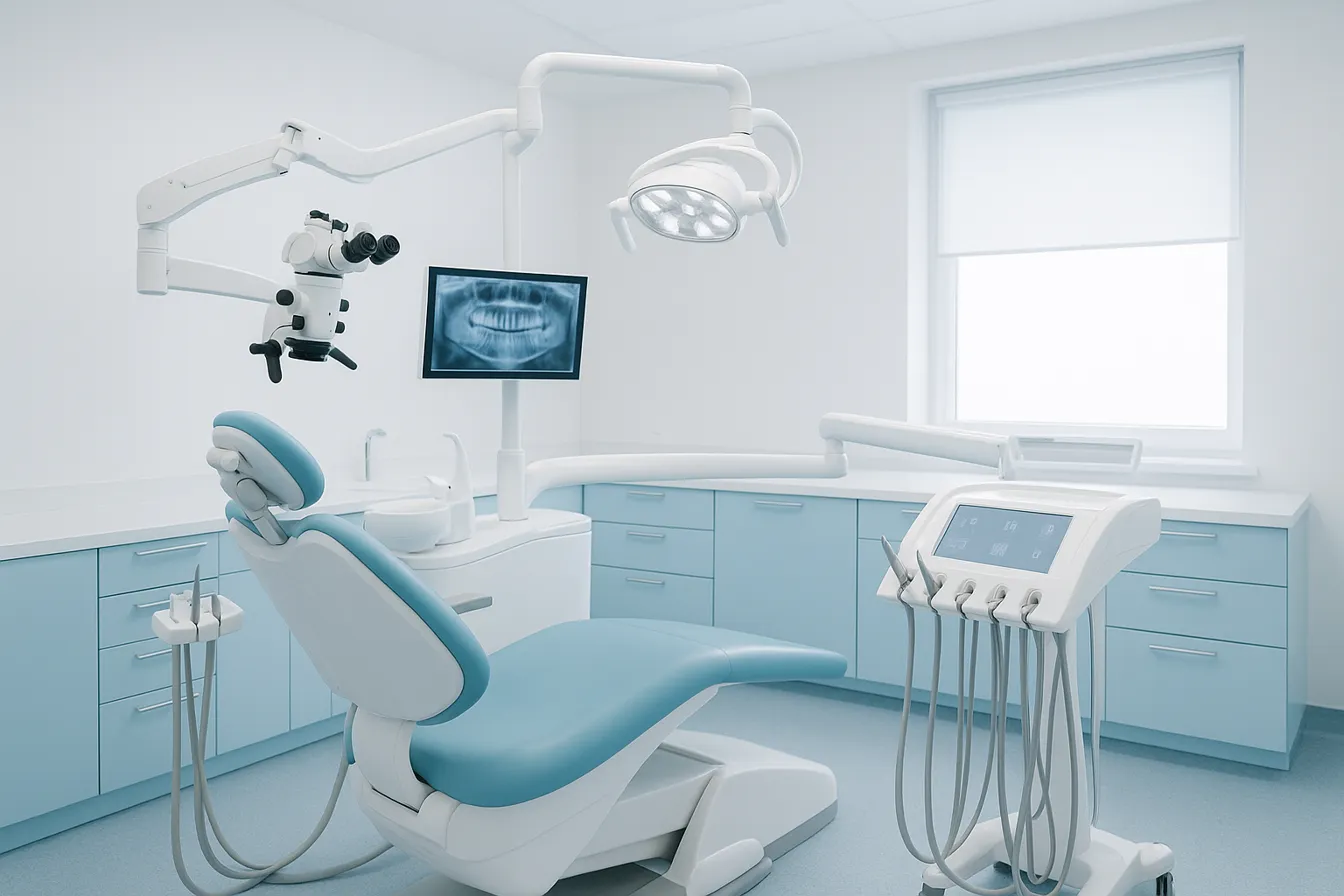
Gentle Dentistry of Staten Island leverages several modern dental technologies to enhance early detection of dental issues and treatment precision. Digital X-rays in dentistry are a cornerstone technology, significantly reducing radiation exposure—by approximately 80% compared to traditional film X-rays—while providing detailed images that reveal early detection of cavities.
Intraoral cameras for detection are also used to capture magnified, real-time images of the teeth and gums. This technology allows dentists and patients to see issues that might otherwise go unnoticed, making it easier to plan non-invasive dental treatments promptly.
Another important tool at the clinic is the iTero 3D scanner. This device quickly generates highly accurate digital impressions of teeth and soft tissues, which are invaluable for orthodontic planning and designing precise, customized treatments like Invisalign®. The digital models assist in tracking progress and predicting treatment outcomes with high accuracy.
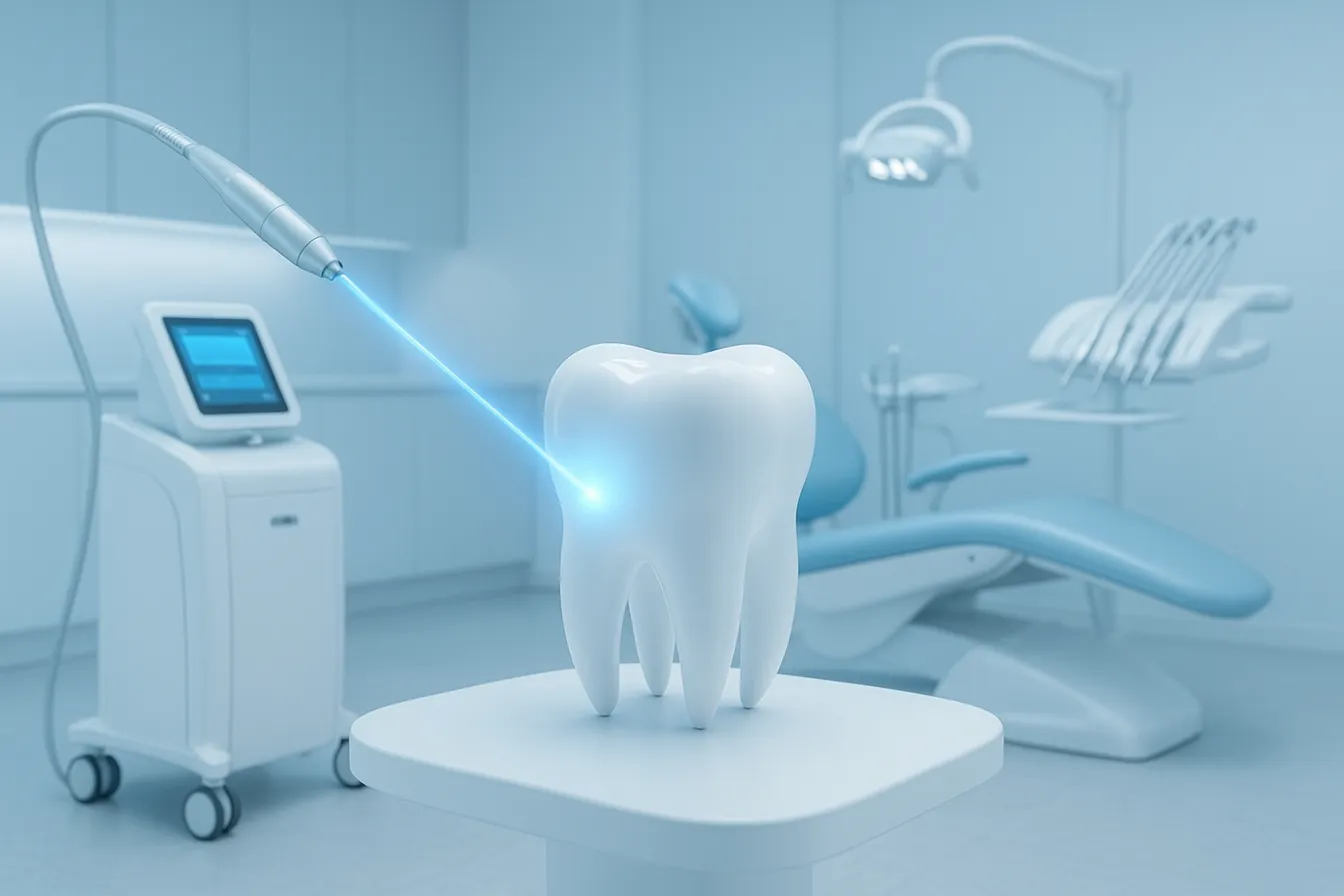
Laser dentistry is applied for soft tissue treatments, such as gum reshaping or lesion removal. These lasers offer a minimally invasive alternative to traditional surgical methods, reducing pain, bleeding, and healing time.
Together, these technologies empower Gentle Dentistry of Staten Island to provide proactive dental care and systemic health that is safe, effective, and tailored to each patient’s needs, supporting importance of regular dental check-ups and prevention of more extensive dental problems.

Oral health is deeply connected to systemic health conditions such as diabetes and heart disease. Gum disease, which affects nearly 50% of adults over 30 in the United States, has been linked to increased risks of cardiovascular issues and complications in diabetic patients. Early detection and management of gum disease help reduce these systemic health risks.
Early dental care prevents the progression of oral diseases that can trigger or worsen systemic diseases. Timely treatment of gum infections and cavities reduces inflammation and bacterial spread, lowering the chance of heart disease and complications related to diabetes. Less invasive treatments initiated early can also reduce pain and infection, improving overall health.
Regular dental screenings, including oral cancer checks, are essential in identifying problems before symptoms appear. Early detection of oral cancer significantly improves treatment success rates and patient survival. Comprehensive screenings also monitor gum health and detect cavities early, supporting better oral and systemic health.
Early dental intervention usually involves less discomfort, less complex procedures, and reduced costs. Patients experience fewer complications, maintain natural teeth longer, and benefit from improved overall health. Proactive care boosts confidence, comfort, and well-being, promoting a healthier lifestyle through sustained oral and systemic health.

Gentle Dentistry of Staten Island takes a holistic and individualized approach to dental care. Treatments are specifically tailored to each patient's unique dental needs and personal preferences. The practice emphasizes transparent communication, ensuring patients are well-informed and actively involved in their treatment decisions. This fosters a relationship of trust and respect, where patients feel empowered and valued throughout their care journey.
Patient education is a cornerstone in their approach, with dentists providing clear explanations about oral health status and preventive measures. By involving patients in decision-making, they encourage proactive participation, which enhances early detection and treatment success. Educated patients are better equipped to maintain their oral hygiene and understand the importance of routine dental check-ups.
To ensure comfort, Gentle Dentistry employs gentle dental techniques, including laser dentistry, which can minimize discomfort and speed healing. For patients with dental anxiety or fear, sedation options are available to ease nervousness and create a calm treatment environment. These methods help reduce pain and stress, making early intervention in dental health more approachable for all patients.
The practice supports families by offering continuous, relationship-centered care, allowing providers to monitor oral health changes over time and detect issues early. This continuity is crucial for managing age-related dental concerns and fostering long-term wellness. Regular visits at Gentle Dentistry promote early identification of cavities, gum disease, and other oral conditions, improving outcomes and reducing treatment complexity.
| Aspect | Approach at Gentle Dentistry | Benefit |
|---|---|---|
| Personalized Treatment | Tailored plans based on individual needs | Optimized care and patient comfort |
| Patient Education | Transparent communication and involvement | Empowered patients and early detection |
| Gentle Techniques & Sedation | Use of lasers and sedation to minimize anxiety | Reduced stress and increased acceptance |
| Relationship-Based Care | Family-focused continuity of care | Early issue identification, better outcomes |
Gentle Dentistry of Staten Island’s patient-centered approach, combined with modern dental technologies and compassionate techniques, creates an environment where early intervention thrives, supporting healthier smiles throughout life.
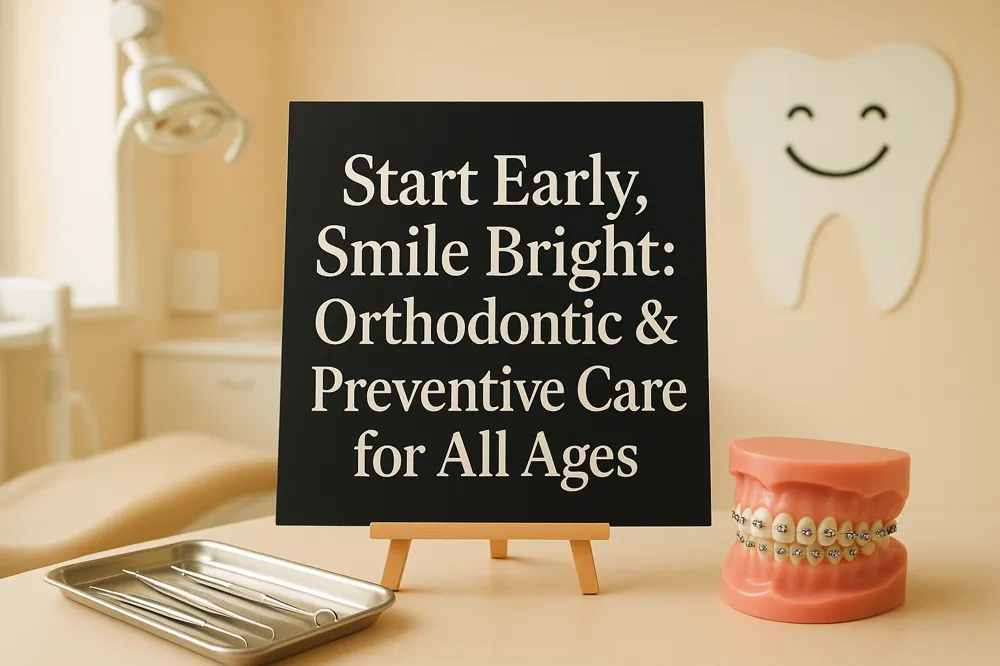
Gentle Dentistry of Staten Island offers a comprehensive range of orthodontic options to suit patients of all ages. These include traditional metal braces, ceramic braces, lingual braces (placed behind the teeth), and Invisalign® clear aligners. Each treatment is designed to correct bite and alignment issues effectively while considering patient comfort and aesthetics.
Addressing bite and alignment problems early can prevent more complex dental challenges later on. Early intervention helps guide jaw growth and tooth eruption, reducing the need for invasive procedures. It promotes healthier function, improved speech, and a more attractive smile. Early orthodontic care can also decrease treatment time and enhance overall oral health outcomes.
Starting dental visits early helps children become familiar with the dental environment, reducing fear and anxiety associated with dental care. From infancy, parents receive guidance on oral hygiene and preventive care, setting the foundation for a lifetime of good dental habits. This dental home creates a trusted relationship between families and dental providers, enhancing early detection and prevention.
Regular dental visits allow for ongoing monitoring of oral health through cleanings and screenings. Routine check-ups catch issues such as cavities, gum disease, or oral cancer at their earliest stages when treatment is simpler and less invasive. For children, frequent dental exams track tooth development and bite, ensuring early correction if needed. Preventive care reduces discomfort, treatment costs, and supports overall health for all ages.
| Aspect | Description | Importance |
|---|---|---|
| Orthodontic Options | Braces (metal, ceramic, lingual), Invisalign® | Correct teeth alignment, improve function/aesthetics |
| Early Intervention | Guides jaw growth and tooth eruption | Minimizes complex future treatments |
| Dental Home | Early dental visits to build trust and reduce anxiety | Encourages lifelong oral health habits |
| Routine Cleanings/Check-ups | Regular screenings and cleanings | Enables early detection and prevention |
Being proactive with your oral care empowers you to maintain a bright, confident smile while reducing risks linked to systemic conditions such as diabetes and heart disease. Gentle Dentistry of Staten Island combines advanced technology with a patient-centered approach, ensuring early detection and personalized care for optimal outcomes.
Make consistent dental check-ups a priority — your smile and well-being depend on it.