Even more knowledge

A child's dental journey begins even before birth with tooth development starting in the womb. Typically, the first baby teeth, usually the lower central incisors, emerge around 6 months of age. By the age of 3, most children have a complete set of 20 primary teeth.
Between 6 and 12 years, children experience the mixed dentition phase, where baby teeth gradually fall out and permanent teeth erupt. By age 13, most teens possess their full set of adult teeth, excluding wisdom teeth, which often erupt later between 17 and 21 years.
During the teen years, orthodontic treatments such as braces or clear aligners are frequently initiated to correct alignment and bite issues. Regular dental checkups, typically twice a year, are important for monitoring dental development, including the emergence and potential removal of wisdom teeth.
Teens may also encounter challenges like teeth grinding (bruxism), increased risk of cavities due to dietary changes, and the need for vigilant oral hygiene, especially if wearing braces or aligners.
Maintaining good dental health in adolescence involves consistent brushing twice daily with fluoride toothpaste, flossing, and limiting sugary snacks and drinks. Professional dental visits are essential to detect early signs of cavities, gum disease, or developmental concerns related to wisdom teeth.
Proper guidance and routine dental care during adolescence lay the foundation for lifelong oral health and successful dental development into adulthood.
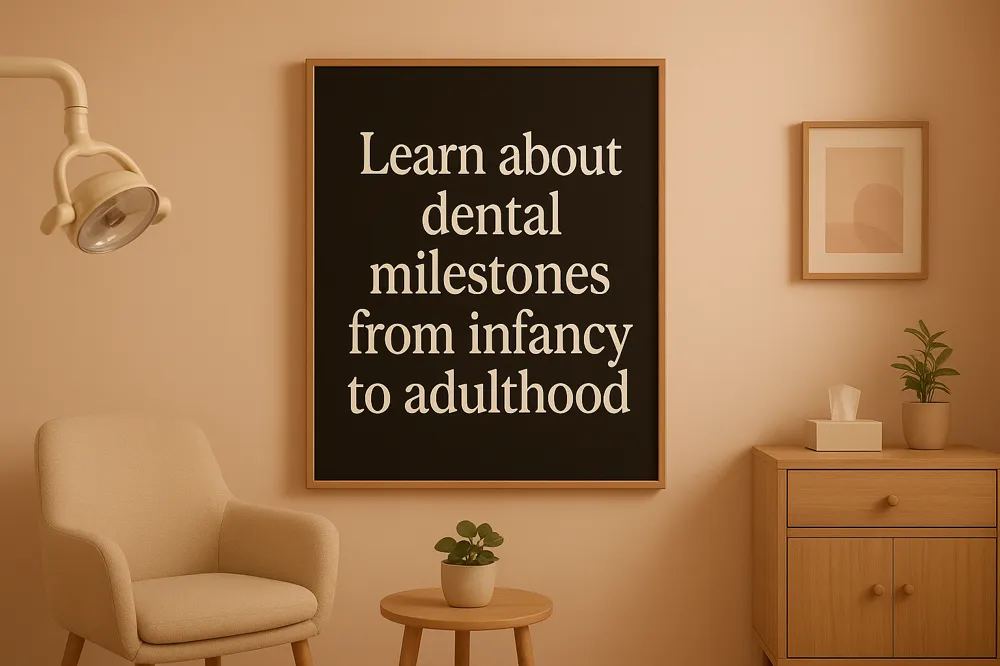
Dental development begins in infancy, typically around 6 months of age, when the first tooth eruption at 6 months — usually the lower central incisors — start to erupt. These primary or baby teeth usually complete their eruption by age 3, with a full set of 20 teeth that are critical for chewing, speech, and holding space for permanent teeth. For more details, see Dental development from infancy to adolescence.
Between ages 6 and 7, children enter a mixed dentition phase where baby teeth begin to exfoliate (fall out) to make room for permanent teeth. The eruption of permanent teeth kicks off with the first molars around age 6. This process continues until approximately age 21, when most individuals have a full set of 32 permanent teeth, including wisdom teeth. For a comprehensive guide on Oral health milestones and Eruption Charts, visit the linked resources.
Permanent teeth emerge in a predictable timeline throughout childhood and adolescence. The first permanent molars and central incisors usually come in between ages 5 and 7. Other permanent teeth such as lateral incisors, canines, and premolars develop between ages 7 and 12. Around ages 11 to 13, the second molars commonly erupt. Wisdom teeth, or third molars, typically appear last, usually somewhere between ages 17 and 30. This timeline is well documented under Dental emergence stages and pubertal growth spurt and Pediatric dental development.
Regular dental visits throughout childhood and adolescence are essential for monitoring oral health and development. Biannual dental check-ups allow dentists to spot early signs of decay, gum disease, or malocclusion, and to provide professional cleanings and preventive care like fluoride treatments and sealants. See further information on Regular dental check-ups for teens and the Importance of regular dental checkups for teens.
Additionally, dentists can track the eruption and alignment of permanent teeth, recommend orthodontic evaluations (often around age 7 and again during adolescence), and assess wisdom teeth to determine if removal is necessary. Early detection and intervention during these critical stages help maintain healthy teeth and prevent more serious dental issues later in life. More detailed guidance is available on Dental Care Tips for Teens and American Academy of Pediatric Dentistry guidelines.
| Stage | Typical Age Range | Description |
|---|---|---|
| Primary teeth eruption | 6 months – 3 years | 20 baby teeth emerge fully (first tooth eruption at 6 months, Primary Teeth Eruption) |
| Primary teeth exfoliation | 6 – 12 years | Baby teeth fall out beginning lower front teeth (Child's dental development) |
| Permanent teeth eruption | 5 – 21 years | Includes first/second molars, canines, premolars, and wisdom teeth (Permanent Teeth Eruption) |
| Wisdom teeth eruption | 17 – 30 years | Last permanent molars may require monitoring or removal (Wisdom teeth monitoring) |
| Dental check-ups | Every 6 months | Regular exams for teeth health and development monitoring (Regular dental check-ups for teens) |

The 3-3-3 rule is a simple guideline to optimize teen oral hygiene. It advises brushing teeth three times daily to remove plaque effectively. Each brushing session should last about three minutes, helping clean hard-to-reach areas including teeth, gums, and tongue. Finally, it recommends replacing the toothbrush every three months to maintain brush effectiveness and prevent bacteria buildup. This routine supports stronger teeth, healthier gums, and fresher breath.
Teens should brush their teeth at least twice each day using fluoride toothpaste. Soft-bristled toothbrushes are ideal for gentle but thorough cleaning. Daily flossing removes trapped food and plaque between teeth that brushing alone cannot reach. For those with braces, using interdental brushes or floss threaders ensures better cleaning around appliances. Regular use of alcohol-free fluoride mouthwash can also enhance protection by combating bacteria and strengthening enamel. See more on daily dental hygiene for teens.
Limiting sugary snacks, sodas, and energy drinks and teen dental health is crucial as these contain high sugar and acid levels that cause enamel erosion and promote cavities. A balanced diet rich in calcium, vitamin D, and phosphorus supports enamel strength and bone health. Avoiding tobacco products and effects of vaping on oral health reduces risks of gum disease, inflamed gums, and oral infections. Staying hydrated helps prevent dry mouth, which can increase cavity risks. Additional insights are available at Diet and dental health in teens.
Mouthwash containing fluoride and no alcohol boosts oral hygiene by reaching areas missed by brushing and flossing. It also freshens breath and inhibits harmful bacteria growth. Teenagers should replace their toothbrushes or brush heads every 3-4 months or sooner if bristles become worn, to ensure efficient plaque removal and reduce bacterial buildup on the brush. Find helpful tips about oral hygiene for teenagers.
Consistency is key. Brushing twice daily for two minutes with fluoride toothpaste, flossing daily, maintaining a healthy diet low in sugars, and routine dental checkups help prevent cavities and gum disease. Avoiding tobacco and staining drinks preserves a bright smile. Good hydration and managing stress, which can otherwise cause teeth grinding in teens, further support teen oral health.
Overall, establishing these practical daily habits empowers teens to maintain fresh breath, healthy gums, and strong teeth, setting the foundation for lifelong dental wellness.
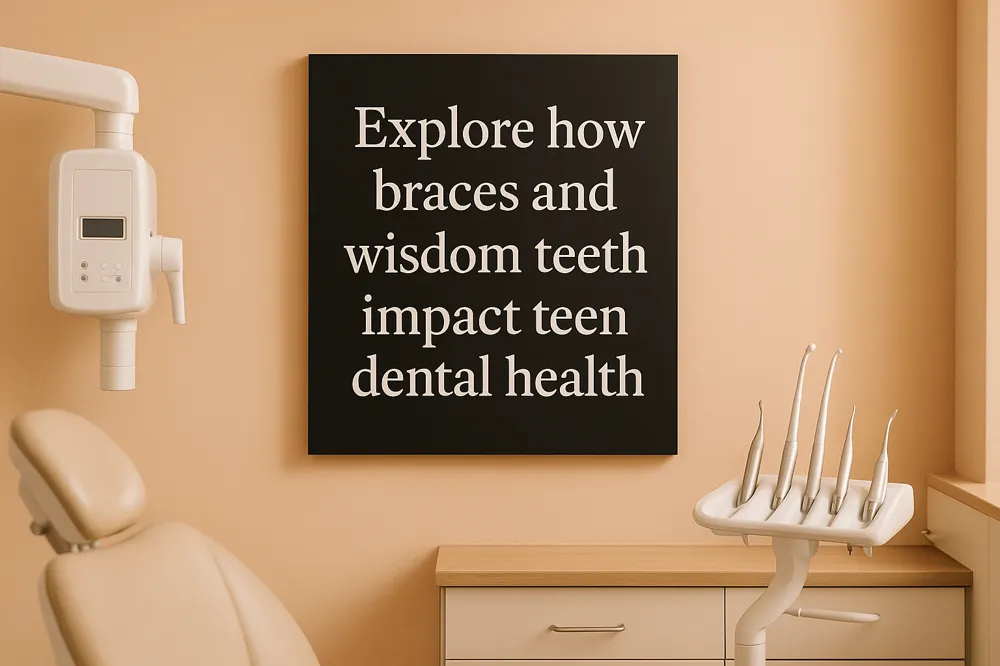
Orthodontic treatment is common during the teen years when permanent teeth have mostly erupted. Braces and Invisalign help correct crooked teeth, bite issues, and jaw misalignment. These treatments not only improve appearance but also prevent future problems such as cavities, gum disease, and uneven tooth wear. Teens with braces or clear aligners must maintain diligent oral hygiene, using special tools like interdental brushes or floss threaders, to avoid plaque buildup and white spots. For more details on maintaining oral hygiene with braces and clear aligners, see that resource.
Wisdom teeth often emerge between ages 17 and 21 and can cause overcrowding, discomfort, or infection if there isn’t enough space. Pediatric dentists monitor wisdom teeth monitoring and removal during check-ups to determine if removal is necessary. Early detection helps prevent pain, decay, or damage to neighboring teeth. For comprehensive information about wisdom teeth emergence and monitoring and wisdom teeth management for teens, visit these resources.
Teeth grinding (bruxism) in teens is often triggered by stress and can cause headaches, jaw pain, and worn-down enamel. Custom nightguards provided by dental professionals can protect teeth during sleep. Additionally, mouth piercings such as lip or tongue rings pose risks of infections, chipped teeth, and enamel damage. Teens should be informed about these risks and encouraged to avoid or take precautions if they choose to get piercings. For more on bruxism symptoms and treatment and risks of mouth piercings, see these articles.
Yes, as teen jaws and facial bones continue developing, pediatric dentists are crucial for monitoring changes, managing orthodontic treatments, and overseeing wisdom teeth emergence and monitoring. Their specialized care aids early identification of dental problems and fosters lifelong oral health habits. Additionally, regular dental check-ups for teens ensure timely detection of cavities and gum disease, proper management of orthodontic treatments, and support for maintaining excellent oral hygiene.

Energy drinks and teen dental health] often contain up to 62 grams of sugar per bottle, exceeding daily recommended intake. This excessive sugar fuels cavity-causing bacteria, leading to tooth decay. Moreover, these drinks have a high acid content that Acid erosion of tooth enamel], increasing sensitivity and vulnerability to cavities. Enamel erosion is irreversible and weakens the tooth’s protective barrier, making teeth more prone to damage.
Effects of vaping on oral health] exposes teenagers to numerous harmful chemicals that dry out the mouth. A dry oral environment reduces saliva’s natural ability to protect teeth, resulting in increased risks of cavities, Gum disease risk from vaping] and oral infections. Studies indicate that teen vapers are more likely to develop inflamed gums and early periodontal disease, which can lead to long-term oral health complications if untreated.
Risks of DIY dentistry trends] circulating on social media, such as at-home whitening or filing, pose serious risks. These self-treatments can cause irreversible enamel damage, increased tooth sensitivity, and other complications. Without professional assessment and technique, such practices can worsen dental health significantly. Professional dental care vs. at-home treatments] remains the safest and most effective way to address cosmetic and health concerns.
Maintaining awareness of these risks allows teens and parents to make informed choices to protect oral health during adolescence.
Brushing teeth is crucial for children because it removes plaque, a sticky bacterial film that causes cavities and gum disease if not controlled. Using fluoride toothpaste twice daily strengthens developing teeth and helps prevent decay.
Starting good brushing habits early, with parental supervision and regular dental check-ups every six months, lays a strong foundation for oral health. Limiting sugary foods and drinks, especially before bedtime, also reduces cavity risks.
Daily flossing removes plaque and food trapped between teeth and under the gumline—areas a toothbrush can't reach. This prevents tartar build-up, gum inflammation, and bad breath.
Using gentle vertical flossing motions minimizes gum irritation while maximizing plaque removal. Combined with brushing and professional dental care vs. at-home treatments, flossing protects against cavities and gum disease.
Regular dental checkups—recommended twice a year during adolescence—allow professionals to monitor dental development and detect problems early. This includes evaluating wisdom teeth emergence and monitoring, orthodontic needs, and early signs of decay or gum disease.
Early detection helps prevent severe dental issues that can impact teens' health and confidence.
A balanced diet rich in calcium, vitamin D, phosphorus, fruits, and vegetables strengthens enamel and bones. Teens should limit sugary snacks, energy drinks and teen dental health, and acidic beverages because they promote decay and enamel erosion.
Water, especially fluoridated, is the best beverages for teen teeth to maintain healthy teeth.
Adolescents should be encouraged to take responsibility for their oral hygiene by brushing teeth twice daily and daily flossing recommendations.
Parents can support by modeling good habits, providing dental supplies, and reinforcing the importance of oral health.
Educating teens about risks from effects of vaping on oral health, DIY dental practices, and poor diet promotes informed decisions and lifelong care commitment.
Teens typically have most permanent teeth by early adolescence, with wisdom teeth emerging later. This period involves key developmental milestones like orthodontic treatment and managing risks such as cavities and gum disease.
Parents play a vital role by motivating teens to maintain good oral hygiene, including brushing twice daily, flossing, and making healthy dietary choices. Support and reminders help teens develop lasting habits.
Regular dental check-ups twice a year enable early detection of issues, guidance on orthodontic care, and management of wisdom teeth. Professional advice ensures teens receive tailored care for their evolving needs.