Even more knowledge

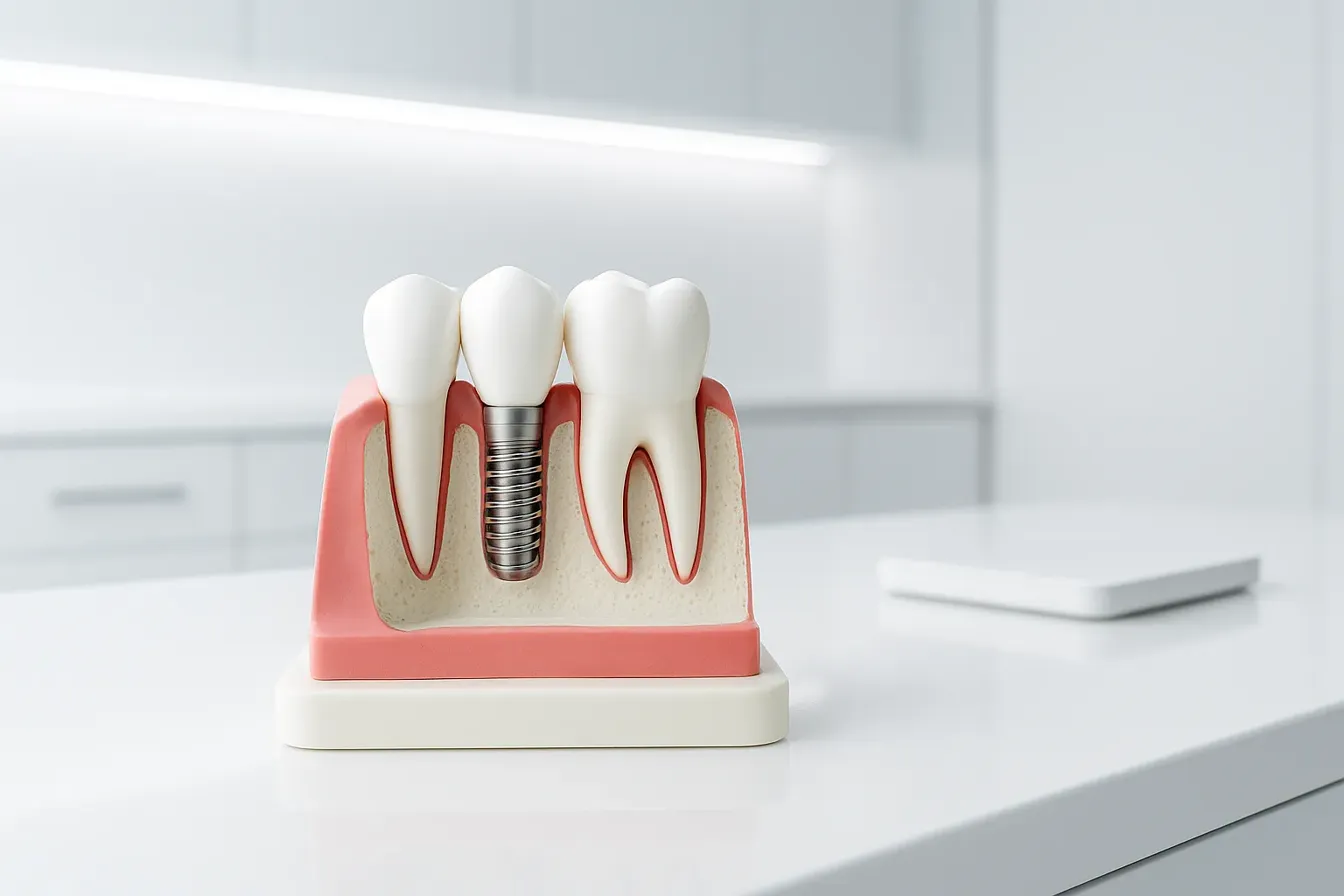
Dental implants are artificial tooth replacements designed to restore both the function and appearance of your smile. They consist of a small titanium post that is surgically placed into the jawbone to act as a new root for a missing tooth. Once healed, this post provides a permanent, stable foundation for a custom-made crown, bridge, or denture.
These implants are engineered to look, feel, and function like your natural teeth. They allow you to eat a varied diet, speak clearly, and smile with confidence. A key benefit is their ability to preserve jawbone health by stimulating bone growth, which prevents the bone loss that often follows tooth loss.
Placing a dental implant is typically an outpatient procedure performed in stages over several months. This timeline allows for proper healing and ensures the long-term success of your new tooth. While the complete process requires patience, the result is a durable, life-like restoration.
This step-by-step guide outlines the typical journey, from initial consultation to final restoration. Understanding each phase can help alleviate anxiety and set realistic expectations for your treatment.
Your journey begins with a comprehensive consultation. A dentist, like those at experienced Staten Island practices, will conduct a thorough oral examination. This includes advanced imaging, such as X-rays or 3D CT scans, to assess your jawbone density and structure.
During this visit, your dentist will review your medical history and discuss your treatment goals. This step determines if you are a good candidate for implants. Ideal candidates generally have healthy gums, adequate bone, and are free of untreated medical conditions that could affect healing.
A personalized treatment plan is then created. If needed, preparatory procedures like tooth extraction or bone grafting will be scheduled to ensure a solid foundation for the implant.
The placement of the titanium implant post is a precise surgical procedure. It is usually performed under local anesthesia to ensure your comfort. For patients with dental anxiety, sedation options are often available.
During surgery, a small incision is made in the gum to expose the jawbone. A carefully drilled hole is prepared, and the implant is gently inserted. The gum is then sutured closed. For a single implant, this surgery often takes between 30 minutes to two hours.
After placement, a crucial biological process called osseointegration begins. Over the next three to six months, your jawbone gradually fuses with the titanium implant. This creates a strong, secure bond that acts as an artificial tooth root.
During this time, you may wear a temporary crown and should follow a soft-food diet. Maintaining excellent oral hygiene and attending follow-up appointments are essential to monitor healing progress.
Once osseointegration is complete, a minor procedure is performed to attach an abutment. This small connector piece screws onto the implant and will hold your final restoration.
After your gums heal around the abutment, new impressions of your mouth are taken. These are used to craft a custom permanent crown in a dental lab. The crown is designed to match the color, shape, and size of your natural teeth for a seamless aesthetic.
The final step is securing this crown onto the abutment. Your dentist will check the fit and your bite to ensure comfort and proper function. With this, your smile restoration is complete.
| Treatment Phase | Primary Goal | Typical Duration | Key Considerations for Patients |
|---|---|---|---|
| Consultation & Planning | Assess candidacy & create treatment plan | 1-2 Appointments | Involves imaging, health review, and discussion of options like bone grafting. |
| Implant Surgery | Place titanium post into jawbone | 30 min - 2 hours (per implant) | Performed with anesthesia; mild post-op swelling and discomfort are normal. |
| Osseointegration | Allow bone to fuse with implant for stability | 3 to 6 months | Requires patience, soft diet, and good oral hygiene; critical for long-term success. |
| Abutment & Crown Placement | Attach connector and custom artificial tooth | 2-3 Appointments over several weeks | Final crown is color-matched and shaped for a natural look and feel. |
Your journey towards a dental implant begins with a thorough initial consultation. The process involves a comprehensive oral examination and a review of your dental and medical history. To meticulously assess your jawbone, dentists in Staten Island often utilize advanced 3D imaging technology, such as Cone Beam Computed Tomography (CBCT) scans. This provides a detailed view of bone density, structure, and the location of nerves and sinuses, which is crucial for safe, precise implant placement.
This assessment determines if you are a suitable candidate for the procedure. Several key factors influence this decision. Ideal candidates typically have a missing or unrestorable tooth, sufficient jawbone density to support an implant, and gums free of periodontal disease. Good oral hygiene habits are essential. Untreated medical conditions that can affect healing, such as uncontrolled diabetes, must be addressed beforehand. Finally, being a non-smoker or being willing to quit for the duration of treatment is strongly advised, as smoking can severely hinder recovery and implant success.
The information gathered leads to a personalized treatment plan. This plan outlines every step of your unique procedure. It may reveal a need for preparatory surgeries before the implant can be placed. A damaged tooth may need to be extracted. More commonly, if the jawbone is too thin or soft, a bone graft is required. This procedure involves adding supplemental bone material to build up the site, and it can add several months—up to 12 months for full healing—to the overall treatment timeline.
During this consultation, you will discuss all details of the procedure, including anesthesia options such as local anesthetic, oral sedation, or IV sedation, often available at Staten Island practices. Your dentist will review the estimated total cost and timelines. A pre-treatment cost estimate can be requested, and many offices offer flexible financing options or work with third-party lenders to help manage the investment. This open discussion ensures you are fully informed and comfortable before moving forward.
Initial Consultation and Planning Overview
| Assessment Focus | Tools & Actions | Key Considerations & Outcomes |
|---|---|---|
| Oral & Bone Health | Clinical exam, digital X-rays, 3D CT/CBCT scan | Checks for gum disease, bone volume, and nerve proximity |
| Medical Fitness | Detailed health history review | Identifies conditions (e.g., diabetes) affecting healing |
| Candidacy Criteria | Evaluation against set clinical factors | Determines if you are a suitable candidate for implants |
| Treatment Planning | Digital impressions, surgical guide design | Creates a step-by-step blueprint, notes need for grafts/extractions |
| Financial Planning | Cost estimate discussion, insurance/financing review | Provides clarity on investment and available payment options |
Dental implant placement is an outpatient surgery. The procedure's length depends on complexity. Placing a single implant typically takes 30 to 60 minutes. Placing multiple implants or performing full-arch restoration may take 2 to 3 hours. This surgery is performed under local anesthesia to numb the area completely. Many practices offer sedation options—like oral conscious sedation or IV sedation—to ensure maximum patient comfort, especially for those with anxiety or for more complex cases.
Under anesthesia, the surgeon makes a small, precise incision in the gum tissue to expose the jawbone. Using special instruments and often guided by a 3D-printed surgical guide created from your advanced imaging CT scans, a hole is carefully drilled into the bone. A biocompatible titanium implant post is then gently threaded into this space. The gum is sutured closed around the implant or over a healing cap.
After placing the implant, a temporary restoration is often added. This could be a temporary crown or a healing cap. A temporary crown protects the implant site and maintains the proper space in your smile during the healing period. A healing cap, sometimes called a cover screw, helps shape the gum tissue correctly as it heals.
For qualified patients needing a full arch of teeth, an advanced protocol like 'Teeth-in-a-Day' or All-on-4® is available. This innovative approach involves placing four to six strategic implants, often immediately after extracting any remaining failing teeth. A provisional, fully functional set of teeth is attached the same day. Patients leave with a new smile, while the implants still undergo the essential months-long osseointegration process beneath.
Following surgery, you will receive specific post-procedure care instructions to ensure proper healing. Normal symptoms include mild swelling, bruising, and discomfort, which typically peak within the first 24-48 hours. Management includes rest, a soft food diet, and using ice packs. It is crucial to avoid disturbing the surgical site, smoking, and strenuous activity initially.
| Phase | Primary Actions | Typical Duration | Key Patient Considerations |
|---|---|---|---|
| Surgery | Incision, drilling, implant placement, suturing | 30 min - 2 hours | Anesthesia ensures comfort; sedation options available |
| Immediate Aftercare | Placement of temporary crown/healing cap | In-office procedure | Protects site and maintains aesthetic appearance |
| Advanced Option (All-on-4) | Extractions, implant placement, provisional teeth | Single day appointment | Provides immediate function and aesthetics for full arches |
| Initial Recovery | Managing swelling, pain, and diet | First 1-2 weeks | Soft foods, rest, and gentle oral hygiene are essential |

The first two days after your dental implant surgery set the stage for successful healing. You can expect mild bleeding, tenderness, and some swelling. To manage this, apply an ice pack to the outside of your cheek in intervals of 20 minutes on and 20 minutes off. Keeping your head elevated, even while resting, helps reduce swelling further. Rest is a priority during this time to allow your body to begin the repair process.
Your diet should be limited to soft, cool, and lukewarm foods like yogurt, smoothies, and mashed potatoes. It’s important to avoid using straws, as the suction can dislodge the protective blood clot. Also steer clear of hot, spicy foods, and alcohol, as these can irritate the surgical site or interfere with healing.
Discomfort typically peaks within the first 24 hours after the implant procedure. This pain is usually mild to moderate and is very manageable. Your dentist may recommend or prescribe pain relievers, which should be taken as directed. Over-the-counter options like ibuprofen are often effective. If you experience severe or worsening pain after the first day, contact your dental team, as this could indicate a complication.
Healing is a gradual process. Swelling often peaks around the second or third day before starting to subside. Some bruising on the cheek or jaw may appear and will fade over several days. Most patients feel well enough to resume light daily activities within 1 to 2 days and can often return to sedentary work within 2 to 3 days.
However, you should avoid strenuous exercise, heavy lifting, and other intense physical activities for at least 3 to 7 days to prevent increased bleeding or swelling. A full return to all normal activities is generally safe after the first week or two, but always follow your dentist's specific guidance.
Gentle care of your mouth is crucial. Do not rinse your mouth for the first 24 hours. After that, you can begin gentle rinsing with warm salt water several times a day, especially after eating. Avoid brushing directly on the surgical site for several days to a week. You can carefully clean the rest of your mouth with a soft-bristled toothbrush. Maintaining this gentle hygiene helps prevent infection without disturbing the healing tissues.
A critical part of your healing process happens without any symptoms. This is the osseointegration phase, where your jawbone biologically fuses with the titanium implant post. It creates a stable, permanent foundation for your future tooth. This process is not something you will feel, but it is essential for long-term success. It typically takes 3 to 6 months to complete fully. During this time, you'll have follow-up appointments so your dentist can monitor the integration using X-rays or scans.
| Time After Surgery | Activity Level | Recommended Diet | Key Notes |
|---|---|---|---|
| First 24-48 Hours | Complete rest, head elevated. | Soft, cool foods (smoothies, pudding). | Use ice packs, no straws, avoid dairy initially. |
| Days 3-7 | Resume light daily tasks, sedentary work. | Soft, nutritious foods (mashed veggies, eggs). | Swelling decreases, start saltwater rinses. |
| Week 2 and Beyond | Normal activities; avoid heavy exercise for 1-2 weeks. | Gradually reintroduce firmer foods. | Avoid chewing directly on the implant site. |
| Months 1-6 | Full activity resume after clearance. | Normal diet, avoid very hard/sticky foods. | Critical osseointegration phase is underway. |
How long does the full healing process take? The entire process, from implant placement to receiving the final crown, typically spans 3 to 6 months. This includes initial tissue healing and the essential osseointegration phase.
What are key recovery tips? Prioritize rest initially, use ice packs for swelling, follow a soft-food diet, avoid smoking and straws, practice gentle oral hygiene, and attend all scheduled follow-up appointments. Adhering to your dentist's specific post-procedure care instructions is the best way to ensure a smooth recovery.
What should I eat, and why avoid dairy? Stick to soft, lukewarm foods for the first several days. Dairy is often recommended to be avoided for the first 48-72 hours because it can leave a film that promotes bacterial growth, potentially increasing infection risk. After this period, it can usually be reintroduced.
When can I return to work? Many patients return to non-strenuous, sedentary work within 2 to 3 days after surgery. If your job is physically demanding, you may need a week or more off. Discuss this with your dentist for personalized advice based on your procedure.
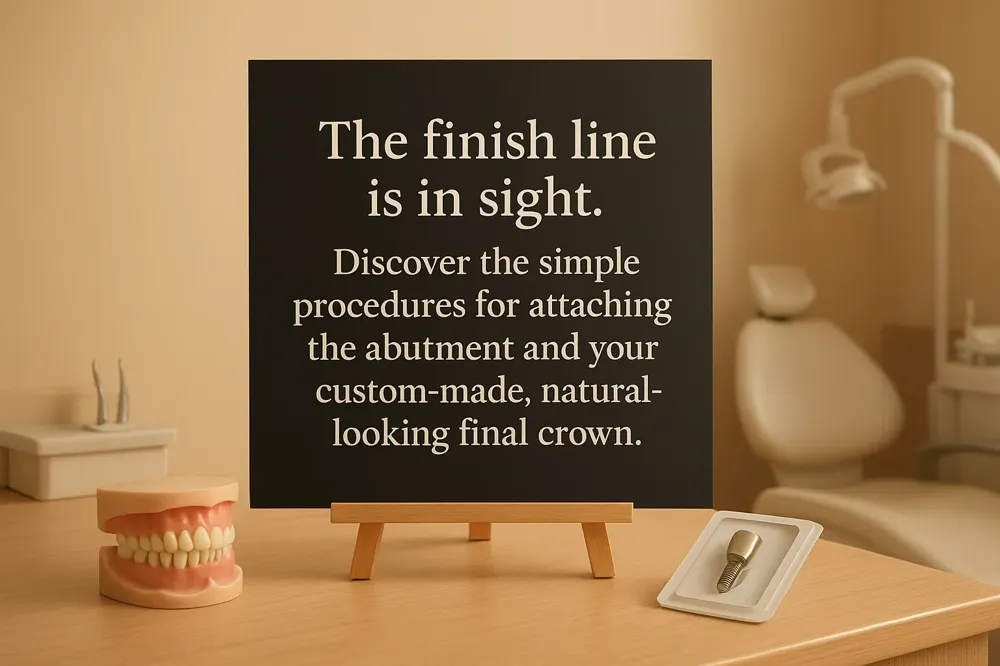
Following successful osseointegration, the next phase of your dental implant process begins. Osseointegration is the biological process where the jawbone fuses securely with the titanium implant, a bond that typically takes three to six months to complete. Your dentist in Staten Island, such as Dr. Sterling, Dr. Skurnick, or a certified prosthodontist, will confirm this fusion with an x-ray or 3D scan. Once confirmed, a minor second procedure is scheduled to attach the abutment. If the implant was initially placed under the gum tissue, the dentist will make a small incision to expose it. The abutment is a small, durable connector piece that is screwed onto the implant post to support the final restoration.
This appointment is generally brief and comfortable, often performed under local anesthesia. After the abutment is secured, your gum tissue is allowed to heal around it for approximately two weeks. This healing period is crucial as it shapes the gum line to form a natural-looking contour, known as the emergence profile, around the future crown.
Once the gums have healed around the abutment, the final step in crafting your new tooth occurs. Your dentist will take a highly accurate impression of the abutment and the surrounding teeth. Many modern Staten Island practices use digital scanners for this purpose, while others may use a traditional dental putty. This impression is the blueprint sent to a dental laboratory to create your custom crown, bridge, or denture.
Advanced technology, such as CAD/CAM systems, is often employed to design a restoration that perfectly matches the color, shape, and size of your natural teeth. When your custom crown is ready, you will return for your final appointment. The dentist will check the fit and your bite, making any necessary adjustments before permanently cementing or screwing the crown onto the abutment.
Upon placement, your dental implant treatment is complete. The new tooth replacement is fully functional for eating and speaking and is virtually indistinguishable from your natural teeth. While the implant itself is immune to decay, meticulous oral hygiene is essential to prevent gum disease around the site. This includes daily brushing, flossing, and attending regular check-ups. With proper long-term care, this restoration can last for many years, providing a durable, confident smile.
| Milestone | Procedure | Details | Typical Duration |
|---|---|---|---|
| Abutment Placement | Minor second surgery | Attaching the connector piece to the fused implant post. | 1-2 hours per appointment |
| Gum Healing | Soft tissue recovery | Gums heal around abutment to create natural gum line. | About 2 weeks |
| Impression | Digital or physical mold | Creation of a model for the final crown. | Single appointment |
| Lab Fabrication | Crown creation | Custom restoration made to match natural teeth. | 1-3 weeks |
| Final Placement | Crown attachment | Checking fit, bite, and aesthetics before final cementation. | Single appointment |

Dental implants are known for their high success rates, often cited at over 95%. However, like any surgical procedure, they carry potential risks. Common post-operative side effects include temporary swelling, bruising, and mild discomfort, which typically subside within a few days. More significant risks, though less common, include infection at the surgical site, sinus problems for implants in the upper jaw, nerve damage leading to numbness, and a condition called peri-implantitis. Peri-implantitis is an inflammatory disease affecting the gum and bone tissue surrounding an implant, similar to gum disease, and can lead to bone loss if not treated. The most serious risk is implant failure, where the implant does not properly integrate with the jawbone or becomes loose over time. Factors that significantly increase these risks include smoking, poor oral hygiene, uncontrolled diabetes, and habits like teeth grinding (bruxism). Some medical conditions, such as those requiring intravenous bisphosphonate medication, can also affect healing. An experienced dental team minimizes these risks through comprehensive planning and patient education.
Ideal candidates for dental implants have good general and oral health, adequate jawbone density, and healthy gums. However, certain factors can disqualify a person or require additional treatment before proceeding. Absolute contraindications include unstable heart conditions, active cancer treatments like radiation to the jaw, and significant bleeding disorders that pose surgical risks. Insufficient jawbone is a common hurdle, but it can often be overcome with bone grafting procedures. Uncontrolled systemic diseases, such as diabetes or immune deficiencies, can severely impair healing and integration. Lifestyle factors like heavy smoking or alcohol dependency also compromise success rates. Furthermore, individuals with severe bruxism who do not use a protective night guard, or those unable to commit to the necessary long-term oral care, may not be suitable. A thorough evaluation by a dentist is essential to assess all these factors.
This claim, while concerning, is extremely rare and often stems from preventable complications or unmet expectations. Dental professionals address it by emphasizing their rigorous protocols to ensure safety and success. They use advanced technology like CBCT scans and 3D surgical guides for precise planning, which minimizes the risk of nerve damage or improper placement. Strict sterile techniques reduce infection risk. A cornerstone of their approach is transparent patient education. Dentists set realistic expectations about the multi-month timeline, temporary post-surgical discomfort, and the patient's critical role in aftercare. They explain that long-term success depends heavily on the patient's commitment to excellent oral hygiene and regular dental visits. By reframing the narrative, they position implants as a reliable, life-enhancing solution when performed by an experienced team dedicated to comprehensive, gentle care from planning through long-term maintenance.
Long-term success depends on diligent daily care and healthy habits. Patients must brush and floss meticulously around the implant, using tools like soft-bristled brushes and interdental cleaners as recommended. Professional cleanings and check-ups every six months are non-negotiable for monitoring implant health and preventing peri-implantitis. Lifestyle adjustments are equally important. Smoking cessation is strongly advised, as tobacco use dramatically increases failure rates. Managing conditions like diabetes is crucial for proper healing. Patients should also address teeth grinding with a custom night guard to protect the implant from excessive force. A balanced diet supports overall oral health.
Patients should be vigilant for warning signs that require immediate dental attention. These include severe or worsening pain, fever, heavy bleeding, increasing swelling, pus discharge, a foul taste, or any sensation of the implant feeling loose. Choosing an experienced team like Gentle Dentistry of Staten Island, led by Dr. Louis Sterling and Dr. Sara Skurnick, significantly enhances safety and outcomes. Their use of advanced diagnostic technology, personalized care plans, and over 35 years of combined local expertise helps navigate potential risks, ensuring patients receive the gentle, professional care needed for a successful, lasting result.
| Risk Factor | Impact on Implant | Preventive Action |
|---|---|---|
| Smoking | Slows healing, increases failure | Complete cessation advised |
| Poor Oral Hygiene | Leads to peri-implantitis & infection | Meticulous daily brushing & flossing |
| Uncontrolled Diabetes | Impairs bone healing & integration | Manage blood sugar levels effectively |
| Teeth Grinding (Bruxism) | Places excessive force on implant | Use a custom-fitted night guard |
| Insufficient Jawbone | Can cause implant instability | Bone grafting procedure before placement |
The journey to a dental implant begins with a thorough consultation. Your dentist will conduct a detailed oral examination, review your medical history, and use advanced imaging like digital X-rays or CT scans. This step assesses your jawbone health and creates a personalized treatment plan. It's the foundation for a successful outcome.
This initial phase is crucial for candidacy. Ideal candidates have healthy gums, adequate jawbone density, and a commitment to oral hygiene. Conditions like uncontrolled diabetes may require management before proceeding. Your dentist will discuss anesthesia options and provide a cost estimate, helping you plan for the multi-stage process ahead.
Dental implant placement is an outpatient procedure performed in stages over several months. If a damaged tooth is present, extraction is the first step. For patients with insufficient bone, a preparatory bone graft may be necessary. This graft, using synthetic or natural bone material, builds up the jaw and typically requires several months of healing.
The core surgical step involves placing a biocompatible titanium post into the jawbone. Performed under local anesthesia, this takes about 30 to 60 minutes for a single implant. After placement, a temporary crown or healing cap is often attached. The site is then closed with sutures to begin the critical healing phase.
Healing is a two-part process. The initial surgical recovery lasts about one to two weeks. You may experience swelling, bruising, and minor discomfort, manageable with rest, cold compresses, and soft foods. Most patients return to normal activities within a few days.
The long-term biological phase, osseointegration, is the most important. Over three to six months, the jawbone naturally fuses with the titanium implant. This creates a rock-solid foundation, like a natural tooth root. Patience during this time is essential for long-term stability and success.
Once osseointegration is complete, a minor procedure attaches an abutment. This small connector piece sits above the gum line to support the final restoration. After the gums heal around it, precise impressions are taken.
These impressions are sent to a dental lab to craft your custom crown, bridge, or denture. The final restoration is designed to match your natural teeth in color, shape, and size. The dentist then securely attaches it to the abutment, completing your new, fully functional smile.
Dental implants are a permanent solution with over a 95% success rate. They are designed to last a lifetime with proper care. Unlike bridges, they do not require altering adjacent healthy teeth. By stimulating the jawbone, they prevent the bone loss and facial changes often seen with dentures.
This investment restores more than just a tooth. It rebuilds your ability to chew comfortably, speak clearly, and smile with confidence. The entire process, from consultation to final crown, typically spans three to nine months, culminating in a result that looks, feels, and functions like a natural tooth.
The prospect of dental implant surgery is understandably met with questions. An experienced, patient-centered team can guide you through every stage, ensuring a comfortable and informed experience. Practices utilizing modern technology, like 3D imaging and precise surgical guides, enhance safety and outcomes.
Your transformative journey begins with a single appointment. We encourage you to schedule a consultation with a qualified team to discuss your personalized plan. Taking this step opens the door to a confident, healthy smile that can last for decades, truly transforming your quality of life.
| Process Phase | Key Activities | Typical Duration | Important Notes |
|---|---|---|---|
| Consultation & Planning | Exam, imaging (X-rays/CT), treatment plan, cost estimate | 1-2 visits | Determines candidacy; may reveal need for bone graft. |
| Preparatory Procedures | Tooth extraction, bone grafting (if needed) | Varies (graft: 4-12 months healing) | Creates a healthy foundation for the implant post. |
| Implant Placement Surgery | Insertion of titanium post under local anesthesia | 30-60 mins per implant | Outpatient procedure; temporary crown may be placed. |
| Healing & Osseointegration | Bone fusion with the implant post | 3-6 months | Critical for long-term stability; requires patience. |
| Abutment & Final Restoration | Attaching connector, taking impressions, placing custom crown | 1-2 visits over several weeks | Crown is color-matched for a seamless, natural look. |
| Long-Term Success | Daily brushing/flossing, regular dental check-ups | Lifetime | Implants cannot decay but require gum care to prevent peri-implantitis. |