Even more knowledge

Establishing oral care starts even before the first tooth appears. Gently wiping infants' gums with a damp cloth helps reduce bacteria and sets the stage for healthy teeth.
Cavities are the most common chronic disease in U.S. children, affecting over 40% of kids aged 2 to 19. Untreated cavities can cause pain, infections, and interfere with eating, speaking, playing, and learning.
Guidelines recommend that children visit the dentist by their first birthday or within six months of their first tooth to detect early problems and create a "dental home." This supports ongoing preventive care and timely treatment.
Starting early prevents dental caries, promotes healthy habits, and helps children maintain strong teeth for life, ensuring better overall growth and development.
Children should brush their teeth twice daily for two minutes each time, using gentle, circular motions. A small, soft-bristled toothbrush designed for children is ideal. Supervision is important until around age 6 to 8 to ensure proper technique and complete cleaning, especially around the gumline. See Preventive dentistry habits for children and Starting oral hygiene routines early.
For children under 3 years, a smear of fluoride toothpaste about the size of a grain of rice is recommended. From ages 3 to 6, a pea-sized amount should be used. Supervising brushing is important to minimize swallowing of toothpaste in younger kids. Refer to Cavity Prevention in Kids and Using fluoride toothpaste from first tooth eruption.
Flossing should start as soon as two teeth touch, typically around age 2 to 4. Parents should assist with flossing daily until children are about 8 to 10 years old, ensuring thorough removal of plaque between teeth. See Flossing challenges for children and Introducing flossing at ages 3 to 4.
Before teeth appear, wiping an infant's gums twice daily with a soft, damp cloth can remove bacteria and help establish early oral hygiene habits. For more, see Infant gum care and Promoting Oral Health in Young Children.
Making brushing and flossing fun helps children embrace daily oral hygiene. Use toothbrushes with favorite colors or characters, play music or use timers, and offer positive reinforcement like praise or sticker charts. These practices improve children’s consistency and enthusiasm for oral care. See Making oral hygiene fun with child-friendly tools and Fun and Engaging Oral Hygiene Habits.
Fluoride varnish is recommended to be applied starting in infancy, as soon as the first primary teeth appear. This treatment can prevent about 33% of cavities in baby teeth. Pediatricians and dentists often apply it every 3 to 6 months, especially for children at higher risk of decay. The varnish adheres to the teeth and slowly releases fluoride, strengthening enamel and making teeth more resistant to acid attacks from bacteria.
Community water fluoridation is a proven public health measure that reduces cavities significantly. Children living in fluoridated areas tend to have fewer dental caries compared to those in non-fluoridated communities. Fluoride in drinking water continuously bathes the teeth with low levels of fluoride, helping to remineralize enamel and inhibit decay. See Community Water Fluoridation and Cavities for more details.
For infants and toddlers under 3 years, a tiny smear of fluoride toothpaste—about the size of a grain of rice—is recommended. From ages 3 to 6, children should use a pea-sized amount. Parents are advised to supervise brushing until around age 6 or 7 to prevent swallowing excess toothpaste and ensure effective cleaning. Regular brushing twice daily with fluoride toothpaste dramatically lowers cavity risk. For guidelines, see Brushing with Fluoride Toothpaste.
Fluoride strengthens tooth enamel by promoting remineralization and inhibiting demineralization caused by acidic substances produced by cavity-causing bacteria. It also reduces the activity of these bacteria, lowering the chance of decay forming. Consistent exposure through toothpaste, varnish, and fluoridated water supports healthier, more resilient teeth. More information on Fluoride Varnish Benefits and Fluoridated Tap Water and Cavity Prevention.
Dental sealants are protective coatings applied to the chewing surfaces of back teeth (molars), where decay is most likely to develop. Sealants prevent approximately 80% of cavities in these teeth for many years by creating a barrier that blocks out food particles and bacteria. Dentists usually apply sealants as soon as the first permanent molars erupt, around ages 6 to 12. Learn more about Dental Sealants Effectiveness.
| Prevention Method | Application Age | Effectiveness | Key Benefit |
|---|---|---|---|
| Fluoride Varnish Benefits | From infancy onwards | Prevents ~33% of cavities in baby teeth | Strengthens enamel, used regularly in clinical settings |
| Community Water Fluoridation and Cavities | All ages (continuous) | Reduces cavities widely in community | Provides ongoing low-level fluoride exposure |
| Brushing with Fluoride Toothpaste | From first tooth | Significant cavity reduction | Easy home use with supervised brushing |
| Dental Sealants Effectiveness | Around ages 6-12 | Prevents ~80% of molar cavities | Long-term barrier protection on vulnerable surfaces |
Sugary foods and drinks significantly increase the risk of cavities because they feed harmful bacteria in the mouth. These bacteria produce acids that damage tooth enamel, causing decay. Frequent consumption, especially of sticky or sugary beverages like juice or soda, heightens this risk. Avoiding sugary snacks between meals and limiting sugary drinks reduces acid attacks on teeth (Healthy Smile Tips for Children, Teaching Kids Good Oral Hygiene Habits).
Drinking water, particularly fluoridated tap water and cavity prevention, helps rinse away food particles and acids, protecting teeth naturally. Fluoride strengthens enamel by inhibiting demineralization and promoting remineralization, reducing cavity formation. Encouraging children to drink water instead of sugary drinks during and between meals supports healthier teeth (Benefits of drinking fluoridated water).
Putting a child to bed with bottles containing milk or juice exposes teeth to sugars for prolonged periods, increasing cavity risk often called "baby bottle tooth decay." Water is the only safe option at bedtime to prevent acid-producing bacteria from damaging teeth while the child sleeps (Avoiding bedtime bottles with juice, Avoiding bedtime bottles with sweet drinks).
A balanced diet rich in calcium, phosphorus, vitamins, fruits, vegetables, and dairy supports strong enamel and overall oral health. Calcium and phosphorus help rebuild and maintain tooth enamel, while fruits and vegetables stimulate saliva, which buffers acids and washes away food debris (Balanced diet for strong teeth, Healthy diet for dental health).
Secondhand smoke increases the risk of cavities and other oral problems by damaging oral tissues and impairing immune response. Exposure to tobacco smoke can also contribute to gum disease and delay healing, making it essential to minimize children's contact with smoke for better dental outcomes (Impact of secondhand smoke on teeth, Secondhand Smoke and Children's Oral Health).
Orthodontic treatment offers several options to help children develop a confident and healthy smile. Traditional braces are widely used to correct misaligned teeth, bite issues, and jaw alignment. Clear aligners such as Invisalign® provide a more discreet alternative that is comfortable and removable, making oral hygiene easier during treatment. Additional appliances like retainers and expanders can also play roles in guiding proper dental development. For more information on Early Orthodontic Assessments for Children, visit this resource.
Early orthodontic assessment around the age of seven is crucial. This timing allows orthodontists to identify potential bite and alignment problems while the child's mouth is still developing. Early intervention can simplify or shorten future treatments and prevent more serious dental issues. Learn more about Starting Dental Visits by First Tooth Eruption.
Properly aligned teeth are easier to clean and maintain, significantly reducing the risk of cavities and gum disease. Correcting bite problems also improves chewing and speaking functions, supporting overall oral health. For guidance on Oral Health Tips for Children, you can refer to this source.
Orthodontic care is highly individualized. Personalizing treatment plans ensures that each child’s unique dental needs and growth patterns are addressed effectively, maximizing treatment outcomes and long-term benefits. This approach is discussed under Oral Health Tips for Children.
Beyond health benefits, orthodontic treatments greatly enhance a child's confidence by improving smile aesthetics. Feeling good about their smile encourages positive social interactions and self-esteem. Explore Teaching Kids Good Oral Hygiene Habits for more about confidence and oral care.
| Orthodontic Option | Description | Benefits |
|---|---|---|
| Traditional Braces | Metal or ceramic brackets and wires | Effective for complex cases |
| Invisalign® | Clear, removable aligners | Discreet, easy oral hygiene |
| Retainers | Used post-treatment to maintain results | Keeps teeth properly aligned |
| Early Assessment | Evaluation around age seven | Detects issues early, facilitates easier treatment |
In summary, a range of orthodontic options tailored to children's needs can improve both oral health and confidence. Early assessment and personalized plans ensure the best possible outcomes for a healthy, beautiful smile. For comprehensive preventive care information, see Best Oral Health Strategies for Kids.

A gentle, patient-centered dental care approach is especially valuable for children as it greatly reduces dental anxiety and fear. Prioritizing the child's comfort helps build trust between the dentist, child, and family, creating a positive experience that encourages consistent dental visits.
Personalized care tailors treatments to each child's unique needs and health conditions, promoting early preventive care for children. This early intervention supports long-term oral health and well-being.
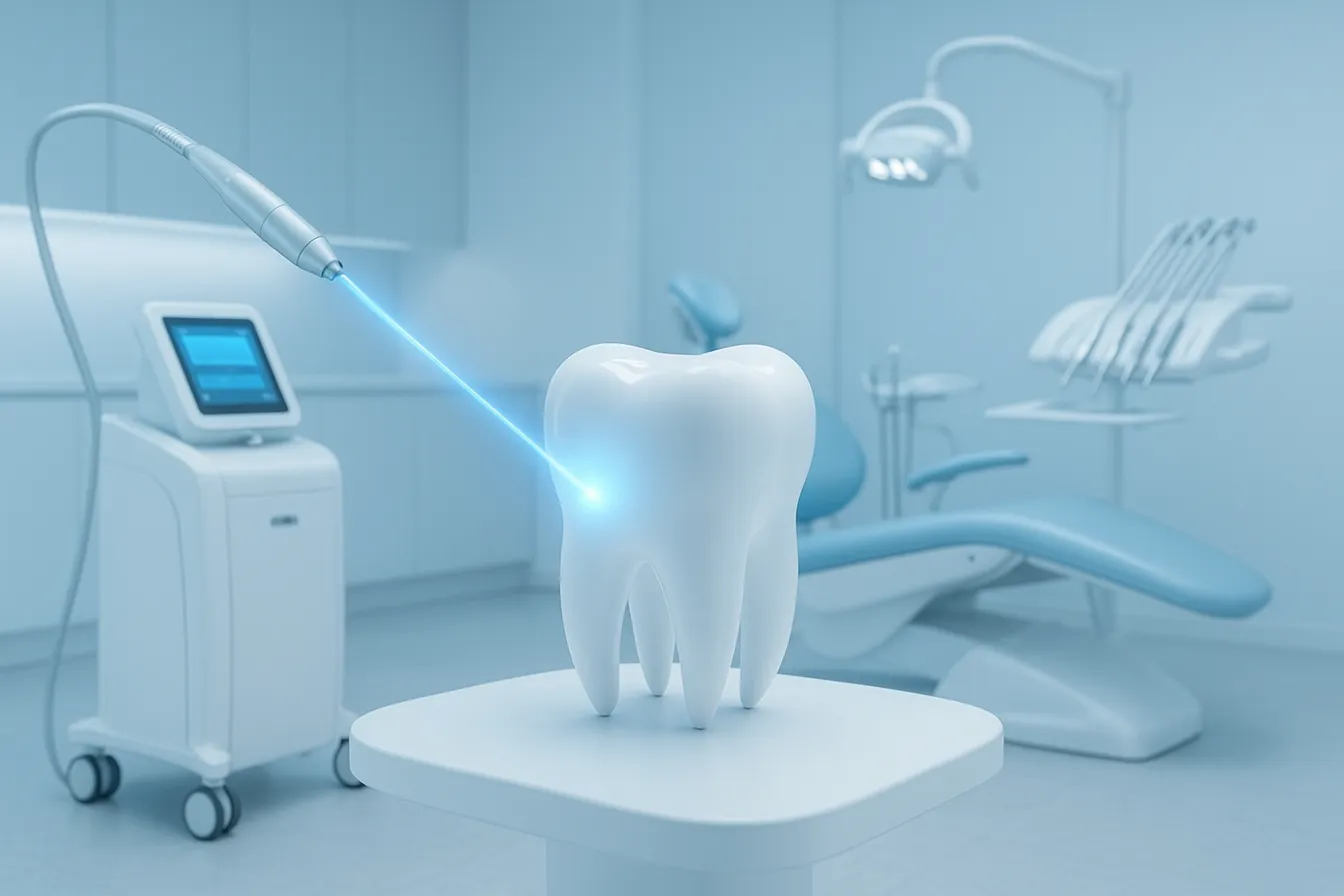
Modern dental technologies, such as lasers and digital scanning, enable minimally invasive treatments that are less painful and quicker, making dental care more pleasant for young patients.
Dental professionals play a crucial role in educating families about Teaching Kids Good Oral Hygiene Habits and preventive measures while fostering a nurturing environment during appointments. This educational partnership empowers parents and children to take an active role in oral health maintenance.
Establishing a trusting relationship through gentle care sets the foundation for the child’s lifelong dental health, encouraging regular visits and positive attitudes toward Children's oral health.
Good oral health begins before the first tooth even appears. Gently wiping a baby’s gums with a moist cloth and then advancing to brushing twice daily with fluoride toothpaste once teeth emerge establishes critical habits early on. Consistency in these routines helps reduce cavity risk and sets a foundation for lasting dental health.
Regular dental visits starting by age one offer opportunities for early problem detection and preventive treatments like fluoride varnishes and sealants. Dental professionals work alongside pediatricians to assess risk and provide care tailored to each child’s needs, ensuring comprehensive support.
Parents and caregivers play a vital role by supervising brushing and flossing until children can do it effectively on their own, typically around ages 7 to 10. Community water fluoridation and educational outreach further support children’s oral health by providing accessible preventive measures.
As children grow, maintaining twice-daily brushing, limiting sugary snacks and drinks, and attending regular dental check-ups remain essential. Encouraging children through fun brushing activities and positive reinforcement helps sustain these habits for a lifetime of healthy smiles.