Even more knowledge

Preventive dentistry focuses on maintaining oral health by preventing dental problems before they develop. It combines professional care with at-home practices to protect teeth and gums. This approach aims to minimize the risk of cavities, gum disease, and other oral conditions.
Preventive dentistry involves several routine practices:
Preventive dentistry benefits individuals at all stages of life:
Emphasizing these preventive measures can lead to healthier smiles, lower treatment costs, and improved overall well-being throughout life.

Preventive dentistry encompasses a range of practices designed to maintain optimal oral health and prevent dental problems like cavities, gum disease, and tooth decay. It starts early in life and continues across all ages to reduce the need for invasive treatments.
Regular dental visits, typically every six months, are crucial. Dentists perform thorough exams to detect early signs of issues such as cavities, gum disease, oral cancer, and enamel erosion. Professional Dental Cleanings — deposits that cannot be eliminated by brushing or flossing alone — reducing risks of decay and gum problems while promoting fresher breath.
Fluoride treatments strengthen tooth enamel, helping to prevent decay and reverse early damage. These are particularly effective for children, teens, and adults with higher cavity risk. Dental sealants for children are protective coatings applied mainly on molars’ chewing surfaces, where deep grooves are susceptible to cavities. Sealants are especially effective in children and teens, reducing cavity occurrence by up to 80%.
Proper oral hygiene daily habits at home form the foundation of preventive dental care. Brushing twice a day with fluoride toothpaste removes plaque and strengthens enamel. Flossing once daily clears plaque and food particles from between teeth where brushes can't reach. Using an antibacterial mouthwash can further reduce harmful bacteria and support gum health.
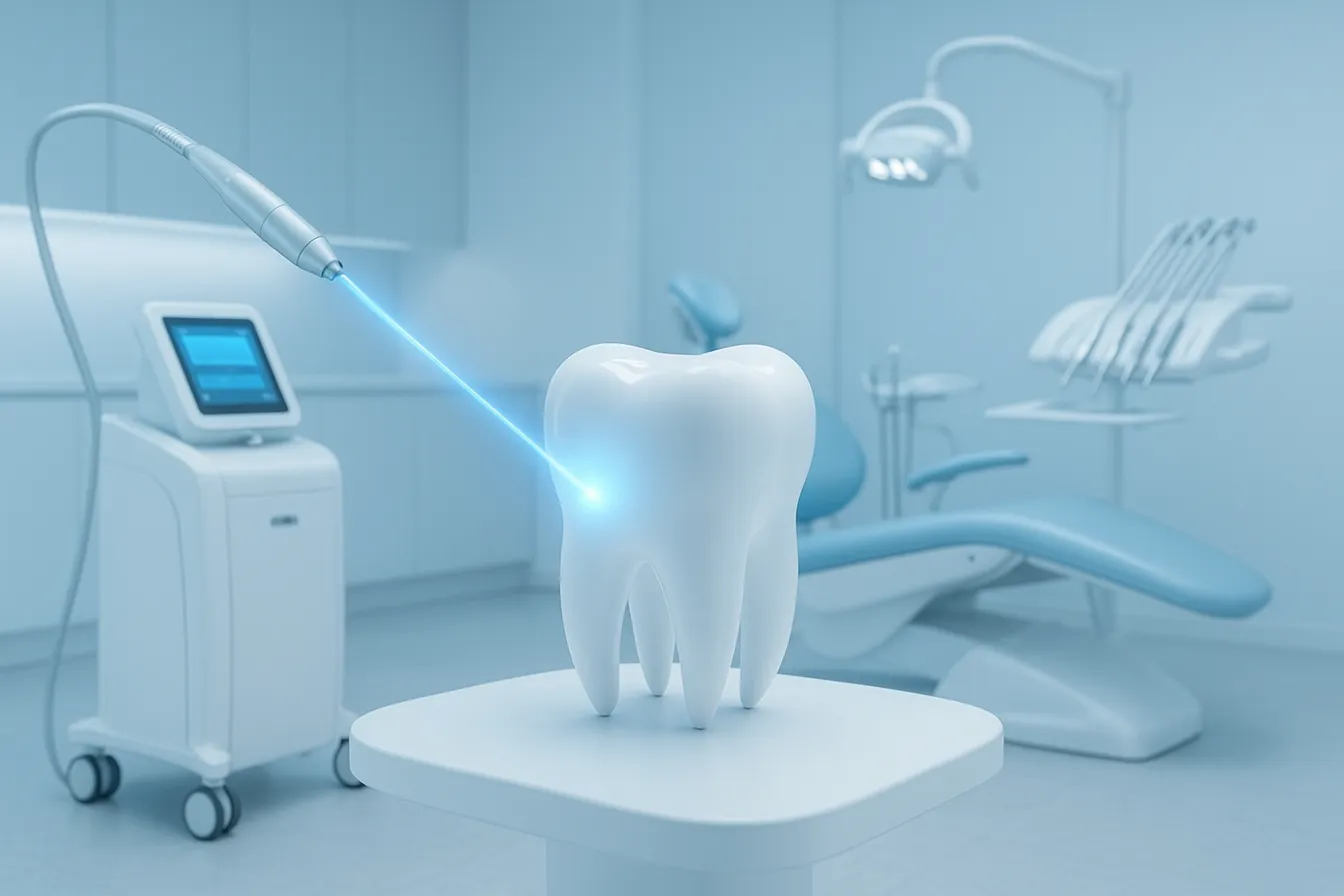
Advanced tools such as Digital X-rays in dentistry, intraoral cameras, and laser diagnostics enable early detection of dental problems before symptoms appear. These technologies help dentists diagnose conditions like cavities, gum disease, and oral cancer promptly, enabling less invasive and more effective treatment.
Maintaining a Balanced Diet for Oral Health, limiting sugary and acidic foods, avoiding tobacco, and drinking plenty of water complement these preventive measures. Preventive dental care is supported by most dental insurance plans in the U.S., offering significant Benefits of preventive dentistry for oral and overall health across all life stages.

An effective oral hygiene routine involves several essential steps to keep your teeth and gums healthy. Begin by brushing teeth twice daily for at least two minutes each time. Use a soft-bristled toothbrush and fluoride toothpaste, angling the brush at 45 degrees toward the gums to effectively remove plaque. Don't forget to gently brush your tongue to eliminate bacteria that cause bad breath.
Daily flossing is equally important. Use about 18 inches of floss, winding it around your fingers and curving it into a C-shape to slide under the gumline and clean between teeth where a toothbrush can't reach. For those with braces or dental prosthetics, a water flosser can be a helpful alternative.
Incorporate an alcohol-free fluoride mouthwash after brushing and flossing to reduce harmful bacteria, freshen breath, and strengthen tooth enamel. Combine these habits with regular dental checkups every six months for professional cleanings and early detection of any issues.
Your diet greatly impacts your oral health. Limit sugary and acidic foods and beverages, as these contribute to plaque formation and enamel erosion, which lead to cavities and tooth sensitivity. After consuming acidic foods, rinsing your mouth with water helps neutralize harmful acids. A balanced diet rich in fruits, vegetables, whole grains, calcium, and vitamin D supports strong teeth and healthy gums. Staying well hydrated promotes saliva production, which naturally protects and remineralizes tooth enamel.
Avoid tobacco products because smoking and chewing tobacco increase risks of gum disease, oral cancer, and tooth loss. Maintaining hydration and minimizing alcohol consumption also strengthen your mouth’s natural defenses. Together, these habits contribute to a confident smile and improved overall health.

For adults, maintaining gum health is crucial to prevent gum disease, a leading cause of tooth loss. Daily brushing twice with fluoride toothpaste, flossing to remove plaque between teeth, and cleaning the tongue help reduce harmful bacteria. Limiting sugary foods and tobacco use, staying hydrated, and consuming a balanced diet contribute to a healthier mouth. Regular dental check-ups enable early detection of issues like cavities and gum disease, supporting effective management.
Older adults face unique oral health challenges such as dry mouth, bone loss, and higher risks of gum disease. Aging and certain medications reduce saliva production, increasing vulnerability to decay and infections. Seniors should work with their healthcare providers to manage dry mouth and receive more frequent dental visits, especially if they have chronic conditions like diabetes or heart disease. Nutritional adjustments with increased calcium and vitamin D intake also support bone density and oral health.
Pregnant women are at increased risk for cavities and gum disease due to hormonal changes, which can affect both mother and baby's health. They should maintain good oral hygiene and regular dental visits. Individuals with chronic diseases such as diabetes or heart disease have higher oral health risks and may experience more severe complications. Managing these conditions alongside preventive dental care helps reduce oral health problems and supports overall well-being.
Maintaining good oral health as an adult involves consistent daily habits like brushing twice a day with fluoride toothpaste, flossing, and cleaning the tongue to reduce bacteria. Eating a balanced diet low in sugar, staying hydrated, and avoiding tobacco and excessive alcohol are essential. Regular dental visits—at least once yearly—ensure professional cleanings and early detection of problems such as cavities or gum disease. Special attention to dry mouth and medication effects, especially in older adults and those with chronic diseases, helps prevent complications and sustain oral health.

Preventive dental insurance commonly covers routine dental checkups essential for maintaining oral health. These benefits typically include regular dental exams, professional cleanings, and routine X-rays. For children, many plans extend coverage to fluoride treatments, dental sealants, and oral health education aimed at fostering good habits early.
Most dental insurance plans in the United States cover these preventive services at 100% when using in-network providers, eliminating out-of-pocket expenses for patients. This comprehensive coverage supports early detection of cavities, gum disease, and other issues, which can reduce the need for more invasive and costly procedures later.
Cosmetic dental procedures or orthodontic care are not usually included under preventive coverage and may require separate insurance plans or out-of-pocket payments.
The CDC promotes various community-based programs that play a significant role in dental disease prevention across the United States. Water fluoridation is a cost-effective public health measure that adds fluoride to community water supplies, benefiting large populations by reducing tooth decay on a broad scale.
School-based sealant programs provide protective coatings on children's molars, especially in low-income areas. These sealants significantly reduce cavities in hard-to-clean areas of teeth and have been shown to improve oral health outcomes and save millions in dental treatment costs.
Together, these programs help address inequalities in dental care access and improve overall community oral health.
Preventive dental care yields substantial cost savings by reducing the need for extensive dental treatments. Routine dental visits can save between $8 and $50 for every dollar spent on preventive care by avoiding expensive restorative procedures such as root canals, crowns, or extractions.
Moreover, better preventive care leads to fewer emergency room visits related to dental problems, which are costly to the healthcare system. The US experiences over 2 million dental emergency visits annually, costing Medicaid nearly $1,000 per visit.
Through wider adoption of preventive measures, including insurance coverage and community programs, the nation could save billions in dental treatment expenses while improving public oral health.
| Topic | Details | Additional Notes |
|---|---|---|
| Insurance Coverage | Exams, cleanings, X-rays, fluoride, sealants (for kids) | Typically full coverage using in-network providers |
| Community Prevention Programs | Water fluoridation, school sealant initiatives | Reduce cavities, especially benefiting low-income communities |
| Economic Benefits | Saves $8–$50 per dollar spent, reduces ER visits (~2 million/year) | Significant healthcare and productivity cost savings |

Preventive Dentistry offers significant long-term advantages by enabling the Early Detection of Cavities. Through Regular Dental Check-ups and professional cleanings, dental issues can be identified and managed before they advance to more serious conditions.
Maintaining Good Oral Health Importance is closely linked with overall systemic health. Untreated dental problems can increase risks for Heart Disease and Oral Health, Diabetes and Oral Care, Respiratory Infections and Dental Issues. Preventive dentistry helps reduce these risks by controlling harmful oral bacteria associated with systemic inflammation and chronic disease.
By addressing dental problems early, Benefits of Preventive Dentistry limits the need for extensive and expensive procedures such as root canals, gum surgeries, or tooth replacements. This early intervention lowers preventive dental care benefits and avoids discomfort and prolonged treatment.
A healthy smile achieved through Benefits of Preventive Dentistry enhances confidence, enabling individuals to Confident Eating, Speaking, and Smiling. This positively impacts social interactions, emotional well-being, and overall quality of life.
Regular preventive dental care combines professional services with Proper oral hygiene, making it essential for sustaining oral health and boosting overall well-being throughout life.
Preventive dentistry is grounded in daily disciplined habits and routine professional care. Brushing twice daily with fluoride toothpaste, flossing once daily, and using antibacterial mouthwash reduce plaque and bacteria buildup effectively. Coupled with a balanced diet rich in fruits, vegetables, and whole grains, while limiting sugary and acidic foods and drinks, these habits preserve tooth enamel and gum health.
Regular dental visits every six months allow early detection and treatment of issues such as cavities, gum disease, and oral cancer. Professional cleanings remove plaque and tartar beyond what home care can achieve, while fluoride treatments and dental sealants offer additional protection, especially for children.
Committing to routine dental check-ups enforces a proactive approach to preserving oral health. Dentists tailor preventive strategies based on individual risks, including special care for older adults facing challenges like dry mouth or bone loss. Avoiding tobacco and managing systemic health conditions like diabetes further enhance outcomes.
Investing in preventive dentistry leads to fewer invasive treatments, lower long-term costs, and enhanced overall well-being. Good oral health supports confident eating, speaking, and social interactions, enriching quality of life. Moreover, maintaining a healthy mouth reduces risks of systemic diseases such as heart disease and diabetes, making preventive dentistry a cornerstone of holistic health and confidence across all ages.