Even more knowledge

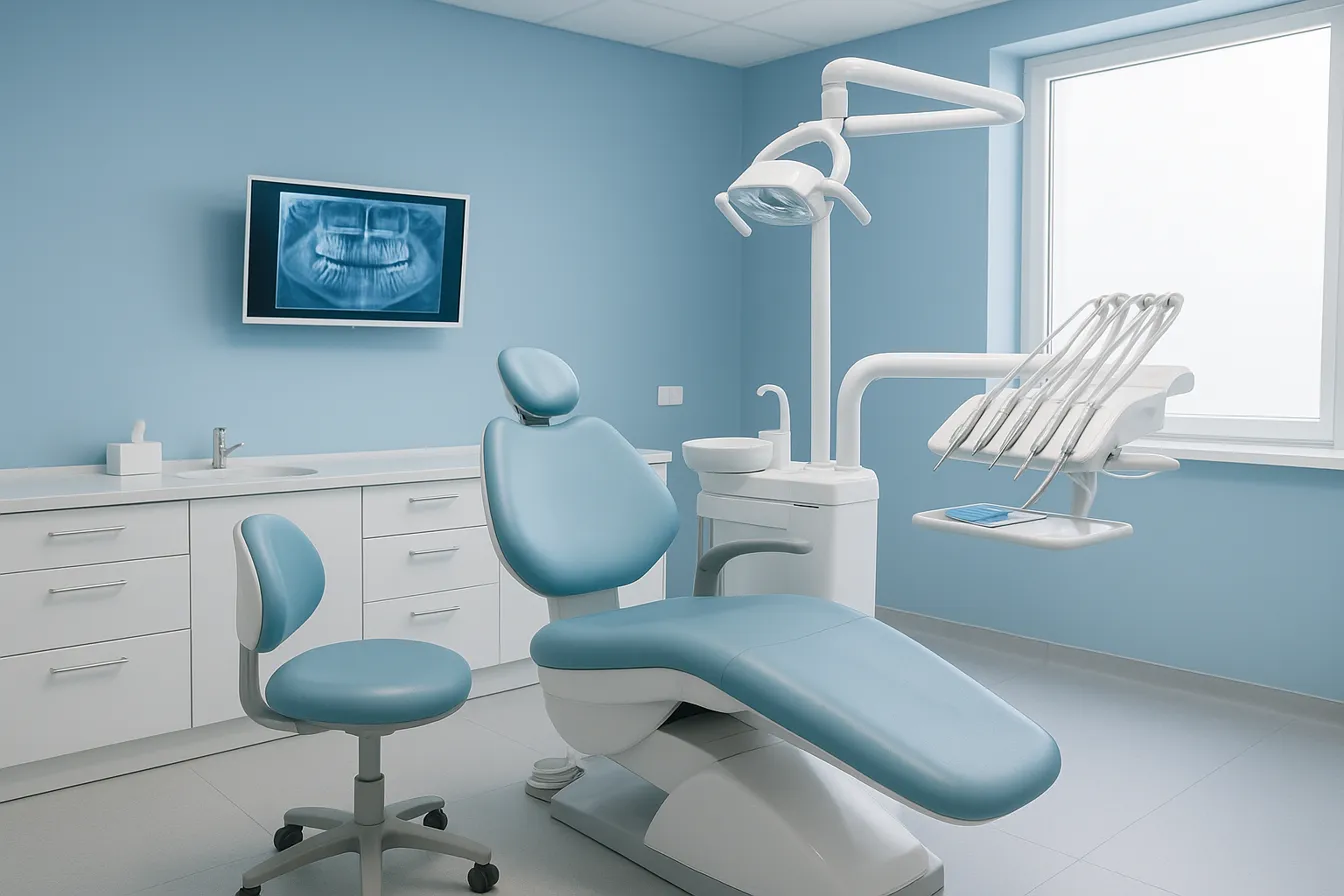
Patient-first dentistry places the patient’s needs, preferences, and concerns at the heart of all dental care decisions. It means treating patients as individuals, respecting their values, and involving them actively in their treatment planning. This approach fosters trust and open communication between patients and dental professionals.
Personalized dental care tailors treatment plans to the unique dental health, medical history, lifestyle, and goals of each patient. This customization ensures more effective treatments, promotes preventive measures, and enhances patient comfort—especially for those with dental anxiety. By focusing on individual needs, dentists can build stronger partnerships, improving adherence and long-term results.
Patient-centered care leads to better health outcomes, higher patient satisfaction, and a more positive dental experience. It encourages continuity of care with consistent dental teams, which reduces anxiety and builds rapport. This approach also emphasizes education on oral hygiene and lifestyle, which empowers patients to actively manage their oral health. Integrating advanced technology and empathetic communication further improves diagnostic accuracy and treatment effectiveness, making dental visits more comfortable and productive.
Dentistry is grounded in core ethical principles designed to ensure patient well-being. These include patient autonomy, nonmaleficence (do no harm), Principle of beneficence in dentistry (promoting good), justice, and veracity (truthfulness). According to the American Dental Association (ADA) Code of Ethics, dentists must prioritize patients by involving them in decisions, maintaining confidentiality, and offering honest treatment information and fee transparency. Equity in treatment without discrimination is essential, as is working within professional qualifications and continuous self-regulation. Together, these principles maintain trust and uphold high care standards.
Nonmaleficence means avoiding harm to patients. This principle requires dentists to maintain current skills, seek expert advice when needed, and delegate responsibly to qualified staff to prevent patient injury. Dentists must avoid practicing while impaired and disclose treatment risks clearly to patients. While some harm may be unavoidable in treatments, it is ethically justified only if it leads to greater health benefits, such as pain relief or oral health restoration. By emphasizing patient safety and respect, nonmaleficence reinforces ethical dental care.
Yes. Regulatory bodies like the GDC principle one set standards that promote Patient-centered care in dentistry. These emphasize listening to patients, respecting their dignity, and considering their holistic health needs. Dental professionals must act with honesty and fairness, ensuring treatments serve the patient's best interests rather than personal or financial gain. They are also responsible for providing care in hygienic, safe environments and complying with laws. Following these standards safeguards professionalism, patient trust, and quality in dental practice worldwide.
Patient-centered care in dentistry means delivering care that respects and responds to the unique preferences, needs, and values of each patient. It places the patient at the core of clinical decisions, ensuring treatments are tailored not just to their dental condition but also their lifestyle and personal goals. This approach goes beyond traditional treatment by considering patients as whole individuals, fostering empathy and respect throughout the care process.
Shared decision-making is a central element of patient-centred care in dentistry. It involves collaboration between dentists and patients to choose the best treatment options together. By engaging patients in discussions about their dental health, risks, and alternatives, dentists empower them to make informed choices. This transparency builds trust and promotes patient autonomy, leading to better acceptance and adherence to treatments.
Implementing PCC has been shown to improve treatment outcomes and increase patient satisfaction significantly. When patients feel heard and involved, they are more likely to follow care recommendations and maintain oral health practices. PCC can reduce anxiety by fostering a comfortable environment and enabling ongoing communication. Furthermore, it cultivates lasting relationships between patients and their dental team, supporting preventive care and long-term wellness.
| Aspect | Description | Benefit |
|---|---|---|
| Individualized Care | Tailoring treatments to patient preferences, history, and lifestyle | More effective and comfortable treatments |
| Empathy and Respect | Recognizing the patient's broader context and emotional needs | Builds trust, reduces anxiety |
| Collaborative Decisions | Engaging patients in treatment planning | Increased patient autonomy and compliance |
| Continuous Communication | Clear explanations and ongoing dialogue | Better understanding and satisfaction |

Involving patients directly in their oral care plans greatly improves their understanding of personal dental needs and fosters a sense of ownership. This collaboration encourages adherence to Customized Treatment Plans and preventive measures, which can reduce risks of cavities, gum disease, and other complications.
Effective communication is essential for patient empowerment. Dental professionals explain procedures, risks, and options clearly, ensuring patients are well informed. This education is tailored to individual lifestyles and medical histories, enhancing patients’ ability to maintain oral hygiene and make informed decisions through Effective communication in dental care.
Creating a Personalized dental care plan involves assessing unique health conditions and preferences. This approach allows for preventive care, early detection of issues, and adaptable treatment strategies that align with patients' goals. Regular follow-up visits enable progress reviews and necessary plan adjustments, ensuring sustained oral health.
This Patient-centered dental practice model not only boosts trust and satisfaction but also improves clinical outcomes by promoting active patient participation and lifelong oral health management.
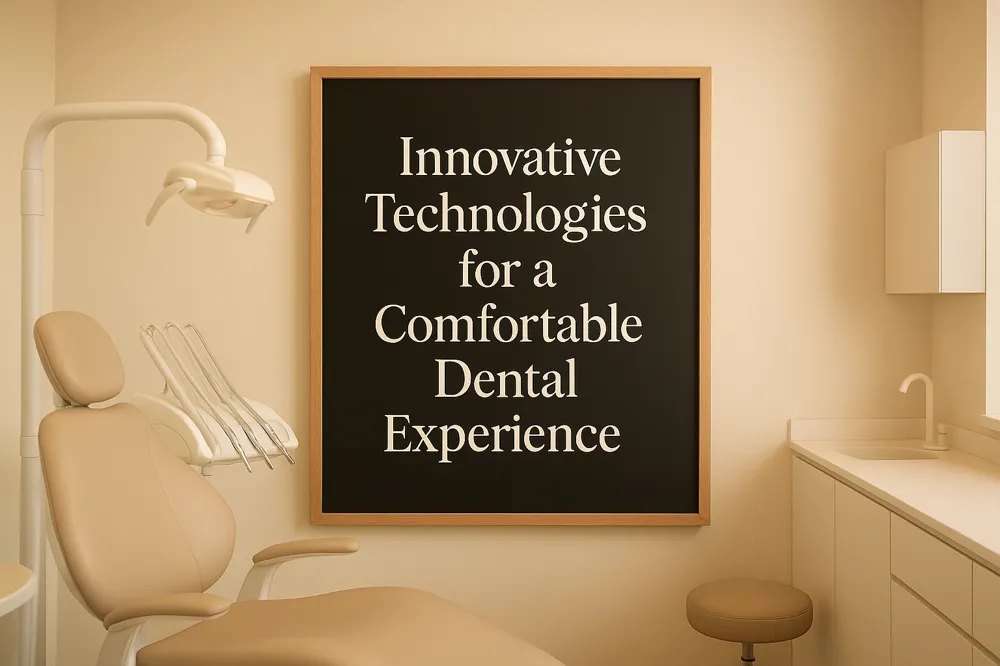
Modern dental clinics are increasingly integrating state-of-the-art technologies to improve patient care and comfort. Tools such as digital imaging in dentistry, digital and panoramic X-rays, intraoral cameras, and 3D scanners like iTero scanner Staten Island and CBCT scanner Staten Island enable dentists to perform highly detailed and accurate assessments. These technologies facilitate early detection of dental issues, which can significantly reduce the need for invasive procedures.
Moreover, AI systems like Overjet AI dental technology support precise diagnosis and personalized treatment planning. The use of laser dentistry benefits and sedation options such as IV sedation in dental treatments further minimize discomfort during procedures, making treatments more tolerable, especially for anxious patients.
Addressing dental anxiety is a priority in many modern practices. Clinics invest in creating sensory-friendly environments featuring soft lighting, soothing music, and child-friendly spaces to help patients relax. Staff training in communication and emotional intelligence also plays a vital role in fostering a comforting atmosphere.
For patients facing barriers like transportation or cost, mobile clinics, teledentistry services, and flexible payment options including dental membership plans help increase accessibility. Dental practices often schedule longer or more flexible appointment hours, such as evenings and weekends, to accommodate busy lifestyles.
A welcoming, patient-centered dental practice environment emphasizes transparent pricing and clear explanations about procedures and treatment options. This transparency builds trust and empowers patients to engage actively in shared decision-making concerning their oral health.
Personalized care plans consider individual medical history, lifestyle, and personal preferences, fostering a collaborative dentist-patient relationship. Such communication reduces anxiety and enhances adherence to preventative and therapeutic regimens.
Prospective patients facing difficulty finding dentists accepting new patients should start by contacting local dental offices directly for appointment availability, as many update regularly. Checking dental office websites can reveal current patient intake status. Insurance provider directories and local dental societies offer valuable listings of in-network providers welcoming new patients. Community health centers may also assist in connecting patients with suitable dental care.

A strong dentist-patient relationship is fundamental in providing effective dental care. Open communication helps dentists understand patient concerns, preferences, and individual needs. This Personalized Approach to Dental Care not only improves treatment outcomes but also builds trust and reduces dental anxiety. Practices like UCSF School of Dentistry educational programs focus on consistent mentorship and teamwork, while others emphasize patient education and empathy to engage patients more deeply.
Dentists hold ethical responsibilities to prioritize patient welfare, promote public health, and maintain professionalism. Community service is an important extension of this commitment, helping to elevate the profession and improve access to care. The American Dental Association encourages practitioners to engage in community outreach, safeguarding public health while fostering trust and respect within communities. This includes the Principle of beneficence in dentistry that underlines dentists' duty to promote patient welfare and ethical obligations across all practice types.
Effective strategies for attracting new patients include:
Such patient-first care emphasizes patient-centered care in dental treatment, all contributing to patient retention and a growing patient base. This approach is evident in practices like Galligan & Villa Dental Studio and Personalized Approach to Dental Care, where relationship-building is key.
Patient-centered care is increasingly recognized as essential in dental practice, placing patients’ needs, values, and preferences at the forefront of all treatment decisions. This approach fosters trust through effective communication, empathy, and shared decision-making, resulting in better treatment outcomes and higher patient satisfaction. Ethical dental care ensures respect for individual dignity, fairness without discrimination, and honest communication about options and risks. Dentists have a duty to provide timely, safe, and competent care, acting always in the best interest of their patients while maintaining professional integrity.
Looking ahead, dentistry is embracing a future where personalized care seamlessly integrates with innovative technologies. Dental education and practice are evolving to incorporate data-driven tools like real-time clinical dashboards, digital imaging, and AI-assisted diagnostics that enhance precision and patient engagement. Customized treatment plans are no longer one-size-fits-all but are tailored based on comprehensive medical histories, lifestyle factors, and patient preferences. Advances such as teledentistry and minimally invasive procedures improve accessibility and comfort, while technology aids early detection and prevention. This fusion of personalized care and cutting-edge technology promises to elevate oral health outcomes and patient experiences across the dental profession.