Even more knowledge

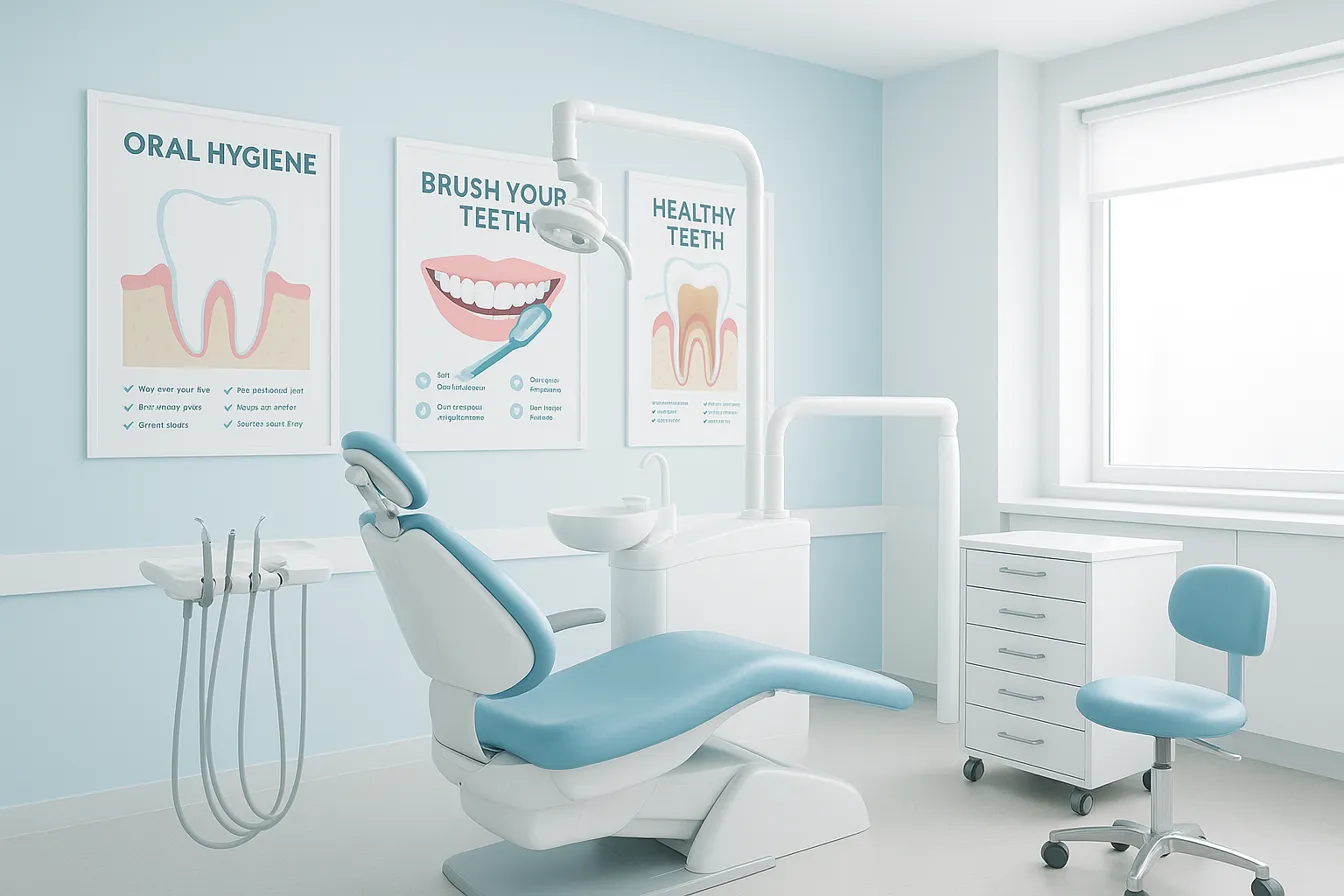
Maintaining good oral hygiene is essential not only for healthy teeth and gums but also for overall systemic health. Poor oral health has been linked to serious health conditions such as cardiovascular disease, diabetes complications, stroke, respiratory illnesses, and pregnancy issues. Regular brushing, flossing, and dental visits help reduce the risk of these systemic problems by controlling harmful bacteria in the mouth.
Oral diseases affect people at every stage of life. More than 40% of adults report oral pain annually, and over 80% have had cavities by age 34. In children, cavities remain the most common chronic childhood disease, with more than half of young children experiencing tooth decay. Older adults face increased risks such as gum disease, tooth loss, and oral cancers, partly due to aging and chronic conditions.
Starting oral health education early is critical to lifelong oral wellness. Caregivers should begin oral care even before the first tooth appears by cleaning infants’ gums gently. Introducing brushing with fluoride toothpaste when teeth emerge and supervising children until they master proper technique fosters good habits. Early dental visits, ideally by the first birthday, help establish a "dental home" and allow for timely preventive care. Educational activities and positive reinforcement encourage children to maintain oral hygiene habits that last into adulthood.
Building strong foundations through education and routine care combats oral disease prevalence and supports overall health throughout life.

Good oral health starts before your child's first tooth appears. Gums should be gently cleaned with a soft, damp cloth after feedings to remove bacteria. Once the first tooth erupts, usually around six months, begin brushing twice daily with a small, soft-bristled toothbrush and a tiny smear of fluoride toothpaste.
Fluoride plays a vital role in strengthening tooth enamel and preventing cavities. Fluoride can be provided through toothpaste, fluoridated water, or professional fluoride varnish applications, which can reduce cavities by about one-third in primary teeth. Additionally, dental sealants applied to back teeth can prevent up to 80% of cavities for many years.
Parents should supervise and assist children’s brushing until about age six to eight to ensure effective cleaning. Flossing should begin as soon as two teeth touch, and parents can help until children are proficient. Establishing consistent routines and making brushing fun can encourage lifelong habits. These practices align with oral hygiene best practices and oral health tips for children.
The American Academy of Pediatric Dentistry recommends the first dental visit by the child's first birthday or when the first tooth appears. Early visits allow for cavity detection, assessment of developmental issues, and familiarizing the child with dental care, building comfort and trust. Guidance can be found in early dental care for infants and first dental visit recommendations.
Limiting sugary drinks and snacks, especially avoiding putting children to bed with bottles of milk or juice, reduces cavity risk. Encouraging water or milk as primary drinks and a balanced diet rich in fruits, vegetables, and calcium supports strong teeth. Avoiding sharing items like pacifiers helps reduce bacteria transmission. For more, see tips for improving children's teeth health and nutrition and oral health for children.
During routine general and family dentistry visits, including for children, dentists perform thorough oral examinations checking for cavities and gum health. Professional cleanings remove plaque and tartar buildup. Preventive education and reinforcement of healthy habits are provided to support sustained oral health. These early visits help detect problems early and build a 'dental home' for the child.
Adults frequently face common adult oral health problems including cavities, gum disease, tooth loss, and oral cancer. Over 40% of adults report mouth pain statistics annually, and more than 80% will experience at least one prevalence of cavities by age 34. Chronic conditions such as diabetes, arthritis, and heart disease increase vulnerability to these issues. Aging also brings challenges like reduced saliva production and receding gums, further raising risks.
Brushing twice daily with fluoride toothpaste is essential to Proper oral hygiene practices to remove plaque, strengthen enamel, and prevent tooth decay. Daily flossing importance cleans areas between teeth that brushing misses, reducing gum inflammation and cavities. Using a soft-bristled toothbrush and proper technique helps protect sensitive gums. For older adults, incorporating tools such as interdental brushes or water flossers can aid effective cleaning.
Annual dental checkups enable early detection of cavities, gum disease, and oral cancers. Dentists provide professional cleanings that remove hardened plaque (tartar) and assess oral health comprehensively. Screenings for oral cancer become particularly important as risk increases with age. Even denture wearers should Regular Dental Visits Recommendations and professional care to prevent infections.
Tips for dry mouth relief, common among those taking certain medications or with chronic illnesses, include staying hydrated, chewing sugarless gum, and avoiding tobacco and alcohol. Tobacco use and excessive alcohol consumption significantly elevate the risk of oral and throat cancers as well as gum disease. Managing chronic diseases like diabetes through medical care while maintaining oral hygiene reduces complications and tooth loss.
Pregnant women are more prone to Pregnancy and Oral Health Risks, conditions that may impact the baby's health. Maintaining diligent oral hygiene, including brushing and flossing, and Oral Hygiene in Pregnancy with dentist visits before delivery are advised. Early intervention and education can help prevent pregnancy-related oral health problems.
Personalized care adapts treatment plans to each individual's specific health status and risk factors, such as pregnancy or chronic conditions. This tailored approach fosters better adherence to oral hygiene practices and preventive care recommendations. By focusing on individual needs, personalized dental care reduces complications, improves overall outcomes, and supports long-term oral and systemic health.

As people age, Oral Health Guide for Older Adults often declines, leading to common issues such as cavities, gum disease, and tooth loss. In fact, 96% of adults aged 65 and older have experienced cavities, and two-thirds suffer from gum disease. These problems may be exacerbated by physical limitations that make Proper oral hygiene practices for older adults more difficult and natural changes such as reduced saliva production.
Many older adults take medications that cause dry mouth, a condition reducing saliva flow. This dryness increases the risk of tooth decay and oral infections since saliva normally helps protect teeth and gums. Managing dry mouth involves staying hydrated, chewing sugarless gum, and avoiding tobacco and alcohol. Learn more about Managing dry mouth in older adults.
For those wearing dentures, daily cleaning is essential to prevent fungal infections and inflammation. Dentures should be removed at night and cleaned thoroughly each day. Seeking professional advice for fitting and oral care aids helps maintain comfort and oral health. For detailed guidelines, see oral health care during pregnancy and Caregiver's Guide to Dental Health.
A diet rich in calcium and vitamin C supports strong teeth and healthy gums. Calcium sources include low-fat milk, yogurt, cheese, and fortified plant-based milk, while vitamin C can be found in citrus fruits, broccoli, peppers, and spinach. Balanced nutrition aids in preventing bone loss and gum disease. For nutritional advice related to senior oral health, see Oral Health Guide for Older Adults.
Older adults should visit the dentist at least once a year for comprehensive oral health screenings, including checks for cavities and oral cancer. Early detection through regular exams can greatly improve treatment outcomes and preserve oral function into later life. Read more about the importance of annual dental visits for older adults and Regular dental checkups for seniors.
Choosing a comprehensive dental and orthodontic practice offers several benefits. Patients enjoy convenience by receiving a wide range of services under one roof, which streamlines appointments and coordination. These practices deliver personalized treatment plans tailored to each individual's functional and aesthetic needs. The integration of modern technology and techniques ensures high-quality care, improving overall oral health and boosting patient confidence.
Gentle dentistry employs advanced technologies to enhance patient comfort and treatment outcomes. Common technologies include digital imaging for precise diagnostics, laser treatments to minimize invasiveness, CAD/CAM restorations for same-day crowns and veneers, and sedation methods that reduce anxiety and discomfort. These cutting-edge tools improve precision, accelerate healing, and create a more pleasant dental experience. For more on Proper oral hygiene practices and advanced dental care, see this resource.
Cosmetic treatments commonly available in comprehensive practices focus on improving smile aesthetics and self-esteem. These include professional teeth whitening, application of porcelain veneers, composite bonding to repair minor imperfections, and tooth contouring. Orthodontic options like Invisalign® clear aligners and traditional braces are also offered to refine alignment and create a harmonious smile. For details on Dental care for every age including orthodontics and cosmetic dental services, the linked article is informative.
Orthodontic treatments provide health benefits that extend well beyond an improved smile. By properly aligning teeth, these treatments make oral hygiene easier and more effective, reducing risks of cavities and gum disease. Correcting bite issues through braces or Invisalign® can alleviate jaw pain and temporomandibular joint (TMJ) disorders. Ultimately, they promote better long-term oral function and overall oral health. Learn more about Oral health tips for adults including orthodontics and preventive care.
Comprehensive dental practices offer full-spectrum care including preventive services like cleanings and screenings, restorative treatments such as fillings and crowns, cosmetic procedures to enhance appearance, and orthodontics to address alignment issues. This holistic approach supports lifelong oral health by addressing all aspects of teeth and gum care in a coordinated manner. For a broad overview of Family Dentistry Tips and Essential Oral Health Tips spanning preventive to advanced care, see this resource.
Regular dental check-ups every six months are essential for all ages, with recommended visits typically every six months for most adults. Children should begin dental visits by their first birthday, supporting early detection of issues and establishing lifelong healthy habits. Older adults may require more frequent visits to manage increased risks such as gum disease and oral cancers (Oral health tips for older adults).
Routine visits involve full oral examinations that screen for cavities, gum disease, and oral cancer. Detecting these conditions early allows for more effective treatment and can prevent progression to more severe issues (Proper oral hygiene practices).
Dental professionals provide personalized education during visits, emphasizing twice-daily brushing with fluoride toothpaste, daily flossing, balanced nutrition low in sugary foods, and lifestyle modifications such as avoiding tobacco and limiting alcohol (Oral health tips for adults).
For individuals with physical or cognitive limitations, dentists and caregivers work together to adapt oral hygiene routines and provide assistance or tools like floss holders and water flossers to maintain effective care (Caregiver's Guide to Dental Health).
Preventive dental care reduces the need for invasive procedures, lowering treatment costs and improving overall oral and systemic health outcomes (Routine professional dental cleanings.
Comprehensive dental visits typically include thorough oral exams, professional cleanings, screenings for oral cancers and cavities, patient education, and tailored discussions about treatment or prevention options based on individual health needs (Family dentistry tips).
Maintaining good oral health is crucial at every stage of life, as it directly impacts overall wellness. Starting early, hygienic habits such as twice-daily brushing with fluoride toothpaste and daily flossing build a strong foundation.
Comprehensive dental care should be tailored to individual needs, factoring age, health conditions, and dental history. Modern tools like interdental brushes and water flossers enhance plaque removal for those with special requirements.
Consistency in daily oral hygiene combined with regular dental visits—at least annual for most, more frequent if needed—enables early intervention. Preventive care including professional cleanings, fluoride use, and oral cancer screenings sustains healthy smiles and overall health throughout life.