Even more knowledge

Regular visits to the same dentist ensure continuous monitoring of your oral health. This consistency allows for personalized treatment plans that are tailored to your unique dental history and needs. Having up-to-date digital records helps your dentist quickly identify changes and prevent serious dental problems before they develop.
A lasting relationship with your dentist fosters trust, making visits less stressful. Feeling comfortable encourages open communication, so you can ask questions and share concerns without hesitation. Gentle dentistry practices, including friendly staff and pain-reducing techniques, further enhance patient comfort.
With long-term care, dentists can spot early signs of cavities, gum disease, or other issues and act promptly. Preventive measures like cleanings, fluoride treatments, and education on oral hygiene help maintain your health and prevent complex procedures, saving time, discomfort, and money over the years.
Choosing a dental practice that provides a full spectrum of services offers significant comprehensive care for all ages and coordination for patients. Instead of visiting multiple offices, patients receive consistent care in one location, simplifying scheduling and reducing travel time.
Personalized dental treatment plans benefit greatly when specialists collaborate within the same practice. This team approach ensures that care is tailored to each patient's unique history, health needs, and lifestyle, improving the effectiveness of treatments.
Early detection and prevention are enhanced through regular visits to a consolidated practice where all diagnostic tools are readily available. This allows for quicker identification of potential issues, preventing the progression of problems that require complex procedures. This reflects the early detection of dental issues that can be achieved.
Cost and time savings are additional advantages. Patients experience fewer appointments and streamlined treatments, which can lower overall costs. Preventive dental care advantages and timely interventions also reduce the need for expensive restorative work in the future.
In summary, comprehensive dental services under one roof provide convenience, personalized dental care, early detection of dental issues, and cost efficiency. This integrated approach supports long-term oral health and patient satisfaction.
Personalized, patient-centered care in dental practice focuses on tailoring treatment plans to meet each patient's specific needs, preferences, and lifestyle. This creates individualized dental care plans that address unique dental histories and conditions. By doing so, patients are more engaged and motivated to follow through with recommended care, leading to better oral health outcomes.
Effective communication and trust form the foundation of this approach. Patients feel more comfortable discussing concerns and asking questions when there is a relationship built on empathy in patient care and respect. This open dialogue reduces dental anxiety and ensures treatments align with patient expectations and comfort levels, contributing to successful care.
Education and preventive strategies are also crucial. Patient-centered care emphasizes teaching patients about oral hygiene, dietary habits, and lifestyle choices that impact dental health. Such education empowers patients to maintain their oral health proactively, reducing the likelihood of severe issues.
Holistic health considerations are integrated into dental care by acknowledging how systemic conditions like diabetes or heart disease influence oral health. Designers of patient-centered treatment plans consider these factors to provide comprehensive and respectful care, improving both dental and overall health.
This inclusive, communicative approach not only improves patient satisfaction but also enhances the effectiveness and efficiency of dental care. The emphasis on partnership and respect ensures treatment decisions benefit from the full scope of patient input and medical background, fostering long-term health and well-being.
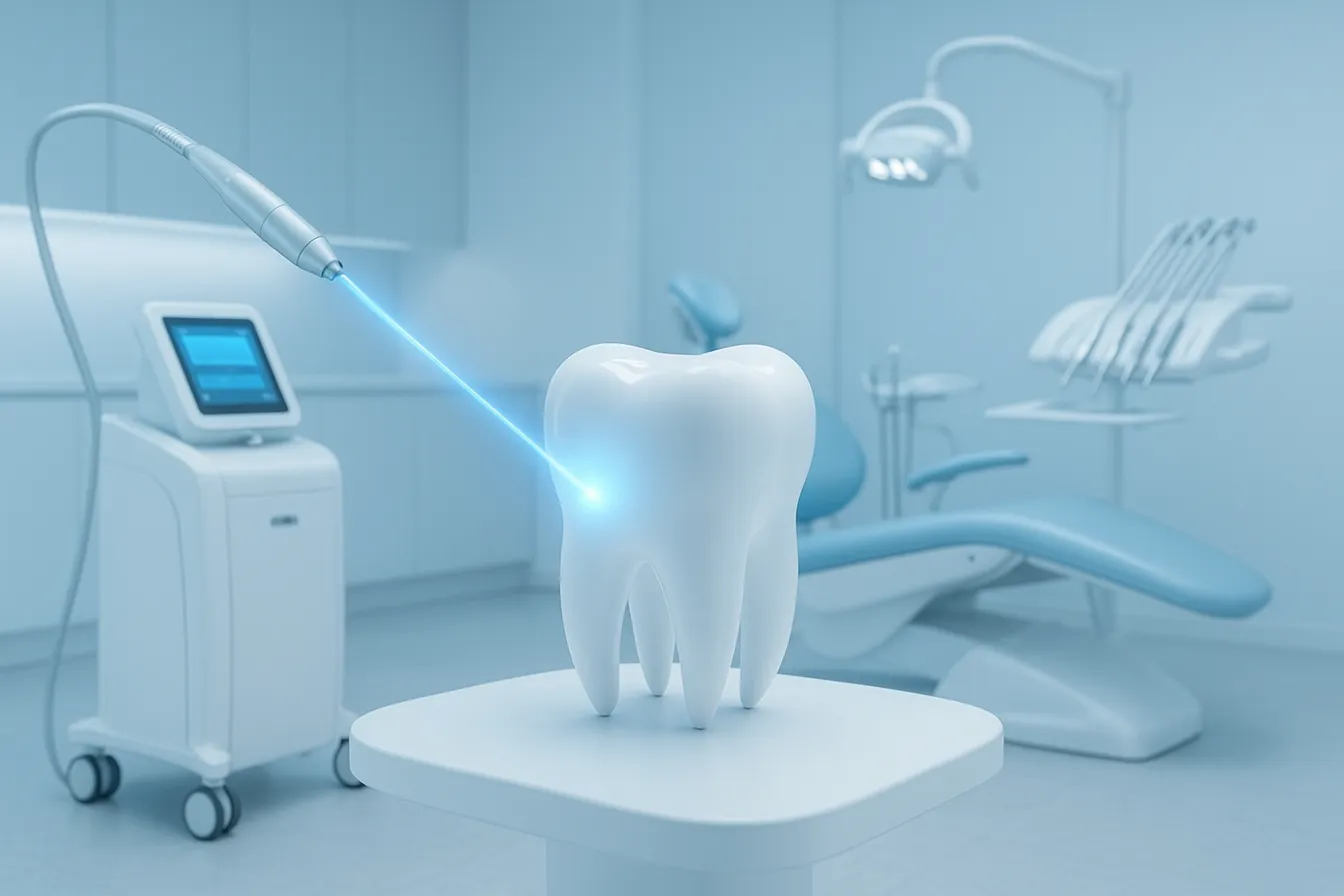
Gentle dentistry significantly improves the patient experience by focusing on Gentle dentistry benefits. This approach uses Minimally invasive dental techniques, such as laser dentistry and advanced digital imaging, which lower pain and shorten recovery times. These innovations limit the need for more invasive procedures, helping anxious patients feel less fearful.
Sedation options like Nitrous oxide sedation and oral sedation are also offered to ease nervousness during treatments. These methods calm patients, making dental visits more manageable and less stressful.
Creating a calming environment is another crucial aspect. Gentle dentistry prioritizes a friendly dental environment with soothing lighting, soft music, and friendly staff communication, all designed to make patients feel at ease.
Together, these factors foster trust in a dentist, encouraging regular dental visits and early detection of dental issues. This long-term dental relationships supports better oral health and reduces dental emergencies, benefiting overall well-being.
Modern dental practices are adopting advanced technologies that significantly improve both patient comfort and treatment outcomes. Digital imaging and 3D scanning provide highly detailed views of teeth and underlying bone structures, facilitating precise diagnosis and tailored treatment planning with less radiation exposure compared to traditional X-rays.
Laser dentistry offers minimally invasive procedures that reduce pain, bleeding, and healing time. Techniques using lasers can treat gum disease, remove decay, or prepare teeth for fillings with greater accuracy and less discomfort.
Sedation advancements, including nitrous oxide (laughing gas), oral conscious sedation, and emerging therapies like NuCalm, help anxious patients relax during dental visits. These methods improve patient experience and make even complex treatments more manageable.
Technologies such as intraoral cameras and digital impression systems enhance communication by allowing patients to see detailed images of their oral health during appointments. This improved understanding empowers patients to participate actively in treatment decisions and reduces dental anxiety.
Collectively, these innovations streamline procedures, quicken recovery, and foster a comfortable environment that supports long-term dental health through patient-centered care.

Creating a welcoming dental office starts with effective communication in dentistry. Dentists explain procedures and costs clearly, using simple, non-technical language to help patients understand their care and build trust. Active listening and showing empathy reduce anxiety and make patients feel heard, while a calming atmosphere—featuring soothing colors, gentle music, and comfortable seating—promotes relaxation.
Advanced, minimally invasive dental techniques and pain management strategies, such as sedation and laser treatments, further enhance comfort. Amenities like blankets and entertainment also contribute to a positive patient experience. Transparent treatment plans that outline all costs upfront empower patients to make confident decisions. Additionally, staff training, minimizing wait times, and gathering patient feedback support continuous improvement.
Both Invisalign® and traditional braces effectively align teeth, but they differ in patient experience and convenience. Invisalign® aligners are nearly invisible, removable, and usually cause less irritation, making them comfortable and discreet—qualities favored especially by adults and teens. However, Invisalign’s success depends on patient discipline in wearing the aligners as prescribed.
Traditional braces provide excellent results, especially for more complex dental issues, and do not rely on patient compliance since they are fixed in place. Although more noticeable and sometimes less comfortable, they remain a dependable orthodontic solution.
Ultimately, the choice between these treatments depends on the individual's needs, lifestyle, and aesthetic preferences. Dentists guide patients towards the best option by considering these factors and ensuring thorough understanding throughout the treatment journey.
Building and maintaining an ongoing relationship with a dentist offers numerous benefits that extend well beyond routine checkups. Regular visits foster personalized care as dentists become familiar with each patient’s unique dental history, allowing for tailored treatment plans that address individual needs effectively. This familiarity also enables early detection of oral health issues, preventing minor problems from escalating into serious conditions.
A trusted dentist-patient connection reduces anxiety by creating a welcoming and comfortable environment. This comfort encourages open communication, helps patients feel informed about their care, and improves adherence to treatments. Such rapport leads to better management of dental conditions, resulting in improved oral health outcomes.
Moreover, consistent dental care contributes to overall health, as good oral hygiene is linked to reduced risks of systemic issues like heart disease and diabetes. Establishing long-term dental relationships also facilitates quicker access to urgent care and more accurate referrals to specialists.
Encouraging patients to engage in ongoing partnerships with their dentists not only supports lifelong oral wellness but significantly impacts general well-being through preventive care and early intervention.