Even more knowledge

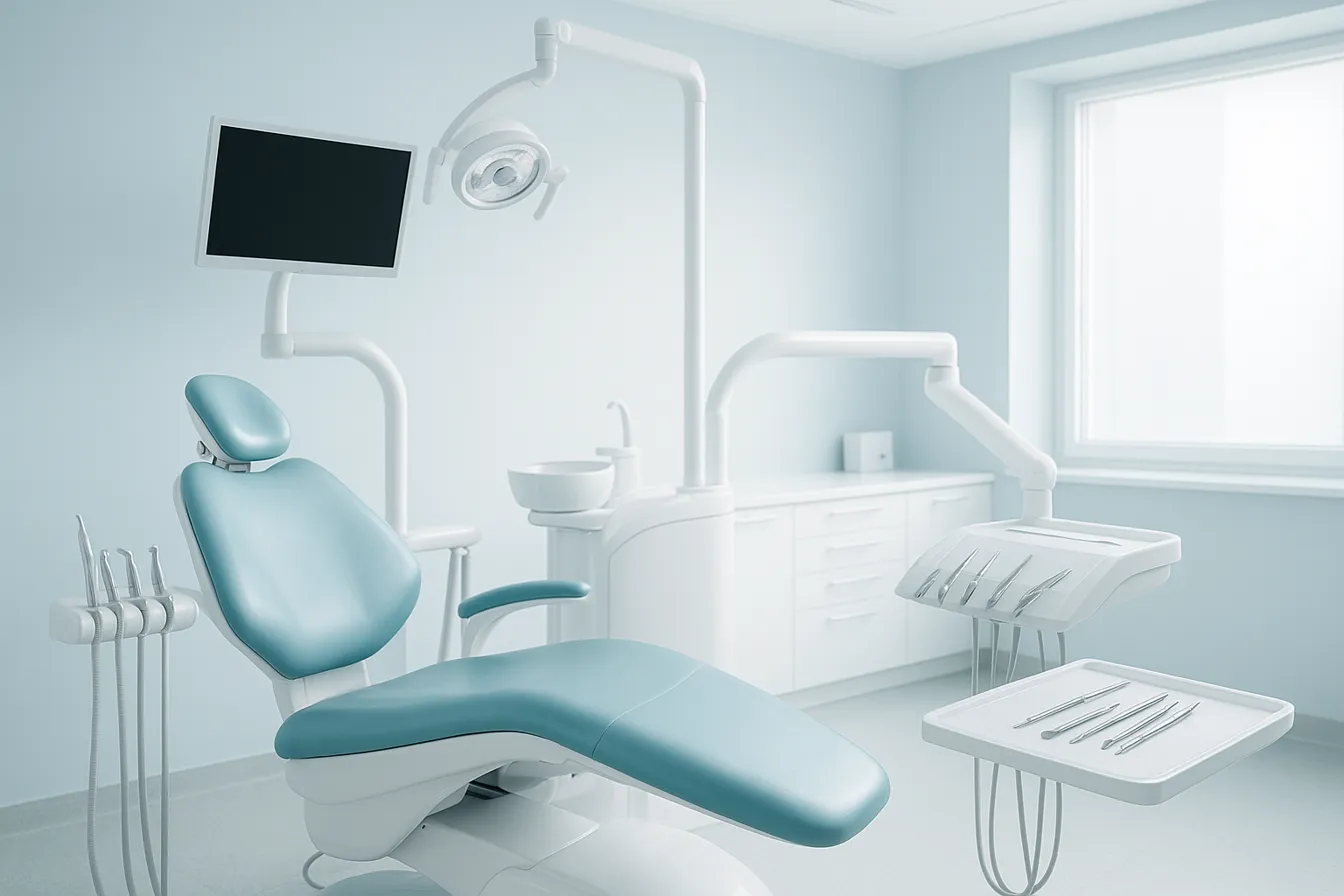
Maintaining a consistent oral hygiene routine is essential for long-term dental health. Brushing teeth at least twice daily for two minutes with a soft-bristled toothbrush helps remove plaque and prevent cavities. Daily flossing cleans areas between teeth that brushes cannot reach, reducing the risk of gum disease and tooth decay. Incorporating tongue brushing and the use of antibacterial mouthwash can further reduce harmful bacteria and keep breath fresh.
Using fluoride toothpaste is a scientifically supported practice that strengthens tooth enamel and helps prevent tooth decay. Fluoride can repair early stages of enamel damage and reduce the risk of cavities by making teeth more resistant to acid attacks caused by bacteria and sugary foods. For those at higher risk, high-fluoride toothpastes are available to provide added protection, especially against root caries.
Professional dental visits every six months are recommended to complement home care. Regular check-ups and cleanings remove tartar buildup—a hard deposit that brushing and flossing cannot eliminate. These visits enable early detection of problems such as cavities and gum disease, preventing progression to more serious conditions. Depending on individual needs, more frequent dental visits may be advised to maintain optimal oral health.
Following these foundational steps—effective oral hygiene, the use of fluoride toothpaste, and regular dental visits—helps ensure a healthy smile and supports overall wellbeing.

The "2 2 2 rule" is a simple guideline for maintaining good oral hygiene and a healthy smile. It means brushing your teeth twice a day, each time for two minutes, and visiting the dentist twice a year for routine checkups and professional cleanings. This routine is widely recommended to prevent cavities, gum disease, and other oral health problems.
Brushing twice daily for two minutes ensures thorough removal of plaque, bacteria, and food particles from all tooth surfaces. Using a soft-bristled toothbrush with gentle circular motions helps protect gums and enamel while effectively removing debris. Brushing for the full two minutes enhances plaque removal and reduces the risk of decay and gum disease.
Fluoride toothpaste plays a key role by strengthening tooth enamel and making it more resistant to acid attacks from bacteria. This helps prevent tooth decay and cavities. It is important to use fluoride toothpaste properly: for children under 3 years old, only a rice grain-sized amount should be applied, and for children over 3, a pea-sized amount is recommended. Swallowing excessive fluoride during enamel formation can lead to dental fluorosis, causing white or brown spots on teeth.
Careful supervision of children’s brushing ensures they use the appropriate amount of fluoride toothpaste and develop proper brushing techniques. This prevents excess fluoride ingestion and promotes lifelong healthy habits. Parents should watch young children to avoid swallowing toothpaste and teach them to spit it out after brushing.
Visiting the dentist twice yearly allows early detection of oral issues such as cavities, gum inflammation, or plaque buildup that brushing alone can't remove. Professional cleanings and checkups support the 2 2 2 rule by maintaining oral health and preventing disease progression.
Adhering to the 2 2 2 rule combined with the safe use of fluoride toothpaste and dental supervision helps maintain long-term oral health, ensuring a confident, healthy smile for people of all ages.
Maintaining healthy teeth goes beyond simple brushing. Establish a solid daily routine by brushing teeth twice a day for two minutes using fluoride toothpaste benefits. Daily flossing or using interdental cleaners like use of water flossers is equally important to remove plaque and debris from areas your toothbrush can't reach. This routine helps prevent cavities and gum diseases.
Eating a healthy diet for oral health rich in calcium and vitamins supports strong teeth and gums. Limiting sugary foods and drinks as they can erode enamel and promote decay. Incorporate crunchy fruits and vegetables, such as apples and carrots, which naturally clean teeth and stimulate saliva. Staying hydrated by drinking plenty of water helps rinse away food particles and bacteria, maintaining a healthy saliva flow that neutralizes acids and protects your teeth.
Avoiding tobacco use is critical because smoking increases the risk of gum disease, oral cancer, and tooth loss. Some medications—like decongestants and antidepressants—may reduce saliva production, raising the risk of oral infections risk. If you are taking such medicines or managing systemic conditions like diabetes and oral health or HIV/AIDS and oral health, consult your dentist regularly to monitor and manage your oral health carefully.
Annual dental checkups—at least once a year—are essential for early detection of dental problems, professional cleanings, and personalized advice. For individuals prone to cavities or gum disease, more frequent visits every three to six months may be necessary. These visits not only maintain your oral health but also help prevent complications linked to systemic diseases such as gum disease and heart disease and pregnancy complications and oral health.
Maintaining this comprehensive good oral hygiene routine will preserve your smile and support your overall health by reducing the risk of serious systemic conditions.
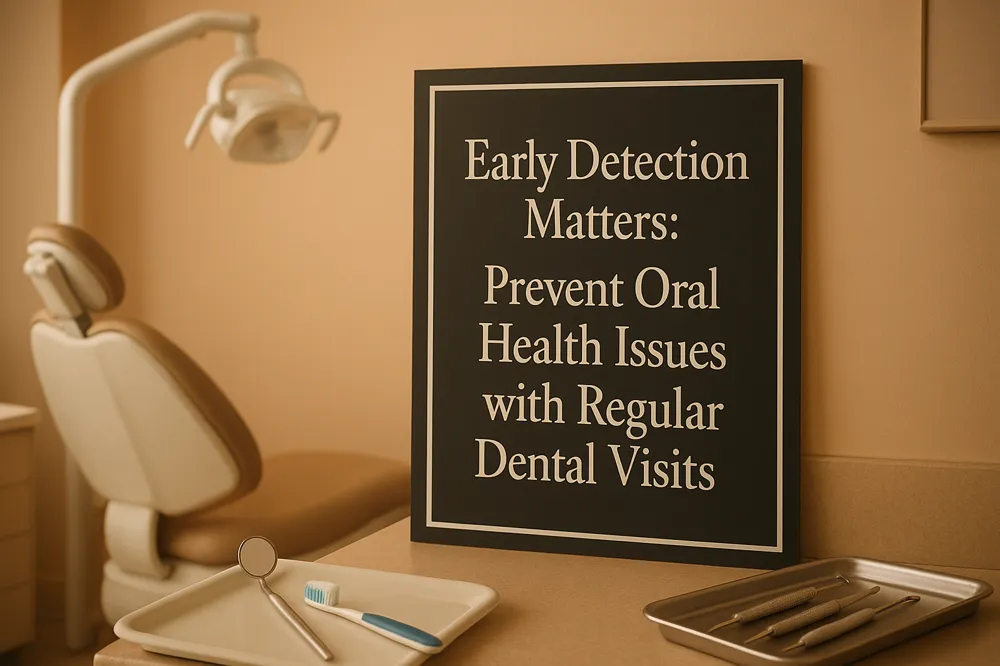
Regular dental cleanings, ideally done every six months, play a vital role in maintaining oral health. These professional cleanings remove plaque and tartar buildup that daily brushing and flossing cannot fully eliminate. By controlling these deposits, dental cleanings help prevent cavities, tooth decay, and gum disease, which are leading causes of tooth loss in adults.
Regular dental visits enable early identification of oral health problems such as cavities and gum disease before they advance. Dentists use tools like digital X-rays and thorough examinations to spot issues that might not yet show symptoms. Early detection often means simpler, less invasive treatments and better long-term outcomes.
Certain symptoms require prompt dental consultation to avoid complicated problems. These include Persistent Dental Pain, bleeding or swollen gums, loose teeth, sensitivity, and visible chips or cracks. Addressing these signs early helps prevent extensive repairs and preserves oral function.
Preventive dental care such as fluoride applications, dental sealants, and antimicrobial mouthwashes complement regular cleanings by further safeguarding enamel and reducing bacterial growth. These interventions reduce the risk of cavities and gum disease progression, supporting overall oral health and lowering long-term healthcare costs.
Maintaining a consistent schedule of professional cleanings and checkups combined with attention to early symptoms and preventive care is essential to preserving a Maintain a healthy smile and avoiding more serious oral diseases.
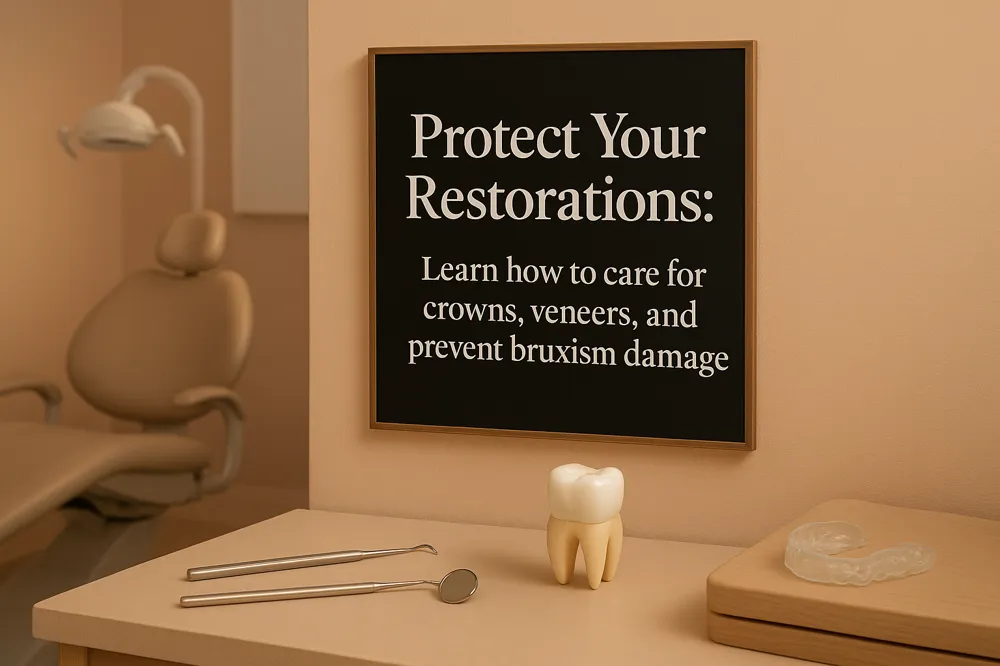
Maintaining dental restorations like crowns, veneers, and implants requires diligent daily proper oral hygiene for restorations. Brushing twice daily and flossing once a day help prevent plaque buildup and decay around these restorations. Using a soft-bristled toothbrush and non-abrasive toothpaste benefits is important to avoid scratching or damaging the surface of restorations. Additionally, regular professional cleanings every six months aid in removing tartar that home care might miss.
Soft-bristled toothbrushes are gentle on both gums and dental restorations, preventing wear on crowns, veneers, or implants. Non-abrasive toothpaste benefits avoid scratching the delicate surfaces, which can otherwise lead to roughness, bacterial buildup, or discoloration. This care preserves the aesthetics and function of dental restorations over time.
Avoiding hard foods like ice cubes, popcorn kernels, and sticky or chewy sweets such as caramel or taffy can prevent damage or loosening of dental restorations. These foods exert excessive force or stick to restorations, which can compromise their stability. (Foods to avoid with dental restorations)
Many people grind or clench their teeth unknowingly during sleep, a condition called bruxism. Wearing a custom nightguard for bruxism protects dental restorations by absorbing forces, reducing wear, and preventing cracks or fractures. This is essential for the longevity of restorations like crowns and implants.
Attending regular dental checkups, ideally every six months, allows early detection of any restoration issues, such as sensitivity, chips, or gum irritation. Professional care can prevent minor problems from becoming extensive repairs. Dentists can also professionally clean for restorations and adjust nightguards if needed.
Maintaining dental restorations properly and managing bruxism are crucial steps to ensure their long-term durability and preserve oral health.

The "Rule of 7" in dentistry highlights a critical period in a child's oral development. By around age 7, a child typically loses all their primary teeth, with permanent teeth emerging and beginning to align properly. This rule stresses the importance of early dental visits — ideally by age 1 or within six months after the first tooth appears. Early visits help monitor oral health, prevent issues such as cavities and baby bottle tooth decay, and establish positive dental experiences that foster lifelong Good oral hygiene habits.
Preventive care at this stage includes supervising Brushing teeth twice daily with fluoride toothpaste, limiting sugary foods, and applying Dental sealants when recommended. Ensuring baby teeth are well cared for is crucial since they guide permanent teeth and support overall oral health. Early orthodontic assessments can detect misalignments, allowing timely intervention and better long-term outcomes.
The 7+4 mnemonic is an easy way to track early tooth eruption milestones. By 7 months of age, most children have their first teeth. Four months later, around 11 months, they usually have about four teeth. This timeline serves as a guide for parents and caregivers to recognize if dental development is on track and when to start or intensify Oral hygiene routine.
Dental checkups should begin by 12 months to catch early signs of decay and receive guidance on Proper oral hygiene practices. Regular visits every six months help Maintain a healthy smile and allow dentists to provide preventive treatments like fluoride applications and sealants to protect developing teeth.
Since young children cannot effectively brush or floss on their own, adult supervision is essential. Parents should assist with Brushing teeth twice daily using a soft-bristled toothbrush and fluoride toothpaste. Teaching proper techniques early helps reduce plaque buildup and prevents cavities.
Early evaluation of a child's bite and tooth alignment by a dental professional can identify potential orthodontic problems. Intervening during growth can simplify treatments and improve jaw development, speech, and chewing function.
| Topic | What You Should Know | Practical Tips |
|---|---|---|
| Rule of 7 | Permanent teeth emerge by age 7 | Schedule first dental visit by age 1 |
| 7+4 Mnemonic | 7 months: 1 tooth, 11 months: 4 teeth | Monitor tooth eruption milestones |
| Early dental visits | Prevent decay and build dental familiarity | Dental check-ups every six months |
| Supervised hygiene | Children need help brushing and flossing | Brush twice daily with fluoride toothpaste |
| Early orthodontic checks | Detect bite issues early | Consult orthodontist if recommended |

The 5S strategy for dental care is a systematic approach modeled after a well-known workplace organization method. It aims to improve cleanliness, efficiency, and discipline within dental environments by following five practical steps:
Well-organized dental instruments reduce time spent searching for items during procedures. It supports proper sterilization and storage, which protects both patients and practitioners. Efficient workspace layout contributes to smoother treatment flow, improving patient comfort.
Cleanliness minimizes the risk of infection transmission, including diseases linked to poor oral health such as cardiovascular issues and systemic conditions. Sterile environments, supported by routine cleaning protocols, ensure patient safety and promote overall well-being. For comprehensive details on proper oral hygiene practices, visit the linked resource.
Consistent oral hygiene practices and clinical protocols help prevent common dental problems like cavities and gum disease. Standardization supports early diagnosis and intervention, reducing the need for costly and invasive treatments. For more on preventive dental care benefits and routine checkups see the provided link.
Ongoing training, feedback, and audits encourage adherence to the 5S principles. Monitoring changes and adapting new technologies or methods help maintain excellence in dental care operations. For insights on maintaining dental restorations and post-treatment care and long-term dental care plans, refer to the linked resources.
Implementing the 5S strategy in dental care optimizes patient outcomes and creates an environment focused on safety, efficiency, and comfort. For additional guidance on maintaining a healthy smile and oral health maintenance, explore the recommended links.
Maintaining a healthy smile begins with daily oral care: brushing teeth twice a day for two minutes with fluoride toothpaste and flossing once daily to remove plaque from between teeth. Replacing toothbrushes every three to four months and using soft-bristled brushes can prevent gum damage. Incorporating mouthwash and cleaning the tongue further reduces harmful bacteria.
Routine visits to the dentist every six months are crucial for professional cleanings and early detection of dental issues such as cavities and gum disease. For individuals at higher risk, more frequent visits ensure timely management. Preventive treatments like fluoride applications and dental sealants strengthen teeth and reduce decay risk.
Oral hygiene is closely linked to systemic health; gum disease has been associated with heart disease, stroke, diabetes, and pregnancy complications. Good oral maintenance helps prevent these conditions, supports better diabetes management, and enhances mental well-being by preserving self-esteem and nutritional intake. By committing to lifelong dental care habits and regular professional support, individuals promote both a vibrant smile and overall health.