Even more knowledge

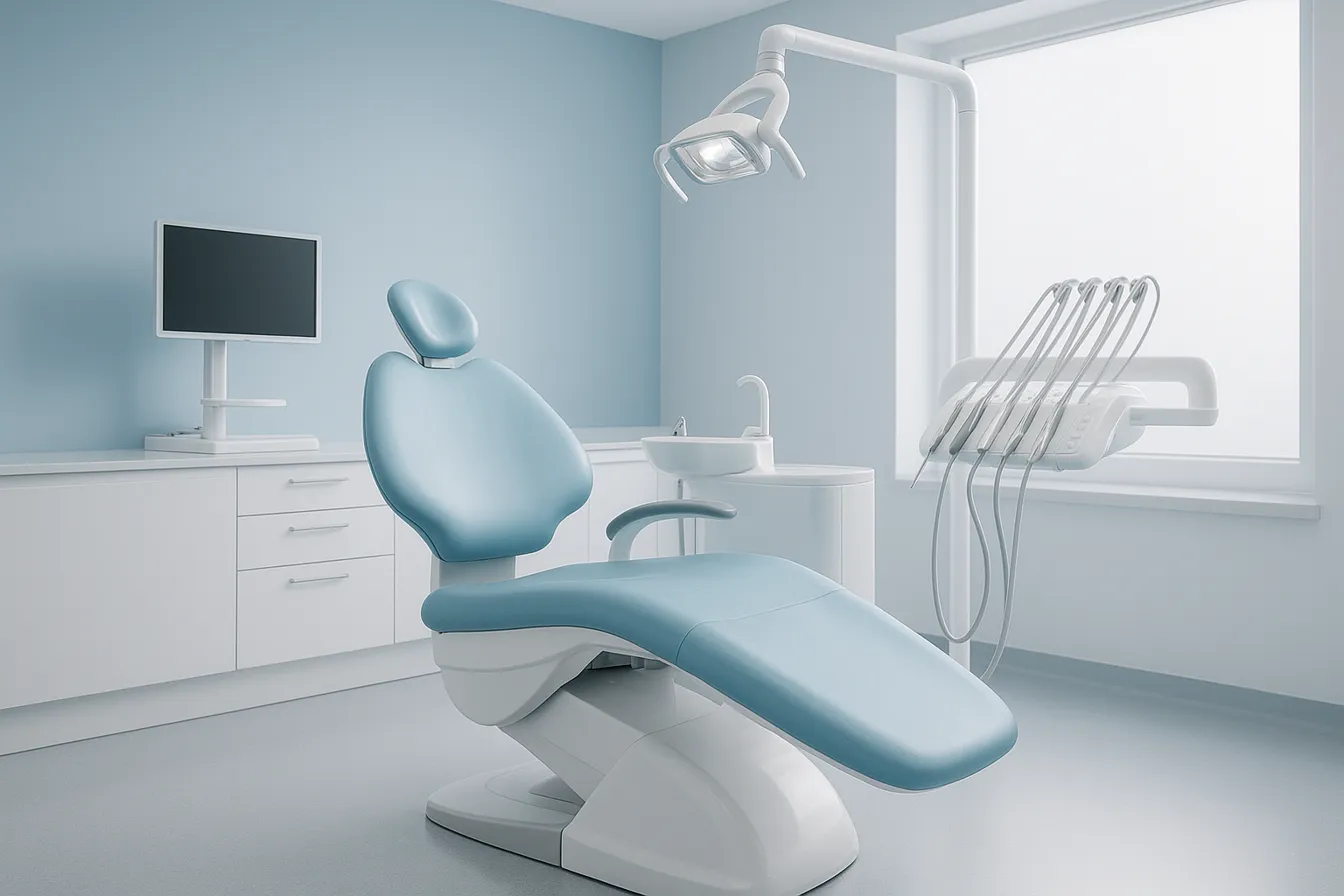
General dentistry is a broad field focused on the prevention, diagnosis, and treatment of dental conditions affecting teeth, gums, and the mouth. It serves patients of all ages, providing comprehensive care to maintain healthy smiles and oral function. Common procedures include routine exams, cleanings, fillings, crowns, and preventive treatments like fluoride applications and sealants.
Regular dental visits, ideally every six months, are essential for early detection of issues such as cavities, gum disease, and oral cancer. These visits typically involve professional cleanings and X-rays, which help remove plaque and identify problems invisible to the naked eye. Early intervention helps avoid more complex and costly treatments, ensuring long-term oral health.
Oral health is closely linked to overall health; infections like gum disease have been connected to systemic conditions such as heart disease and diabetes. Maintaining good oral hygiene and regular care not only protects your teeth and gums but also supports your general health. A healthy mouth contributes to better nutrition, digestion, and overall quality of life.

General dentistry overview covers an extensive range of dental care services to maintain and restore oral health. These include diagnostic services in dentistry, preventive dental care, restorative dental services, cosmetic dentistry services, minor surgical procedures, and emergency dental services.
General dentistry overview includes thorough dental exams to assess the health of teeth, gums, and the oral cavity. Digital X-rays benefits are used routinely to detect issues such as cavities, infections, impacted teeth, and bone loss that may not be visible during a physical exam.
Preventive dental care focuses on stopping dental problems before they start. This includes routine dental check-ups and cleanings to remove plaque and tartar, fluoride treatments and sealants to strengthen enamel and protect vulnerable chewing surfaces from decay, and dental sealants.
When dental issues arise, restorative dental procedures are provided. This includes dental fillings upkeep to repair cavities, crowns and fillings to restore damaged teeth, and root canal therapy to treat infected pulp, all aimed at preserving natural teeth and maintaining function.
Cosmetic dental procedures such as teeth whitening and veneers improve smile aesthetics. General dentists also perform tooth extractions and occasionally wisdom tooth removal, ensuring comprehensive care.
Urgent dental issues like toothaches, cracked teeth, or infections are addressed promptly by Emergency Dental Care. Emergency care helps prevent complications and often alleviates significant pain or discomfort.
In summary, general dentistry engages a broad spectrum of services to Prevention, Diagnosis, and Treatment in Dentistry, supporting long-term dental wellness for patients of all ages.

Preventive care is vital as it helps maintain healthy teeth and gums, prevents cavities and gum disease through routine cleanings benefits, fluoride treatments, and sealants, and enables early detection of problems such as oral cancer. Preventive dentistry also reduces the risk of systemic health issues linked to poor oral health, such as heart disease and diabetes.
Prevention in general dentistry is the foundation of general dentistry. It focuses on stopping dental problems before they start by employing regular dental check-ups, cleanings, and patient education on oral hygiene. This approach avoids painful and costly treatments later on and promotes lifelong oral health.
Scheduling routine dental check-ups and cleanings twice a year is strongly recommended. These visits help remove plaque and bacteria that cannot be removed by brushing alone, and allow dentists to inspect teeth and gums for early signs of decay or disease.
Fluoride application in dentistry strengthens enamel and protects against cavities, while dental sealants act as a barrier on molars to prevent food and bacteria from causing decay. Both are effective preventive measures often applied during routine dental visits.
Regular exams and digital X-rays benefits enable the early discovery of dental issues such as early detection of tooth decay, gum disease, and oral cancer when they are easier and less expensive to treat. This proactive detection limits progression and improves overall oral health outcomes.
Oral infections and inflammation can contribute to systemic diseases like cardiovascular disease and diabetes. Maintaining good oral health through preventive dental care and overall wellness reduces these risks and supports general wellness, highlighting the crucial role dentists play in holistic health care.

Digital X-rays benefits provide instant, high-resolution images that help dentists detect dental issues not visible during a regular exam. Unlike traditional X-rays, digital versions expose patients to significantly less radiation, enhancing patient safety.
Intraoral camera use gives dentists a clear, close-up view of the mouth, aiding in diagnosis and treatment planning. Digital impressions replace uncomfortable molds with precise digital scans, improving patient comfort.
Advanced diagnostic tools minimize radiation exposure while delivering detailed images. These improvements allow for early detection of tooth decay, gum disease, and other oral health problems.
Technologies like intraoral cameras let patients see their dental conditions firsthand. This visual aid improves communication, builds trust, and reduces dental anxiety reduction.
Advanced tools enable dentists to provide personalized dental care based on accurate diagnostics. They facilitate minimally invasive procedures, resulting in faster recovery and greater patient comfort.
Advanced technology such as digital X-rays offers instant, detailed images with lower radiation exposure, improving diagnostic accuracy. Intraoral cameras and digital impressions enhance visualization, helping dentists communicate conditions and treatment options clearly to patients. These technologies contribute to more personalized, efficient, and comfortable dental care.

A general dentist acts as the primary oral health care provider, overseeing the prevention, diagnosis, and treatment of dental problems for patients of all ages. They serve as the first point of contact in oral healthcare, coordinating patient care to maintain and restore healthy teeth and gums.
General dentists develop personalized dental hygiene plans and treatment plans tailored to individual patient needs. They guide patients through routine exams, cleanings, X-rays, and preventive therapies such as fluoride treatments and sealants to minimize disease risk.
From children to seniors, general dentists manage comprehensive oral health care. They monitor dental development in young patients, address common problems like cavities and gum disease in adults, and provide restorative care such as fillings, crowns, and dentures.
Education is a vital part of general dentistry. Dentists teach patients proper brushing, flossing techniques, and dietary habits to strengthen enamel and boost overall oral health, helping to prevent systemic health issues linked to poor oral hygiene.
When advanced treatment beyond their scope is required—such as orthodontics, oral surgery, or implant placement—general dentists refer patients to specialists. This ensures patients receive expert care while maintaining continuity through their primary dental provider, as highlighted in coordinated specialized dental care.

Regular general dentistry visits, ideally every six months, serve as a cornerstone for maintaining healthy teeth and gums throughout life. These visits enable early detection of dental problems such as cavities, gum disease prevention, and oral cancer. Early intervention often means treatments are simpler, less invasive, and more cost-effective, preventing the need for complex procedures later.
The American Dental Association recommends dental check-ups twice a year. These routine dental check-ups and cleanings involve examinations, professional cleanings, and diagnostic X-rays to spot issues that may not be visible otherwise. Such consistent monitoring aids in preserving natural teeth and prevents progression of dental diseases.
Regular visits allow dentists to identify early signs of decay, gum inflammation, or cancerous changes. Timely treatments, from fluoride applications to scaling and root planing, can halt disease progression. Detecting problems when they are minimal often reduces patient discomfort and recovery time.
Preventive care and early treatments not only maintain oral health but also reduce long-term expenses. Avoiding advanced restorative procedures such as root canals, crowns, or extractions saves both money and discomfort for patients, reinforcing the value of regular dental maintenance.
Consistent visits foster a positive patient experience in dentistry and trust between the dentist and patient. Personalized dental care tailored to individual needs enhances patient comfort and reduces dental anxiety, encouraging lifelong oral care habits.
Maintaining oral health through general dentistry positively influences systemic health. Poor dental hygiene has been linked to heart disease, diabetes, and other health conditions. Additionally, optimal oral health supports better nutrition, improves confidence, and contributes to overall well-being and quality of life.