Even more knowledge

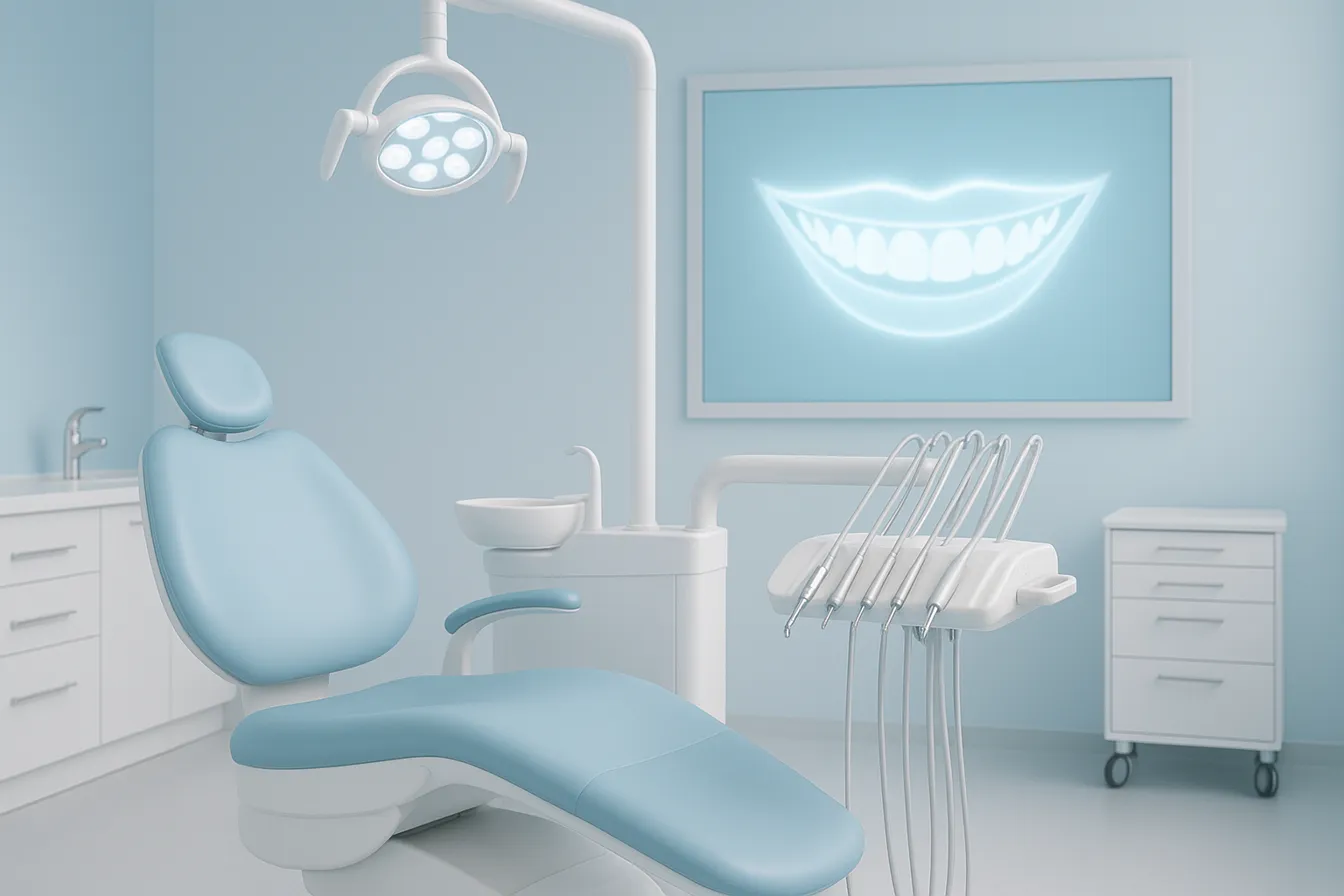
Gentle dentistry is a caring approach to dental care focused on making patients feel comfortable during their visits. It emphasizes reducing pain and anxiety while addressing oral health needs.
This philosophy centers on the patient's comfort and experience. Dentists foster open communication, listen to concerns, and adapt care to individual needs. Creating a welcoming, stress-free environment helps patients feel at ease.
Advancements such as digital X-rays, laser dentistry, and computer-guided anesthesia make dental procedures quicker, more precise, and less painful. These tools minimize discomfort and allow for gentle, minimally invasive treatments.
Together, these elements create a dental experience where comfort and health go hand in hand, encouraging patients to maintain regular visits and better oral hygiene habits.
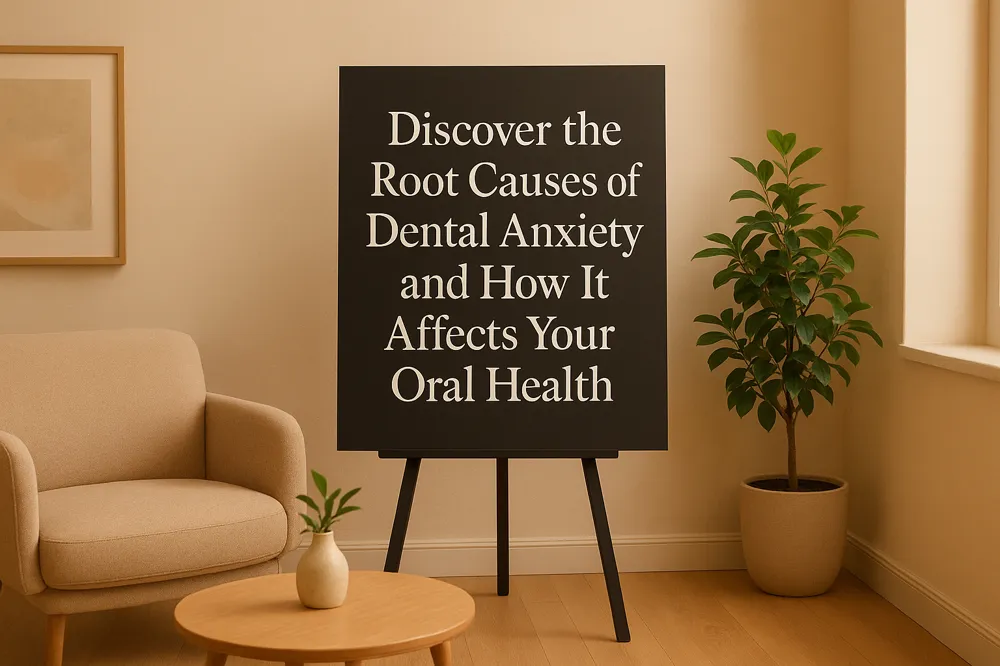
Dental anxiety, also known as dentophobia, impacts roughly 15% to 20% of people worldwide. It is especially common among women, children, and individuals who have experienced negative or painful dental visits in the past. Key causes include fear of pain, needles, choking, and the intimidating sounds of dental instruments. Feelings of helplessness or embarrassment during dental treatments also contribute.
Dental anxiety triggers the body's natural fight or flight response in dental anxiety, a biological reaction to perceived threat. This stress response arises because dentistry involves close personal space invasion and can remind patients of painful memories. Psychological factors such as lack of control, negative experiences, and fear of invasive procedures worsen the anxiety.
Avoidance of dental visits due to anxiety leads to progression of oral health issues such as cavities, gum disease, and infections. This delay can result in more complicated, painful, and expensive treatments. Addressing dental anxiety through open communication, relaxation strategies like breathing exercises for dental anxiety, and sedation options for dentistry helps patients receive timely care and maintain better long-term oral health improvement.

Managing dental anxiety starts with open communication between patients and dental professionals. Patients are encouraged to Sharing fears with your dentist openly to help dentists create a Calming dental anxiety environment. This dialogue allows for customization of care, such as the use of Use of sedation in dentistry or altered pacing of procedures, which significantly reduces anxiety.
Relaxation strategies play a crucial role during dental visits. Techniques like Breathing exercises for dental anxiety, especially the 3-4-5 breathing technique that activates the parasympathetic nervous system, help calm nerves and reduce stress. Distraction methods such as Listening to music at the dentist or Watching videos during dental treatment also divert attention from the procedure and improve patient comfort.
In cases of intense anxiety, sedation options like Nitrous oxide sedation (laughing gas) or Oral sedation for anxiety can be administered safely by trained professionals. These interventions allow patients to feel relaxed, making dental visits less intimidating and more manageable.
Tailored care begins with patients Communicating dental fears, enabling dentists to move at a comfortable pace and explain each step clearly. Creating a Calming dental environment with soft lighting, soothing music, and welcoming staff further helps ease patient stress.
Patients can practice meditation or visualization before and during appointments to maintain calmness. Additionally, some may find comfort in bringing a trusted companion for emotional support.
For those with heightened sensitivity, Gentle dentistry philosophy approaches integrate Minimally invasive dental techniques to minimize discomfort. Comfort items during dental visits such as blankets and headphones can also assist in relaxation.
This comprehensive approach to anxiety management not only enhances the Benefits of seeing a gentle dentist but also encourages regular visits, which improves Long-term oral health improvement.
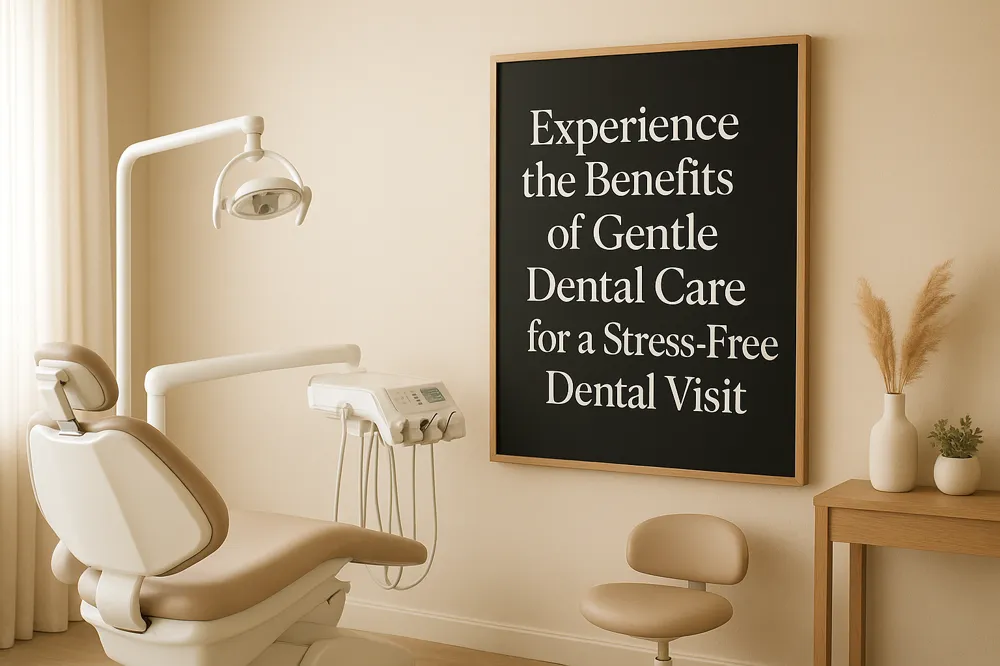
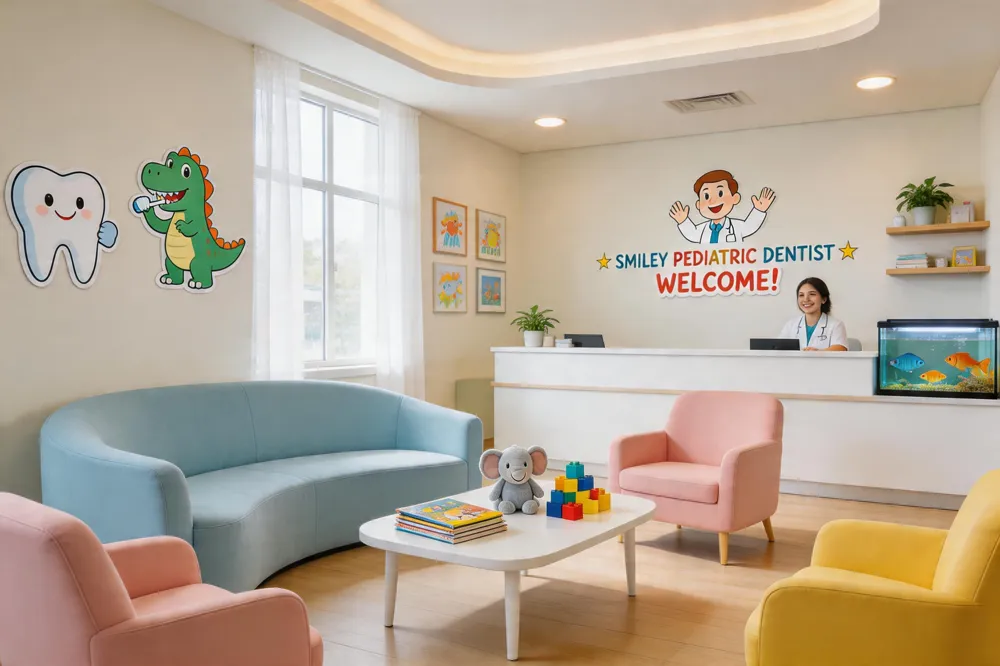
Gentle dental care offers a patient-centered approach that prioritizes comfort and reduces anxiety during dental visits. This care style creates a calming dental environment with soft lighting, soothing music, and friendly dental staff helping patients feel relaxed and welcome.
Dental practices dedicated to gentle care focus on making the office feel warm and inviting. Patients often benefit from comfort items like blankets and headphones, while staff communicate clearly and compassionately to provide reassurance throughout visits. This supports a welcoming dental environment and patient comfort in dentistry.
Modern technology plays a major role in Gentle dentistry philosophy. Tools such as Digital x-rays benefits, Intraoral cameras use, and Laser dentistry benefits minimize discomfort and reduce procedure time. Computer-guided anesthesia helps deliver precise, gentle numbing to ease pain.
By promoting a positive and comfortable experience, gentle dentistry encourages patients to attend routine dental exams and cleanings regularly. Early detection of cavities, gum disease, and other oral health problems prevents complicated treatments later. This ongoing care strengthens oral health and builds trust between patient and provider, supporting long-term oral health improvement.
| Aspect | Approach | Patient Benefit |
|---|---|---|
| Environment | Soft lighting, soothing music | Increased relaxation and comfort (Calm dental anxiety) |
| Communication | Clear, compassionate explanation | Reduced anxiety, patient trust (Communication in dentistry) |
| Technology | Digital X-rays, laser dentistry | Less pain, faster procedures (Digital x-rays benefits) |
| Patient Engagement | Personalized care | Encourages regular visits (Encouraging regular dental visits) |
| Preventive Focus | Early detection of issues | Avoids complicated dental work (Preventive dental care) |

Returning to the dentist after a long break can feel overwhelming, especially for those with Dental anxiety. The first step is to openly communicate your fears and concerns with the dental team. Sharing these emotions allows the dentist to tailor the visit to your comfort level, providing reassurance and clear explanations of each step.
Scheduling your appointment on less busy days or during quieter hours helps reduce stress by creating a Calm dental anxiety atmosphere. Before and during your visit, practicing deep breathing techniques such as the 3-4-5 breathing technique can effectively calm nerves. This technique involves inhaling for 3 seconds, holding the breath for 4 seconds, and exhaling slowly for 5 seconds, helping activate relaxation responses.
To further ease anxiety, bring calming items like headphones to listen to music or watch videos during treatment. Many dental offices also offer sedation options for dentistry such as nitrous oxide or light oral sedation, which you should discuss with the dental team in advance.
Establishing a pattern of regular visits after your first appointment can gradually reduce fear, allowing for earlier detection of dental issues and Importance of regular dental visits and improving your overall oral health. Remember, the dental practice is committed to creating a Relaxed dentistry for sensitive patients environment focused on your wellbeing throughout your care.
[Managing dental anxiety] during dental visits is essential for a positive experience. Dentists use local anesthesia to numb specific areas, ensuring procedures are virtually painless. For anxious patients, [sedation options in dentistry] like nitrous oxide or light sedation create a calming effect that helps reduce discomfort.
[Open communication in dentistry] with dental staff builds trust and allows patients to express fears or request breaks. This dialogue encourages a personalized pace and treatment approach.
[Distraction techniques during dental procedures] are effective for easing anxiety. Patients can listen to music, audiobooks, or watch videos during procedures. Bringing a [supportive dental atmosphere] companion can also provide comfort.
[Regular dental visits for anxious patients] play a vital role in minimizing the need for complex treatments. [Booking regular dental exams and cleanings] help detect and address issues early, avoiding invasive procedures that often cause more pain and stress.
| Technique | Description | Benefit |
|---|---|---|
| Local Anesthesia | Numbing specific areas | Minimizes pain during treatment |
| Sedation Options | Nitrous oxide or oral sedation | Reduces anxiety and discomfort |
| Open Communication | Discussing fears and preferences with staff | Builds trust and personalizes care |
| Distraction Methods | Music, videos, headphones | Distracts and relaxes patients during care |
| Supportive Companion | Bringing a friend or family member | Provides emotional support |
| Regular Dental Visits | Frequent checkups and cleanings | Prevents complex and invasive procedures |
Regular dental visits are essential for maintaining healthy teeth and gums. When visits are comfortable, patients are more likely to keep up with their oral care appointments, preventing issues like cavities and gum disease before they worsen.
Gentle dentistry prioritizes patient comfort by using advanced technologies and calming environments. This approach reduces dental anxiety, making procedures less stressful and more tolerable, especially for sensitive patients.
By focusing on clear communication and compassion, gentle dentists foster trust and patient confidence. This supportive relationship encourages consistent care, ensuring early detection and treatment of dental issues for long-term oral wellness.