Even more knowledge

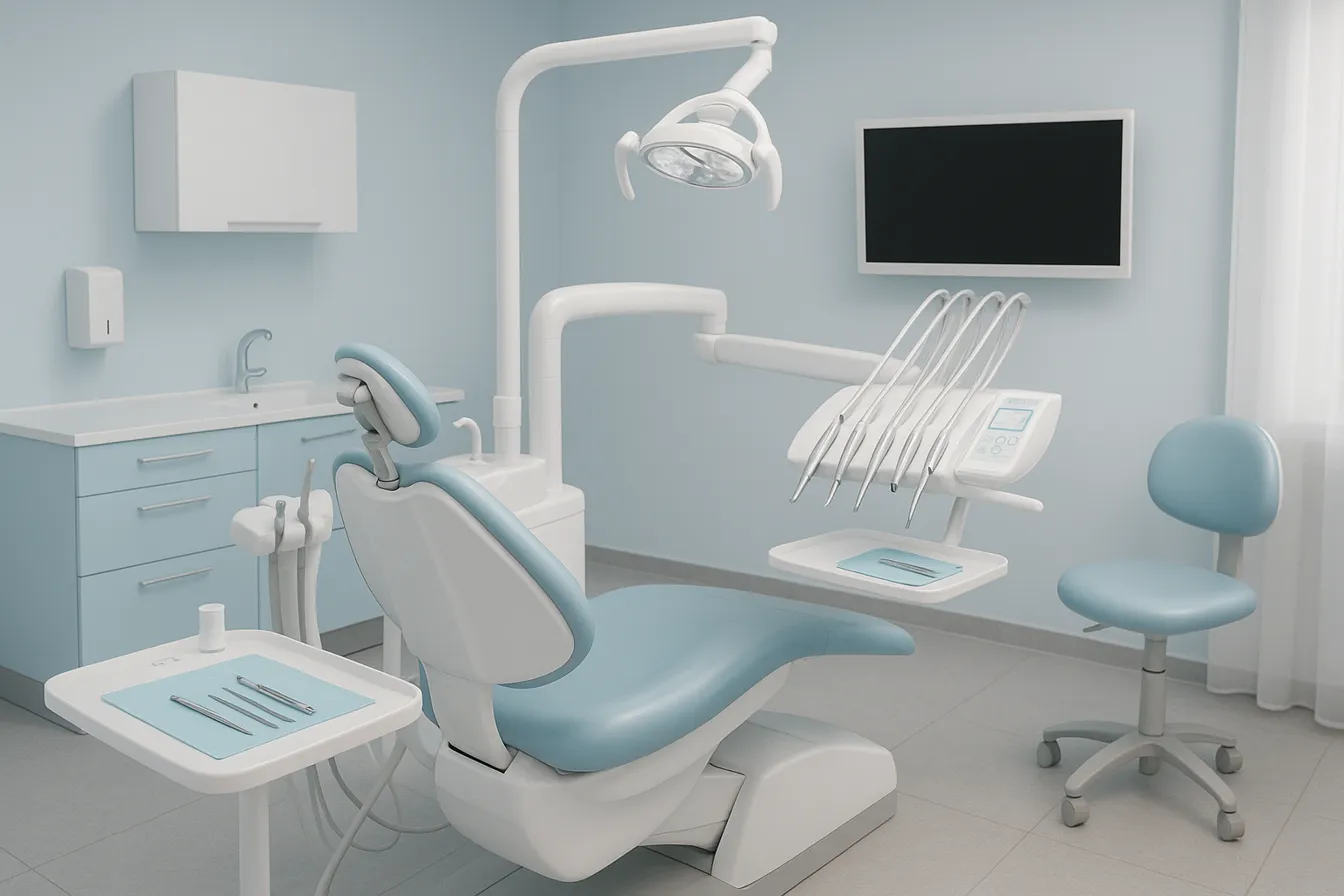
Informed consent is a cornerstone of ethical and legal dental practice. It ensures patients understand their treatment options, including the risks, benefits, and alternatives. Clear communication tailored to each patient's health literacy and cultural background is essential. Tools like the PARQ framework (Procedure, Alternatives, Risks, Questions) help document and confirm patient understanding, fostering trust and preventing misunderstandings.
Empowering patients begins with shared decision-making, which actively involves them in their treatment decisions. This collaborative approach respects patient autonomy and values their unique preferences, cultural contexts, and health priorities. Research shows that patients engaged in shared decision-making experience higher satisfaction and better adherence to treatment plans.
Patient-centered care prioritizes individual needs and values, enhancing treatment effectiveness and adherence. Meanwhile, evidence-based dentistry combines scientific research with clinical expertise and patient preferences to inform care decisions. Organizations like the American Dental Association provide clinical practice guidelines and educational resources to help practitioners deliver care that is both scientifically sound and personalized.
Together, these principles ensure dental care that respects patients' rights, promotes active involvement, and is grounded in the best available evidence for optimal oral health outcomes.

Effective communication in dentistry is crucial as it establishes trust and reduces patient anxiety. It ensures patients understand their Dental treatment options thoroughly, which leads to better adherence and improved oral health outcomes. Clear and empathetic dialogue also helps prevent misunderstandings and complaints, enhancing patient satisfaction and loyalty. Additionally, communication tailored to patients' needs, including adapting for those with special requirements, supports a positive treatment experience. Utilizing nonverbal cues and modern tools further deepens the dentist-patient connection, fostering a collaborative relationship essential for successful care.
Successful dentist-patient communication goes beyond active listening and clear explanations. Building rapport through genuine empathy and understanding patient concerns is vital. Strategies include:
These approaches help patients feel informed and comfortable, supporting better healthcare decisions through Shared Decision-Making in Oral Health Care.
Nonverbal communication plays a significant role in shaping patient perceptions and comfort. Facial expressions, body language, eye contact, and gentle touch communicate empathy and attentiveness, helping to lower anxiety. They also provide dentists with insight into patients' emotional states, allowing for more personalized care. Considering cultural differences is important, as nonverbal signals vary across populations. Thoughtful use of nonverbal communication enhances Patient-centered care in oral health, increasing cooperation and overall satisfaction during dental visits.

A dental treatment plan is a detailed, personalized roadmap outlining recommended procedures based on a thorough oral examination, X-rays, and overall assessment. It includes all necessary and elective treatments, specifies the order of care, estimated costs, and expected outcomes. This comprehensive plan helps patients understand the purpose and urgency of each procedure, enabling informed prioritization.
Treatments are categorized as:
Understanding these categories empowers patients to participate actively in their care choices and aligns treatment with personal health, lifestyle, and financial plans. For more information on comprehensive dental treatment plan, patient education in dentistry, and effective communication in dental care, see these resources.
Dental consent forms are signed documents that record a patient's informed agreement to undergo proposed dental procedures. They confirm the patient has been educated about the treatment’s benefits, risks, alternatives, and what to expect during recovery. Common topics covered include possible side effects like tooth sensitivity after fillings or the chance of dry socket post-extraction.
Patients and dental offices can access free and printable consent form templates from reputable dental association websites or professional practice resources. These forms serve as valuable tools to ensure transparent communication and legal protection for both the patient and dental provider. For detailed information about Informed consent in dentistry and examples of Dental Consent Forms, visit these links.
Dental professionals obtain informed consent through a clear, respectful conversation with the patient, discussing:
This dialogue is meticulously documented in patient records, either by noting details or securing signed consent forms specific to the procedure. For higher-risk or elective treatments, consent must be gathered before beginning care, allowing patients sufficient time to consider.
Legal and ethical guidelines emphasize the need for:
Emergency treatments may proceed with limited consent if delaying would harm the patient.
| Aspect | Description | Importance |
|---|---|---|
| Treatment Plan | Personalized outline of procedures and priorities | Guides informed patient decisions |
| Consent Forms | Documents patient's comprehension and approval of care | Legal and ethical safeguard |
| Communication | Detailed discussion covering risks, benefits, alternatives | Ensures true informed consent |
| Documentation | Records all consent interactions | Protects patient and provider |
Clear treatment plans combined with properly obtained and documented informed consent are essential for ethical dental care. They empower patients, foster trust, and support safer, more personalized oral health outcomes. For further guidance on Informed consent in dentistry and the role of Clinical Practice Guidelines in decision-making, see these resources.
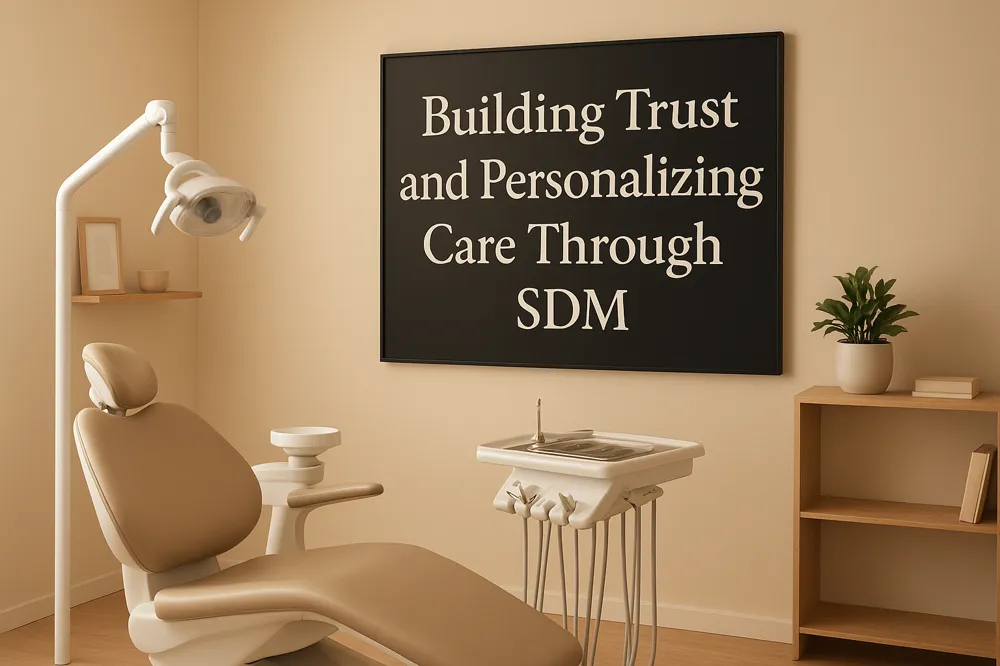
Shared decision-making (SDM) is a collaborative process where dental professionals and patients exchange information to make treatment decisions together. This approach supports patient autonomy by recognizing patients as experts of their own lives and encourages open dialogue. Learn more about Shared Decision-Making in Oral Health Care.
Respecting individual patient values, preferences, and cultural backgrounds is essential for personalized dental care. Understanding these factors helps tailor treatments, making patients feel heard and valued, which improves trust and treatment adherence. For further insights, visit Shared Decision-Making in Oral Health Care.
Implementing SDM involves several best practices:
Research shows SDM improves patient understanding of treatment options, involvement, satisfaction, and trust. It also promotes health equity by addressing decision-making barriers among diverse racial, ethnic, and low health literacy populations, leading to better oral health outcomes and greater patient-centered care. Explore more about the Benefits of Shared Decision-Making.
The American Dental Association (ADA) develops clinical practice guidelines that serve as a trusted foundation for dental professionals across the United States. These guidelines are carefully created by expert panels who critically review and interpret the latest and most relevant scientific evidence. The goal is to assist dentists in making well-informed, consistent clinical decisions that enhance patient outcomes.
Evidence-Based Dentistry, as endorsed by the ADA, integrates three important elements: up-to-date scientific research, clinical expertise of the dental professional, and the unique preferences and values of each patient. This approach ensures that treatment decisions are not only scientifically sound but also tailored to individual patient needs and circumstances.
The ADA provides comprehensive recommendations on a range of dental care aspects, including:
These guidelines help standardize care while considering emerging research and clinical best practices.
Alongside guidelines, the ADA offers detailed Educational Resources for Dental Practitioners and programs. These tools help dental practitioners stay current with scientific advances and incorporate evidence-based practices effectively into their daily clinical work. They promote lifelong learning and improve practitioners' ability to provide informed, patient-centered care.
Dental treatment typically follows several phases to ensure thorough and effective care. It begins with the initial assessment and diagnosis, where the dentist conducts a detailed examination, reviews the patient's dental history, and takes necessary imaging like X-rays. Next comes emergency treatment to relieve pain or manage infections and trauma requiring immediate attention.
After stabilizing urgent issues, the definitive or restorative phase addresses existing dental problems through procedures such as fillings, crowns, root canals, orthodontics, or implants. The final phase is ongoing maintenance and recall visits, which help monitor oral health, prevent future complications, and maintain treatment results.
Dental imaging is crucial for detecting dental conditions invisible to the naked eye, such as cavities hidden between teeth, impacted wisdom teeth, infections deep in bone, and jaw abnormalities. Technologies like digital X-rays, panoramic scans, and 3D Cone Beam Computed Tomography (CBCT) provide detailed views of dental anatomy, enabling precise diagnosis and treatment planning.
Modern digital imaging reduces radiation exposure by up to 80-90% compared to traditional X-rays, improving patient safety. These images also allow dentists to effectively monitor healing, assess treatment success, and customize treatment based on individual anatomy. For more detailed insights on the role of dental imaging in personalized dental care, see Patient-centered care in dentistry.
Innovations in dental technology enhance the precision, safety, and comfort of treatment. Digital imaging and computer-aided design and manufacturing (CAD/CAM) facilitate custom restorations like crowns and implants that fit perfectly with minimal adjustments.
Laser dentistry offers less invasive options for gum disease and tooth decay treatment, reducing discomfort and speeding healing. Additionally, teledentistry and digital communication tools allow better patient education and engagement in care decisions.
By integrating these technologies throughout the treatment phases, dental providers can offer more accurate diagnoses, safer procedures, and an improved patient experience. For comprehensive Advancements in Dental Practice and innovations, consult the ADA Resources.
Patients should consider several key factors to make informed dental choices: understanding treatment options and their urgency, evaluating clinic experience and technology, and knowing financial aspects like insurance and payment plans.
Clear, open communication between patients and dental teams fosters trust. Shared decision-making (SDM) encourages patients to actively participate by exchanging information and respecting personal values, improving satisfaction and outcomes.
Dental professionals rely on evidence-based clinical practice guidelines to offer safe, effective treatments, combining scientific research with clinical expertise and patient preferences.
Patients are urged to ask questions, discuss concerns openly, and collaborate with their dental providers to ensure personalized care and better oral health results.