Even more knowledge

Proactive (preventive) dentistry focuses on preventing dental problems before they arise or catching them early through routine care such as cleanings, fluoride treatments, and sealants. Reactive (restorative) dentistry, on the other hand, involves treating issues like cavities, gum disease, or tooth damage only after they have developed, often requiring more complex procedures like fillings, crowns, or extractions.
Early dental assessments, especially for children around age 7, allow timely correction of bite and alignment issues, and prevent more severe problems that might require invasive treatments. Proactive care such as regular checkups and orthodontic evaluations helps manage dental health during growth phases, reducing the odds of complex procedures later.
Preventive dental care maintains natural teeth and oral function, reducing the risk of decay and gum disease. It also lowers treatment costs—routine cleanings average around $125, while reactive treatments like root canals can cost upwards of $900. Beyond cost savings, prevention supports overall health since diseases like gum disease are linked to systemic conditions such as heart disease and diabetes. Prioritizing prevention leads to healthier smiles and better quality of life over time.

The American Association of Orthodontists recommends children have their first early orthodontic evaluation by age 7. This timing allows dentists to detect developing issues early, such as bite abnormalities and jaw growth problems. Early assessments support early orthodontic evaluation by age 7, reducing the chance of severe orthodontic complications later.
Early orthodontic treatment, often starting between ages 7 and 10, can guide jaw growth and correct problems like crossbites, overbites, and underbites. Interventions may include appliances to move teeth or modify jaw development, preventing misalignment and making future treatments simpler.
Addressing orthodontic concerns early improves chewing, speaking, and oral function. It also helps manage space for permanent teeth, reducing crowding and trauma risk. Early intervention shortens overall treatment time, lowers costs, and supports Proactive Dentistry Benefits.
Comprehensive practices provide a wide range of dental and orthodontic services, including Preventive Dentistry like cleanings and exams, restorative treatments such as fillings and crowns, and cosmetic services like teeth whitening. Orthodontic options such as traditional braces and Invisalign® clear aligners are offered to correct misaligned teeth. These practices focus on patient comfort, utilizing modern technology to deliver personalized and effective care.
Regular dental checkups and professional cleanings form the cornerstone of proactive dentistry. These visits allow for early detection of cavities, treatment of gum disease and other oral health issues before they progress. Fluoride treatments strengthen tooth enamel, making it more resistant to decay, while dental sealants for cavity prevention provide a protective barrier on the chewing surfaces of back teeth, significantly reducing the risk of cavities, especially in children.
A proactive approach focuses on maintaining natural teeth through early intervention and prevention, reducing the need for more invasive treatments like extractions or root canals. Maintaining natural teeth not only supports proper function for chewing, speaking, and biting but also helps avoid discomfort, lengthy procedures, and costly dental work. Early protective measures such as proactive crowns for tooth protection on weakened teeth can prevent further damage and extend tooth longevity.
Preventive dental care extends beyond oral health—it contributes to overall systemic well-being. Studies show strong links between treatment of gum disease and chronic conditions like heart disease and diabetes. By preventing dental diseases and controlling inflammation in the mouth, proactive dentistry helps reduce risks associated with these systemic diseases. This holistic perspective underscores the importance of importance of regular dental visits as a part of maintaining a healthy body.
A patient-centered, relationship-oriented approach is vital as it builds trust and comfort, ensuring treatments are tailored to individual needs. Open communication promotes education and reduces anxiety, leading to better adherence to proactive dental care. This personalized care fosters long-term relationships that encourage importance of regular dental visits and ultimately improve oral health outcomes.
Reactive dentistry addresses dental problems after they have developed, often involving treatments such as fillings, crowns, extractions, and root canals. These procedures fix issues like addressing cavities reactively, tooth damage, or treatment of gum disease once symptoms become apparent.
Reactive dental treatment tends to be more invasive, requiring longer appointments and complex procedures compared to preventive methods. For example, while routine cleanings cost around $125, reactive treatments like root canals can cost about $900. These procedures often mean dealing with more severe damage, increasing the time and expense involved. This highlights the cost implications of reactive dentistry.
Ignoring early dental problems can lead to progression of decay, infections, treatment of gum disease, and even systemic health issues affecting the heart and brain. Untreated issues often require surgery or extractions, which can negatively impact oral function and overall health. Delayed care also risks losing natural teeth, leading to further restorative needs.
Taking reactive approaches often results in higher costs, greater discomfort, and increased risk of complex dental and systemic problems, underscoring the value of timely, proactive dental care.

Gentle dentistry focuses on prioritizing patient comfort, minimizing pain, and reducing anxiety during dental visits. Unlike traditional dental care, which may emphasize procedural efficiency, gentle dentistry employs modern techniques such as advanced technology, minimally invasive treatments, and sedation methods like nitrous oxide to ease patient fears.
This approach creates a calming environment with friendly staff, soothing music, and clear communication to build trust. Preventive dental care forms a major part of gentle dentistry, emphasizing Importance of regular dental visits to detect issues early and avoid invasive procedures, ultimately promoting long-term oral health and a worry-free experience.
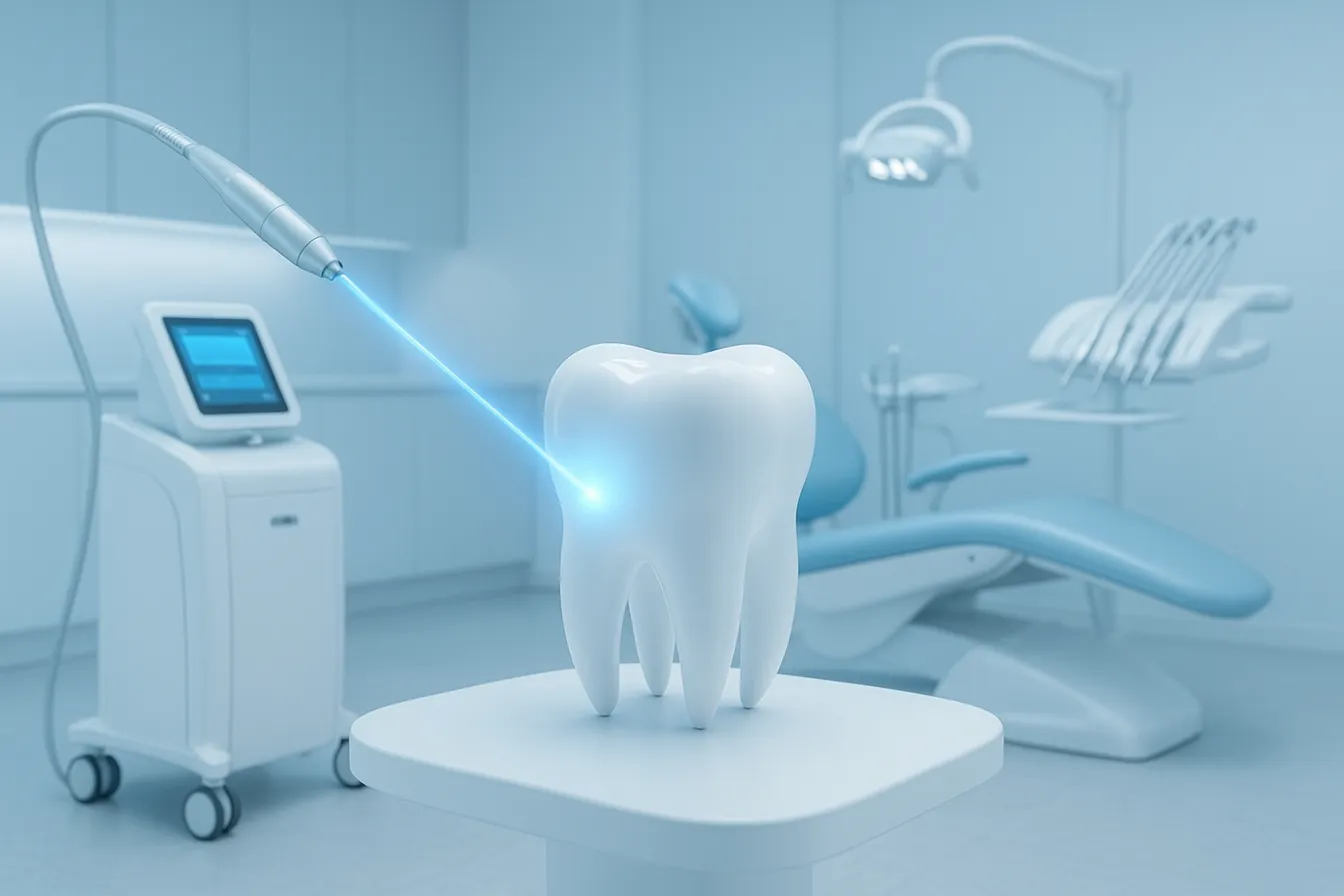
Advanced dental technology enhances diagnosis and treatment by using digital X-rays, 3D imaging, and CBCT scans for accurate assessments. Minimally invasive procedures like laser dentistry and digital impressions reduce discomfort and enable faster recovery, benefitting anxious patients.
Technologies like CAD/CAM allow same-day restorations, saving patients time. Tools such as intraoral cameras and facial scanners improve patient understanding by providing detailed visuals, encouraging informed decisions. Overall, these innovations increase safety, efficiency, and clinical outcomes, supporting a Proactive dental health approach.
Invisalign® offers clear, removable aligners that are discreet and generally shorten treatment by about six months, ideally suited for mild to moderate alignment issues. Braces, while more visible, provide superior control of complex movements like torque and bite corrections, often achieving better results in severe cases.
Both methods improve malocclusion, but braces usually yield higher improvements in occlusal contacts and are preferred for complicated corrections. The choice depends on the case complexity and patient preferences for comfort and aesthetics. For detailed insights, see Benefits of early orthodontic treatment and Early Orthodontic Intervention for Children.
| Aspect | Gentle Dentistry | Advanced Technology | Invisalign® | Braces |
|---|---|---|---|---|
| Patient Comfort | High – minimal pain and anxiety | Enhanced by less invasive techniques | High – removable and clear | Moderate – fixed appliances |
| Treatment Complexity | Preventive dental measures | Enables precise, early detection | Mild to moderate cases | Complex and severe cases |
| Procedure Duration | Often shorter due to Early detection of dental issues | Speeds up diagnosis and treatment | Typically shorter treatment | Often longer treatment time |
| Aesthetic Consideration | Emphasized | Improved with digital tools | Very discreet | Visible metal or ceramic |
Gentle dentistry combined with cutting-edge technology modernizes patient care, making treatments more comfortable, efficient, and accessible.
Preventive dental care goes beyond maintaining a healthy smile; it plays a crucial role in lowering the risk of systemic diseases. Gum disease prevention and poor oral health have been linked to heart disease, diabetes, respiratory conditions, and even brain health. By controlling dental plaque and inflammation through routine dental cleanings, fluoride treatments, and early intervention, preventive dental care helps minimize bacteria entering the bloodstream that can exacerbate these chronic conditions.
Investing in preventive dentistry also offers significant economic benefits. Early detection and treatment reduce the likelihood of needing costly, invasive procedures such as root canals, extractions, or surgery. For example, the average dental cleaning costs about $125, whereas a root canal can exceed $900. Studies show that preventive dental care benefits for everyone can save families and healthcare systems between $8 and $50 for every dollar spent by avoiding complex treatments and emergency visits.
Community-based preventive oral health care benefits like school dental sealant programs and adjusting fluoride levels in community water have proven highly effective. Sealants can prevent up to 80% of cavities in children, and fluoride adjustment has saved billions nationwide. These cost-effective measures help reduce oral disease rates, especially among children and underserved populations, thereby lowering dental treatment demands and boosting productivity by preventing missed school and workdays.
Preventive dental care thus bridges individual wellbeing and broader public health efforts for oral health, promoting healthier lives and more sustainable healthcare costs.