Even more knowledge

Maintaining regular dental visits with a family dentist ensures continuity of care, which is crucial for early detection of issues such as cavities, gum disease, and developmental changes. This ongoing care helps prevent complex dental problems and promotes overall oral health across all ages.
A long-term partnership with your family dentist fosters trust and comfort, reducing dental anxiety and making visits more enjoyable. Familiarity with your dental history allows for personalized treatment plans and more efficient care, while open communication encourages patients to share concerns and preferences.
Family dentistry provides comprehensive services ranging from preventive to restorative treatments tailored to individual needs. Patient-centered care places patients at the heart of decision-making, emphasizing respect, clear communication, and education. This approach supports healthy habits and empowers patients to take an active role in their lifelong oral health journey.
A comprehensive dental practice provides a broad range of dental services designed to meet the needs of patients of all ages. These services include preventive care such as regular checkups, professional cleanings, fluoride treatments, and patient education on proper oral hygiene practices. Preventive visits help detect early detection of cavities and gum disease, ensuring timely intervention.
Restorative treatments are also a major component, including fillings, crowns, root canals, and other procedures aimed at preserving natural teeth and addressing dental issues promptly. Cosmetic dental care such as teeth whitening, veneers, and bonding improve the aesthetics of a patient’s smile, boosting confidence while maintaining oral health.
Orthodontic treatments like braces is often available through collaboration with specialists, offering services like braces and Invisalign to correct misalignments and promote proper dental development. Family dentist services play a central role in coordinating this care within one convenient practice.
Modern comprehensive dental practices utilize cutting-edge technology to enhance care quality and comfort. digital X-rays in dentistry and Intraoral cameras for assessment allow for detailed, precise diagnostics with lower radiation exposure. These tools assist dentists in identifying issues like impacted teeth, bone loss, and oral cancers earlier than traditional methods.
laser dentistry benefits and teledentistry services options enhance treatment precision and offer greater accessibility, especially for preventive education and follow-ups. This integration of technology ensures patients receive personalized dental care for all ages, efficient, and up-to-date care which promotes lifelong oral health maintenance.
These combined services and technologies make comprehensive dental practices a one-stop solution for comprehensive dental care across all stages of life.
Patient-centered care in dentistry means tailoring dental treatments and services to the individual needs, preferences, and values of each patient. It focuses on respectful, collaborative care where patient values guide decisions. This approach goes beyond addressing dental issues alone by considering the whole person’s health, lifestyle, and concerns.
By using advanced technologies like 3D imaging and AI tools, dentists can provide more accurate diagnoses and develop precise treatment plans. Personalized dental treatment recognizes genetic and lifestyle factors, improving the success rates of treatments such as dental implants and orthodontics. This ensures that dental care is not one-size-fits-all but specifically designed for each patient.
Effective communication builds trust and encourages patients to share their concerns openly. Dentists educate patients on proper oral hygiene practices, diet, and lifestyle choices, empowering them to actively participate in their care. Shared decision-making allows patients to understand options and make informed choices, increasing satisfaction and adherence to preventive measures.
Oral health is closely linked to systemic health conditions like diabetes, heart disease, and respiratory illnesses. Patient-centered care addresses these connections by managing risks and encouraging habits that benefit overall wellness. This holistic approach leads to better oral health outcomes beyond just the teeth and gums.
Personalized, patient-centered dental care offers a more comfortable, respectful environment for patients. It results in improved oral health, stronger patient-provider relationships, and long-term cost savings through prevention and early intervention.
A gentle dentistry approach prioritizes patient comfort by reducing anxiety during dental visits. This is achieved through friendly staff, soothing clinic environments, and compassionate communication. Advanced technologies like laser dentistry benefits and minimally invasive procedures help minimize pain. Sedation options also provide relief for anxious patients, fostering trust and encouraging consistent care.
Clear and honest communication is essential to build patient confidence. Dentists explain treatment plans, potential risks, and costs in simple language, ensuring patients understand and feel respected. Open dialogue invites questions and addresses concerns, reducing misunderstandings and dental fear. Learn more about doctor-patient relationship in dentistry.
A comfortable dental office with calming lighting, cozy waiting areas, and personal touches creates a stress-free atmosphere. These elements help especially children and anxious adults feel at ease, promoting regular visits and positive dental experiences. Discover tips on building trust and loyalty with patients.
Transparency is fundamental in patient-centered care. Dentists share detailed treatment options, outline associated expenses, and discuss possible risks upfront. This openness fosters mutual trust and empowers patients to make informed decisions about their oral health.
| Aspect | Benefits | Implementation Example |
|---|---|---|
| Gentle Dentistry Approach | Reduces patient anxiety | Use of sedation, laser treatments |
| Effective Communication | Builds trust and clarity | Plain language explanations; see effective communication in oral health care |
| Welcoming Environment | Enhances comfort and reduces fear | Cozy waiting rooms, friendly staff |
| Transparency in Care | Encourages informed decisions | Clear cost estimates and risk disclosure; transparent dental treatment plans |
Modern dental technology plays a critical role in improving both the quality and efficiency of dental care. Digital X-rays in dentistry and 3D imaging provide highly accurate views of teeth and underlying structures, enabling early and precise disease detection with less radiation exposure than traditional methods. This enhances treatment planning and allows dentists to address issues promptly.
Intraoral scanners for assessment and CAD/CAM technology revolutionize the creation of dental restorations. These tools capture detailed digital impressions, enabling the same-day fabrication of crowns, bridges, and other devices with superior fit and comfort compared to conventional methods.
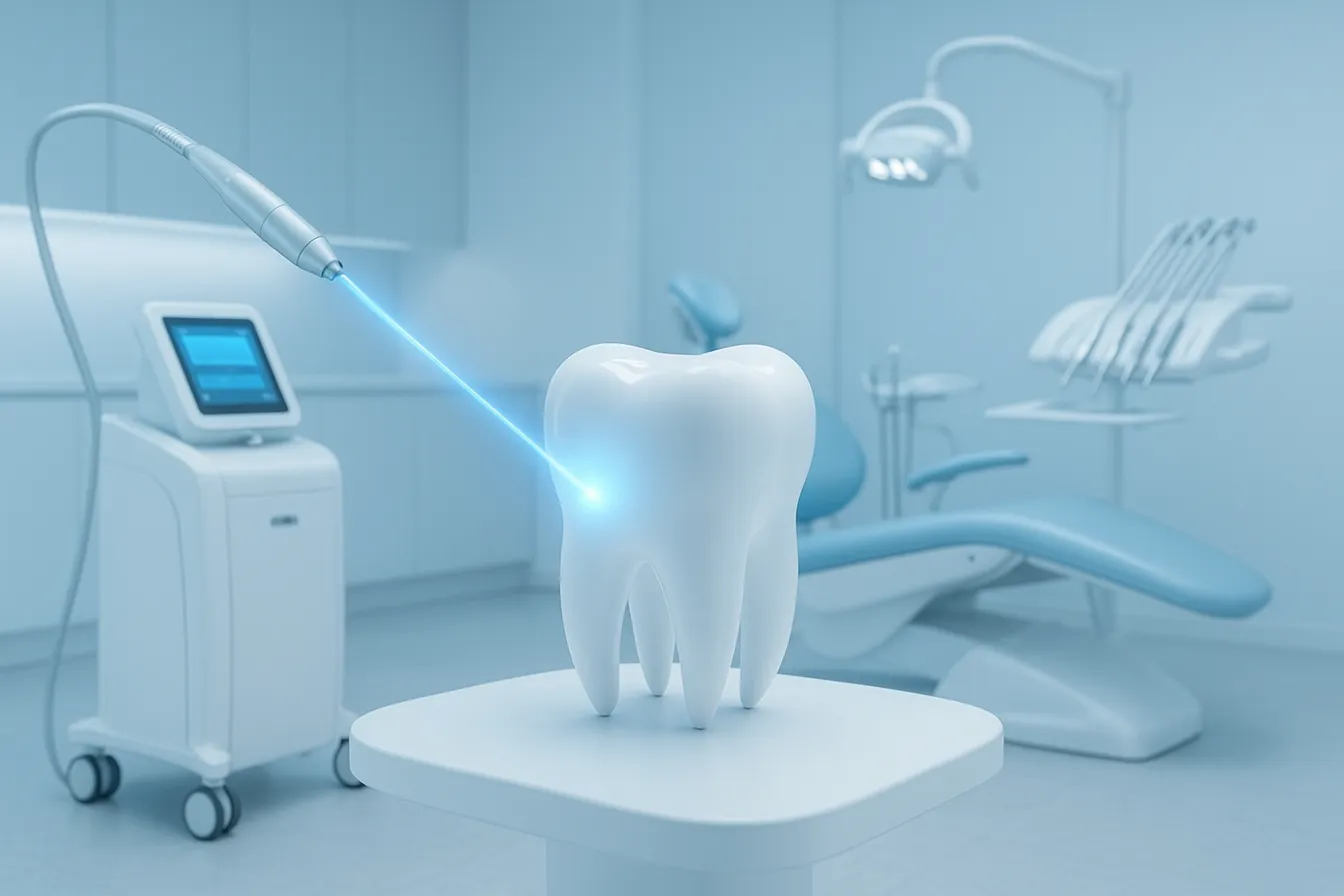
Laser dentistry benefits offers minimally invasive treatment options, reducing patient discomfort, bleeding, and recovery time. These lasers can be used for procedures ranging from cavity treatment to gum therapy.
Remote monitoring tools and teledentistry services extend dental care beyond the office. Virtual consultations and AI-supported diagnostics make care more accessible and encourage preventive management.
Overall, these advancements support personalized dental care for all ages and patient-centered care by tailoring treatment plans to individual needs, improving outcomes, and enhancing the comfort and convenience of dental visits.
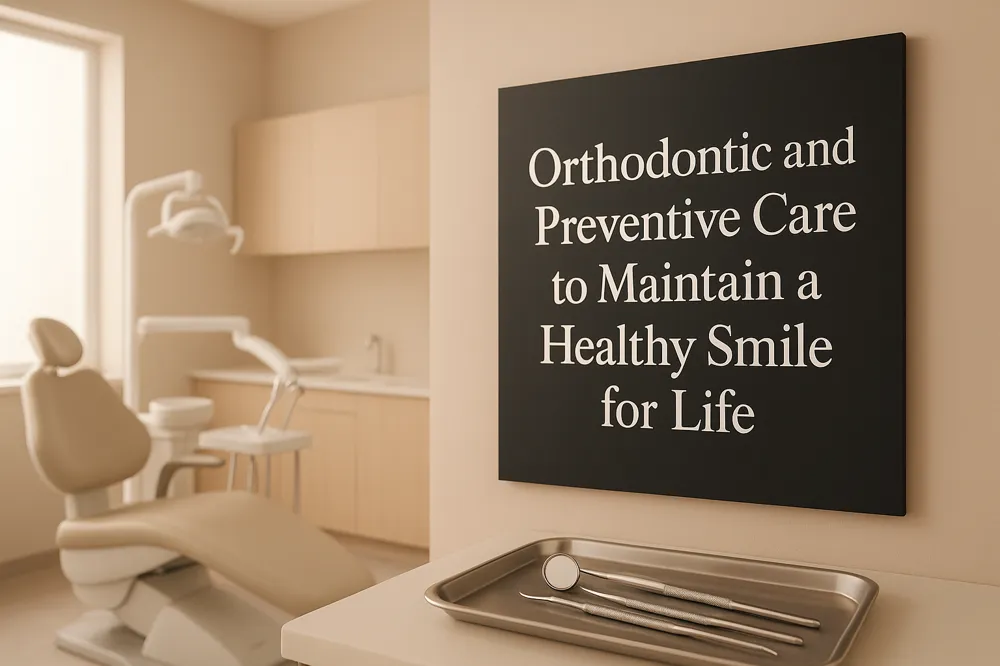
Orthodontic treatment offers several options to enhance your smile effectively. Traditional braces are a reliable choice for correcting a broad range of dental alignment issues. For those seeking a less noticeable option, clear aligners like Invisalign® have become increasingly popular. Invisalign is notable for its discreet, removable design, making it ideal for both teens and adults. It uses innovative materials to improve comfort and treatment predictability, often completing treatment in as little as six months. Insurance coverage is commonly available for orthodontic care, with potential benefits reducing out-of-pocket costs. For more details on orthodontic treatments like braces and coordination with specialists, see services offered by a family dentist.
Your initial visit will involve a detailed dental and medical history review, along with digital X-rays and a thorough oral examination. The dentist will assess your teeth, gums, bite, and other oral tissues, performing screenings such as for oral cancer. This visit is an opportunity to discuss your dental concerns, goals for treatment, and any anxiety or previous experiences. You will be guided through personalized dental care plans and treatments addressing your needs, with clear communication with family dentist to ensure comfort and understanding throughout the process. The use of digital X-rays in dentistry and advanced diagnostic tools in family dentistry enhances early diagnosis.
Early dental visits allow family dentists to monitor children's dental development and detect problems like misalignments or cavities promptly. Ongoing assessments help preventing dental abnormalities and early detection of cavities and gum disease by addressing issues when they first arise, supporting healthy dental habits in children and maintaining adult oral health. These practices contribute significantly to preventive dental care.
Family dentists provide comprehensive dental care for all ages, managing preventive, orthodontic, and restorative treatments in one setting. They collaborate with specialists when needed, ensuring coordinated and seamless care to address individual needs effectively, which supports collaboration with orthodontists and restorative dental procedures. The continuity of care in dental public health also underscores the importance of such coordinated dental care.
Instilling good hygiene practices such as proper oral hygiene practices including effective brushing and flossing, and regular importance of dental check-ups from an early age fosters a positive attitudes towards dental care. These habits reduce dental anxiety and prevent diseases, promoting a healthy smile throughout life. Nutritional advice related to diet and oral health further supports lifelong oral wellness.
Building a long-term relationship with a trusted family dentist ensures continuity of care that supports early detection, prevention, and timely treatment of dental issues. This ongoing partnership fosters familiarity, open communication, and comfort, reducing anxiety and promoting a positive dental experience for all ages.
Selecting a family dentist who understands your unique dental history and needs allows for personalized care tailored to your lifestyle. This trusted partnership is essential for managing your oral health effectively and creating lifelong habits that benefit your smile.
Proactive, patient-centered dental care emphasizes prevention, education, and comfort. By addressing your oral health needs early with gentle treatments and ongoing guidance, you can maintain a healthy smile well into the future, improving overall wellness and reducing costly procedures later on.