Even more knowledge

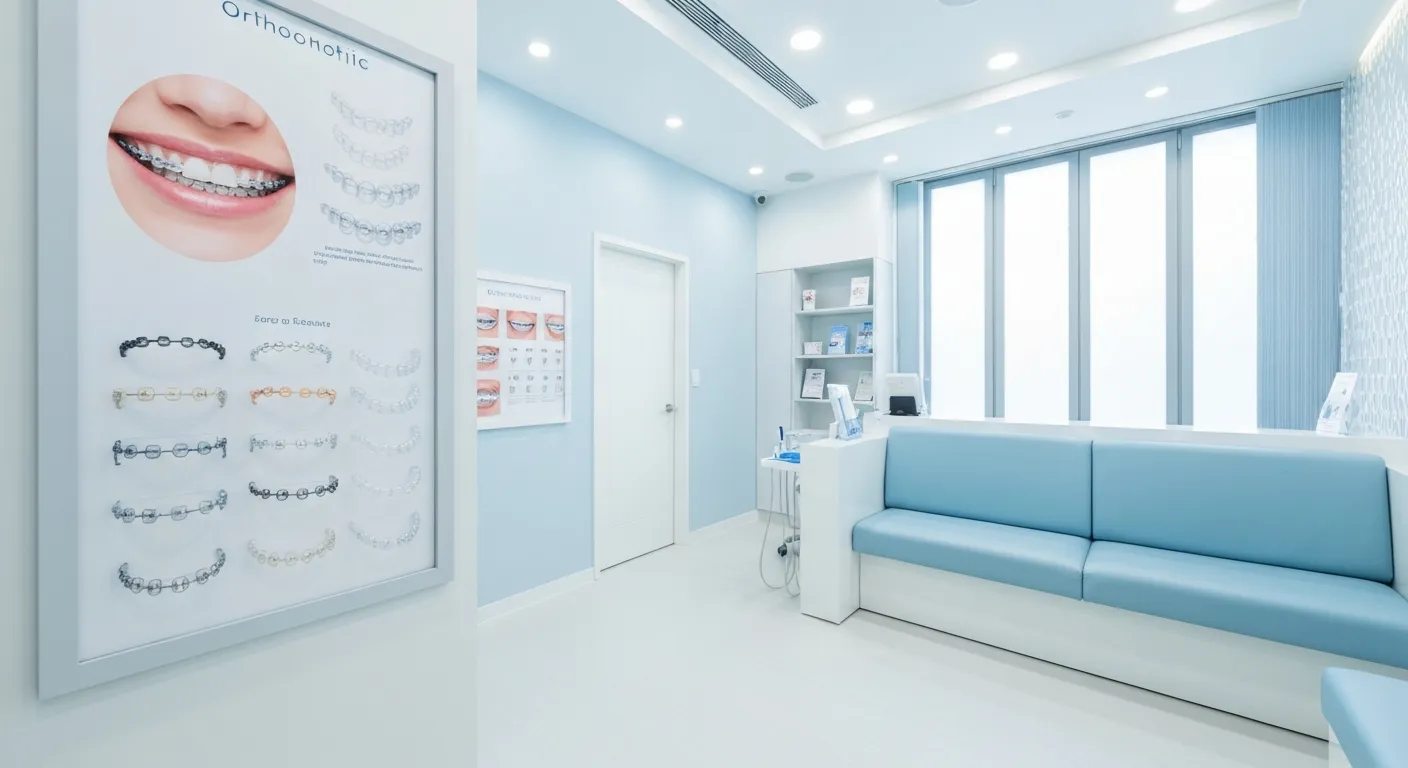
Orthodontic treatment aims to correct dental issues such as crooked teeth, misaligned bites, and crowding. Beyond enhancing the smile's appearance, these treatments improve oral health by making teeth easier to clean and chewing function more comfortable.
Every patient’s dental condition and lifestyle are unique. Customized treatment plans are essential to address specific problems and goals effectively. Options range from traditional braces to clear aligners, chosen based on the complexity of the case, aesthetic preferences, and daily habits.
Orthodontists undergo extensive specialized training to diagnose and treat alignment issues accurately. They evaluate both surface appearance and underlying root causes to create a comprehensive treatment strategy that optimizes both function and aesthetics. Their expertise ensures safe, effective, and individualized orthodontic care.

Traditional braces are traditional orthodontic braces consisting of brackets bonded to the teeth. These brackets can be metal, ceramic, or lingual (placed behind the teeth). They are connected by wires and sometimes rubber bands, collectively applying mild and constant pressure to gently move teeth into correct alignment over time. Since they are fixed in place, they require regular orthodontist visits for adjustments to ensure progress.
Metal braces are highly versatile, able to correct a broad range of problems including:
Treatment with braces generally lasts between 18 to 36 months, depending on case complexity. Patients must make some lifestyle adaptations, most notably:
Maintaining good oral hygiene is crucial throughout treatment. Brushing and flossing around brackets can be challenging but necessary to avoid plaque buildup and inflammation. Avoiding sugary and acidic foods helps reduce dental decay risks.
Patients may initially experience initial discomfort of braces or irritation to the mouth's soft tissues such as cheeks, lips, and tongue. These symptoms are usually temporary. Over-the-counter pain relievers and orthodontic wax can alleviate irritation. Post-treatment, wearing a retainer is important to preserve teeth alignment and prevent relapse.
Clear aligners are custom-made clear aligners, transparent trays crafted from plastic materials such as BPA-free SmartTrack. These trays fit snugly over the teeth and work by applying gentle, controlled pressure to gradually shift teeth into proper alignment. The treatment plan includes a series of trays, each worn typically for about two weeks before moving on to the next set, all under the supervision of an orthodontist supervised treatment plan.
Clear aligners are ideal for addressing mild to moderate orthodontic problems. These often include minor crowding, spacing between teeth, overbites, crossbites, and certain bite irregularities. However, complex cases—such as severe crowding, significant bite misalignments, or jaw abnormalities—may require more traditional treatments like traditional braces for complex orthodontic issues.
Treatment duration for clear aligners generally ranges from 12 to 18 months, which can be shorter than traditional braces. Success depends heavily on patient compliance, with aligners needing to be worn 20 to 22 hours per day. Removing them more often or for longer periods can delay progress and reduce effectiveness.
Because aligners are removable, patients benefit from the ability to eat without restrictions and maintain high oral hygiene standards. Brushing and flossing can be performed thoroughly without obstacles. Moreover, the nearly invisible nature of the trays offers excellent discretion, making them popular for adults and professionals concerned with aesthetics, demonstrated by the discreet teeth straightening they provide.
While clear aligners are generally comfortable, some patients may experience initial discomfort, speech alterations, or excessive salivation. Rarely, serious side effects like white spot lesions or gum issues can occur if oral hygiene isn't properly maintained, including risks addressed in the clear aligner's adverse effects. Additionally, consistent use as prescribed is crucial to avoid treatment delays.
Braces and clear aligners both effectively straighten teeth, but their strengths differ. Braces provide more precise control over complex tooth movements such as rotations, occlusal contacts, and widening the dental arch. This makes braces better suited for severe or complicated orthodontic cases. In contrast, clear aligners excel at treating mild to moderate alignment issues and often yield faster treatment times due to typically shorter durations.
Clear aligners usually complete treatment in about 12 to 18 months, which can be shorter than the 18 to 36 months often required for traditional braces. This efficiency is especially noted in non-extraction cases and less complex malocclusions. However, treatment length can vary significantly based on individual needs and compliance.
Braces provide superior control in achieving optimal occlusion by managing tooth torque, bite contacts, and transverse expansion. Clear aligners, while improving with technological advances, are generally less effective in these areas but show advantages in segmented tooth movements and anterior corrections.
Compliance is crucial for clear aligner success. Aligners must be worn for 20 to 22 hours daily; removing them frequently or for long periods can hinder tooth movement and prolong treatment time. Braces, being fixed, do not rely on patient adherence, ensuring continuous tooth adjustment.
Recent innovations such as digital 3D scanning, precise fitting materials like SmartTrack, and improved attachment designs have enhanced clear aligner effectiveness. These advances allow better control of tooth movements, expanding aligners' capabilities beyond mild to moderate cases.
| Aspect | Braces | Clear Aligners | Notes |
|---|---|---|---|
| Treatment Control | Superior for complex movements | Effective for mild/moderate movements | Braces better for severe issues |
| Treatment Duration | 18-36 months | 12-18 months | Aligners often shorter duration |
| Patient Compliance | Fixed appliance, continuous | Removable, requires strict adherence | Compliance impacts aligner success |
| Occlusal Control | High precision | Moderate | Braces better for occlusion control |
| Comfort and Aesthetics | Visible, may cause irritation | Nearly invisible, more comfortable | Improved comfort with aligners |
Choosing between Clear aligners vs braces greatly depends on your daily lifestyle and personal preferences. Clear aligners are nearly invisible and removable, making them an excellent choice for patients who value discretion and ease, especially professionals or socially active individuals. Because they can be taken out to eat or clean teeth before aligners, aligners offer flexibility but require careful adherence to wear times (usually 20-22 hours a day) for effective treatment.
On the other hand, fixed braces appliance are fixed to the teeth, which makes them very stable and effective, especially for complex dental issues. They tend to be more durable and require specific dietary restrictions for braces, such as avoiding hard or sticky foods, that can damage the brackets or wires. Active lifestyles or the need for more comprehensive correction often make braces the preferred option.
Advantages of clear aligners appeal to many adults and teens because they are transparent and less noticeable than metal braces. This aesthetic advantage allows users to maintain confidence during social interactions and work situations. Traditional braces, although more visible, offer a range of options including Types of braces: stainless steel, ceramic, gold-colored brackets that can be less conspicuous than standard metal ones. See more about Types of braces.
Patients with braces must avoid certain foods such as hard nuts, sticky candies, and chewy items to prevent damage. They also need to be diligent about oral hygiene with braces, brushing and flossing frequently to avoid plaque buildup. Clear aligners can be removed during meals, thus avoiding food restrictions and allowing easier oral hygiene practices, but teeth should be cleaned before reinserting the trays to reduce risk of staining with aligners.
Orthodontic treatment is effective across all ages, from children to older adults. The choice of appliance should align with treatment goals; Traditional braces for complex orthodontic issues generally handle complex or severe orthodontic issues more effectively, while Suitability of clear aligners for mild to moderate issues are ideal for mild to moderate corrections. Adults often prefer clear aligners for their discreet appearance, but both options deliver excellent results when managed by a Orthodontist skill and treatment success.
The cost of traditional braces ranges from $3,000 to $7,000, while clear aligners typically cost between $4,000 and $8,000. Both are commonly partially covered by dental insurance plans, and many providers offer payment plans to ease financial concerns. While cost is an important factor, it should be weighed alongside treatment effectiveness, comfort, and lifestyle compatibility when making a decision.
Orthodontists receive several additional years of specialized training beyond general dentistry, enabling them to thoroughly analyze teeth and jaw alignment issues. They diagnose malocclusions by examining not only the visible misalignment but also the root causes, ensuring the treatment addresses the underlying problems. This expertise is vital for customizing each patient’s treatment plan, selecting the appropriate orthodontic appliances—be it braces or clear aligners—and using techniques that optimize outcomes while minimizing risks (importance of orthodontist's skill and treatment success).
Orthodontists play a crucial role in educating patients on the proper care and maintenance of their orthodontic appliances. For example, patients using clear aligners are instructed on how to wear them consistently (usually 20-22 hours daily), manage discomfort, and maintain excellent oral hygiene with braces and aligners. Frequent monitoring through scheduled visits allows orthodontists to track treatment progress, make necessary adjustments, and address any side effects such as irritation or speech difficulties. This ongoing support ensures treatments remain effective and long-lasting (orthodontist skill and treatment success.
Orthodontic specialists are equipped to handle complex orthodontic challenges that require precise tooth movement or jaw alignment corrections. They plan treatments that not only improve dental aesthetics but also enhance function, such as proper biting, chewing, and speech. After active treatment, orthodontists provide guidance on retention strategies, including the use of retainers, to preserve teeth alignment and promote long-term oral health (Braces for orthodontic treatment.
Beyond appliance management, orthodontists emphasize the importance of good oral hygiene throughout the treatment process. They advise on proper brushing, flossing, and dietary habits tailored for braces or aligners (oral hygiene with braces, dietary restrictions for braces. This education helps prevent complications such as gum inflammation, tooth decay, and enamel staining, fostering healthier smiles that last well beyond treatment completion.
Choosing between clear aligners and traditional braces depends on your dental needs, lifestyle, and preferences.
Clear Aligners: Nearly invisible and removable, allowing easy oral hygiene and no dietary restrictions. They are comfortable with less irritation but require 20-22 hours of daily wear and are best for mild to moderate cases. However, they can be misplaced and may not work well for complex orthodontic problems.
Braces: Fixed appliances that provide stable and precise control for complex issues, including severe crowding and bite problems. They require dietary adjustments and diligent oral hygiene to prevent damage and inflammation. Initial discomfort is common but manageable.
Consulting a qualified orthodontist is essential. Orthodontists undergo specialized training to diagnose and treat dental issues comprehensively, ensuring your treatment plan suits your unique needs. Their expertise maximizes success, whether you choose braces or aligners.
Your smile journey should be patient-centered. Discuss your lifestyle, treatment goals, and concerns with your orthodontist. Together, you can select the most suitable option for a confident, healthy smile tailored just for you.